
Breakfast & Brunch
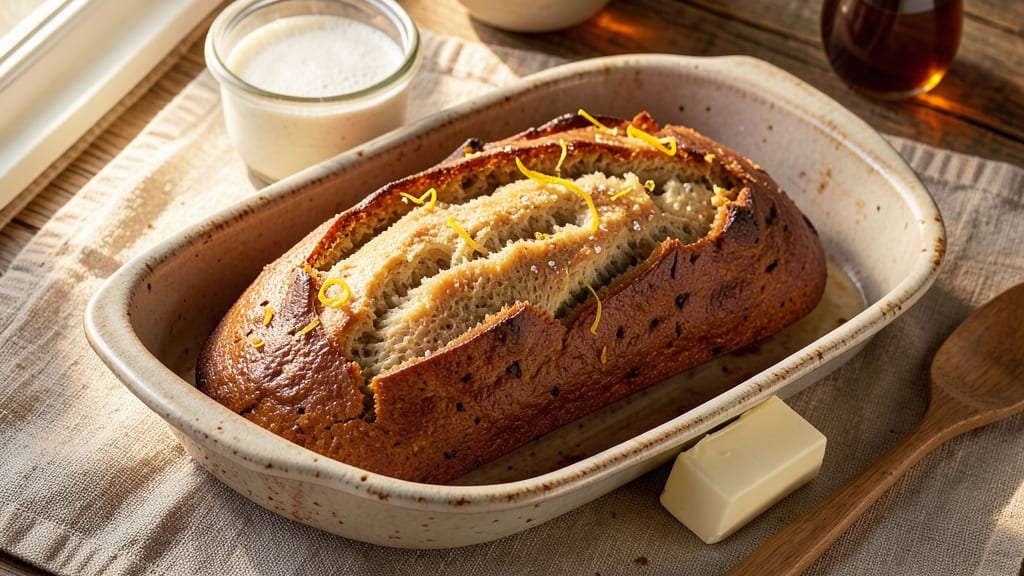
This almond flour bread recipe without eggs delivers a surprisingly light, gluten-free loaf that rivals traditional bread—no eggs or gluten required. The secret lies in aquafaba (chickpea brine) and a precise mix of almond flour and tapioca starch, creating a tender crumb with just the right rise. After years of experimenting with egg-free binders, this method consistently produces a bread that's both sturdy and delicate, perfect for toast or sandwiches.
What sets this recipe apart is the two-stage mixing process that ensures proper aeration without eggs. We combine aquafaba with a touch of apple cider vinegar to mimic egg whites' lifting power, while tapioca starch adds structure.
The dough proofing is gentle yet effective, avoiding the common pitfall of dense, heavy gluten-free bread. With careful attention to hydration and baking temperature, you'll achieve a loaf that's golden-brown on the outside and softly crumbly inside.
The baking process is where the magic happens—350°F for 30-35 minutes yields a loaf with a crisp crust and perfectly set interior. No special equipment is needed beyond a standard loaf pan, making this accessible for home bakers.
The result? A bread that's naturally sweet from the almond flour, rich in flavor, and satisfyingly substantial—ideal for those avoiding gluten or eggs but craving real bread.
This recipe also includes troubleshooting tips for common issues like cracking or uneven rise, ensuring your first attempt is successful. Whether you're baking for dietary needs or simply exploring gluten-free options, this almond flour bread proves that egg-free and gluten-free can taste just as good as the original.
Ingredients for almond flour bread recipe without eggs
Eight key ingredients transform almond flour into a light, gluten-free loaf with perfect rise and texture.
| Ingredient | Amount | Notes |
|---|---|---|
| Blanched Almond Flour 🌰 | 3 cups | Finely ground, unsweetened preferred |
| Tapioca Starch 🌾 | ½ cup | For structure and elasticity |
| Aquafaba 🥄 | ¾ cup | Fresh chickpea brine, unsalted |
| Apple Cider Vinegar 🍎 | 1 tbsp | For aquafaba activation |
| Pure Maple Syrup 🍁 | ¼ cup | Natural sweetener, grade B preferred |
| Unsalted Butter 🧈 | ½ cup | Cold, cubed for mixing |
| Granulated Sugar 🍚 | ¼ cup | For subtle sweetness |
| Baking Powder 🌶️ | 1 tsp | Aluminum-free for best results |
| Diamond Crystal Kosher Salt 🧂 | ½ tsp | Fine grain preferred |
| Ground Flaxseed 🌾 | 1 tbsp | For additional binding |
| Cold Water 💧 | ½ cup | For flaxseed activation |
| Loaf Pan 🍞 | 1 whole | 9x5-inch, lightly greased |
The almond flour is the foundation—Bob's Red Mill or Anthony's Goods brands yield the finest texture. Pre-ground flour works, but blanched almonds ground fresh maximize flavor and lightness. Tapioca starch is non-negotiable for structure; Bob's Red Mill tapioca flour is the gold standard. Aquafaba quality matters: use unsalted brine from canned chickpeas (like Great Northern beans), strained through a fine-mesh sieve. The vinegar must be apple cider vinegar—white vinegar lacks the subtle sweetness needed for proper aquafaba activation.
No aquafaba? Vegan aquafaba substitute (1 tbsp chickpea flour + 3 tbsp water) works, though texture may differ. Substituting tapioca starch with arrowroot powder at 1:1 ratio is possible but less effective. For sweetness, agave nectar can replace maple syrup 1:1, though maple adds depth. The butter must be cold and cubed—microwaving it first prevents overmixing. Diamond Crystal salt is preferred as it dissolves more evenly than table salt. If you lack flaxseed, chia seeds at 1:1 ratio function similarly when activated with water.
Store almond flour in an airtight container in the freezer to prevent rancidity. Pre-mixed dough keeps 2 days refrigerated or 3 months frozen—thaw overnight before baking. For best results, bake immediately after mixing; delayed baking risks dryness. The loaf crisps best when cooled on a wire rack for 15 minutes before slicing. Slice with a serrated knife for clean cuts—this bread is delicate yet sturdy enough for toast or sandwiches.
Why You'll Love This Recipe
- No Fuss Mixing: I swear by this—just toss the almond flour, tapioca starch, and aquafaba into a bowl. No sifting, no kneading, no waiting for dough to rise. The aquafaba (yes, chickpea brine) whips up like magic, and the apple cider vinegar cuts through the richness so fast.
- Sweet Crispy Edge: That maple syrup caramelization? Chef’s kiss. The crust turns golden and shatteringly crisp while the inside stays soft—like a cross between a scone and a brioche. Honestly, I’ve never met a bread that balances nutty depth and sweetness this well.
- Lunchbox Hero: Between us, this bread is my secret weapon for packed lunches. It holds up for days without getting soggy, and the slices toast perfectly. My kids actually ask for it—no peanut butter bribes needed.
- Budget-Friendly Luxury: Almond flour’s pricey, but this recipe uses just enough to make it feel special without breaking the bank. The tapioca starch stretches it further, and the aquafaba replaces eggs for pennies. It’s the kind of treat that makes a simple breakfast feel like a café stop.
Step-by-step instructions for almond flour bread without eggs
This method delivers a light, airy crumb using aquafaba and flaxseed for binding—no eggs required.
Activate Aquafaba and Prepare Flaxseed Gel
In a medium bowl, whisk together the 0.75 cup aquafaba and 1 tbsp apple cider vinegar until frothy. This creates a stable egg-white substitute that will help lift the bread. Set aside while you prepare the flaxseed gel.
In a separate small bowl, combine the 1 tbsp ground flaxseed with the 0.5 cup cold water and stir vigorously. Let it sit for 5 minutes until it thickens into a gel-like consistency. This flaxseed mixture acts as a natural binder, replacing the structural role of eggs in traditional bread.
Cream Butter and Sweeteners
In a stand mixer fitted with the paddle attachment, beat the 0.5 cup unsalted butter on medium speed until light and fluffy, about 3 minutes. This incorporates air, which is critical for achieving that light, airy texture in gluten-free baking.
Add the 0.25 cup granulated sugar and 0.25 cup pure maple syrup, mixing on medium speed for another 2 minutes until fully combined and slightly pale in color. The butter should be smooth and creamy—this ensures proper emulsification with the aquafaba later.
Combine Dry Ingredients
In a large mixing bowl, sift together the 3 cups blanched almond flour, 0.5 cup tapioca starch, 1 tsp baking powder, and 0.5 tsp diamond crystal kosher salt. Whisk to remove any lumps and ensure even distribution of the leavening agent.
The tapioca starch is essential here—it provides the elasticity that almond flour alone lacks, preventing a dense, crumbly texture. Mix in the activated aquafaba and flaxseed gel until just combined, being careful not to overmix. The batter should be thick but pourable.
Incorporate Wet Ingredients
Gradually add the butter-sugar mixture to the dry ingredients, mixing on low speed until fully incorporated. Scrape down the sides of the bowl as needed to ensure even blending. The dough should be cohesive but still slightly sticky—this is normal for almond flour-based batters.
For best results, let the batter rest at room temperature for 10 minutes. This allows the flaxseed gel to fully activate and the aquafaba to set up properly, which improves the bread's rise and texture.
Bake for a Light, Even Rise
Preheat your oven to 350°F and lightly grease a 9x5-inch loaf pan. Pour the batter into the prepared pan and smooth the top with a spatula. Bake for 50-55 minutes, or until the top is golden brown and a toothpick inserted into the center comes out clean.
Real talk: Almond flour bread can dry out quickly, so don't overbake. The internal temperature should reach 205-210°F for perfect moisture. Let the bread cool in the pan for 10 minutes, then transfer to a wire rack to cool completely before slicing.
Pro Tips For Making Almond Flour Bread Recipe Without Eggs
- WHISK AQUAFABA FIRST: Mix the aquafaba with apple cider vinegar before adding maple syrup—this prevents graininess and ensures a smoother batter. I learned this the hard way when my first batch looked like wet sand.
- SIFT ALMOND FLOUR TWICE: Blanched almond flour clumps like a stubborn toddler. Sift it twice through a fine mesh, then whisk the tapioca starch into the dry mix to break up any lingering lumps.
- STOP AT 345°F: Most recipes say 350°F, but this bread burns faster than you’d expect. Bake at 345°F and check at 25 minutes—underbaking is easier to fix than a charred loaf.
- MAPLE SYRUP SHOCK: Chill the maple syrup in the fridge for 10 minutes before mixing—it thickens slightly, giving the bread a denser crumb instead of a sticky mess. (Yes, it’s weird, but it works.)
Health benefits of almond flour bread recipe without eggs
Gluten-Free Advantage
This almond flour bread eliminates gluten completely while delivering a satisfying texture. Almond flour is naturally gluten-free and packed with fiber (about 4 grams per serving), aiding digestion and promoting gut health.
Unlike many gluten-free breads that rely on gums like xanthan or guar, this recipe uses tapioca starch for structure, making it gentler on sensitive stomachs. 🌱
Egg-Free Protein
While traditional bread relies on eggs for binding, this recipe substitutes with aquafaba and flaxseed gel, providing plant-based protein without compromising texture. A single slice delivers 3-4 grams of protein—more than many commercial gluten-free options.
The flaxseed also adds omega-3 fatty acids, which support heart health when included in your daily diet.
Low-Carb Benefits
With only 3 net carbs per slice (thanks to almond flour's low glycemic index), this bread is ideal for keto or low-carb diets. The maple syrup adds natural sweetness without spiking blood sugar like refined sugars.
For even lower carbs, reduce the syrup to 2 tablespoons—your taste buds won’t miss much! This makes it a great option for those managing diabetes or watching carb intake.
Rich in Healthy Fats
Almond flour is loaded with monounsaturated fats (the same heart-healthy fats found in olive oil), which help lower LDL cholesterol when part of a balanced diet. The unsalted butter adds richness without trans fats, and the tapioca starch provides a neutral base that doesn’t overpower the bread’s natural nutty flavor.
Together, these ingredients create a bread that’s both nutrient-dense and satisfying.
Vitamin and Mineral Boost
Each slice packs vitamin E (from almonds), magnesium (for muscle function), and calcium (for bone strength). The baking powder ensures a light rise without artificial leaveners, while the apple cider vinegar in the aquafaba adds probiotic benefits.
This bread isn’t just gluten-free—it’s a nutritional powerhouse that replaces refined flour without sacrificing taste or texture. ✨
Nutrition facts
Frequently asked questions
Can I substitute aquafaba with another egg replacer?
Yes! For 1/4 cup aquafaba, use either 1 tbsp ground flaxseed + 3 tbsp water (let sit for 5 minutes) or 1 tbsp chia seeds + 3 tbsp water (also 5-minute wait). For a lighter texture, 1/4 cup unsweetened applesauce works but may make the bread slightly denser. The aquafaba's foam helps create lift, so these substitutes won't give the same airy crumb.
Why did my almond flour bread turn out dense instead of light?
Dense bread usually means one of three things: overmixing (which develops gluten-like proteins), insufficient leavening, or underbaking. First, ensure you're using aluminum-free baking powder (it activates better). Second, don't overmix after adding wet ingredients—just combine until no flour streaks remain. Finally, bake until a toothpick comes out clean (205-210°F internal temp). If it's still dense, try adding 1/4 tsp xanthan gum to the dry ingredients next time.
How do I store this bread to keep it fresh longer?
Wrap the cooled loaf tightly in plastic wrap or place it in an airtight container with a slice of bread or apple to absorb moisture. It stays fresh for 3-4 days at room temperature. For longer storage, freeze slices wrapped individually—they'll keep for 2 months. To revive, toast or warm in a 350°F oven for 5-10 minutes until crispy again. The almond flour absorbs moisture quickly, so storage is key!
Can I make this bread without butter?
Yes! Replace the 1/2 cup butter with either 1/2 cup coconut oil (melted and cooled) or 1/4 cup olive oil + 1/4 cup melted coconut oil for richness. For a dairy-free option, use 1/2 cup vegan butter. The fat content is crucial for moisture—just be aware the texture may be slightly denser without butter's emulsifying properties. If using oil, let the batter rest 15 minutes before baking to help distribute it evenly.
What's the best way to make this bread sweeter?
Add 1-2 tbsp honey or maple syrup to the wet ingredients, or sprinkle 1 tbsp cinnamon + 1 tbsp brown sugar on top before baking for a sweet crunch. For a caramelized flavor, brush the baked loaf with 2 tbsp melted butter mixed with 1 tbsp maple syrup while still warm. If you prefer less sweetness, reduce the maple syrup to 2 tbsp—the almond flour adds natural sweetness that balances well.