
Desserts
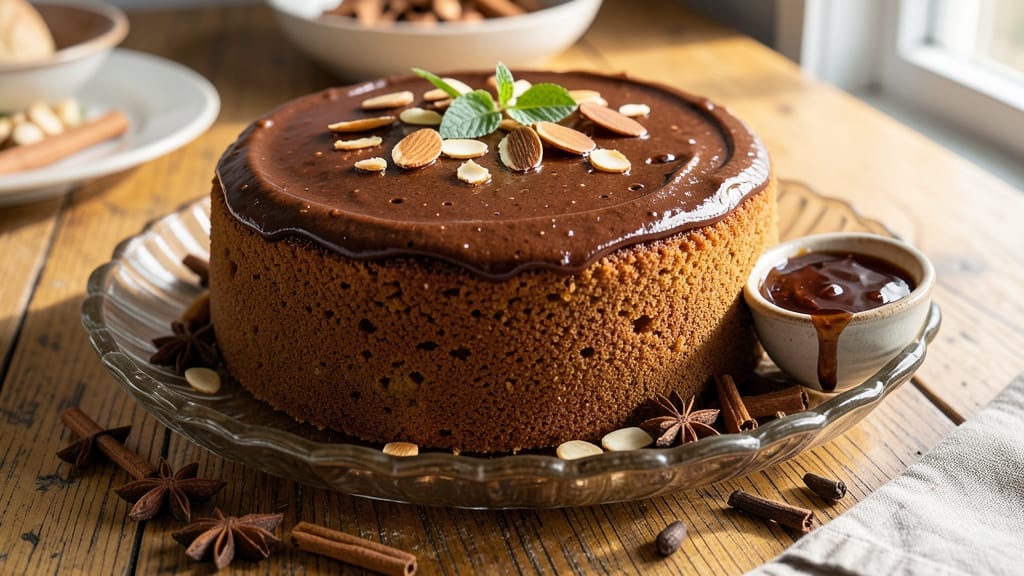
This almond flour gingerbread cake recipe delivers all the cozy spice and tender crunch of traditional gingerbread—just without the refined flour. 🌟 The secret lies in almond flour's natural richness, which creates a moist, dense crumb while the molasses and warm spices deliver that classic gingerbread flavor in every bite.
What makes this recipe special is its foolproof technique for achieving that perfect crispy top while keeping the interior tender. The almond flour base requires precise mixing and baking at 350°F, but the result is a cake that's naturally gluten-free, vegetarian-friendly, and packed with nutty depth from the almonds.
No special equipment needed—just a standard oven and patience for the spices to meld.
The texture is where this cake truly shines: a crunchy, caramelized crust that gives way to a soft, spiced interior with pockets of moisture from the molasses. The aroma alone—warm cinnamon, ginger, and a hint of clove—will fill your kitchen and transform any occasion into a holiday moment.
Serve with a dusting of powdered sugar or a simple glaze for extra indulgence.
Perfect for holiday gatherings, cozy winter nights, or anytime you crave something comforting yet sophisticated. The recipe scales beautifully, so you can make it for a crowd or enjoy a single slice. Let's get baking!
Ingredients for almond flour gingerbread cake
Almond flour's nutty richness meets molasses' deep caramel notes in this gluten-free masterpiece.
| Ingredient | Amount | Notes |
|---|---|---|
| Superfine Almond Flour 🌰 | 2 ½ cups | Blanched or unbleached, fine grind |
| Unsweetened Applesauce 🍎 | 1 cup | Unseasoned, for moisture |
| Dark Brown Sugar 🍚 | 1 ½ cups | Packed firmly, light molasses |
| Unsweetened Molasses 🍯 | ½ cup | Robust, not mild |
| Large Eggs 🥚 | 3 whole | Room temperature, beaten |
| Pure Vanilla Extract 🌸 | 1 tbsp | Bottled vanilla preferred |
| Ground Ginger 🌿 | 1 ½ tbsp | Freshly ground preferred |
| Ground Cinnamon 🌶️ | 2 tsp | Ceylon preferred for purity |
| Ground Cloves 🌿 | 1 tsp | Freshly ground for potency |
| Salt 🧂 | ½ tsp | Diamond Crystal preferred |
| Baking Soda 🧪 | 1 tsp | Aluminum-free |
| Unsalted Butter 🧈 | ½ cup | Cold, cubed for texture |
| Powdered Sugar 🍚 | ¼ cup | For dusting, fine consistency |
The almond flour is non-negotiable—Bob's Red Mill or Anthony's Goods deliver the finest grind for that signature tender crumb. Superfine is critical; any grittiness will disrupt the delicate texture. For the molasses, Gotham or Blackstrap brands provide that robust, slightly bitter depth that defines authentic gingerbread. The butter should be cold when cubbed—this creates those coveted pockets of air that yield a crispy top while maintaining a moist interior. Preheat your oven to 350°F and let it stabilize for 15 minutes before baking; this ensures even heat distribution throughout the dense batter.
No almond flour? Oat flour can substitute at a 1:1 ratio, though texture will differ slightly. Substituting molasses with maple syrup (reduce by 2 tbsp) works in a pinch, but you'll lose that signature depth. For the spices, Penzeys offers freshly ground options that elevate the flavor profile—don't settle for pre-ground cloves that lose potency quickly. The baking soda is essential for lift; if you're avoiding aluminum, Bob's Red Mill offers a high-quality alternative. For a vegan adaptation, replace eggs with flax eggs (3 tbsp ground flaxseed + 9 tbsp water per egg) and use vegan butter, though the texture will be slightly denser.
Store the cake in an airtight container at room temperature for up to 5 days, though it's best enjoyed within 2 days of baking for optimal freshness. For longer storage, slice and freeze individual portions—reheat in a 350°F oven for 5-7 minutes to restore that perfect crunch. The powdered sugar dusting should be applied immediately after baking while the cake is still warm; this creates a delicate, melt-in-your-mouth finish. Leftovers reheat beautifully—microwave 15-20 seconds per slice to revive the crust's crispness. Portion into single servings before freezing to maintain texture integrity.
Why You'll Love This Recipe
- No Mixer Needed: I swear by this recipe when I’m too tired to pull out the stand mixer. The almond flour blends into a smooth batter with just a whisk—no lumps, no fuss—and the applesauce keeps it light without extra effort.
- Molasses Magic: That deep, spiced warmth from the molasses? It’s the star. Honestly, the first bite tastes like holiday nostalgia, but it’s ready in a fraction of the time. The brown sugar adds caramel depth, so it’s rich without being heavy.
- Weeknight or Holiday: Between us, this cake is my secret weapon for both Tuesday dinners and Christmas morning. Serve it warm with whipped cream for a cozy dessert, or slice it cold for a breakfast treat—no one will guess it’s gluten-free.
- Leftovers That Last: The texture holds up beautifully for days, so I always bake two. Store it in an airtight container, and it’s still moist the next morning—perfect for quick breakfasts or after-school snacks when the kids are starving.
Step-by-step instructions for almond flour gingerbread cake
This method delivers a perfectly spiced, moist cake with a signature crunchy top every time.
👨🍳 Step 1: Prepare the Spiced Almond Flour Base
In a large mixing bowl, whisk together the 2.5 cups superfine almond flour, 2 tsp ground cinnamon, 1.5 tbsp ground ginger, 1 tsp ground cloves, 0.5 tsp salt, and 1 tsp baking soda. Sift the mixture through a fine-mesh sieve to aerate the flour and distribute the spices evenly. This creates a light, fluffy base that prevents dense texture.
I press down gently with a rubber spatula to break up any flour lumps, ensuring uniform consistency. The superfine almond flour is key here—its fine texture creates a tender crumb rather than a gritty one. Set this mixture aside for now; we'll combine it with the wet ingredients next.
🍳 Step 2: Combine Wet Ingredients for Maximum Moisture
In a separate large bowl, beat the 3 whole large eggs at medium speed until they're pale and slightly thickened, about 2-3 minutes. This incorporates air, which helps create lift in the cake. While the eggs beat, add the 1.5 cups dark brown sugar and mix until fully dissolved and the mixture is smooth.
Next, add the 1 cup unsweetened applesauce and 0.5 cup unsweetened molasses, mixing on low speed until just combined. The applesauce keeps the cake moist without adding liquid, while the molasses provides deep, caramel-like flavor. Stir in the 1 tbsp pure vanilla extract and 0.5 cup cold cubed unsalted butter. The cold butter will create pockets of flavor as it melts during baking.
🥘 Step 3: Gradually Combine and Bake for Perfect Texture
With the mixer on low speed, gradually add the almond flour mixture to the wet ingredients. Mix just until combined—do not overmix, or the cake will become dense. The batter should be thick but pourable, similar to cookie dough. Pour the batter into a 9-inch round cake pan lined with parchment paper and smoothed with butter.
Bake in a preheated 350°F oven for 35-40 minutes, until a toothpick inserted in the center comes out clean and the top is deep golden brown with a slightly crispy texture. I like to tent the pan with foil after 25 minutes to prevent over-browning while still allowing the top to develop that signature crunch.
⏰ Step 4: Cool and Dust for Ultimate Presentation
Remove the cake from the oven and let it cool in the pan for 10 minutes, then transfer to a wire rack to cool completely. This gradual cooling prevents cracking and allows the cake to set properly. While it cools, sift the 0.25 cup powdered sugar over the top for a delicate, snowy finish that contrasts beautifully with the warm spices.
Here's the thing—this cake is best served at room temperature, allowing the flavors to meld fully. The crunchy top will soften slightly as it cools, but the interior remains moist and tender. For extra warmth, serve with a dollop of whipped cream or a scoop of vanilla ice cream.
Pro Tips For Making Almond Flour Gingerbread Cake
- Sift the Almond Flour: Almond flour clumps like a stubborn guest at a party—it won’t blend unless you work with it. Use a fine-mesh sieve and tap it hard over the mixing bowl before adding wet ingredients. I learned this the hard way after scraping stubborn gobs of flour out of my mixer.
- Warm the Applesauce: Cold applesauce makes the batter sluggish and dense. Microwave it for 20 seconds or warm it in a small saucepan until it’s just above room temperature—like bathwater, not boiling. The cake will rise better and stay moist longer.
- Don’t Overmix the Batter: This isn’t pancake batter; you’re not trying to make it smooth. Stir just until the dry ingredients disappear—about 10 seconds after the last flour disappears. Overmixing introduces too much air, and almond flour cakes can turn gummy or crack on top.
- Bake Until the Edge Springs: Almond flour cakes don’t brown like wheat flour ones, so rely on the toothpick test and the edge spring. Press the center—it should bounce back slowly, not wobble like Jell-O. If it’s still sticky, give it 5 more minutes. Underbaking is the real enemy here.
Regional styles of this almond flour gingerbread cake
Southern U.S. Twist
In the Southern states, this cake gets a richer molasses kick by adding ¼ cup blackstrap molasses (total) and a pinch of cayenne pepper for subtle heat. Many Southern bakers also fold in ½ cup chopped pecans for crunch, inspired by classic pecan pie flavors.
The result? A cake with deeper caramel notes and a satisfying nutty contrast that pairs perfectly with sweet tea. 🌶️
German-Inspired Spice Blend
For a German-style gingerbread influence, swap the cloves for 1 tsp ground cardamom and add ½ tsp ground nutmeg. This creates a more aromatic profile reminiscent of traditional Lebkuchen.
German bakers often dust the cake with a mix of powdered sugar and crushed candied ginger after baking for extra festive flair. The texture remains tender but gains a sophisticated spice complexity.
Japanese Matcha Variation
In Japan, almond flour cakes often incorporate matcha for a unique twist. Add 1 tbsp high-quality matcha powder to the dry ingredients for a subtle earthy note that complements the gingerbread spices.
The matcha enhances moisture retention while adding a delicate green tea aroma. This version pairs beautifully with a dusting of kinako (roasted soybean flour) for a nutty, umami finish.
Scandinavian Cardamom Crust
Scandinavian bakers often create a spiced crust by pressing a mixture of ½ cup almond flour, 2 tbsp brown sugar, and 1 tsp cardamom into the cake pan before adding the batter. This creates a flavorful barrier that intensifies the gingerbread taste.
The crust develops a beautiful caramelized texture during baking, adding depth to each slice. Serve with a dollop of whipped cream infused with lingonberry jam for a Nordic-inspired touch.
Mexican Cinnamon-Orange Zest
For a Mexican-inspired variation, add 1 tbsp orange zest to the wet ingredients and replace ½ tsp cinnamon with ½ tsp Mexican cinnamon (canela). The citrus brightens the molasses depth while the canela adds warmth.
Top with a glaze made from powdered sugar and orange juice for a festive, vibrant finish that feels perfect for holiday celebrations.
Nutrition facts
Frequently asked questions
Can I make this almond flour gingerbread cake without eggs?
Replace the 3 eggs with 3 flax eggs (3 tbsp ground flaxseed + 9 tbsp water) for a vegan version. Let the mixture sit for 5 minutes to thicken before using. The texture will be slightly denser but still moist and flavorful. For extra richness, add 1 tbsp almond butter to the wet ingredients.
Why does my almond flour gingerbread cake turn out dense?
Overmixing the batter is the most common cause—keep mixing to a minimum after combining wet and dry ingredients. Also, ensure your almond flour is superfine (not regular grind) and properly sifted. If the cake still seems dense, try reducing the applesauce by 2 tbsp next time for a lighter texture.
How can I make this cake nut-free?
Swap the almond flour for a 1:1 oat flour substitute (blend rolled oats into a fine powder) and add ¼ cup extra applesauce for moisture. The texture will differ slightly but remain tender. For binding, include 1 tbsp ground psyllium husk with the dry ingredients—it mimics gluten's structure.
Can I bake this cake in a different pan size?
Yes, but adjust baking time accordingly. For an 8-inch pan, bake 30-35 minutes (covers less surface area, so it may take longer to set). For a 10-inch pan, reduce time to 25-30 minutes. Always check doneness with a toothpick—it should come out clean when the center is fully set.
What's the secret to getting that perfect crispy top?
Use cold cubed butter (not melted) and tent the cake with foil after 25 minutes of baking. The butter creates steam pockets as it melts, while the foil prevents over-browning. For extra crunch, sprinkle 1 tbsp turbinado sugar on top before baking—it caramelizes beautifully.