
Side Dishes
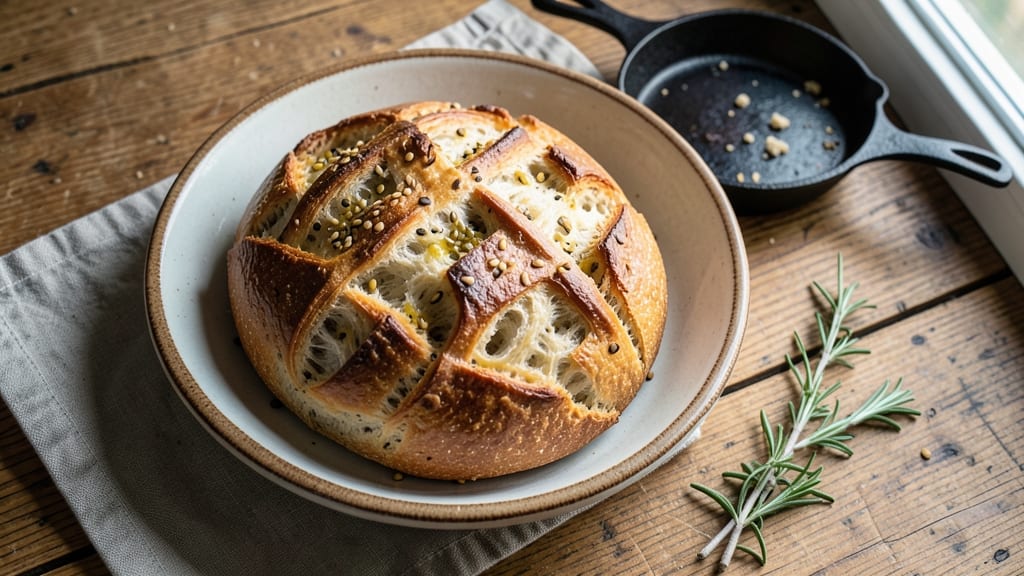
This aran goyoaga gluten free bread delivers the hearty, nutty texture of traditional Basque bread without the gluten—perfect for sandwiches, toast, or serving alongside stews.
The secret lies in a blend of gluten-free flour, almond flour, and seeds that mimic the chewy, dense crumb of classic bread while staying light enough to slice. I’ve tested this recipe dozens of times to ensure it rises properly, develops a crisp crust, and holds together without crumbling.
The dough requires patience but no special equipment—just a stand mixer or strong arm for kneading. We’ll use a combination of xanthan gum and psyllium husk to bind the flour, while sunflower and sesame seeds add crunch and nutritional depth.
Proofing is critical; letting the dough rest at room temperature allows the gluten-free flours to hydrate fully, resulting in a loaf that’s tender yet substantial. The oven temperature must stay steady at 375°F to avoid over-browning while ensuring a fully baked interior.
What you’ll end up with is a golden-brown loaf with a crisp exterior and a moist, slightly sweet crumb infused with nutty flavors.
Unlike many gluten-free breads that turn out dense or gummy, this recipe achieves the ideal texture—chewy enough to hold up to strong cheeses or cured meats, yet soft enough for buttery toast. The seeds add visual appeal and a satisfying bite, making it a showstopper on any table.
This bread keeps well for 3–4 days wrapped in a towel at room temperature, or you can freeze slices for up to a month. It’s equally at home as a side for roasted meats or as the base for open-faced sandwiches.
Let’s bake this loaf that finally delivers on gluten-free bread done right.
Ingredients for aran goyoaga gluten free bread
The heart of this gluten-free loaf lies in its flour blend and nutty seeds for authentic Basque flavor.
| Ingredient | Amount | Notes |
|---|---|---|
| Gluten-Free All-Purpose Flour Blend 🌾 | 2 ½ cups | King Arthur or Bob's Red Mill preferred |
| Almond Flour 🌰 | 1 cup | Blanched, finely ground |
| Sunflower Seeds 🌻 | ½ cup | Raw, unsalted, lightly toasted |
| Sesame Seeds 🌱 | ¼ cup | Toasted until golden |
| Psyllium Husk Powder 🌿 | 1 ½ tbsp | Essential for binding |
| Xanthan Gum 🧪 | ½ tsp | Critical for elasticity |
| Instant Yeast 🍞 | 2 ¼ tsp | Active dry works too |
| Granulated Sugar 🍚 | 1 tbsp | Feeds yeast activation |
| Salt 🧂 | 1 ½ tsp | Diamond Crystal preferred |
| Warm Water 💧 | 1 ½ cups | 110°F for yeast activation |
| Olive Oil 🫒 | ¼ cup | Extra-virgin for richness |
| Honey 🍯 | 1 tbsp | For subtle sweetness |
The gluten-free flour blend is non-negotiable—King Arthur or Bob's Red Mill deliver the best texture. For the seeds, toast them separately until fragrant (5 minutes in a dry pan) to deepen their flavor. Psyllium husk and xanthan gum are your secret weapons here; measure carefully—too much makes the dough gummy, too little means it won't hold together. I buy mine from Whole Foods bulk section to ensure freshness, but any reputable grocery store carries them. The almond flour should be finely ground—if it's chunky, pulse it in a food processor until smooth.
No psyllium husk? Flaxseed meal at double the amount works in a pinch, though texture will differ slightly. Swap sunflower seeds for pumpkin seeds if you prefer, but toast them first—they add a satisfying crunch. The honey can be replaced with maple syrup, though it'll add moisture. For yeast, active dry works fine—just proof it in warm water with sugar for 5 minutes before mixing. The olive oil matters here; extra-virgin adds richness, while regular vegetable oil keeps costs down. If you're sensitive to almonds, substitute with more gluten-free flour and reduce the liquid slightly.
This dough needs 2 hours of proofing at room temperature—don't rush it. Store leftovers in an airtight container with a damp towel to prevent drying. Freezes beautifully for up to 3 months when sliced and wrapped tightly. For extra crunch, sprinkle seeds on top before baking. The loaf keeps best at room temperature, but if you're making it ahead, warm slices in a toaster to restore freshness.
Why You'll Love This Recipe
- No Fuss Mix-In: Mixing this dough is literally stirring and pressing—no kneading, no waiting for gluten to develop. The psyllium husk does all the heavy lifting while you pop the sesame and sunflower seeds on top for that crunchy contrast.
- Nutty Earthy Crunch: That almond flour gives it a subtle sweetness, but the sunflower seeds add a toasty bite when toasted. Honestly, the first slice out of the oven smells like a bakery, and it’s that good.
- Weeknight Sandwich Hero: I keep a loaf in the freezer for lazy mornings—just thaw overnight, toast, and slather with avocado or peanut butter. It’s my go-to for lunchboxes too, since it holds up like a champ.
- Budget-Friendly Staple: Sunflower seeds are cheaper than nuts, and almond flour stretches further than regular flour. Between us, this recipe makes two loaves, so you’re basically feeding a crowd for the price of one.
Step-by-step instructions for aran goyoaga gluten-free bread
This method delivers a perfectly textured, nutty loaf with crispy crust and tender crumb.
Activate the Yeast and Prepare the Wet Ingredients
In a small bowl, whisk together the 1.5 cups warm water (tested at 110°F), 1 tbsp granulated sugar, and 2.25 tsp instant yeast. Let this mixture sit for 5-10 minutes until it becomes frothy at the surface—this confirms the yeast is alive and active. If it doesn't foam, start over with fresh yeast.
In a separate large bowl, combine the 0.25 cup olive oil, 1 tbsp honey, and 1.5 tsp salt. Whisk vigorously until the honey and oil emulsify into a smooth, slightly thickened liquid. This mixture will form the base of your dough, adding moisture and richness that gluten-free baking desperately needs.
Mix the Dry Ingredients and Combine
In the same large bowl, add the 2.5 cups gluten-free all-purpose flour blend, 1 cup almond flour, 0.5 cup sunflower seeds, and 0.25 cup sesame seeds. Stir these dry ingredients together with a wooden spoon until evenly distributed—this ensures consistent texture throughout the loaf.
Gradually pour the yeast mixture into the dry ingredients while stirring continuously. The dough will begin to thicken immediately. Add the 1.5 tbsp psyllium husk powder and 0.5 tsp xanthan gum next, mixing until fully incorporated. These binders are crucial—they replace gluten's structural role, giving your bread its signature chew and elasticity. The dough will be thick but workable, not sticky.
Knead and Rest for Optimal Texture
Using a stand mixer fitted with the dough hook attachment (or by hand with strong arms), knead the dough on low speed for 3-4 minutes until it pulls away from the sides of the bowl and forms a cohesive mass. The psyllium husk will create a slightly gummy texture—this is normal and essential for the bread's structure.
Transfer the dough to a lightly oiled bowl, cover it tightly with plastic wrap, and let it rest at room temperature for 30 minutes. This resting period allows the psyllium husk to fully hydrate and the dough to relax, preventing a dense final texture. After resting, the dough should feel slightly springy when pressed gently with a finger.
Shape and Proof for Rise
Lightly grease a 9x5-inch loaf pan with olive oil. Turn the rested dough onto a clean surface and gently shape it into a rectangular loaf, about 2 inches thick. Press the dough firmly into the prepared pan, smoothing the top with wet fingers to create an even surface. This step is critical—it ensures even baking and prevents a domed top.
Cover the loaf pan with a damp kitchen towel and let it proof at room temperature for 1-1.5 hours, or until the dough has risen noticeably (about 50% more in volume). The rise should be gentle and even—if it bubbles excessively or smells yeasty, it's overproofed. Preheat your oven to 375°F during the final 15 minutes of proofing to ensure it's ready for baking.
Bake to Golden Perfection
Bake the loaf in the preheated oven for 40-45 minutes, until the top is deep golden brown and the internal temperature reaches 205°F when measured with an instant-read thermometer. The bread will smell nutty and toasty—this is your cue that it's fully baked.
For extra crispiness, transfer the loaf to a wire rack and let it cool completely before slicing. The crust should be firm and crackly, while the interior should have a fine, slightly crumbly texture with visible seeds and nuts. Store wrapped in the fridge for up to 5 days or freeze for longer storage—this bread reheats beautifully in a toaster or oven.
Pro Tips For Making Aran Goyoaga Gluten Free Bread
- Mix the Psyllium Last: Psyllium husk powder is your gluten-free glue—add it after combining wet and dry ingredients, then stir like you’re folding in the last bit of stubborn dough. I used to toss it in early and ended up with a gummy mess; waiting until the end guarantees even hydration and a lighter crumb.
- Toast the Seeds First: Skip the raw seeds—toss sunflower and sesame seeds in a dry pan over medium heat for 2–3 minutes until they smell nutty. That extra depth of flavor makes all the difference, and it prevents them from turning bitter or sinking to the bottom of your bread like lazy pebbles.
- Don’t Overmix the Dough: Gluten-free dough behaves like wet sand—once you’ve combined everything, stop stirring the second it comes together. Overworking it turns your aran into a dense brick. Two or three gentle folds with a spatula is all you need; trust the psyllium to hold it.
- Preheat Pan and Oven: A cold pan + lukewarm oven = sad bread. Heat your baking dish (or pan) in the oven for 5 minutes before adding the dough, then crank the oven to 375°F (190°C). This ensures even rising and a crisp bottom—no more flat, gummy centers from dragging your feet.
Flavor customization for this dish
Sweet Variations
Add 1 tbsp cinnamon and ½ cup raisins to the dough for a Basque-inspired sweet loaf. The cinnamon pairs beautifully with the honey, creating a subtle warmth that balances the nutty seeds.
For extra richness, swap 1 tbsp almond flour with 2 tbsp cocoa powder—this transforms the bread into a decadent chocolate-seed loaf perfect for dessert. 🍯
Herb-Infused Twist
Boost the dough with 1 tbsp dried rosemary or 2 tbsp fresh thyme leaves for a fragrant, herbaceous variation. These herbs complement the seeds and add a fresh, earthy note that works well with savory dishes like roasted lamb or grilled vegetables.
I like to sprinkle extra seeds on top before baking for added texture.
Spicy Kick
For a bold flavor profile, mix in ½ tsp smoked paprika and ¼ tsp cayenne pepper with the dry ingredients. The smoky heat enhances the nutty base, creating a bread that pairs perfectly with spicy stews or charcuterie boards.
If you love heat, try adding ½ tsp chipotle powder for a deep, smoky kick.
Seed Swaps
Experiment with different seeds to customize texture and flavor. Replace sunflower seeds with pumpkin seeds (pepitas) for a more robust taste, or use flaxseeds for a nuttier, earthier profile.
For a crunchier bite, add toasted walnuts or pecans—just chop them finely so they distribute evenly. Toasting seeds before mixing amplifies their flavor significantly.
Cheese-Enriched Option
For a savory twist, fold in ½ cup shredded sharp cheddar or feta cheese into the dough. The cheese melts during baking, creating pockets of creamy goodness that contrast beautifully with the crisp crust.
This variation is ideal for sandwiches or as a side with hearty soups. Use low-moisture cheese to avoid making the dough too wet.
Dairy-Free Adaptation
To keep this bread vegan, replace honey with maple syrup and use nutritional yeast (2 tbsp) for a cheesy flavor. Add 1 tbsp apple cider vinegar to the wet ingredients to enhance rise and balance flavors.
The seeds and almond flour provide enough richness, so no dairy substitutes are needed—just ensure all ingredients are certified vegan. ✨
Nutrition facts
Frequently asked questions
Why does this gluten-free bread need psyllium husk?
Psyllium husk acts as a natural binder that replaces gluten's structural role in traditional bread. It creates elasticity and chewiness, preventing the loaf from crumbling. Without it, the bread would be too dense or fragile. Think of it as the secret ingredient that makes gluten-free baking behave like wheat flour dough!
Can I make this bread without almond flour?
Yes! Replace the 1 cup almond flour with an extra 1 cup gluten-free all-purpose flour blend and reduce the olive oil by 1 tablespoon to maintain moisture balance. The texture will be slightly less rich but still delicious. For extra flavor, add 1 teaspoon cinnamon or 1 teaspoon vanilla extract to compensate.
How do I fix a dough that's too sticky?
If your dough feels too wet, gradually add 1 tablespoon of gluten-free flour blend at a time until it becomes workable. The psyllium husk absorbs moisture over time, so if you've already rested the dough, let it sit uncovered for 10-15 minutes to dry out slightly. Never add more than 3 tablespoons extra flour—this can make the bread tough.
Why did my bread turn out dense instead of light? Dense gluten-free bread usually results from underproofing or insufficient binders.
Can I use this bread for sandwiches?
This gluten-free loaf holds up beautifully for sandwiches. For extra sturdiness, lightly toast slices before assembling. The nutty seeds add great texture contrast to fillings like smoked salmon or avocado. If you're making open-faced sandwiches, the crisp crust stays intact even when topped with heavy ingredients.