
Side Dishes
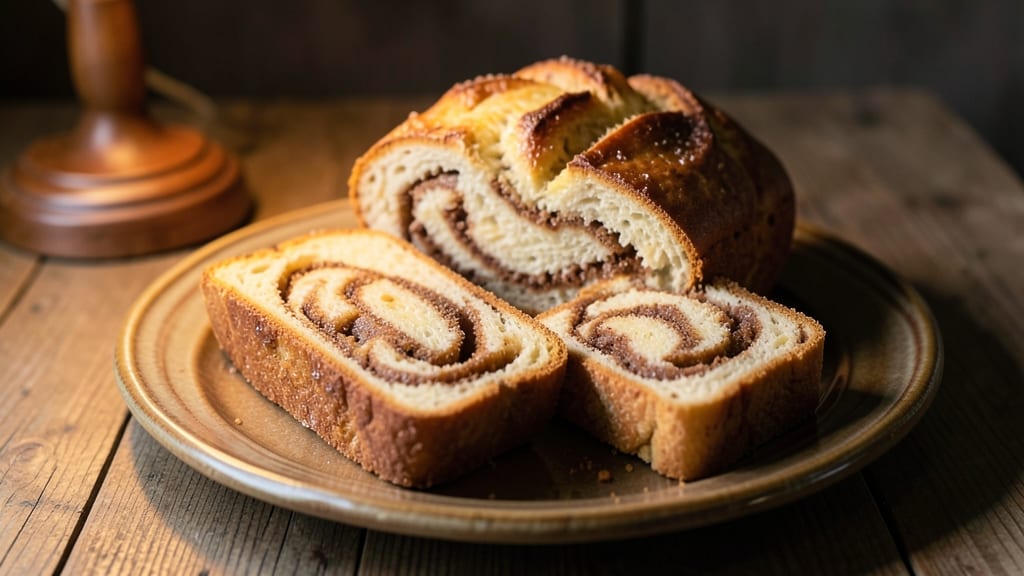
This apple cider yeast bread recipe transforms a simple loaf into a fragrant, spiced masterpiece with every bite. 🌟 The warm aroma of apple cider and cinnamon swirls through your kitchen as the dough rises, promising a bread that’s both comforting and impressive.
Perfect for fall gatherings or cozy weeknight dinners, this recipe balances traditional yeast bread techniques with the rich, caramelized notes of apple cider—a flavor that elevates ordinary bread into something extraordinary.
The secret lies in the dough’s slow fermentation, which develops deep, complex flavors, while the cinnamon-sugar swirl adds a touch of sweetness that pairs beautifully with the bread’s slightly tangy crust.
You’ll start with a simple yeast activation, then mix, knead, and proof the dough to achieve that light, airy texture we all love. The real magic happens in the oven, where the bread bakes to a golden brown, its crust crisp yet yielding to the tender crumb inside.
What sets this recipe apart is how the apple cider’s natural sweetness and acidity infuse the dough, creating a bread that’s subtly spiced and just sweet enough to satisfy.
The result is a loaf that’s ideal for sandwiches, toast, or serving alongside soups and stews—its flavor profile makes it a standout centerpiece. Whether you’re baking for a holiday feast or a quiet evening at home, this bread delivers restaurant-quality results with minimal effort.
Ready in about 2 hours (including rising time), this recipe is designed for home bakers of all levels. The step-by-step instructions ensure you’ll achieve a perfectly risen loaf with a crackly crust and a soft, pillowy interior.
For added depth, consider swirling in chopped nuts or a sprinkle of sea salt before baking—small touches that make this bread unforgettable.
Ingredients for apple cider yeast bread
Four cups flour, a splash of cider, and cinnamon swirls make this bread unforgettable.
| Ingredient | Amount | Notes |
|---|---|---|
| Active Dry Yeast 🍞 | 2 ¼ tsp | 1 packet or 7g |
| Unbleached All-Purpose Flour 🌾 | 4 cups | Plus 2 tbsp for dusting |
| Granulated Sugar 🍚 | ¼ cup | For yeast activation |
| Unsalted Butter 🧈 | ½ cup | Cold, cubed for dough |
| Apple Cider 🍎 | ½ cup | Unfiltered for best flavor |
| Large Egg 🥚 | 1 whole | Room temperature |
| Whole Milk 🥛 | ½ cup | Warmed to room temp |
| Ground Cinnamon 🌿 | 1 tbsp | For swirl and dough |
| Kosher Salt 🧂 | 1 ½ tsp | Diamond Crystal preferred |
| Granulated Sugar 🍚 | ¼ cup | For cinnamon swirl |
| Light Brown Sugar 🍚 | ¼ cup | Packed for swirl |
| Coarse Sea Salt 🧂 | 1 tsp | For sprinkling crust |
The apple cider is the soul of this bread—unfiltered, high-quality stuff makes all the difference. Local orchard cider or even the good store-bought brands like Mott's work perfectly. If you can't find unfiltered, regular cider still gives great flavor, but skip the spiced versions—they're too sweet. The yeast needs to be fresh, so check the date on that packet. If it's been sitting in your pantry for months, toss it. For the flour, King Arthur or Bob's Red Mill are my go-tos—they're consistent and bake beautifully. And the butter? Cold cubes create the best flaky layers, so don't let it soften before mixing.
No apple cider? Substitute with warm apple juice—it won't have the same depth, but it'll work in a pinch. Running out of brown sugar? White sugar plus a pinch of molasses mimics the flavor. The cinnamon swirl can be adjusted—more sugar if you like it sweeter, less if you prefer subtle spice. For a nutty twist, fold in 1/4 cup chopped walnuts to the swirl. And if you're gluten-sensitive, you can swap 1 cup of the all-purpose flour for a gluten-free 1:1 blend, though the texture will differ slightly. The milk can be any kind—whole, 2%, or even oat milk for a dairy-free version, but room temperature is key.
This dough needs time to rise—at least 1 hour, but 2 is better. Cover it loosely with a towel and let it sit in a warm spot. The swirl keeps best for 3 days at room temperature, wrapped tightly in plastic. For longer storage, freeze the loaf unwrapped for 1 hour, then wrap in foil—keeps for up to 3 months. To reheat, wrap in a towel and warm in a 200°F oven for 10 minutes. Trust me, the first slice out of the oven is worth the wait.
Why You'll Love This Recipe
- No-Knead Nightmare Solved: I swear by this dough—just mix, let it rise, and forget it. The yeast and warm cider do all the work while you sip your coffee, no stand mixer or fancy techniques required.
- Cider Kiss Magic: That first bite? The buttery crust gives way to a soft interior with a subtle apple tang—like autumn in your mouth. Honestly, the cider’s sweetness balances the yeasty richness perfectly, no extra sugar needed.
- Breakfast to Picnic Hero: Slice it warm with butter for a lazy morning, pack it for lunch, or serve it at a harvest dinner. The bread’s sturdy enough for sandwiches but special enough for guests—my go-to for any day.
- Budget-Friendly Staple: Flour, butter, and cider? Pantry basics that won’t break the bank. A single batch feeds my family for days, and the leftovers toast just as well the third day as the first.
Step-by-step instructions for apple cider yeast bread
Here's how to make this aromatic loaf with crispy crust and gooey cinnamon swirls.
👨🍳 Step 1: Activate the Yeast with Warm Apple Cider
In a small bowl, combine the 2.25 tsp active dry yeast, 0.25 cup granulated sugar (for yeast activation), and 0.5 cup apple cider warmed to 110°F. Stir gently and let sit for 5-10 minutes until frothy. You'll see tiny bubbles forming—this means your yeast is alive and ready to work.
I like to check the cider temperature with a candy thermometer. If it's too hot, you'll kill the yeast; if too cold, it won't activate. The frothy foam should look like a beer head, indicating the yeast is active and ready to transform your dough.
🍳 Step 2: Mix the Dough and Knead Until Smooth
In a large bowl, whisk together 4 cups unbleached all-purpose flour, 1.5 tsp kosher salt, and 1 tbsp ground cinnamon. Make a well in the center and pour in the yeast mixture, 1 whole large egg, 0.5 cup whole milk, and 0.5 cup cold cubed unsalted butter.
Mix with a wooden spoon until a shaggy dough forms, then turn it out onto a lightly floured surface. Knead for 8-10 minutes until smooth and elastic. You'll know it's ready when it springs back slowly when poked. If it's sticky, add flour 1 tbsp at a time—but don't overdo it or your bread will be dense.
🥘 Step 3: Prepare the Cinnamon Swirl and Shape the Loaf
In a small bowl, mix 0.25 cup granulated sugar, 0.25 cup packed light brown sugar, and 1 tbsp ground cinnamon for the swirl. Roll out the dough into a 12x16-inch rectangle about ¼-inch thick on a floured surface.
Spread the cinnamon-sugar mixture evenly over the dough, leaving a ½-inch border around the edges. Starting from the long side, roll up tightly like a jelly roll. Pinch the seam to seal. This creates those beautiful swirls when sliced—real talk, this is the fun part!
🔥 Step 4: Let It Rise and Shape for Maximum Flavor
Place the rolled dough seam-side down in a greased 9x5-inch loaf pan. Cover with a damp kitchen towel and let rise in a warm place for 1-1.5 hours until doubled in size. You'll see it puff up and the swirls become more pronounced—this is when the magic happens.
After the first rise, gently press down on the dough to release any air bubbles. This helps create a uniform rise. Sprinkle the top with 1 tsp coarse sea salt for that signature crusty finish. The salt will caramelize during baking, giving you that perfect crunch.
🔥 Step 5: Bake to Golden Perfection
Preheat your oven to 375°F. Bake the loaf for 35-40 minutes until golden brown and the internal temperature reaches 190°F. Tap the bottom—it should sound hollow. If the top browns too quickly, tent with foil.
Here's the thing—don't open the oven early. The steam inside helps create that tender crumb. When it's done, let it cool in the pan for 10 minutes, then transfer to a wire rack. The bread will be too soft to slice right away, but patience pays off with clean cuts and maximum flavor.
Pro Tips For Making Apple Cider Yeast Bread
- Bloom the Yeast First: Skip mixing yeast directly into flour—it’s like starting a car without gas. Instead, dissolve it in warm apple cider (110°F) with a pinch of sugar first, then let it foam for 5-10 minutes. This guarantees it’s active before you commit to the dough, especially since cider’s acidity can be tricky.
- Measure Cider by Weight: Liquid measurements are guesswork. Weigh your apple cider (1 cup = ~240g) to avoid a dough that’s too wet or dry. I learned this the hard way—once I swapped cups for a splashy estimate and ended up with a sticky mess that wouldn’t rise properly.
- Knead Until Windowpane: Stop guessing if it’s done. Stretch a small dough piece—if it’s smooth and translucent (like a window), you’re golden. Over-kneading is easy, but under-kneading means a dense loaf. Aim for 8-10 minutes by hand or 5-6 in a mixer.
- Use Cold Butter: Cut that unsalted butter into tiny cubes and toss it into the dry flour first. When the dough comes together, the cold butter creates flaky layers instead of melting into a greasy blob. Yes, it’s an extra step, but the texture makes a real difference.
Serving suggestions for leftovers
Toasted Perfection
Warm slices make all the difference—pop your bread in a 375°F oven for 5-7 minutes until golden and crisp. I love toasting it with a sprinkle of cinnamon sugar for extra coziness. For even more flavor, brush with melted butter and a pinch of salt right after toasting. 🔥
Breakfast Pairings
This bread shines with classic morning combos. Try it with creamy ricotta and honey, or stack it with scrambled eggs and crispy bacon. For a sweet twist, spread with almond butter and sliced bananas. The apple cider notes complement these flavors beautifully, creating a breakfast that feels special.
Soup Companions
Pair your loaf with hearty soups like butternut squash or creamy potato leek. The bread's sweetness balances rich broths perfectly. I also love serving it with tomato basil soup—the cinnamon swirl adds warmth that cuts through the acidity.
For a fall favorite, try it with apple cider soup for a double apple cider experience!
Sandwich Potential
This bread holds up beautifully for sandwiches. Try it with turkey and cranberry, ham and Swiss, or a grilled cheese with sharp cheddar. The crust stays sturdy enough to hold fillings without getting soggy.
For a sweet sandwich, layer with peanut butter, sliced apples, and a drizzle of honey—trust me, it's a game-changer. 🌟
Dessert Twist
Save some slices for after-dinner treats! Dip in chocolate sauce or caramel, or make mini French toast with it. The cinnamon swirl adds natural sweetness that pairs perfectly with fruit compotes or whipped cream. For a fun dessert, cut into triangles and serve with vanilla ice cream.
Gift-Worthy Presentation
Wrap cooled loaves in parchment paper and tie with twine for a beautiful gift. The aroma alone makes it irresistible! I often package slices with local honey or spiced jam for a complete gift basket.
The rustic look of this bread makes it perfect for holiday gatherings or housewarming presents. 💛
Nutrition facts
Frequently asked questions
Can I substitute apple cider with apple juice?
Yes, you can use apple juice in a pinch, but the flavor won't be as rich. Apple cider's natural sweetness and slight tang create depth that apple juice lacks. For best results, use unfiltered cider—it has more flavor complexity. If you must use juice, choose a high-quality, unsweetened variety.
Why did my dough not rise properly?
Common causes include old yeast, cold ingredients, or a drafty environment. First, check your yeast—it should activate within 5-10 minutes in warm liquid. Keep your dough in a warm spot (like a turned-off oven with a light on) and avoid direct drafts. Also, ensure your butter is cold and milk is room temperature.
How do I store leftovers?
Wrap cooled slices tightly in plastic wrap or store in an airtight container. It stays fresh for 3 days at room temperature. For longer storage, freeze the whole loaf (unwrapped for 1 hour first) and wrap in foil—it keeps for up to 3 months. Reheat slices in a 375°F oven for 5 minutes to restore crispness.
Can I make this bread without a loaf pan?
Shape the rolled dough into a free-form loaf on a parchment-lined baking sheet. For extra crust, brush with melted butter before baking. Bake at 375°F for 30-35 minutes, checking for golden brown color. The texture will be slightly denser than pan bread but still delicious!
What's the best way to enhance the cinnamon flavor?
Add ½ tsp ground cardamom or ¼ tsp nutmeg to the cinnamon-sugar swirl for warmth. For extra richness, sprinkle the top with toasted pecans or walnuts before baking. The nuts add crunch and complement the apple cider's sweetness perfectly.