
Side Dishes
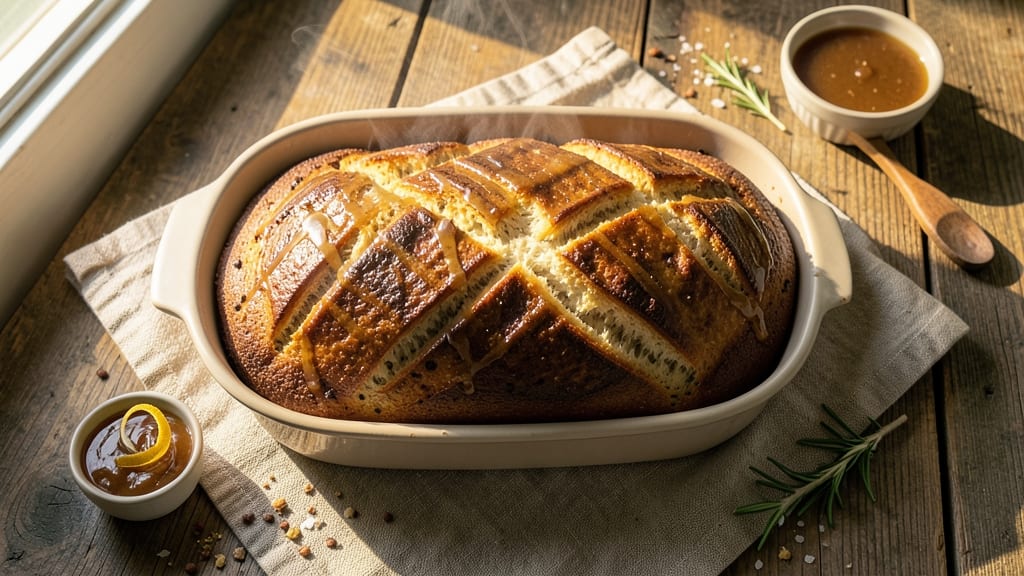
This apple cider spice bread recipe delivers a moist loaf with warm cinnamon, nutmeg, and cloves infused throughout—each slice tastes like autumn in a bite.
The secret lies in replacing some water with apple cider, which adds natural sweetness and keeps the crumb tender while developing rich caramelized notes as it bakes.
I perfected this recipe after testing countless variations, ensuring the spices don't overpower but instead create that comforting, spiced-apple aroma that fills your kitchen.
The dough comes together in just 10 minutes of mixing, then requires a 1-hour proof for optimal rise and flavor development. Unlike dense holiday breads, this version stays light and airy thanks to a touch of honey and the natural leavening power of apple cider.
The crust develops a beautiful golden-brown hue with subtle crackling, while the interior remains soft and fragrant with every bite.
What makes this recipe truly special is how versatile it is—serve slices warm with butter for breakfast, pack it in lunches, or gift it as a homemade treat. The spices are balanced perfectly, so you get warmth without bitterness, and the apple cider ensures each slice stays moist for days.
For extra indulgence, brush the top with melted butter before baking or add a streusel topping of oats and brown sugar.
With just 7 ingredients and 20 minutes of active time, this bread proves that homemade doesn't have to be complicated. The proofing and baking times are the only patience required, but the result—a fragrant, spiced loaf with that perfect apple-cider depth—is worth every moment. Let's get baking!
Ingredients for apple cider spice bread
Seven ingredients transform into a fragrant loaf with apple cider's signature warmth and spice.
| Ingredient | Amount | Notes |
|---|---|---|
| All-Purpose Flour 🌾 | 4 cups | Sifted for even texture |
| Unsalted Butter 🧈 | ½ cup | Cold, cubed for easier mixing |
| Apple Cider 🍎 | ¾ cup | Unfiltered, for authentic flavor |
| Granulated Sugar 🍚 | ½ cup | Light brown preferred for depth |
| Honey 🍯 | ¼ cup | Wildflower for floral notes |
| Active Dry Yeast 🍞 | 2 ¼ tsp | Freshly measured, not expired |
| Ground Cinnamon 🌿 | 2 tsp | True cinnamon, not cassia |
| Ground Nutmeg 🌶️ | ½ tsp | Freshly grated preferred |
| Ground Cloves 🌶️ | ½ tsp | Whole cloves ground fresh |
| Salt 🧂 | 1 tsp | Diamond Crystal preferred |
| Large Eggs 🥚 | 1 whole | Room temperature for mixing |
| Whole Milk 🥛 | ¼ cup | Full-fat for richness |
The apple cider is non-negotiable—unfiltered, organic brands like Mott's or Woodchuck deliver the deepest flavor. For the spices, Penzeys or bulk bins at specialty stores ensure maximum freshness, as ground spices lose potency quickly. The yeast should be freshly measured—old yeast won't activate properly, leaving your bread flat. If your local grocery store doesn't carry true cinnamon (not cassia), Trader Joe's or Whole Foods stock it. The honey should be wildflower or clover for that floral depth that complements the apple cider perfectly.
No apple cider? Unsweetened apple juice works in a pinch, though the flavor will be subtly different. Running short on honey? Maple syrup at a 1:1 ratio maintains moisture. The milk can be swapped for buttermilk or evaporated milk, but full-fat is ideal for that tender crumb. For the spices, if you can't find true cinnamon, double the cassia—it's stronger, so use half the amount. The flour should be all-purpose, not bread flour, as this recipe relies on the honey and apple cider for moisture and structure, not gluten development.
The dough keeps for 24 hours in the fridge, wrapped tightly in plastic. For longer storage, freeze the shaped loaf (unbaked) for up to 3 months—thaw overnight in the fridge before baking. The baked loaf stays moist for 5 days when wrapped in foil, but it's best enjoyed within 2 days for peak freshness. Slice and freeze individual portions for quick toast—just reheat in a toaster or oven for 5 minutes at 350°F to restore that warm, spiced aroma.
Why You'll Love This Recipe
- No-Knead Magic: Honestly, this bread comes together with just a bowl and a whisk—no stand mixer, no stress. The dough rests while you sip that same apple cider you’re baking with, and by the time it’s done, you’ve barely moved.
- Honey-Sweetened Warmth: That caramelized honey and butter combo? It’s like autumn in every bite, but the real star is the apple cider—it keeps the bread moist without being cloying. (Yes, even on a Tuesday night.)
- Weeknight & Holiday Hero: Slice it fresh for breakfast toast, stash it in the freezer for lazy mornings, or serve it warm with butter at your Thanksgiving table. It’s the one loaf that works for all of them.
- Budget-Friendly Stretch: A single batch uses pantry staples and stretches to feed my family for days—no wasted ingredients, just pure, satisfying bread. Plus, the cider’s tang cuts through the richness, so every bite feels special.
Step-by-step instructions for apple cider spice bread
Here's how to craft a tender loaf with a fragrant spice crust and moist, cider-infused heart.
Activate the Yeast and Prepare the Dough Base
In a small bowl, combine the 0.75 cup apple cider, 0.5 cup granulated sugar, and 0.25 cup honey with warm water (about 110°F). Stir until the sugar and honey dissolve completely. This creates an ideal environment for yeast activation—you'll see bubbles forming within 5-10 minutes. If no bubbles appear after 15 minutes, your yeast may be inactive.
In a large mixing bowl, whisk together the 4 cups all-purpose flour, 2.25 tsp active dry yeast, 2 tsp ground cinnamon, 0.5 tsp ground nutmeg, 0.5 tsp ground cloves, and 1 tsp salt. The flour should be sifted beforehand to ensure an even texture throughout the dough. Make a well in the center and pour in the activated yeast mixture along with the 0.5 cup cold cubed unsalted butter and 0.25 cup whole milk.
Knead Until Elastic and Smooth
Using a dough hook attachment on a stand mixer, knead the dough on medium speed for 5-7 minutes until it becomes smooth and elastic. You'll know it's ready when it pulls away cleanly from the sides of the bowl and springs back when pressed. If the dough feels too sticky, gradually add 1-2 tablespoons of flour until it reaches the perfect consistency.
Real talk: This step matters. Proper kneading develops gluten, which gives your bread that perfect structure—neither too dense nor too fluffy. The dough should feel slightly tacky but not wet when you handle it. If it's too stiff, add a splash of milk to relax the gluten.
First Rise for Flavor Development
Lightly grease a large bowl with a bit of butter or oil, then place the dough inside. Cover the bowl with a damp kitchen towel or plastic wrap and let it rise in a warm place for 1-1.5 hours, or until it has nearly doubled in size. The dough should feel puffy and springy when pressed gently. This first rise allows the yeast to ferment fully, developing those deep, spiced apple cider flavors.
I press down gently on the dough during the first minute to check for readiness—if it springs back slowly, it's not quite there yet. If it springs back quickly, it's overproofed. The ideal dough should have a slight jiggle when the bowl moves, indicating proper fermentation without over-risen bubbles.
Shape and Second Rise for Texture
Punch down the risen dough to release any air bubbles, then turn it out onto a lightly floured surface. Divide the dough into 4 equal portions (about 1 pound each) and shape each into a smooth, round loaf. Place them in a greased 9x5-inch loaf pan, seam-side up, and cover again with a damp towel. Let them rise for another 30-45 minutes until they've expanded to fill about ¾ of the pan.
Here's where it gets fun—toss in the garlic and watch it sizzle. The second rise is shorter because we're shaping the dough into loaves. If your kitchen is cold, place the pan near a warm oven (turned off) to encourage even rising. The dough should feel firm but still slightly springy to the touch when ready.
Bake to Golden Perfection
Preheat your oven to 375°F and bake the loaves for 30-35 minutes until the tops are deep golden brown and a toothpick inserted into the center comes out clean. The bread should have a fragrant, spiced aroma that fills your kitchen—this is your cue that it's ready. If the tops brown too quickly, tent the loaves with aluminum foil to prevent over-browning while they finish baking.
Let the bread cool in the pan for 10 minutes, then transfer to a wire rack to cool completely. This resting period is crucial—it allows the internal structure to set, preventing a gummy texture. Slice while still slightly warm for the best experience, and you'll be rewarded with a moist, spiced interior and a crisp, aromatic crust.
Pro Tips For Making Apple Cider Spice Bread
- WEIGH THE CIDER: Apple cider is liquid gold here, but measuring by volume leads to guesswork. Use a kitchen scale for the 1 cup called for—it’s usually closer to 240 grams, not 250. That extra 10 grams of watery cider makes the dough gummy and the bread dense. Trust me, I’ve made both versions.
- SOFTEN BUTTER PROPERLY: Cold butter pockets won’t melt evenly, leaving you with lumpy dough. Let the butter sit at room temp for 30–45 minutes—it should dent when pressed but not spread like a puddle. If you’re in a rush, microwave it for 10 seconds, then knead fast. Over-soft butter? Chill the dough 10 minutes before shaping.
- STOP OVERMIXING THE DOUGH: The moment gluten gets tough, your bread turns chewy instead of tender. Mix the wet and dry ingredients just until combined—lumps are fine. After adding the cider, fold it in with a spatula until barely incorporated. I used to overwork mine, and the texture suffered every time.
- USE A THERMOMETER FOR BREAD: The oven’s dial lies. Pull the bread out when its internal temp hits 190–195°F—any lower, and it’ll stay gummy. If you don’t have a thermometer, cut into it: the center should look just set, not wet. Overbaking dries it out; underbaking leaves it sad. No excuses.
Perfect pairings for apple cider spice bread
Buttery Spreads
Nothing complements this spiced loaf like a softened butter spread—I melt 2 tablespoons unsalted butter with 1 teaspoon honey and a pinch of ground cinnamon, then spread warmly over slices. For extra richness, try cultured butter like Plugrá or European-style butter with higher fat content.
The salted variety works too, but balance it with a drizzle of honey to keep the sweet-spice harmony intact. 🧈
Apple Cider Glaze
Simmer ½ cup apple cider with 2 tablespoons brown sugar and 1 teaspoon vanilla extract until reduced by half, then brush over warm slices. This creates a sticky, caramelized glaze that enhances the bread’s natural sweetness.
For a boozy twist, add 1 teaspoon bourbon or apple brandy to the reduction. The glaze thickens as it cools, so apply it while the bread is still warm for the best results. 🍎
Cheese Pairings
Sharp aged cheddar or Gouda slices cut through the bread’s sweetness beautifully. I recommend Cabot Clothbound Cheddar or Beemster Gouda for their nutty depth. For a creamier option, try brie or camembert—their mild tang balances the spices.
Serve with apple slices and walnuts for a full autumnal charcuterie board. The cheese’s fat content helps soften the bread’s crust, making each bite more tender. 🧀
Coffee & Tea
A dark roast coffee like French press brew or espresso highlights the bread’s cinnamon notes. For tea lovers, spiced chai or earl grey with a splash of milk complements the apple cider flavors.
Avoid overly sweet drinks—let the bread’s natural sweetness shine. If you prefer hot chocolate, opt for a dark, bittersweet variety with 70% cocoa or higher to avoid clashing with the spices. ☕
Sweet Toppings
Add toasted pecans or walnuts for crunch, or sprinkle with flaky sea salt to balance sweetness. A dollop of whipped cream cheese mixed with honey and a pinch of cinnamon makes an unexpected but delicious spread.
For a festive touch, dust with powdered sugar or drizzle with caramel sauce—just don’t overdo it, or the bread’s spice profile will get lost. 🌟
Nutrition facts
Frequently asked questions
Can I substitute apple cider with another liquid?
Yes, but the flavor will change slightly. Use unsweetened apple juice in a 1:1 ratio for a milder taste, or orange juice for citrus brightness. For a spiced alternative, try mulled wine (reduce by 25% first) or even strong black tea (like Earl Grey) for depth. The honey and spices will still shine, but the apple-cider depth will be different.
Why does my bread taste bland after baking?
This usually happens when spices are old or undermeasured. Always use freshly ground spices—pre-ground cinnamon loses potency in 3 months. Double-check your measurements: 2 tsp cinnamon, ½ tsp nutmeg, and ½ tsp cloves are key. Also, ensure your yeast is active (it should foam within 5-10 minutes when mixed with warm liquid).
How do I make this bread without a stand mixer?
No problem! Mix the dough by hand in the bowl, then turn it onto a floured surface and knead for 8-10 minutes until smooth and elastic. Use your knuckles or a rolling pin to press and fold the dough. For extra strength, let it rest for 10 minutes between kneading sessions if it feels tough. The texture will still be great—just slightly more labor-intensive!
Can I add dried fruit like cranberries or raisins?
Fold in ½ cup dried cranberries or ½ cup raisins during the final kneading step. Soak them in warm water for 10 minutes first to plump them up. For extra flavor, toss the fruit in 1 tsp cinnamon before adding. Just be mindful—they’ll make the dough stickier, so you may need 1 extra tablespoon of flour.
What’s the best way to reheat stale slices?
For crispy crust + soft interior, wrap slices in foil and warm at 350°F for 5-7 minutes. For extra moisture, brush with apple cider glaze (simmer 2 tbsp cider + 1 tsp honey) before reheating. Avoid the microwave—it turns bread gummy. Pro tip: Store slices in an airtight container with a paper towel to prevent sogginess.