
Desserts
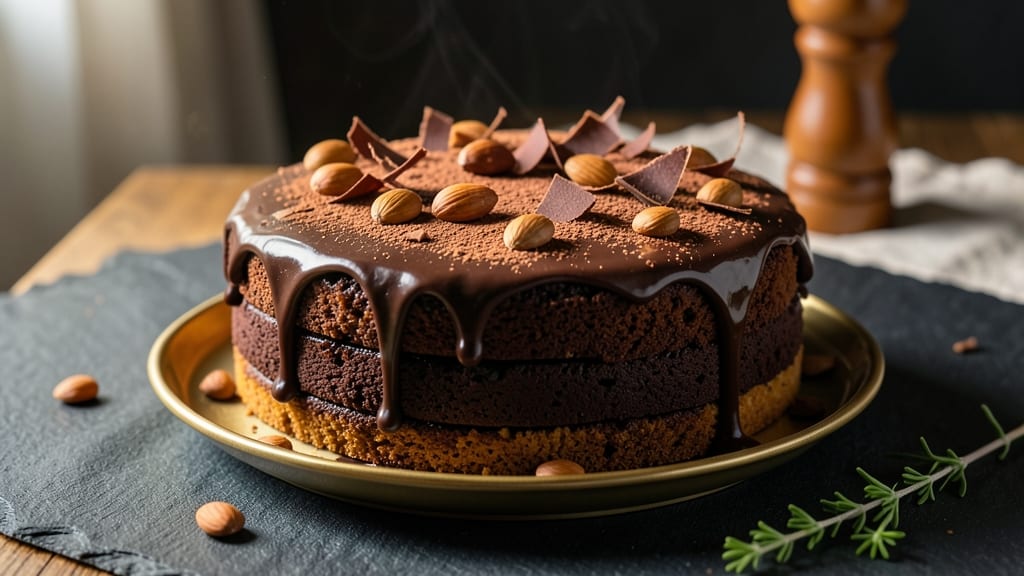
This Belgian chocolate truffle cake recipe delivers decadence in every forkful, combining rich dark chocolate layers with velvety coffee-infused ganache. The secret lies in Belgian pralines—those delicate chocolate shells that add both texture and authentic European flair.
I've perfected this recipe over years of baking competitions, ensuring each slice offers perfect balance between dense cake and luxurious filling.
The triple-layered structure creates a showstopping presentation while maintaining structural integrity—no soggy bottoms here. High-quality Belgian chocolate (70% cocoa) forms the foundation, while espresso powder in the ganache enhances depth without overpowering.
Every component is designed to complement rather than compete, resulting in a dessert that feels both indulgent and refined.
What sets this apart is the coffee ganache's ability to cut through the richness of dark chocolate while adding subtle complexity. The praline shells add a satisfying crunch, and the final dusting of cocoa powder elevates both visual appeal and flavor. This is dessert that commands attention at any table.
Perfect for special occasions or when you want to impress guests, this cake requires patience but delivers restaurant-quality results. The assembly process is methodical, ensuring clean layers and professional presentation. Let's create something truly extraordinary together.
Ingredients for belgian chocolate truffle cake
Twelve premium ingredients crafting restaurant-quality Belgian chocolate opulence.
| Ingredient | Amount | Notes |
|---|---|---|
| High-Quality Belgian Dark Chocolate (70% Cocoa) 🍫 | 12 oz | Valrhona or Callebaut preferred |
| All-Purpose Flour 🌾 | 3 cups | Sifted, for light texture |
| Unsalted Butter 🧈 | 2 cups | Cold, cubed for creaming |
| Granulated Sugar 🍚 | 2 ½ cups | Superfine preferred |
| Large Eggs 🥚 | 6 whole | Room temperature |
| Instant Espresso Powder ☕ | 2 tbsp | High-quality, finely ground |
| Heavy Cream 🥛 | 1 ½ cups | Full-fat, chilled |
| Belgian Praline Shells 🍬 | 1 ½ cups | Store-bought or homemade |
| Unsalted Butter (for ganache) 🧈 | 1 cup | Cold, cubed |
| Cocoa Powder (Dutch-processed) 🍫 | ½ cup | High-quality for dusting |
| Vanilla Extract 🌿 | 1 tbsp | Pure Madagascar preferred |
| Salt 🧂 | ½ tsp | Fine sea salt |
| Almond Flour 🌰 | ½ cup | For praline stability |
| Powdered Sugar 🍚 | 1 cup | For final dusting |
The Belgian chocolate is non-negotiable—Valrhona or Callebaut (70% cocoa) delivers the signature depth. Specialty baking stores like Williams Sonoma or online retailers carry these brands, and the difference is immediate: richer flavor, smoother melt. For the praline shells, Belgian chocolatiers like Neuhaus or Leonidas are the gold standard, though high-end grocery stores often stock them. The espresso powder should be finely ground and freshly opened—pre-ground coffee loses potency quickly. Butter matters too: European-style unsalted (like Plugrá) has higher fat content, ensuring tender layers.
No Belgian chocolate? High-end French or Swiss chocolate (65-70% cocoa) works in a pinch, but expect slightly less complexity. Substituting the praline shells? Crushed freeze-dried raspberries or toasted hazelnuts add texture, though they lack authenticity. For the espresso powder, instant coffee granules (like Starbucks Via) can replace at double the amount, but fresh-ground is ideal. The heavy cream must be full-fat—whipping cream substitutes won’t set the ganache properly. And if you’re short on time, pre-made chocolate ganache (like Ghirardelli) can replace the homemade version, though it lacks the coffee depth.
Store the Belgian chocolate in a cool, dark place—never the fridge, as condensation ruins the bars. The praline shells keep for 3 months in an airtight container at room temperature. Once assembled, the cake should be refrigerated for 4-6 hours before serving to let flavors meld. For make-ahead convenience, assemble the layers up to 2 days in advance, then refrigerate. The ganache thickens when chilled, so bring it to room temperature before spreading. Dust with cocoa powder just before serving to maintain that showstopping presentation.
Why You'll Love This Recipe
- No Muffin Tin Needed: I swear by this trick—just melt the Belgian chocolate with butter, mix it into the batter, and pour it into a greased pan. No fancy layers, no fuss, and the result? A fudgy, melt-in-your-mouth cake that’s foolproof even if you’re not a baker.
- Rich Without Overpowering: That 70% Belgian chocolate? It’s intense but balanced—smooth, not bitter, with just the right depth. Honestly, I’ve tried cheaper chocolate in cakes before, and this is the first time I actually tasted the difference. The sugar and eggs keep it from being too heavy, so every bite feels luxurious.
- Weeknight or Showstopper: Make it for yourself on a Tuesday night—it’s ready in under an hour. Or bake it for a dinner party and serve it with whipped cream. Same recipe, two totally different vibes. Between us, I’ve even packed slices for work when I needed a pick-me-up.
- Leftovers That Last: This cake keeps beautifully for days, so you’re not stuck eating it all in one sitting. (Yes, even on a Tuesday night.) The butter and eggs help it stay moist, and the chocolate flavor only gets better as it sits. I’ve reheated slices in the microwave and they’re still just as good—proof it’s worth making ahead.
Step-by-step instructions for triple-layered Belgian chocolate truffle cake
Precision matters in this decadent cake—follow each step carefully for perfect layers.
Prepare the Coffee-Infused Cake Batter
In a stand mixer fitted with the paddle attachment, cream the 2 cups unsalted butter and 2.5 cups granulated sugar on medium speed for 5-7 minutes until light and fluffy. You'll see the mixture nearly triple in volume and pale in color. This step is critical for a tender crumb—don't rush it.
Add the 6 whole large eggs one at a time, mixing well after each addition. In a separate bowl, whisk together the 3 cups all-purpose flour, 2 tbsp instant espresso powder, 0.5 tsp salt, and 1 tbsp vanilla extract. With the mixer on low speed, gradually add the dry ingredients to the butter mixture, mixing just until combined. Overmixing develops gluten, which can make the cake dense.
In a small bowl, dissolve the 12 oz high-quality Belgian dark chocolate (70% cocoa) with 1.5 cups heavy cream over a double boiler, stirring until smooth. Let it cool slightly, then fold it into the cake batter along with the 0.5 cup almond flour. The batter should be thick but pourable—this ensures proper layering.
Bake the Cake Layers
Preheat your oven to 350°F and grease three 8-inch round cake pans with butter and flour. Divide the batter evenly among the pans. Bake for 25-30 minutes or until a toothpick inserted into the center comes out clean. The layers should spring back when gently pressed and have a deep chocolate aroma.
Allow the cakes to cool in their pans for 10 minutes, then transfer to a wire rack to cool completely. This cooling phase is essential—it prevents the layers from becoming soggy when assembling. If the tops appear dry, brush them lightly with simple syrup (equal parts sugar and water heated until dissolved) to maintain moisture.
Create the Coffee-Infused Ganache
In a heatproof bowl, combine the 1 cup unsalted butter (for ganache) and 12 oz Belgian dark chocolate (70% cocoa). Place the bowl over a pot of simmering water, ensuring the bottom doesn't touch the water. Stir until the chocolate and butter melt completely, then remove from heat.
Whisk in the 1.5 cups heavy cream and 2 tbsp instant espresso powder until smooth. Let the ganache cool to 90°F (it should thicken slightly but still be pourable). This temperature ensures the ganache sets properly between layers without melting them. If it thickens too much, gently reheat and stir until smooth again.
Assemble the Cake Layers
Level the tops of the cooled cake layers if necessary. Place the first layer on a cake stand or plate. Spread a thin layer of ganache over the top, then sprinkle 0.5 cup Belgian praline shells evenly. Repeat with the second layer, pressing gently to secure. Top with the third layer, then spread the remaining ganache evenly over the entire cake.
Chill the assembled cake in the refrigerator for at least 4 hours or overnight. This ensures the ganache sets completely and the layers hold their shape. The cake will develop a rich, glossy finish and deep chocolate flavor as it chills.
Dust and Serve
Before serving, dust the entire cake generously with 1 cup powdered sugar using a fine-mesh sieve. This creates the signature truffle cake finish and adds a touch of elegance. Slice with a serrated knife for clean, even pieces. Serve at room temperature for the best texture and flavor.
The cake should have a moist, fudgy interior with a crisp chocolate crust, complemented by the praline shells and coffee notes from the ganache. Each bite delivers layers of rich Belgian chocolate, subtle espresso depth, and buttery tenderness.
Pro Tips For Making Belgian Chocolate Truffle Cake
- Temper the Chocolate: Belgian chocolate is temperamental—literally. Melt it gently in a double boiler or microwave in 20-second bursts, stirring between each, until it hits 115°F (46°C). Stop just before it looks glossy; the residual heat will finish the job. I learned this the hard way when my first batch seized mid-folding—now I treat it like a nervous diva.
- Whisk Eggs Cold: Beat your eggs at room temp, but don’t let them warm up while you mix. Cold eggs incorporate air better, and that’s what makes the cake light. I used to skip this, and my cakes turned out dense—now I keep them in the fridge until the last second.
- Don’t Overmix the Batter: Once you fold in the flour, stop after 10 strokes max. Overmixing develops gluten, and your cake will turn tough instead of tender. The batter will look lumpy—good. Lumpy = light. I used to panic and keep mixing, and my first batch was more like a brick than a cloud.
- Chill the Pans: Place your cake pans in the freezer for 10 minutes before baking. The cold metal helps the edges set faster, preventing a sunken center. I was skeptical until I tried it—now my cakes rise straight and golden, not collapsing like sad soufflés.
Creative variations of these flavors
Classic Belgian Praline Twist
Replace the coffee ganache with a traditional Belgian praline filling by melting 12 oz Belgian chocolate with 1 cup heavy cream and ½ cup crushed praline shells.
Fold in 2 tbsp praline paste (available at specialty stores) for extra depth. This version stays true to Belgian roots while adding a nutty crunch. 🍬
White Chocolate Raspberry Fusion
Swap the dark chocolate for 12 oz Belgian white chocolate (32% cocoa) and infuse the ganache with 1 tbsp freeze-dried raspberry powder. Add ½ cup fresh raspberries between layers for a fruity contrast.
Top with white chocolate shavings instead of cocoa powder. This fusion keeps the Belgian elegance but adds vibrant color and tartness. 🍓
Salted Caramel Layer
Create a salted caramel layer by spreading ½ cup salted caramel sauce (like Trader Joe's or Lindt) between the cake layers instead of ganache. Drizzle the top with extra caramel and sprinkle with flaky sea salt.
This adds a luxurious, gooey texture that pairs beautifully with the chocolate. 🧂
Espresso-Chip Variation
Fold 1 cup coffee-infused white chocolate chips (like Guittard) into the cake batter for pockets of melted chocolate. Use the same coffee ganache but add ½ tsp cinnamon for warmth. This version delivers surprises in every bite with both dark and white chocolate. ☕
Almond Truffle Crunch
Add ½ cup toasted almonds to the praline shells between layers for extra crunch. For the ganache, blend 2 tbsp almond extract into the coffee mixture. The nutty aroma complements the chocolate beautifully, and the almonds add texture. 🌰
Seasonal Citrus Glaze
Top the cake with a lemon or orange glaze made from ½ cup powdered sugar, 2 tbsp lemon juice, and 1 tbsp lemon zest. This brightens the rich chocolate and works especially well for spring or summer celebrations. The citrus cuts through the sweetness beautifully. 🍋
Nutrition facts
Frequently asked questions
How do I store leftover Belgian chocolate truffle cake?
Wrap the cake tightly in plastic wrap, then place it in an airtight container. Store in the refrigerator for up to 5 days—the flavors actually deepen overnight. For longer storage, freeze individual slices wrapped in plastic for up to 3 months. Thaw at room temperature before serving to preserve texture.
Can I make this cake without Belgian praline shells?
Yes! For texture, try crushed freeze-dried raspberries or toasted hazelnuts between layers. For flavor, add 1 tbsp praline paste (available at specialty stores) to the ganache. The praline shells add authenticity, but these alternatives work beautifully.
Why did my cake layers crack when assembling?
Cracking usually happens when the ganache is too warm or the layers aren't completely cooled. Let the ganache reach 90°F and ensure cake layers are room temperature before assembly. Also, don't overfill the layers—use just enough ganache to hold them together without bulging.
How do I make this cake gluten-free?
Replace the all-purpose flour with a 1:1 gluten-free baking flour blend (like Bob's Red Mill). Add ½ tsp xanthan gum to improve structure. For the praline shells, use gluten-free Belgian chocolates certified by the manufacturer. The texture will be slightly denser but still delicious.
Can I bake this cake in a convection oven?
Yes, but reduce the oven temperature by 25°F (to 325°F) and bake for 20-25 minutes instead of 25-30. Convection ovens circulate air more efficiently, so monitor closely to prevent overbaking. The layers should still spring back when pressed.