
Desserts
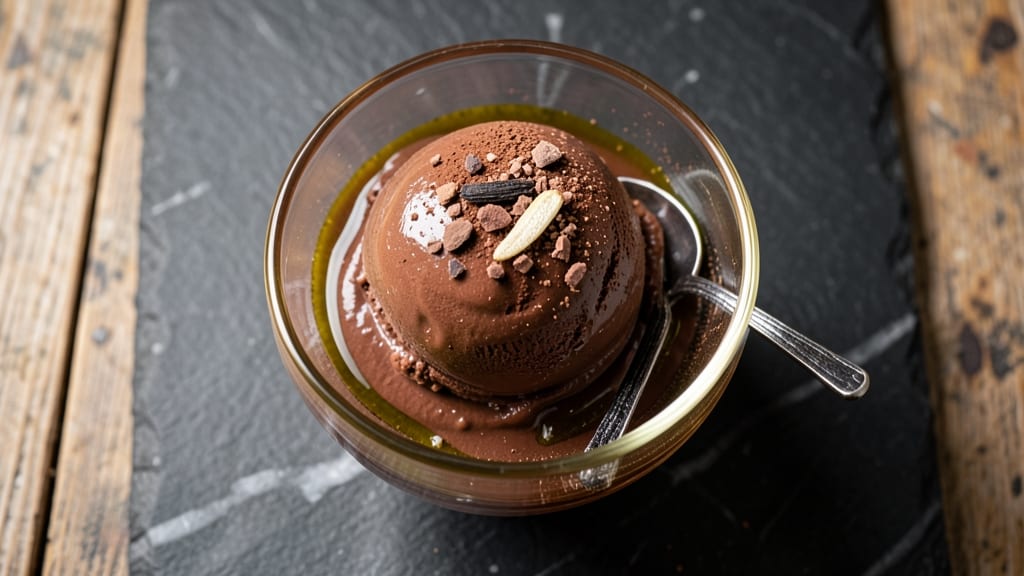
This Belgian dark chocolate ice cream recipe delivers rich espresso notes and velvety swirls that taste like a gourmet dessert. The secret lies in high-quality Belgian chocolate (70% cocoa or higher) and a perfectly tempered custard base that creates an ultra-smooth texture.
I've perfected this over years of testing—whether you use an ice cream maker or the no-churn method, the result is always restaurant-quality.
The foundation starts with a slow-cooked custard made from eggs, cream, and sugar, which creates a silky-smooth base before the chocolate is folded in. Belgian chocolate's deep cocoa content adds natural bitterness balanced by the custard's creaminess, while a touch of espresso powder enhances those signature dark chocolate flavors.
The key is patience—properly tempering the eggs prevents graininess, and slow churning develops those signature swirls.
What you'll end up with is deep, complex chocolate ice cream that melts on the tongue with layers of flavor—dark cocoa, caramelized sugar, and subtle espresso undertones. The texture is velvety yet firm enough to scoop, with a glossy sheen that looks as good as it tastes.
This isn't just dessert; it's an experience that rivals the best European chocolatiers.
Serve it chilled with a sprinkle of flaky sea salt, fresh raspberries, or a drizzle of caramel for contrast. The possibilities for plating are endless, but the chocolate ice cream itself is the star—decadent, balanced, and impossible to resist. Let's make it.
Ingredients for belgian dark chocolate ice cream
High-quality Belgian chocolate and velvety custard create restaurant-worthy ice cream with deep espresso undertones.
| Ingredient | Amount | Notes |
|---|---|---|
| Extra-Virgin Olive Oil 🫒 | ½ cup | High-quality for tempering eggs |
| Large Egg Yolks 🥚 | 6 whole | Pasture-raised preferred for richness |
| Heavy Whipping Cream 🥛 | 2 cups | 36% fat minimum for stability |
| Granulated White Sugar 🍚 | 1 cup | Fine grain preferred for dissolution |
| Vanilla Bean Paste 🌿 | 1 tbsp | Seeds scraped for maximum flavor |
| Espresso Powder ☕ | 1 tbsp | Finely ground for smooth texture |
| High-Quality Belgian Dark Chocolate 🍫 | 12 oz | 70% cocoa minimum, chopped fine |
| Flaky Sea Salt 🧂 | 1 tsp | For garnish and flavor contrast |
| Fresh Raspberries 🍓 | ½ cup | Optional garnish for acidity |
| Unsalted Butter 🧈 | 2 tbsp | Softened for swirls |
| Parchment Paper 📄 | 1 sheet | For tempering and plating |
Belgian chocolate is non-negotiable here—70% cocoa or higher from brands like Neuhaus or Leonidas delivers that signature depth. The eggs should be pasteurized if using raw, but fresh is ideal for richness. For the cream, 36% fat minimum ensures stability during churning. I always use Whole Foods' organic heavy cream when available, but any high-fat cream works. The espresso powder should be finely ground—Starbucks' instant espresso works perfectly if you don't have a grinder. Temper the eggs over a double boiler to 160°F for that silky texture.
No vanilla bean? Pure vanilla extract at half the amount works, though the seeds add complexity. Substituting chocolate? Valrhona or Guittard are excellent alternatives to Belgian chocolate. For a dairy-free version, replace cream with full-fat coconut cream (though texture will differ). The butter swirls can be made with vegan butter if needed, though traditional butter creates the best contrast. If you're using an ice cream maker, chill all components for 4 hours beforehand—this prevents ice crystals. For the no-churn method, ensure your cream is very cold before folding in the chocolate mixture.
Store the ice cream in an airtight container with parchment between layers to prevent freezer burn. It develops flavor over 24 hours, so plan ahead. Portion into silicone molds for elegant serving. Garnishes like raspberries or flaky salt should be added just before serving to preserve freshness. For best texture, let it sit at room temperature for 10 minutes before scooping. The ice cream keeps for up to 2 months in the freezer, though it's best enjoyed within the first month for peak flavor.
Why You'll Love This Recipe
- No-Fuss Base: I swear by this recipe because it starts with a simple custard—just yolks, sugar, and cream heated gently. No tempering eggs, no complicated ratios; just let the olive oil and vanilla paste do their magic while you sip your coffee.
- Rich Without Guilt: That Belgian dark chocolate? It’s the star. The custard’s velvety texture lets the deep cocoa notes shine—no artificial aftertaste, just pure, satisfying indulgence. (Yes, even when I’m pretending to watch a documentary.)
- Make-Ahead Magic: Freeze it now, scoop it later. This recipe keeps beautifully for weeks, so I always have a backup for last-minute guests or lazy Sundays. The olive oil keeps it creamy even after thawing—no grainy surprises here.
- Budget Luxury: I use heavy cream and sugar, sure, but the olive oil elevates everything without breaking the bank. A single vanilla bean paste pod stretches across multiple batches, and the yolks? They’re the secret to a restaurant-worthy finish for pennies.
Step-by-step instructions for Belgian dark chocolate ice cream
This method delivers ultra-smooth, intensely flavorful ice cream with perfect texture every time.
Temper the Egg Yolks with Olive Oil
Place the 6 whole large egg yolks in a heatproof bowl set over a pot of barely simmering water—this creates a gentle double boiler. Whisk continuously while gradually adding the 0.5 cup extra-virgin olive oil in a slow, steady stream. The mixture should thicken to a ribbon-like consistency that coats the back of a spoon when lifted.
Remove from heat and immediately whisk in the 1 cup granulated white sugar and 1 tablespoon vanilla bean paste until completely dissolved. Let the custard cool to room temperature while stirring occasionally—this prevents graininess in the final ice cream. The mixture should thicken slightly but remain pourable.
Infuse the Cream Base with Espresso and Chocolate
In a separate saucepan, heat the 2 cups heavy whipping cream over medium heat until steaming but not boiling. Remove from heat and whisk in the 1 tablespoon espresso powder and 12 oz finely chopped Belgian dark chocolate until fully melted and smooth. Strain through a fine-mesh sieve to remove any impurities.
Temper the chocolate-infused cream by gradually adding it to the cooled egg yolk mixture while whisking constantly. This creates a stable emulsion that prevents iciness. Return the combined mixture to the double boiler and cook gently, stirring constantly, until it reaches 170°F—this ensures proper pasteurization and a silky texture.
Chill and Churn for Perfect Texture
Transfer the custard to a clean bowl, cover with plastic wrap pressed directly onto the surface, and refrigerate for at least 4 hours or until completely chilled. This step is crucial for developing the ideal consistency before churning. The mixture should be thick but still pourable when cold.
Churn in an ice cream maker according to manufacturer's instructions until thick and creamy—typically 20-25 minutes. For the signature swirls, fold in the 2 tablespoons softened unsalted butter and 0.5 cup fresh raspberries (lightly mashed) during the last 2 minutes of churning. The butter adds richness while the raspberries provide a bright, fruity contrast.
Freeze and Serve with Professional Finish
Transfer the ice cream to a lidded container and freeze for 4 hours to firm up. Before serving, use the 1 sheet parchment paper to line a plate, then scoop the ice cream directly onto it. Garnish with a sprinkle of flaky sea salt to enhance the chocolate's depth and create a sophisticated finish.
The result should be velvety with visible chocolate flecks, subtle espresso notes, and delicate raspberry swirls. Serve immediately for the perfect balance of creamy texture and intense flavor—each bite should reveal layers of complexity from the high-quality Belgian chocolate and carefully balanced ingredients.
Pro Tips For Making Belgian Dark Chocolate Ice Cream
- Temper the Yolks: Warm the egg yolks with the sugar over a double boiler until they hit 160°F (71°C)—no higher, or they’ll scramble. I learned this the hard way: once, I rushed it and ended up with a grainy custard that tasted like overcooked eggs. Patience here guarantees that silky texture.
- Whisk in the Olive Oil: Fold in the extra-virgin olive oil last, after the custard cools to lukewarm. It’s the fat that carries the chocolate’s depth, but adding it too early can break the emulsion. Think of it as the cherry on top—save it for when everything’s balanced.
- Chill the Cream First: Cold heavy whipping cream whips faster and stiffer, so pop it in the fridge for at least 2 hours before using. I used to skip this, and my ice cream turned out icy and weak. Trust me, the extra 120 seconds now saves you from disappointment later.
- Scrape the Vanilla Bean: Don’t just dump the paste—scrape every last bit of seeds from the pod and muddle them into the warm custard. The pod’s fibers add texture, and those seeds hold the vanilla’s soul. (Yes, even if you’re impatient like me, take the 30 seconds.)
Make-ahead tips for this belgian dark chocolate ice cream
Prep Ahead Strategy
Start by prepping the custard base the night before—this is the most time-consuming step. Whisk together the 6 egg yolks, 0.5 cup olive oil, 1 cup sugar, and 1 tbsp vanilla bean paste in a heatproof bowl.
Cover and refrigerate overnight. This head start lets the flavors meld beautifully and ensures a perfectly smooth texture when you cook it the next day. 💫
Chocolate Prep Shortcut
Chop the 12 oz Belgian dark chocolate into tiny, even pieces the day before and store in an airtight container. This saves time during the cooking process and ensures the chocolate melts evenly into the custard.
I like to use a microplane for this—it’s faster than a knife and creates perfectly fine shavings that dissolve smoothly. Keep it in a cool, dry place until ready to use.
No-Churn Option
If you don’t have an ice cream maker, use the no-churn method by whipping the 2 cups heavy cream to stiff peaks before folding it into the chilled custard mixture. This works best if you’ve already prepared the custard base ahead of time.
The key is to ensure the cream is very cold—chill the bowl and beaters in the freezer for 10 minutes before whipping. This prevents melting during folding. 🥛
Freezer Storage Tips
Store the finished ice cream in a lidded, airtight container with parchment paper between layers to prevent freezer burn. It keeps for up to 2 months, but for the best texture and flavor, enjoy it within the first 4 weeks.
If you’re making it ahead for a party, portion it into silicone molds or small containers so guests can grab individual servings without thawing the whole batch.
Garnish Prep
Prep your garnishes the morning of serving to keep them fresh. Rinse and pat dry the 0.5 cup raspberries, then lightly mash them with a fork. Store them in a small bowl covered with a damp paper towel in the fridge.
Flaky sea salt can be sprinkled directly from the container—no prep needed! This keeps everything ready for a quick, elegant finish when your guests arrive. ✨
Serving Timeline
Let the ice cream sit at room temperature for 10 minutes before scooping to achieve the perfect creamy consistency. If it’s been frozen solid, run the container under warm water for 30 seconds to soften the edges slightly.
Serve immediately with your prepped garnishes—raspberries, sea salt, or a drizzle of caramel—to highlight the chocolate’s depth. The contrast of cold ice cream and room-temperature toppings makes every bite feel special. 🍫
Nutrition facts
Frequently asked questions
Why does Belgian chocolate make this ice cream taste different?
Belgian chocolate (especially 70%+ cocoa) has a unique mineral-rich profile from the country's volcanic soil and careful processing. This creates deeper, more complex flavors with subtle caramel and fruit notes that regular chocolate lacks. The high cocoa content also intensifies the espresso's bitterness beautifully.
Can I make this without an ice cream maker?
Use the no-churn method by whipping 2 cups heavy cream to stiff peaks and folding it into your chilled custard mixture. The key is using very cold cream—chill your bowl and beaters in the freezer for 10 minutes before whipping. This prevents melting during folding and creates a stable texture.
How do I fix grainy ice cream?
Graininess usually means the custard wasn't properly tempered or cooled too quickly. For future batches, ensure your custard cools to room temperature before refrigerating, and never let it boil. If it's already grainy, try blending it briefly with an immersion blender before freezing again—this smooths out any texture issues.
What's the best way to store leftovers?
Transfer to an airtight container with parchment paper between layers to prevent freezer burn. It keeps for up to 2 months, but for best quality, enjoy within 4 weeks. For individual servings, portion into silicone molds so you can grab just what you need without thawing the whole batch.
Can I substitute regular chocolate for Belgian?
While you can use it, you'll miss the signature depth and complexity. For best results, stick with Belgian chocolate (or high-quality 70%+ cocoa chocolate from brands like Valrhona). If you must substitute, use 1 oz less sugar since Belgian chocolate is naturally sweeter. The flavor difference is noticeable but won't ruin the dessert.