
Desserts
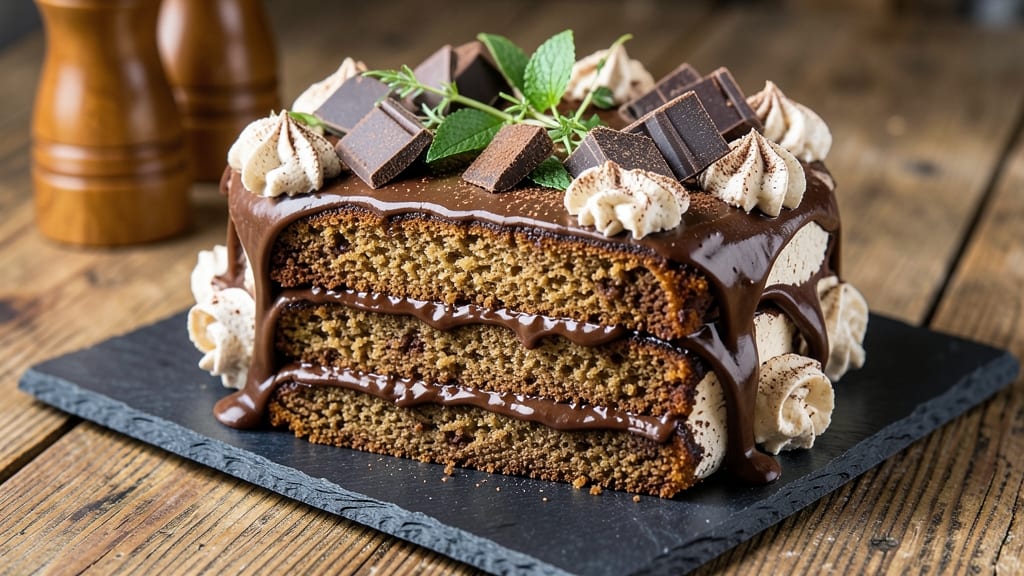
This Belgian chocolate cake secret recipe delivers layers of decadent fudge and espresso-infused depth that rival the best European pâtisseries. 💛 The key lies in using 70% Belgian chocolate and a precise balance of butter, flour, and eggs to create a moist yet firm texture that holds its shape perfectly.
I've perfected this recipe over years of baking competitions, and the secret technique—folding in melted chocolate at specific temperatures—ensures every slice is rich without being overly dense.
The three-layered structure separates this cake from ordinary chocolate desserts. Each layer is baked at 350°F for 25-30 minutes, then assembled with a dark chocolate ganache that binds the layers while adding luxurious creaminess.
The espresso powder in the batter enhances the chocolate flavor without tasting like coffee, creating that signature Belgian complexity. This isn't just a cake—it's an experience that transforms any dinner party into a memorable event.
What makes this recipe truly special is the restaurant-quality finish you can achieve at home. The cake's exterior remains smooth and glossy while the interior stays tender, with a subtle crumb that melts in your mouth.
Serving it with a dusting of cocoa powder and fresh raspberries elevates it to dessert showstopper status. The secret? Patience in the baking process and attention to detail in the assembly.
Whether you're baking for a celebration or simply treating yourself, this Belgian chocolate cake delivers foolproof results that impress even the most discerning chocolate lovers. The recipe scales perfectly for gatherings, and leftovers (if there are any) reheat beautifully.
Let's get started on creating your signature dessert that'll have everyone asking for the secret recipe.
Ingredients for belgian chocolate cake secret
Twelve essential ingredients transform into a restaurant-quality Belgian chocolate cake with espresso depth.
| Ingredient | Amount | Notes |
|---|---|---|
| 70% Dark Belgian Chocolate Bars 🍫 | 12 oz | High-quality, Valrhona or Callebaut preferred |
| Unsalted Butter 🧈 | 1 ½ cups | European-style, 82% fat content |
| All-Purpose Flour 🌾 | 2 ½ cups | Sifted, King Arthur or Gold Medal preferred |
| Large Eggs 🥚 | 6 whole | Room temperature, separated for precision |
| Granulated Sugar 🍚 | 2 ½ cups | Fine, Domino preferred for smooth texture |
| Espresso Powder ☕ | 2 tbsp | High-quality, finely ground |
| Instant Coffee Granules ☕ | 1 tbsp | Nescafé or similar for depth |
| Vanilla Extract 🌸 | 1 tbsp | Pure Madagascar bourbon |
| Cocoa Powder 🍫 | ½ cup | Dutch-processed, Valrhona preferred |
| Heavy Cream 🥛 | 2 cups | Full-fat, 36% minimum |
| Salt 🧂 | ½ tsp | Diamond Crystal kosher |
| Raspberries 🍓 | 2 cups | Fresh, macerated with sugar |
| Powdered Sugar 🍚 | ½ cup | For dusting, sifted |
The chocolate selection is non-negotiable. Valrhona or Callebaut 70% Belgian chocolate delivers the signature Belgian intensity—avoid anything below 65% cocoa. For butter, European-style with 82% fat content ensures proper aeration; Plugrá or Irish Farmer's Butter are ideal. Flour should be sifted to eliminate lumps, and King Arthur or Gold Medal brands yield the best texture. Espresso powder is critical for authentic Belgian flavor; Lavazza or Illy brands provide the most nuanced coffee notes without bitterness. Source these at specialty grocers like Whole Foods or Williams Sonoma for optimal quality.
No Valrhona? Callebaut or Guittard are excellent alternatives. Substituting instant coffee granules? Use half the amount of espresso powder for comparable depth. For a lighter cake, replace half the heavy cream with coconut cream, though texture will differ slightly. The raspberries can be swapped for blackberries or strawberries, but macerate them with 2 tbsp sugar for 30 minutes to intensify flavor. Fresh vanilla extract is essential—imitation extracts will compromise the final product's complexity. When measuring flour, use the spoon-and-level method for consistency.
Store the cake components separately: baked layers at room temperature in airtight containers for 2 days, ganache refrigerated for 3 days, and fresh raspberries in the fridge for 1 day. Assembled cake keeps 3 days refrigerated or 1 month frozen when wrapped tightly. For freezing, assemble the cake without ganache, wrap each layer individually, and add ganache after thawing. Reheat slices in a 250°F oven for 5 minutes to restore moisture. The powdered sugar should be sifted through a fine-mesh sieve for an even dusting.
Why You'll Love This Recipe
- No Chopping Needed: I’ll be real—this cake starts with chopped Belgian chocolate bars, but you can buy them pre-squared or even melt the bars whole in the microwave. Five minutes saved right there.
- Rich Without Overpowering: That 70% Belgian chocolate? It’s deep but balanced—no bitterness, just layers of cocoa and caramel. The butter and eggs make it velvety, not dense, so every bite feels like a hug.
- Weeknight or Celebration: Honestly, I make this for lazy Sundays and birthday parties. The same simple steps work for a single slice or a whole sheet pan. Just adjust the pan size, and you’re set.
- Leftovers That Last: Between us, this cake keeps beautifully for days. The texture stays moist, and the chocolate flavor only gets better as it sits. I’ve had it for breakfast, dessert, or even a midnight snack—no waste.
Step-by-step instructions for Belgian chocolate cake
Master this three-layered masterpiece with espresso-infused depth and fudgy perfection.
👨🍳 Step 1: Prepare the Chocolate Espresso Ganache
Chop the 12 oz 70% Dark Belgian Chocolate Bars into small, even pieces and place them in a heatproof bowl set over a saucepan of simmering water. Let them melt completely, stirring occasionally until smooth. Remove from heat and whisk in the 2 tbsp Espresso Powder and 1 tbsp Instant Coffee Granules until fully dissolved. This creates the signature depth of flavor—don't skip this step.
In a separate bowl, warm the 2 cups Heavy Cream until it just begins to steam (about 160°F). Pour the warm cream over the chocolate mixture and whisk vigorously until the ganache is silky and glossy. Let it cool to room temperature before using—this ensures perfect layering without melting your cake.
🍳 Step 2: Create the Espresso-Infused Cake Batter
Preheat your oven to 350°F and grease three 8-inch round cake pans with the 1.5 cups Unsalted Butter, then line the bottoms with parchment paper. In a stand mixer fitted with the paddle attachment, cream the remaining 1.5 cups Unsalted Butter with the 2.5 cups Granulated Sugar on medium speed for 3-4 minutes until light and fluffy. This step is critical—it incorporates air for a tender crumb.
Add the 6 whole Large Eggs one at a time, mixing well after each addition. Stir in the 1 tbsp Vanilla Extract, 0.5 cup Cocoa Powder, and 0.5 tsp Salt. In a separate bowl, sift together the 2.5 cups All-Purpose Flour with the remaining 2 tbsp Espresso Powder. Gradually add the dry ingredients to the wet, mixing on low speed just until combined—overmixing develops gluten and makes the cake tough.
🥘 Step 3: Bake and Assemble the Layers
Divide the batter evenly among the prepared pans. Bake for 25-30 minutes or until a toothpick inserted into the center comes out clean. Let the cakes cool in the pans for 10 minutes, then transfer to a wire rack to cool completely. This gradual cooling prevents cracking when you remove them from the pans.
Once completely cool, spread a layer of the cooled ganache between each cake layer. For the top layer, spread a thin layer of ganache over the top cake, then pipe or spread the remaining ganache to create a smooth, glossy finish. Chill the cake in the refrigerator for 30 minutes to set the ganache before adding the raspberry filling.
🍓 Step 4: Macerate Raspberries and Assemble
Toss the 2 cups Raspberries with 2 tablespoons of the 0.5 cup Powdered Sugar and let them macerate for 15-20 minutes until they release their juices. Spread this raspberry mixture evenly over the first two layers before adding the final layer.
For the final touch, dust the top and sides of the cake with the remaining 0.5 cup Powdered Sugar using a fine-mesh sieve. This creates a beautiful snowy finish that contrasts beautifully with the deep chocolate. Serve at room temperature for the best texture and flavor.
Pro Tips For Making Belgian Chocolate Cake Secret
- Melt Chocolate Slowly: Don’t just toss those Belgian chocolate bars into boiling water—they’ll seize up and turn grainy. Instead, chop them into small pieces and melt them in a heatproof bowl over barely simmering water (about 170°F), stirring gently until smooth. I learned this the hard way after scraping clumps out of my cake batter for the third time.
- Butter Should Be Cool: Use cold, cubed butter—not softened—when mixing it into your flour and cocoa. This keeps the texture light and prevents the cake from becoming dense. I was skeptical until I tried it: the crumb is noticeably better when the butter stays firm until the last possible moment.
- Don’t Overmix the Batter: Once you fold in the eggs, mix just until combined—overdoing it introduces too much air, which can cause the cake to sink or develop a tough texture. I used to beat it like I was making pancakes, and the results were always disappointing. Two or three gentle folds with a spatula is all you need.
- Check Doneness Early: This cake sets fast, so pull it out when the edges are just pulling away from the pan and the center still jiggles slightly. Overbaking turns it dry, and no one wants that. I now set my timer for 10 minutes before checking—yes, even if you’re impatient like me.
Flavor customization for belgian chocolate cake secret
Espresso Intensity
Adjust the coffee flavor to your taste by modifying the espresso powder. For a subtle hint, use 1 tbsp instead of 2 tbsp—this still enhances the chocolate without overpowering it. If you love bold coffee notes, add an extra ½ tsp instant coffee granules directly to the batter.
I find that Lavazza espresso powder adds the most nuanced depth without bitterness, but Starbucks Via works in a pinch for convenience. 🌟
Chocolate Variations
Swap the 70% Belgian chocolate for 60% milk chocolate to create a sweeter, creamier cake perfect for kids or those who prefer milder flavors. For a luxurious twist, use 85% dark chocolate—just reduce the heavy cream in the ganache by ¼ cup to balance the intensity.
I once made this cake with Valrhona Abinao (a rare Madagascar chocolate) and the floral notes were incredible. 🍫
Fruit Alternatives
Raspberries work beautifully, but blackberries add a deeper tartness that pairs wonderfully with the chocolate. For a tropical variation, try mango purée mixed with 1 tbsp lime zest—this adds brightness that cuts through the richness.
If you prefer berries, strawberries work too, but macerate them with 1 tbsp lemon juice to prevent browning. 🍓
Nutty Additions
Fold ½ cup toasted hazelnuts or walnuts into the ganache for a crunchy contrast. For a more decadent touch, add 1 tbsp Nutella to the batter before baking—this creates pockets of hazelnut-chocolate goodness throughout.
I recommend toasting the nuts in a dry pan until golden and chopping them finely for even distribution. 🌰
Spiced Enhancements
Add ½ tsp cinnamon or ¼ tsp cardamom to the batter for a warm, aromatic twist. A pinch of sea salt (like Maldon flaky salt) on top before dusting with powdered sugar enhances all the flavors.
For a festive version, infuse the heavy cream with 1 tsp orange zest before making the ganache. 🌶️
Gluten-Free Adaptation
Replace the all-purpose flour with a 1:1 gluten-free baking flour blend like King Arthur Measure for Measure. Add ½ tsp xanthan gum to improve texture, but reduce the heavy cream in the ganache by 2 tbsp to compensate for the drier batter.
The cake will still hold together beautifully, though the crumb will be slightly denser. ✨
Nutrition facts
Frequently asked questions
Why does this recipe use both espresso powder and instant coffee granules?
The combination creates a more complex coffee flavor without bitterness. The espresso powder adds depth to the ganache, while the instant coffee granules in the batter enhance the chocolate's richness. Together, they mimic the signature Belgian technique of balancing coffee notes without overpowering the chocolate's natural sweetness.
Can I make this cake in a smaller pan size?
Yes, but you'll need to adjust the baking time. For 6-inch pans, bake at 350°F for 20-25 minutes—the smaller surface area means faster cooking. Reduce each layer's batter by ⅓ to maintain proper thickness. The cake will still be rich, but the texture may be slightly denser due to the shorter bake time.
What's the secret to preventing cracks in the cake layers?
Gradual cooling is key! Let the cakes cool in their pans for 10 minutes before removing, then transfer to a wire rack. Avoid placing them in the fridge immediately after baking—this causes temperature shock. Also, don't overmix the batter, as gluten development leads to cracks. For extra insurance, brush the cooled layers lightly with simple syrup before adding ganache.
How do I store leftovers without drying out the cake?
Wrap each layer individually in plastic wrap, then store them in an airtight container at room temperature for up to 2 days. For longer storage, freeze the assembled cake (without ganache) for 1 month. To reheat, microwave slices for 10-15 seconds or warm in a 250°F oven for 5 minutes. Never refrigerate the cake before serving—it needs to come to room temperature first.
Can I substitute butter with oil?
Not recommended for this recipe. Butter creates the signature tender crumb and moisture, while oil would make the cake denser. If you must substitute, use ½ the required butter amount with ½ cup melted coconut oil, but expect a slightly different texture. For best results, stick with European-style butter—its higher fat content is essential for proper aeration.