
Desserts
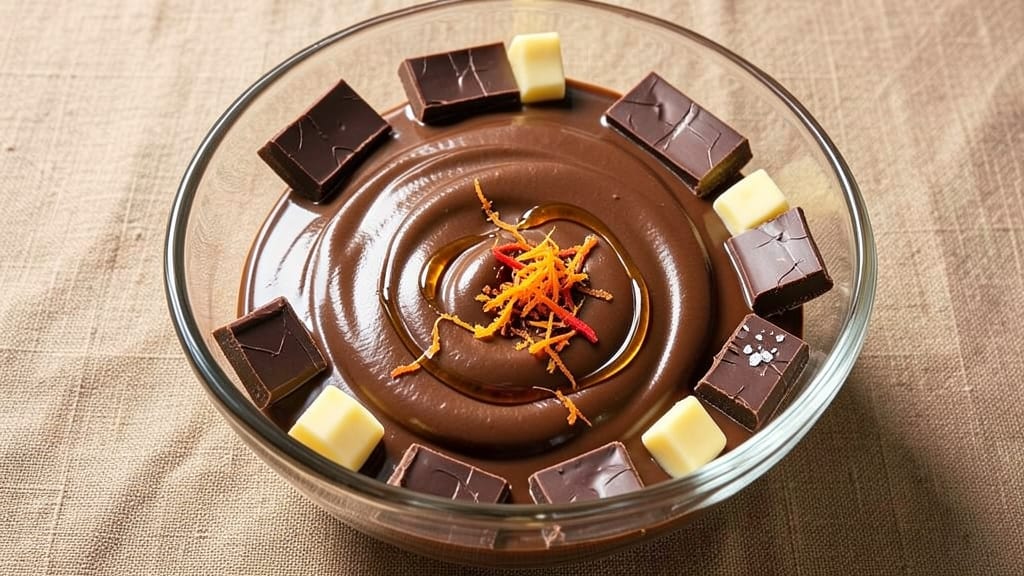
Callebaut chocolate ganache transforms desserts with its velvety texture and rich flavor—this recipe delivers a silky-smooth pour that's foolproof for both beginners and pastry professionals. The key lies in precise temperature control and the perfect chocolate-to-cream ratio, ensuring a glossy finish every time without graininess or separation.
Professional bakers rely on Callebaut chocolate for its exceptional melting properties and consistent quality, which makes this ganache recipe both reliable and luxurious. With just two primary ingredients—high-quality chocolate and heavy cream—you'll achieve a versatile filling that can be used for layering cakes, stuffing pastries, or elegantly drizzling over tortes.
The process is straightforward: heat the cream until steaming, pour it over chopped chocolate, then let the mixture rest until it reaches that perfect 100°F pouring temperature. This patience pays off with a ganache that's glossy, stable, and ready to elevate any dessert from ordinary to extraordinary.
Store any leftovers in an airtight container at room temperature for up to 3 days, or refrigerate for longer shelf life. For extra flair, consider infusing the cream with vanilla, citrus zest, or a splash of alcohol—these variations add depth while maintaining the ganache's signature smoothness and professional finish.
Ingredients for callebaut chocolate ganache
Two core ingredients, one luxurious technique: Callebaut chocolate and heavy cream create a velvety ganache perfect for professional desserts.
| Ingredient | Amount | Notes |
|---|---|---|
| Callebaut High-Quality Chocolate Bars 🍫 | 12 oz | 70% dark or semi-sweet, chopped into even pieces |
| Heavy Whipping Cream 🥛 | 1 cup | Full-fat, cold before use |
| Unsalted Butter 🧈 | 4 oz | Optional for extra richness, cubed |
| Vanilla Extract 🌿 | ½ tsp | Pure, for infusion (optional) |
| Kosher Salt 🧂 | ⅛ tsp | Diamond Crystal preferred |
| Orange Zest 🍊 | 1 tsp | Fresh, for citrus infusion (optional) |
| Brandy or Rum 🍷 | 1 tbsp | For alcohol infusion (optional) |
Callebaut chocolate is non-negotiable for this recipe—its consistent melting properties ensure a flawless pour every time. 70% dark or semi-sweet bars provide the ideal balance of richness and smoothness. Chop the chocolate into even 1/2-inch pieces before melting to ensure uniform texture. Heavy whipping cream must be full-fat for proper emulsification; store-brand cream works fine as long as it's cold. For butter additions, European-style unsalted butter like Plugrá or President melts more cleanly than American brands.
No Callebaut? Valrhona or Guittard chocolates are excellent substitutes, though texture may vary slightly. Swap heavy cream for half-and-half in a pinch, but expect a less stable ganache. For flavor variations, infuse the cream with vanilla bean, citrus zest, or a splash of alcohol—just reduce the cream by the liquid volume added. The optional butter contributes extra gloss and stability, particularly for ganache used in layering cakes. Salt is crucial for balancing sweetness; Diamond Crystal kosher salt dissolves more evenly than table salt.
Freshly made ganache should be used immediately for best results, but it can be stored in an airtight container at room temperature for 3 days or refrigerated for 2 weeks. For longer storage, freeze in 1/2-cup portions with parchment between layers. Reheat gently in a double boiler until 100°F—never microwave, as it can cause separation. For professional use, prepare ganache in small batches to maintain precise temperature control, especially when working with delicate pastries.
Why You'll Love This Recipe
- I swear by this combo: just chocolate and cream. That’s it. No fancy gadgets, no stress—just melt, pour, stir. The Callebaut chocolate melts like a dream, and the heavy cream turns it into this silky, velvety puddle of happiness. Honestly, it’s the kind of recipe that makes me feel like a baking genius when I’m really just lazy.
- I’ll be real: Callebaut isn’t cheap, but a little goes a long way. That bar of chocolate stretches into enough ganache to impress guests or satisfy my late-night cravings. Plus, the cream and butter are pantry staples, so the cost per serving is way lower than you’d think for something this indulgent. It’s fancy without breaking the bank.
Step-by-step instructions for silky-smooth Callebaut ganache
Precision timing and technique transform these ingredients into velvety ganache every time.
Chop and Melt the Chocolate
Begin by chopping the 12 oz Callebaut High-Quality Chocolate Bars into even, ½-inch pieces. This ensures consistent melting and prevents any unmelted pockets in the final ganache. Place the chopped chocolate in a heatproof bowl that fits snugly over a saucepan of simmering water.
Bring 1 cup Heavy Whipping Cream to a gentle simmer in the saucepan (don't boil) and remove from heat. Pour the hot cream over the chocolate, allowing it to sit for 2 minutes before gently stirring. The heat should be enough to melt the chocolate completely within 5-7 minutes, creating a smooth, glossy mixture. If you notice any unmelted pieces, stir in 1 teaspoon more hot cream to fully incorporate.
Incorporate Flavor Enhancements
Once the chocolate is fully melted and smooth, whisk in the 4 oz Unsalted Butter (if using) until completely dissolved. The butter adds luxurious richness that elevates the ganache from simple to extraordinary. For depth of flavor, add the 1 tbsp Brandy or Rum and 1 tsp Orange Zest, stirring vigorously to distribute evenly. The alcohol will infuse quickly, while the citrus zest adds a bright, aromatic contrast to the chocolate's intensity.
Next, incorporate the 0.5 tsp Vanilla Extract and 0.125 tsp Kosher Salt. The salt enhances all the flavors, making the chocolate taste even more complex, while the vanilla adds warmth. Stir continuously for 1 minute to ensure everything is fully integrated and the mixture is homogeneous. This is where the ganache transforms from good to exceptional.
Rest and Refine the Texture
Allow the ganache to rest at room temperature for 10-15 minutes. This critical step lets the flavors meld and the texture stabilize. During this time, you'll notice the ganache thicken slightly as it cools. If it becomes too thick for pouring (it should be like heavy syrup or pudding), gently reheat it in 30-second bursts in the microwave or over a double boiler, stirring between each interval.
For a perfectly smooth finish, strain the ganache through a fine-mesh sieve into a clean bowl. This removes any potential lumps or bits of zest that might affect the texture. The result should be a silky, glossy ganache with a slight sheen—ready to pour over cakes, truffles, or use as a filling. If you're unsure about the consistency, dip a spoon in and let it drizzle back into the bowl. It should flow smoothly without being runny.
Adjust and Use Immediately
Taste the ganache and adjust seasoning if needed. You might find it needs a touch more salt or a splash of brandy to balance the flavors. For a thicker ganache (ideal for dipping or layering), chill it for 30 minutes in the refrigerator. For a lighter, spreadable consistency, warm it gently over a double boiler for 1-2 minutes while stirring.
Use the ganache immediately for best results—it's at its peak when fresh. Pour it over cakes, fill chocolates, or use as a glaze for pastries. If storing, keep it in an airtight container in the refrigerator for up to 1 week, reheating gently before use. The key to success lies in the precision of the melting process and the patience of letting it rest—both ensure a ganache that's nothing short of professional-quality.
Pro Tips For Making Callebaut Chocolate Ganache
- Chop Chocolate Coarsely: I learned this the hard way—tiny chocolate shards take forever to melt smoothly. Use a knife to break the Callebaut bars into 1-inch chunks instead of shaving them. They’ll melt evenly and faster, giving you that silky texture without graininess.
- Heat Cream to 185°F: The cream needs to be hot—like, almost scalding—before pouring over the chocolate. Use a thermometer (yes, it’s worth it) to hit 185°F. Too cool? The ganache will seize up and turn into a greasy mess. Too hot? You’ll burn the chocolate. Aim for that sweet spot.
- Skip the Butter Early: Adding butter too soon makes the ganache seize or split. Wait until the chocolate and cream are fully combined and slightly cooled (but still liquid), then fold in the butter last. This keeps the texture smooth and prevents lumps—trust me, your ganache will thank you.
- Salt the Butter: The unsalted butter in this recipe needs a pinch of kosher salt—about ¼ teaspoon per ½ cup—before mixing it in. It’s the only time salt actually matters in ganache, balancing the richness. I used to skip it, and the flavor always felt flat.
Troubleshooting perfect results
Grainy Texture Fix
If your ganache develops a grainy texture, it’s usually from uneven melting or chocolate that wasn’t chopped finely enough. To fix it, gently reheat the mixture over a double boiler or in 15-second microwave bursts, stirring constantly until smooth.
For prevention, always chop chocolate into ½-inch pieces and use Callebaut bars—their consistent quality melts more evenly. 🌡️
Separation Issues
Separation happens when cream and chocolate aren’t properly emulsified. To rescue it, whisk vigorously while reheating the mixture over low heat until fully combined. For future batches, ensure the cream reaches a gentle simmer (not boiling) before pouring over chocolate.
If using optional butter, add it only after the chocolate is fully melted to avoid interference.
Too Thick or Too Thin
Adjusting consistency is easy! For a thicker ganache (ideal for layering), chill it for 30 minutes in the fridge. To thin it out (perfect for drizzling), warm it gently over a double boiler for 1-2 minutes while stirring.
Test consistency by spooning a small amount back into the bowl—it should flow like heavy syrup without dripping.
Burnt or Bitter Taste
Overheating cream or chocolate can create a burnt or bitter flavor. To fix it, immediately remove from heat and stir in 1 tsp vanilla extract or ½ tsp orange zest to balance the taste.
For prevention, never let the cream boil—keep it at a gentle simmer (small bubbles, not rolling). If the bitterness persists, add a splash of brandy or rum to mellow the harshness.
Lumps in Final Ganache
Lumps often come from unmelted chocolate or zest bits. Strain the ganache through a fine-mesh sieve into a clean bowl for a silky finish. For stubborn lumps, gently reheat the mixture while stirring until smooth.
To avoid lumps, always strain before using the ganache—especially when adding zest or butter. This step ensures a flawless, professional result every time. ✨
Nutrition facts
Frequently asked questions
Why does Callebaut chocolate work better than other brands for ganache?
Callebaut chocolate melts exceptionally smoothly due to its consistent fat content and high cocoa butter ratio. This prevents graininess and ensures a velvety texture even after resting. Other brands may separate or develop lumps because their fat distribution varies. For best results, stick with 70% dark or semi-sweet Callebaut bars—they're designed for professional pastry work.
Can I make ganache without butter for a lighter texture?
Yes! Omit the butter for a lighter ganache, but expect slightly less shine and stability. The butter adds richness and gloss, especially for layering cakes. For a compromise, use just 2 oz butter instead of 4 oz. Always strain the mixture through a fine-mesh sieve to remove any potential lumps, even without butter.
How do I adjust this recipe for a vegan ganache?
Replace the heavy cream with full-fat coconut milk and use vegan butter (like Miyoko's). For melting, heat the coconut milk to 180°F (higher than cream) to fully emulsify. Add 1 tbsp aquafaba (chickpea brine) as a stabilizer. The texture will be slightly firmer but still luxurious. Test consistency by spooning—it should hold shape but still be pourable.
What's the best way to reheat stored ganache?
Always reheat ganache gently to avoid separation. For refrigerated ganache, place the container in a double boiler over low heat and stir constantly until smooth (2-3 minutes). For microwave reheating, use 15-second bursts on low power, stirring between each. Never exceed 100°F—hotter temperatures can cause oil separation. Strain again if needed for a silky finish.
Can I use this ganache for cold desserts like ice cream or mousse?
This recipe works beautifully for cold applications! For ice cream, chill the ganache completely and fold it into the base while still soft. For mousse, whip 2 egg whites to stiff peaks first, then gently fold in the cooled ganache. The key is working with ganache at 70°F—cool enough to set but warm enough to blend smoothly. Store finished products in an airtight container for up to 5 days.