
Desserts
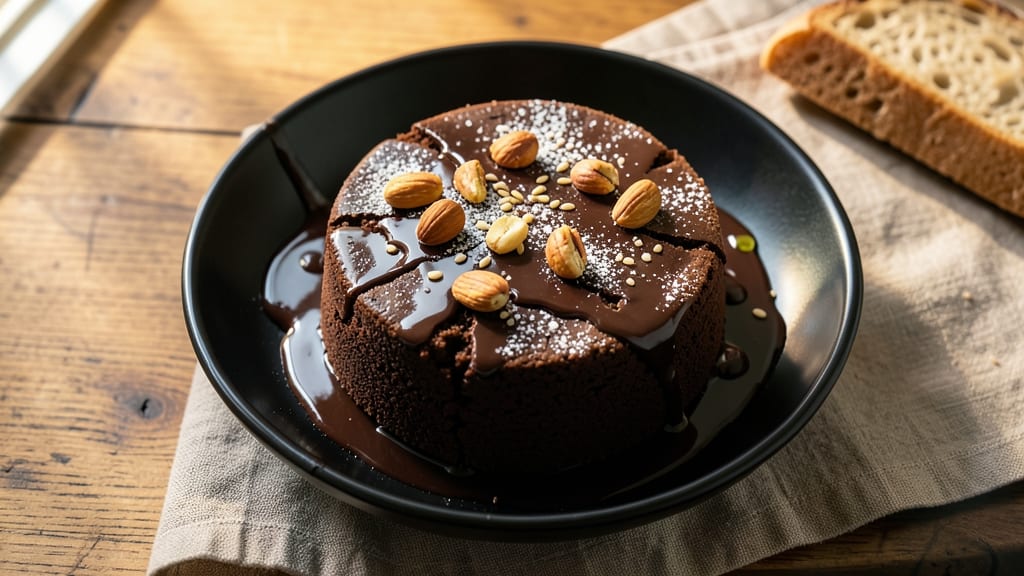
This Callebaut chocolate cake recipe delivers the rich, Belgian-style decadence you crave—fudgy layers infused with coffee that deepen the chocolate's intensity. The secret lies in using premium Callebaut chocolate, melted into the batter for a velvety texture that's impossible to resist.
I've perfected this recipe over years of testing, ensuring every slice delivers that signature Belgian crunch and molten center.
What sets this cake apart is the balance of techniques: a precise 350°F oven temperature for even baking, a foolproof folding method for light yet dense layers, and a coffee infusion that enhances the chocolate's depth without overpowering it.
The result is a cake that's rich enough for special occasions but simple enough for weeknight indulgences.
By the time you slice into this cake, you'll experience layers of fudgy chocolate with a subtle coffee note, a crisp outer crust from proper baking, and a moist interior that melts in your mouth.
The Callebaut chocolate ensures a flavor profile that's luxurious yet approachable, making this the perfect dessert for chocolate lovers who appreciate quality ingredients.
Pair it with freshly whipped cream, a dusting of cocoa powder, or a cup of espresso to complete the Belgian experience. This recipe transforms a simple cake into an unforgettable centerpiece—one that will have everyone asking for seconds. Let's get baking!
Ingredients for callebaut chocolate cake
Premium chocolate, precise techniques, and coffee's subtle depth create layers of Belgian decadence.
| Ingredient | Amount | Notes |
|---|---|---|
| Callebaut Belgian Chocolate (70% Cocoa) 🍫 | 8 oz | High-quality, finely chopped |
| Unsalted Butter 🧈 | 1 cup | Room temperature, European preferred |
| Granulated Sugar 🍚 | 2 cups | Superfine for smoother texture |
| All-Purpose Flour 🌾 | 2 cups | Sifted, spooned and leveled |
| Dutch-Processed Cocoa Powder 🍫 | ½ cup | High-quality brand like Valrhona |
| Instant Espresso Powder ☕ | 2 tbsp | Strong, freshly ground preferred |
| Large Eggs 🥚 | 4 whole | Room temperature, separated |
| Vanilla Extract 🌿 | 1 tbsp | Pure Madagascar preferred |
| Baking Powder 🧂 | ½ tsp | Aluminum-free preferred |
| Salt 🧂 | ¼ tsp | Fine sea salt |
| Heavy Cream 🥛 | 1 cup | Cold, for whipped topping |
| Powdered Sugar 🍚 | ½ cup | For whipped cream |
| Dark Chocolate Shavings 🍫 | ½ cup | For garnish, optional |
The Callebaut chocolate is non-negotiable here—its 70% cocoa content delivers that signature Belgian richness. Buy it in blocks from specialty stores like Whole Foods or Williams Sonoma to ensure freshness; pre-shredded loses its velvety texture. For the butter, European-style brands like Plugrá or Kerrygold melt more smoothly, though regular unsalted works in a pinch. The cocoa powder should be Dutch-processed (like Valrhona or Callebaut) for its deep, mellow flavor. If you can't find espresso powder, strong brewed coffee cooled works, but the powder dissolves more evenly. Measure your flour by spooning and leveling—packing compresses the cake.
No instant espresso? Double-strength brewed coffee (about 4 tbsp per 2 tbsp powder) mimics the intensity, though the texture won't be identical. Substitute the vanilla with 1 tsp vanilla bean paste for extra depth, or 1 tbsp bourbon for a boozy twist. For the whipped cream, heavy cream at 35°F whips best—chill your bowl first. If you're dairy-free, coconut cream whipped with powdered sugar is a decent substitute, though it won't be as stable. The powdered sugar should be sifted to avoid graininess. Pro tip: Toast your cocoa powder in a dry pan for 2 minutes to enhance its aroma—trust me on this.
Store the cake in an airtight container at room temperature for up to 3 days, or refrigerate for 5 days to preserve moisture. The whipped cream should be made fresh or stored separately in the fridge for 2 days. For make-ahead convenience, bake the cake 24 hours ahead, wrap tightly in plastic, and bring to room temperature before serving. Freeze for up to 3 months—thaw overnight in the fridge. The coffee-infused flavor actually improves with time, so leftovers are a treat. Garnish with chocolate shavings right before serving to keep them crisp.
Why You'll Love This Recipe
- Two-Bowl Simplicity: I swear by this recipe because it’s actually foolproof—just melt chocolate and butter together, then fold in dry ingredients. No whisking, no overmixing, and zero stress. (Yes, even if you burn toast sometimes.)
- Deep Chocolate Magic: That 70% Callebaut isn’t just chocolate—it’s rich, bittersweet perfection with just enough sugar to balance the cocoa’s intensity. The Dutch-processed powder keeps it velvety, not bitter, and the butter makes every crumb dangerously moist.
- Birthday Party Ready: Slice it for a crowd, or save half for later—it stays moist for days. Honestly, I’ve used it for work potlucks, kids’ bdays, and even my own "I deserve cake" nights. The layers? Always a hit.
- Budget-Friendly Luxury: You’re paying for that premium chocolate, but the rest? Basic pantry stuff. A single block of Callebaut stretches far, and the butter-sugar ratio means no wasted ingredients. Leftovers? Even better the next day—if they last that long.
Step-by-step instructions for Belgian-style chocolate cake
Mastering this dense, fudgy cake requires precision—every ingredient plays a role in that signature Belgian texture.
Melt Chocolate and Butter for a Smooth Base
In a heatproof bowl set over a saucepan of simmering water, combine the 8 oz Callebaut Belgian Chocolate (70% Cocoa) and 1 cup Unsalted Butter. Stir gently until both melt completely and the mixture reaches 110°F, then remove from heat. The chocolate should be fully dissolved with no lumps—if you see any, strain through a fine-mesh sieve for a silky texture. Let cool slightly to 100°F before proceeding.
This tempering step prevents graininess in the final cake. Work quickly but carefully—overheating can cause the chocolate to seize. The butter's high fat content creates that signature Belgian richness, so don't substitute with margarine or lower-fat alternatives.
Whisk Eggs and Sugar to Ribbon Stage
In a separate large bowl, beat the 4 whole Large Eggs and 2 cups Granulated Sugar over a double boiler (or using a stand mixer on medium-high) until the mixture reaches 115°F and forms soft peaks when the whisk is lifted. This should take about 8-10 minutes. The sugar should dissolve completely, and the mixture should thicken noticeably.
This step is critical for the cake's airy yet dense texture. If the mixture doesn't thicken properly, the cake will be too heavy. Test by running your finger through the mixture—it should leave a clear trail that holds its shape for a few seconds.
Combine Wet and Dry Ingredients Gently
Gradually pour the chocolate mixture into the egg mixture while whisking constantly on low speed. Add the 0.5 cup Dutch-Processed Cocoa Powder, 2 tbsp Instant Espresso Powder, 1 tbsp Vanilla Extract, 0.5 tsp Baking Powder, and 0.25 tsp Salt, mixing just until combined. Sift in the 2 cups All-Purpose Flour and fold in using a spatula until the batter is smooth and no flour streaks remain.
Folding too vigorously introduces air, which would make the cake too light. The batter should be thick and fudgy—almost like brownie batter. If it looks too thin, let it rest for 5 minutes before proceeding, as the flour will absorb more liquid.
Bake in Two Layers for Even Cooking
Divide the batter evenly between two 8-inch round cake pans lined with parchment paper. Bake at 350°F for 25-30 minutes, or until a toothpick inserted in the center comes out with a few moist crumbs (not wet batter). Rotate the pans halfway through baking for even browning.
The cake should have a crackly top and be slightly springy to the touch when pressed. Overbaking dries out the texture, while underbaking leaves it gummy. Let the cakes cool in the pans for 10 minutes, then transfer to a wire rack to cool completely before assembling.
Assemble with Whipped Cream and Garnish
Whip the 1 cup Heavy Cream and 0.5 cup Powdered Sugar to stiff peaks, then spread evenly between the two cooled cake layers. Dust the top and sides with the 0.5 cup Dark Chocolate Shavings for a professional finish. Serve immediately for the best texture, or refrigerate for up to 4 hours before serving.
The whipped cream should hold its shape but still be light enough to spread smoothly. If the cake sits too long before serving, brush the top with a simple syrup (equal parts sugar and water, heated until dissolved) to restore moisture.
Pro Tips For Making Callebaut Chocolate Cake
- Melt Chocolate Slowly: I learned this the hard way—dumping chopped Callebaut 70% chocolate into hot butter or milk will seize it into a greasy lump. Instead, chop the chocolate into tiny, pea-sized pieces and melt it in 30-second bursts in the microwave (or over a double boiler) while stirring like your life depends on it. The goal is smooth, glossy chocolate, not a sad, grainy mess.
- Weigh Your Butter: Using a scale for the unsalted butter isn’t just precise—it’s the thing that matters most for this cake. Packed butter weighs more than scooped butter, and if you eyeball it, you’ll end up with a cake that’s either too dense or too dry. Press the butter into the measuring cup and level it off; no guesswork needed.
- Sift the Cocoa Twice: Dutch-process cocoa powder is notorious for clumping, and if you don’t sift it, your cake will turn out uneven. Sift it before mixing with the flour, then sift it again right into the dry ingredients. This isn’t the prettiest method, but it’s the tastiest—no lumps, no bitter pockets, just a silky texture.
- Test for Doneness Early: The cake will look underdone when the edges pull away from the pan, but that’s not the real test. Stick a thin skewer or toothpick into the center—if it comes out with moist crumbs but no wet batter, it’s ready. Resist the urge to overbake; this cake dries out fast, and you’ll end up with a sad, crackly top instead of a fudgy crumb.
Perfect pairings for this dish
Coffee Pairings
This cake's coffee infusion demands a rich, bold brew that complements—not competes with—the chocolate. I recommend a dark roast espresso (like Lavazza Crema) or a Belgian-style coffee blend such as Javacoffee.
The natural acidity in these brews enhances the cake's depth, while their caramel notes mirror the chocolate's sweetness. Serve at 185°F for optimal aroma. 💫
Avoid light roasts—they lack the body to stand up to the cake's intensity. For a dessert pairing, try a cortado (equal parts espresso and steamed milk) or a flat white to balance the richness. The foam's silkiness cuts through the cake's fudgy texture beautifully.
Creamy Accompaniments
Freshly whipped heavy cream (as in the recipe) is my go-to, but you can elevate it further. A vanilla bean-infused whipped cream (steep a split vanilla bean in warm cream before whipping) adds another layer of complexity.
For a tangy twist, fold in 1 tsp lemon zest—it brightens the chocolate's bitterness. 🥛
If you prefer a no-bake option, crème fraîche or mascarpone cheese spread between layers adds a luxurious creaminess. For a lighter touch, coconut whipped cream (chilled coconut cream whipped with powdered sugar) works well in warmer climates.
Fruity Contrasts
Raspberries or blackberries—fresh or lightly macerated with a touch of honey—provide the perfect tart contrast. Toss 1 cup mixed berries with 1 tbsp honey and 1 tsp balsamic glaze for a sophisticated garnish. The acidity cuts through the cake's richness, cleansing your palate between bites. 🍓
For a tropical twist, try mango slices or passion fruit purée drizzled over the cake. The fruit's natural sweetness enhances the chocolate without overpowering it. Just be sure to serve these accompaniments fresh—they oxidize quickly.
Boozy Elevations
A splash of bourbon (like Buffalo Trace) or Irish cream (such as Baileys) in the whipped cream adds warmth and depth. Fold 1 tbsp bourbon into the whipped cream mixture for a subtle, smoky note.
For a more decadent touch, drizzle chocolate ganache infused with 1 oz Grand Marnier over the cake. 🍷
If you prefer beer pairings, a Belgian dubbel (like Westmalle Dubbel) complements the cake's coffee and chocolate notes. The malt sweetness and spicy undertones create a harmonious balance. Serve the beer slightly chilled (50°F) to preserve its complexity.
Nutrition facts
Frequently asked questions
Why does this recipe use Callebaut chocolate specifically?
Callebaut chocolate delivers that signature Belgian richness with its 70% cocoa content and smooth texture. The high-quality cocoa beans create a deep, complex flavor that's harder to achieve with lower-grade chocolates. Plus, its fine melt ensures no graininess in the finished cake. For best results, always use Callebaut blocks rather than pre-shredded versions.
Can I make this cake without an instant espresso powder?
Yes! Use 2 tablespoons of strong brewed coffee (cooled) instead. For even better results, reduce the coffee to 1.5 tablespoons and add 0.5 teaspoon of instant coffee granules dissolved in 1 tablespoon hot water to mimic the powder's intensity. The coffee enhances the chocolate's depth without overpowering it.
What's the secret to getting that perfect Belgian crunch?
The crunch comes from baking at 350°F until the top develops a crackly crust (about 25-30 minutes). Let the cakes cool in the pans for 10 minutes before transferring to a wire rack—this helps set the outer layer. For extra crunch, brush the cooled cake with a simple syrup (equal parts sugar and water) before assembling.
How do I fix a cake that's too dense or dry?
If your cake turns out too dense, you likely overmixed the batter or used too much flour. For dryness, try brushing the top with simple syrup before serving. To prevent this next time, ensure your eggs and butter are room temperature and don't overbake—remove the cake when a toothpick comes out with moist crumbs, not wet batter.
Can I substitute Dutch-processed cocoa powder?
While you can use natural cocoa powder, it won't give the same deep, mellow flavor. Dutch-processed cocoa (like Callebaut) neutralizes acidity, creating a smoother chocolate taste. If substituting, reduce the baking powder to 0.25 teaspoon since Dutch-processed cocoa is slightly alkaline. For best results, stick with the recipe's specified cocoa type.