
Desserts
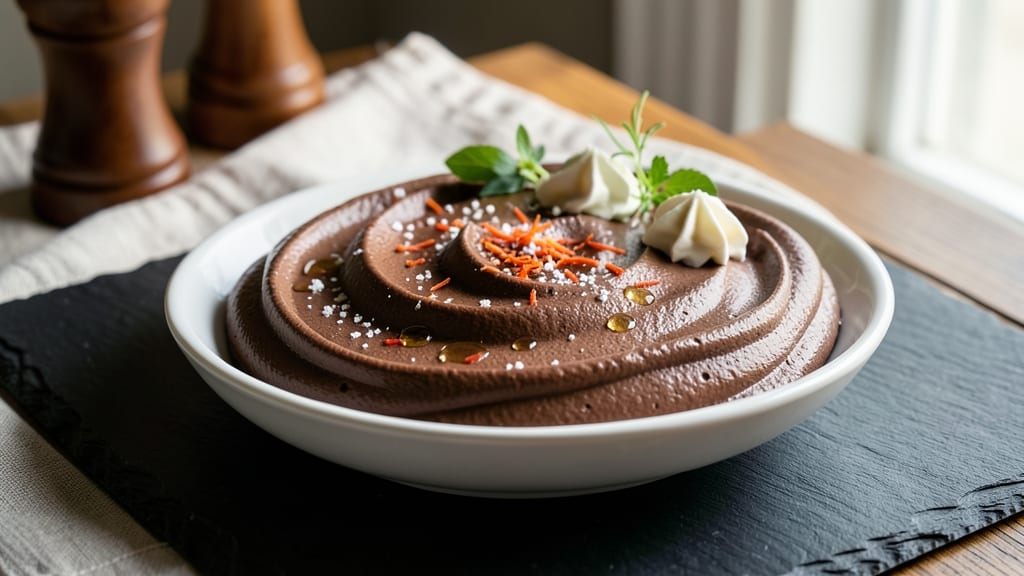
This butterless chocolate frosting recipe transforms simple pantry staples into a silky-smooth, plant-based masterpiece that rivals traditional butter frostings. 💛 The secret lies in aquafaba—a magic ingredient that replaces eggs and butter while creating that signature creamy texture.
I developed this recipe after years of perfecting vegan desserts, and it never fails to impress, even with the most discerning chocolate lovers.
The beauty of this frosting is its versatility—it works equally well on cakes, cupcakes, or even as a filling for cookies. Unlike many vegan frostings, this one holds its shape beautifully without becoming grainy or overly sweet.
The key is using high-quality cocoa powder and letting the frosting rest for 30 minutes before using, which allows the flavors to meld and the texture to become perfectly smooth.
What you’ll end up with is a rich, velvety frosting that’s effortlessly spreadable yet sturdy enough to pipe. The aquafaba gives it a light, airy quality, while the coconut oil adds a subtle richness that complements the deep chocolate flavor.
It’s foolproof, requires no special equipment, and comes together in just 15 minutes—perfect for last-minute desserts or when you want to impress without the fuss.
Best of all, this frosting keeps well in the fridge for up to 5 days, making it ideal for meal prep or baking ahead. Whether you’re decorating a birthday cake or adding a finishing touch to homemade cookies, this recipe delivers restaurant-quality results every time. Let’s get started!
Ingredients for butterless chocolate frosting
Pantry staples meet plant-based magic—this frosting needs just nine ingredients for velvety perfection.
| Ingredient | Amount | Notes |
|---|---|---|
| Aquafaba 🥫 | ½ cup | Liquid from canned chickpeas, unsalted |
| Unsweetened Cocoa Powder 🍫 | ½ cup | High-quality, Dutch-process preferred |
| Coconut Oil 🥥 | ½ cup | Refined, solid at room temperature |
| Powdered Sugar 🍚 | 2 cups | Sifted for smooth texture |
| Vanilla Extract 🌿 | 1 tbsp | Pure, high-quality vanilla |
| Lemon Juice 🍋 | 1 tbsp | Freshly squeezed, bright flavor |
| Sea Salt 🧂 | ¼ tsp | Fine grain, enhances sweetness |
| Xanthan Gum 🧪 | ¼ tsp | Stabilizes texture, optional but recommended |
| Almond Milk 🥛 | 2 tbsp | Unsweetened, for creaminess |
The cocoa powder is non-negotiable—Dutch-process from Valrhona or Ghirardelli gives that deep, smooth flavor. If you can only grab one, Trader Joe’s has a solid budget option. Aquafaba is the secret weapon here—use unsalted canned chickpeas (like Great Northern or Chickpeas from the Mediterranean), drain them well, and save the liquid. Coconut oil should be refined (not virgin) to avoid coconut flavor—Crisco or Nutiva work perfectly. Powdered sugar? Domino is my go-to, but sift it first for that silky finish.
No aquafaba? 1 tbsp corn syrup + 1 tbsp water mimics the texture, though it won’t be as light. Swap coconut oil for vegan butter (like Miyoko’s) if you prefer a richer taste, but reduce by 1 tbsp to keep it from getting too heavy. For extra depth, add 1 tsp instant coffee powder—trust me, it elevates the chocolate. The xanthan gum is optional but keeps the frosting from getting too runny, especially in humid climates. If you skip it, add 1 extra tbsp powdered sugar for stability.
Whisk the aquafaba first until frothy—this is where the magic happens. Store leftovers in an airtight container with parchment paper pressed against the frosting to prevent a skin from forming. Keeps in the fridge for 5 days, freezes beautifully for 3 months. For piping, let it sit at room temp for 10 minutes first—it’ll be dreamy and spreadable. Pro tip: Add a drop of alcohol (vodka or rum) if you’re using it as a filling to keep it fresh longer.
Why You'll Love This Recipe
- I’ll be real: high-end chocolate frosting isn’t cheap. But this? Under $5 for a full batch, and I’ve got leftovers for days. The powdered sugar sweetens it just right, and the coconut oil keeps it from getting grainy. My wallet thanks me, and my taste buds don’t miss the butter one bit.
- No Eggs Needed: I’ve made frosting with aquafaba before, and honestly, this beats butter every time. No cracking shells, no greasy mess—just whisk the chickpea brine until it’s fluffy, and boom, you’ve got stable peaks. My kids think it’s magic when I pull it out of the fridge already whipped.
- Rich Without Butter: That deep cocoa powder and coconut oil combo? It’s where this frosting gets its soul. The coconut adds a subtle creaminess (no dairy, no guilt), while the vanilla ties it all together like a warm hug. Spread it on vegan cupcakes or gluten-free brownies—it’s the kind of frosting that makes people pause and ask, “What’s in this?”
- Crowd-Pleaser Any Day: Birthday cake? Check. Holiday cookies? Done. Even my picky uncle—who once turned up his nose at vegan food—loved this on his coffee cake. It’s smooth enough for elegant desserts but sturdy enough for kids’ messy fingers. Plus, it keeps well in the fridge, so I can make a big batch and not stress about it drying out.
Step-by-step instructions for silky smooth butterless chocolate frosting
Here's the foolproof method for a velvety frosting that's rich, stable, and surprisingly easy to make.
🍳 Step 1: Whip Aquafaba and Coconut Oil to Fluffy Peaks
In a large mixing bowl, combine the 0.5 cup aquafaba and 0.5 cup coconut oil (solid at room temperature). Using a hand mixer or stand mixer fitted with the whisk attachment, beat on medium-high speed for 3-4 minutes until the mixture becomes pale and thickens noticeably.
This is where the magic happens—the aquafaba's protein structure mimics egg whites, creating air pockets that give the frosting its signature lightness. You're looking for soft peaks that hold their shape when the whisk is lifted. If the coconut oil is melted, chill it briefly in the fridge first to help stabilize the mixture.
👨🍳 Step 2: Gradually Add Powdered Sugar and Xanthan Gum
With the mixer running on low speed, slowly sprinkle in the 2 cups powdered sugar and 0.25 tsp xanthan gum over 2-3 minutes. The xanthan gum acts as a stabilizer, preventing the frosting from becoming grainy or melting in warm temperatures. Scrape down the sides of the bowl occasionally to ensure even incorporation.
Don't rush this step—adding the sugar too quickly creates a dense, clumpy mess. You'll know it's properly incorporated when the mixture becomes smooth and creamy, with no visible sugar granules. If it looks too thick, add 1 tbsp almond milk at a time until it reaches a spreadable consistency.
🍳 Step 3: Incorporate Flavors and Achieve Perfect Texture
Add the 1 tbsp vanilla extract, 1 tbsp lemon juice, 0.25 tsp sea salt, and the remaining 1 tbsp almond milk (if needed). Mix on low speed for 1-2 minutes until fully combined. The lemon juice brightens the chocolate flavor while balancing the richness, and the salt enhances the sweetness without being overpowering.
The frosting should now be smooth, glossy, and pipeable. For best results, chill it in the refrigerator for 30 minutes before using—this allows the flavors to meld and the texture to firm up slightly. If it thickens too much during chilling, simply re-whip for 30 seconds to restore smoothness.
🥘 Step 4: Pipe or Spread for Decorating
Transfer the frosting to a piping bag fitted with a star tip or use a spatula to spread it evenly over your baked goods. This frosting works beautifully on cakes, cupcakes, cookies, and even brownies. For a professional finish, pipe rosettes or swirls directly onto the surface while the frosting is still slightly soft.
Here's the thing—this frosting holds its shape beautifully in warm conditions, unlike many butterless alternatives. It won't melt or slide off, making it perfect for outdoor events or warm climates. Store any leftovers in an airtight container in the fridge for up to 5 days—just give it a quick re-whip before using.
Pro Tips For Making Butterless Chocolate Frosting
- Whip Aquafaba Cold: I learned this the hard way—warm aquafaba whips into a fluffier mess. Pop the can in the fridge for 10 minutes first, then drain and chill the liquid in the freezer for 5 minutes. Cold aquafaba holds its structure like a champ, especially when mixed with powdered sugar.
- Sift the Cocoa: Clumps in cocoa powder turn your frosting grainy, no matter how much you stir. Sift it directly into your mixing bowl before adding anything else. If you’re lazy (I know, I know), at least press it through a fine-mesh strainer with a spoon—it makes a real difference.
- Melt Coconut Oil Slow: Dumping solid coconut oil straight into warm aquafaba makes it split like oil on water. Microwave it in 10-second bursts, stirring between each, until just melted—think "puddle" not "steam." Let it cool slightly before mixing, or your frosting will turn into a sad, thin puddle.
- Add Sugar Gradually: Dumping all the powdered sugar at once? You’re asking for a stiff, crumbly mess. Start with half, whip until smooth, then add the rest a quarter at a time. This keeps the texture light and spreadable—like frosting should be. (Yes, even if you’re impatient like me.)
Wine and beer pairings for this butterless chocolate frosting
Chocolate & Red Wine
Pair this frosting with a bold red wine like Cabernet Sauvignon or Malbec—their dark fruit notes and tannins complement the deep chocolate flavor beautifully. I love a Napa Valley Cabernet with its blackcurrant undertones, or a Argentinian Malbec for a smoother, fruit-forward match.
The acidity in the wine cuts through the richness, cleansing your palate between bites. 🍷
Creamy Dessert Whites
For a lighter contrast, try a creamy white wine like Chardonnay or Viognier.
A California Chardonnay with its buttery texture (even though our frosting is butterless!) mirrors the frosting's velvety mouthfeel. Viognier, with its floral and stone fruit notes, adds a refreshing brightness that pairs wonderfully with the chocolate's intensity.
Dark Beer Pairings
Stout lovers, rejoice! A dark beer like Guinness or imperial stout creates a perfect match with this frosting. The roasted malt flavors in Guinness echo the cocoa's depth, while imperial stouts with their chocolatey notes amplify the dessert's richness.
For something lighter, try a Belgian dubbel—its caramel and spice notes bridge the gap between sweet and bitter beautifully. 🍺
Coffee-Inspired Pairings
Since we're working with chocolate, why not lean into the coffee connection? A small espresso or cold brew enhances the frosting's flavors by highlighting its natural bitterness.
For a boozy twist, add a splash of Kahlúa or Tia Maria to your coffee—it'll create a dessert-like drink that mirrors the frosting's depth. This pairing works especially well for after-dinner servings.
Fruity Contrasts
Bright, acidic fruits like raspberries or strawberries make excellent palate cleansers when paired with this frosting. A dry sparkling wine like Prosecco or Cava complements both the fruit and the chocolate beautifully.
The effervescence cuts through the richness, while the fruit's acidity balances the sweetness. For a non-alcoholic option, try sparkling apple cider—it's refreshing and adds a festive touch to your dessert presentation.
Nutrition facts
Frequently asked questions
Can I make this frosting without aquafaba?
Yes! If you don't have aquafaba, substitute with 1 tbsp corn syrup + 1 tbsp water for a similar texture, though it won't be as light. For a richer alternative, use 1 tbsp vegan butter (like Miyoko's) mixed with 1 tbsp almond milk to replace the aquafaba's airy quality. The frosting will still be delicious but may be slightly denser.
Why does my frosting taste bitter?
Bitterness usually comes from overmixing or using too much cocoa powder. Use Dutch-process cocoa powder (like Ghirardelli) for smoother flavor, and measure carefully—0.5 cup is ideal. If it's still bitter, add 1 tsp instant coffee powder to deepen the chocolate notes or reduce the cocoa by 1 tbsp next time. The lemon juice and salt help balance flavors, so don't skip those!
How do I fix frosting that's too runny?
If your frosting is too thin, chill it for 15-20 minutes to thicken slightly, then re-whip for 30 seconds to restore smoothness. For a quicker fix, add 1 tbsp powdered sugar at a time while mixing until it reaches the right consistency. If it's still too runny, the issue might be melted coconut oil—try chilling the bowl first before whipping.
Can I use this frosting for piping decorations?
This frosting holds its shape beautifully for piping. Let it rest at room temperature for 10 minutes before piping to ensure it's spreadable but not too soft. Use a star tip for rosettes or a round tip for swirls. For extra stability in warm weather, chill the piping bag in the fridge for 5 minutes before decorating.