
Desserts
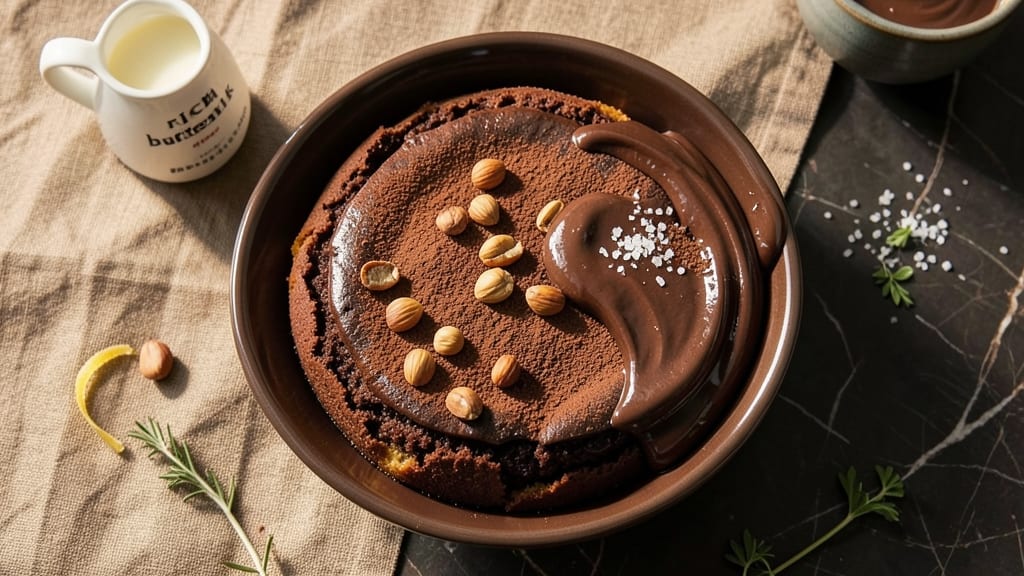
Big Al's chocolate cake delivers the kind of moist, rich layers that make every slice worth savoring. The secret? Buttermilk and a precise baking technique that keeps the texture tender without being dense. I've baked this recipe dozens of times—it's the one people always ask for seconds on, and it never disappoints.
What sets this cake apart is the balance of ingredients: cocoa powder for deep chocolate flavor, buttermilk for moisture, and a touch of espresso powder to enhance the chocolate notes. The cake bakes up with a golden crust and a velvety interior that stays moist for days, even without frosting.
It's the kind of dessert that feels special but doesn't require hours in the kitchen.
The result is a cake that's perfect for celebrations or a simple weekend treat—rich, fudgy layers that hold together beautifully. Whether you're serving it with a classic chocolate ganache or a lighter whipped cream frosting, the flavor shines through.
This is the chocolate cake recipe I turn to when I want to impress, and it never fails to deliver.
Ready to bake? The instructions are straightforward, and the tips will help you achieve that signature texture every time. Let's get started with a cake that's as foolproof as it is delicious.
Ingredients for big al's chocolate cake
Buttermilk, cocoa, and a touch of espresso—these are the stars behind Big Al's legendary moist layers.
| Ingredient | Amount | Notes |
|---|---|---|
| All-Purpose Flour 🌾 | 2 ½ cups | Sifted for even texture |
| Unsalted Butter 🧈 | 1 ½ cups | Room temperature, softened |
| Granulated Sugar 🍚 | 2 cups | Light brown sugar for depth |
| Cocoa Powder 🍫 | ¾ cup | Natural unsweetened cocoa |
| Buttermilk 🥛 | 1 ½ cups | Homemade or store-bought |
| Large Eggs 🥚 | 2 whole | Room temperature for blending |
| Vanilla Extract 🍃 | 2 tsp | Pure vanilla for aroma |
| Espresso Powder ☕ | 1 tsp | Enhances chocolate flavor |
| Baking Soda 🧂 | 1 tsp | For lift and tenderness |
| Salt 🧂 | ½ tsp | Fine sea salt preferred |
| Vegetable Oil 🫒 | ½ cup | Lightens texture slightly |
| Hot Water 💧 | ½ cup | For blooming cocoa |
The cocoa powder makes all the difference—Hershey's Special Dark or Dutch-processed both work, but avoid Dutch-processed if you want that classic chocolate tang. Grab the buttermilk from the dairy section (or make your own with milk and vinegar)—it's non-negotiable for that tender crumb. For the espresso powder, Starbucks or local coffee shops sell it in small jars, or you can use instant espresso granules. The butter? Land O'Lakes or Plugrá are my go-tos—they melt beautifully without separating. Pro tip: Let everything sit at room temperature for at least 30 minutes before mixing.
No buttermilk? Substitute with 1.5 cups plain yogurt or 1.4 cups milk + 1.5 tbsp vinegar. Out of espresso powder? Strong brewed coffee at half the amount works in a pinch. For the cocoa, Hershey's Natural Cocoa is a solid backup if you can't find Dutch-processed. The baking soda and salt are simple, but don't skip the fine sea salt—it balances the sweetness better than table salt. And if you're worried about the cake being too dense, the vegetable oil helps keep it light while the butter adds richness.
Store the cake in an airtight container at room temperature for up to 3 days—it actually gets better as it sits. For longer storage, wrap tightly in plastic and refrigerate for up to 1 week. Freezing? Slice first, then wrap each piece individually for up to 3 months. The secret to reheating is a quick 10-second zap in the microwave—just enough to warm the filling without drying out the layers. I always bake two batches: one for the freezer and one for immediate enjoyment.
Why You'll Love This Recipe
- No Mixer Needed: I swear by this recipe when my mixer’s on the fritz—just cream butter and sugar by hand, then fold in the dry stuff. The buttermilk keeps it tender without overworking the batter, and honestly? My arms haven’t complained once.
- Rich Without Bitterness: That cocoa powder isn’t just any cocoa—it’s the Dutch-process kind, which means deep, velvety flavor without the harsh aftertaste. The buttermilk cuts through the richness just enough to keep every bite balanced, like a hug for your taste buds.
- Birthday to Brunch: Serve it warm with vanilla ice cream for a crowd-pleasing dessert, or slice it cold for breakfast with a drizzle of honey. My daughter’s school bake sale even sold out—yes, for breakfast—because it’s that versatile.
- Leftovers That Last: This cake stays moist for days (I’ve tested it), and the buttermilk base means it reheats beautifully. Perfect for prepping ahead—just wrap it tight and slice when you’re ready. My wallet thanks me too; it’s cheaper than buying a boxed mix and better.
Step-by-step instructions for Big Al's chocolate cake
Here's how to bake a rich, moist chocolate cake with layers that stay tender for days.
Bloom the Cocoa for Maximum Flavor
In a medium bowl, whisk together the 0.75 cup cocoa powder and 0.5 cup hot water until completely dissolved and smooth. This step is crucial—it ensures the cocoa fully blooms, creating a deeper chocolate flavor throughout the cake. Let the mixture sit for 5 minutes to cool slightly before using.
While the cocoa mixture cools, measure out the 2.5 cups all-purpose flour, 1 tsp baking soda, and 0.5 tsp salt in a separate bowl. Sift them together gently to remove any lumps and aerate the flour. This prevents dense layers and helps create that perfect tender crumb we're after.
Cream Butter and Sugar Until Light
In a large mixing bowl, combine the 1.5 cups softened unsalted butter with the 2 cups granulated sugar. Using a hand mixer or stand mixer, beat on medium-high speed for 3-4 minutes until the mixture is light and fluffy, and the color changes from pale yellow to a slightly off-white. You'll see it nearly double in volume—this incorporates air that helps create a tender crumb.
Here's the thing—if you rush this step, you'll end up with a dense cake. You want to see ribbons form when you lift the beaters, and the mixture should look almost like whipped butter. This is the foundation of our moist texture.
Add Eggs and Flavorings
Add the 2 whole large eggs, one at a time, mixing well after each addition. Then stir in the 2 tsp vanilla extract and 1 tsp espresso powder. The espresso powder might seem unusual, but it enhances the chocolate flavor beautifully by adding a subtle depth. Mix until just combined—you shouldn't see any streaks of vanilla or espresso powder remaining.
Next, pour in the 0.5 cup vegetable oil and mix again until fully incorporated. The oil helps keep the cake moist longer, and combined with the buttermilk we'll add later, creates that signature tender texture. This is where the "secret buttermilk trick" starts to work its magic.
Combine Wet and Dry Ingredients
With the mixer on low speed, gradually add the dry ingredients (flour mixture) to the wet ingredients. Mix just until combined—about 30 seconds. Overmixing develops gluten, which can make the cake tough. You'll see a few streaks of flour remaining, and that's perfect.
Now, in a separate bowl, whisk the 1.5 cups buttermilk with the bloomed cocoa mixture. The buttermilk adds moisture and acidity that helps activate the baking soda for lift. Slowly pour this mixture into the cake batter while mixing on low speed until just combined. The batter will be thick but smooth—don't overmix or you'll deflate all that air we worked so hard to incorporate.
Bake to Perfect Doneness
Preheat your oven to 350°F and grease two 8-inch round cake pans, lining the bottoms with parchment paper. Divide the batter evenly between the pans, smoothing the tops with a spatula. Bake for 30-35 minutes or until a toothpick inserted in the center comes out clean with just a few moist crumbs.
I always check at the 28-minute mark because ovens vary. The edges should be pulling away slightly from the pan, and the cake should spring back when gently pressed in the center. Let the cakes cool in the pans for 10 minutes before transferring to a wire rack to cool completely. This gradual cooling prevents cracking and helps maintain that moist texture.
Pro Tips For Making Big Al'S Chocolate Cake
- MEASURE BUTTER COLD: I learned this the hard way—soft butter in this cake makes it dense. Take the butter straight from the fridge, cut it into tablespoons, and let it sit out for exactly 20 minutes before creaming. You want it soft enough to mix but still hold its shape when pressed. (Yes, even if you're impatient like me.)
- SIFT THE COCOA: This isn’t about aeration—it’s about avoiding lumps that turn into dry pockets. Use a fine-mesh sieve and tap the bottom of the bowl with your finger to break up any stubborn clumps in the cocoa powder before mixing. Trust me, your cake will thank you when it comes out fudgy, not gritty.
- DON’T OVERMIX THE BATTER: After adding the buttermilk, mix just until the flour is barely incorporated. I used to beat this like I was punishing the batter, and the cake turned out tough. Stop when the dry ingredients disappear—no streaks, no overworking. The gluten doesn’t need a workout here.
- CHILL THE BATTER 30 MINUTES: This is the thing that matters most for a crack-free top. After mixing, pop the batter in the fridge while you preheat the oven. The cold slows the rise, so the cake doesn’t domed and collapse in the middle. (Pro move: Cover it loosely with plastic wrap if you’re nervous about spills.)
Serving suggestions for this big al's chocolate cake
Classic Frosting Options
For a timeless presentation, I recommend a chocolate ganache made with 8 ounces dark chocolate (I love Ghirardelli 60% cocoa) and ½ cup heavy cream heated until smooth.
Spread between cooled layers and over the top for an elegant finish. 🍫 For something lighter, try vanilla buttercream—whip 1 cup softened butter, 3 cups powdered sugar, and 2 tbsp vanilla extract until fluffy.
Need a showstopper? A salted caramel glaze takes this cake to the next level. Simmer 1 cup sugar with ½ cup heavy cream and 2 tbsp butter until golden, then drizzle over the cake. Finish with flaky sea salt—trust me, the contrast is magical.
Fresh Fruit Pairings
Brighten the richness with strawberries or raspberries. Arrange fresh berries on top of the cake for a pop of color and acidity that cuts through the chocolate.
I like to dip the berries in white chocolate for extra flair. 🍓 For a tropical twist, use mango slices or kiwi—their sweetness complements the cake beautifully.
Citrus lovers should try orange zest sprinkled over the frosting or a lemon curd drizzle. The tangy notes refresh the palate and balance the sweetness. Even a simple raspberry coulis (blend 1 cup raspberries with 1 tbsp sugar) adds a sophisticated touch.
Boozy Upgrades
Add a sophisticated twist with bourbon or rum. Drizzle 2 tbsp bourbon over the cake layers before frosting, or fold 1 tbsp dark rum into the buttercream for a subtle boozy aroma.
For a stronger kick, brush the cake with a Kahlúa-chocolate glaze (mix ¼ cup Kahlúa with ½ cup melted chocolate).
Espresso lovers can enhance the flavor with a coffee-infused glaze. Simmer ½ cup strong coffee with ½ cup sugar and 2 tbsp butter until thickened, then drizzle over the cake. The coffee deepens the chocolate notes without overpowering them. ☕
Serving Presentation
For a rustic look, dust the cake with powdered sugar or cocoa powder using a fine-mesh sieve. Stack the layers on a wooden board or slate platter for a farmhouse vibe. Add edible flowers or mint leaves for a fresh, elegant touch.
For a modern twist, slice the cake into individual portions and serve on small plates with a dollop of whipped cream. Garnish with chocolate shavings or gold leaf for a restaurant-worthy presentation. The key is to highlight the cake's rich texture while adding visual contrast.
Nutrition facts
Frequently asked questions
Why does this chocolate cake stay moist longer than others?
The secret lies in the combination of buttermilk and vegetable oil. Buttermilk adds moisture and acidity that keeps the cake tender, while the oil prevents dryness. The espresso powder also enhances the chocolate flavor without adding extra fat that could make the cake dense. Plus, the gradual cooling process after baking locks in moisture for days!
Can I make this cake without buttermilk?
Yes! The best substitutes are 1.5 cups plain yogurt or 1.4 cups milk + 1.5 tbsp vinegar. Let the substitute sit for 5 minutes before using to mimic buttermilk's tangy properties. The cake will still turn out moist, though the texture might be slightly less tender. For best results, use the exact measurements and don't overmix.
What's the best way to store leftover cake?
Store the cake in an airtight container at room temperature for up to 3 days. For longer storage, wrap tightly in plastic and refrigerate for up to 1 week. To freeze, slice first, then wrap each piece individually in plastic wrap and place in a freezer bag for up to 3 months. Thaw overnight in the fridge—never at room temperature.
How do I know when the cake is fully baked?
Insert a toothpick into the center—the cake is done when it comes out with just a few moist crumbs (not wet batter). The edges should pull away slightly from the pan, and the cake should spring back when gently pressed. Start checking at 28 minutes since ovens vary. Overbaking can make the cake dry, so pull it out as soon as it passes the toothpick test!
Can I use this recipe for cupcakes instead?
Reduce the batter to fill 12-15 cupcake liners (about 2/3 of the original recipe). Bake at 350°F for 18-20 minutes or until a toothpick comes out clean. The same moist texture applies, but cupcakes bake faster. For extra flair, top with a dusting of cocoa powder or a small dollop of whipped cream.