
Desserts
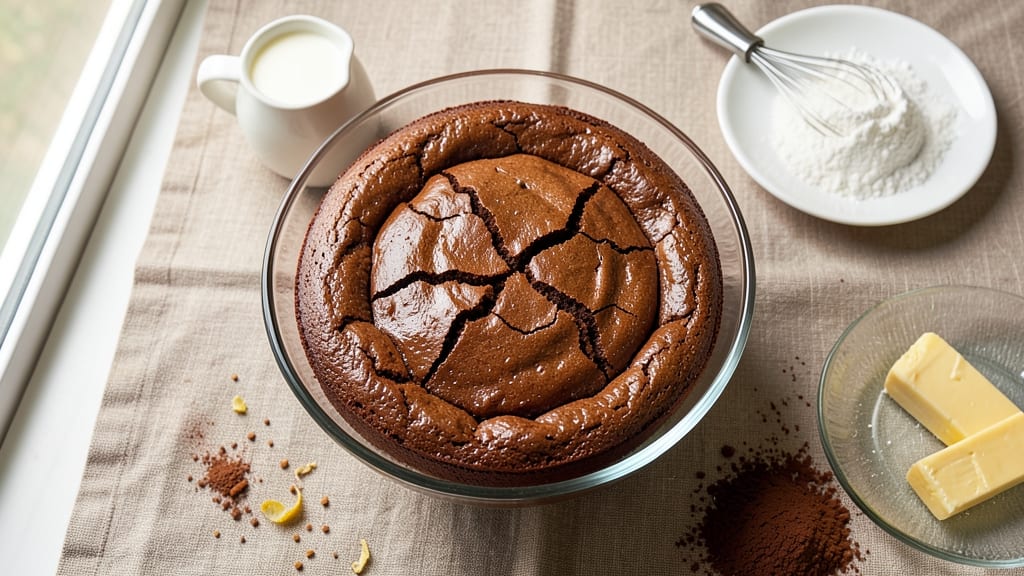
This basic moist chocolate cake recipe delivers a one-bowl wonder with a secret buttermilk trick that keeps it tender for days. The key to perfect moisture lies in the right balance of ingredients and technique—no dry crumbs or dense texture here.
I perfected this recipe after years of baking experiments, and it never fails to impress, whether served plain or with a simple ganache.
The foundation starts with creaming butter and sugar until light and fluffy, then folding in buttermilk for that signature moistness. A single layer in a 9-inch pan bakes at 350°F for about 30 minutes, yielding a rich, fudgy crumb that stays soft even after cooling.
The buttermilk reacts with baking soda to create tiny air pockets, ensuring every slice is tender and rich without being heavy.
What sets this recipe apart is its foolproof simplicity—just one bowl, minimal mixing, and no fancy equipment. The cake pairs beautifully with a dark chocolate ganache or classic buttercream, but even on its own, it’s a crowd-pleaser.
Whether you're a beginner or a seasoned baker, this method guarantees restaurant-quality results every time.
For extra insurance, line the pan with parchment paper to prevent sticking, and don’t overmix the batter—just combine until combined. The secret buttermilk trick isn’t just a gimmick; it’s the difference between a cake that dries out and one that stays perfectly moist for days. Let’s get baking!
Ingredients for basic moist chocolate cake
Nine essential ingredients transform into a restaurant-quality chocolate cake with one bowl and minimal effort.
| Ingredient | Amount | Notes |
|---|---|---|
| Unsalted Butter 🧈 | 1 cup | Softened to room temperature |
| Granulated Sugar 🍚 | 1 ½ cups | Light brown preferred |
| Cocoa Powder 🍫 | ¾ cup | Dutch-processed for smoothness |
| Large Eggs 🥚 | 2 whole | Room temperature for best mixing |
| Buttermilk 🥛 | 1 cup | Homemade or store-bought |
| All-Purpose Flour 🌾 | 1 ½ cups | Sifted for light texture |
| Baking Soda 🧂 | ½ tsp | Pure, not baking powder |
| Salt 🧂 | ½ tsp | Fine sea salt preferred |
| Vanilla Extract 🌿 | 1 tsp | Pure vanilla bean extract |
| Vegetable Oil 🫒 | ½ cup | Light neutral oil |
| Hot Water 💧 | ¼ cup | To bloom cocoa powder |
The Dutch-processed cocoa powder is non-negotiable here—it dissolves smoothly without bitterness, creating that velvety texture. Hershey's Special Dark or Valrhona are my go-tos, but any high-quality Dutch-processed will work. The butter must be softened to room temperature (60-65°F) for proper creaming—microwave in 20-second bursts if needed. For the buttermilk, if you don't have it on hand, mix 1 tablespoon vinegar or lemon juice with 1 cup milk and let sit for 5 minutes. The light brown sugar adds subtle caramel notes that elevate the flavor beyond basic white sugar.
No Dutch-processed cocoa? Natural cocoa powder plus 1 extra tablespoon sugar mimics the flavor profile. Short on buttermilk? Plain yogurt thinned with milk works in a pinch, though the texture will be slightly denser. The vegetable oil ensures moisture without butter's dairy influence—use light olive oil if preferred, but avoid strong-flavored varieties. For the eggs, room temperature is critical; cold eggs create air pockets that deflate during baking. The hot water is essential for blooming the cocoa powder—it creates a smoother batter and deeper chocolate flavor.
Store the batter in an airtight container in the fridge for up to 24 hours before baking—this allows flavors to meld beautifully. The baked cake keeps well at room temperature for 3 days, wrapped tightly in plastic. For longer storage, slice and freeze portions for up to 3 months. The parchment-lined 9-inch pan is a game-changer—it prevents sticking and makes removal effortless. If you must use a metal pan, lightly grease with oil before lining. The secret buttermilk trick ensures this cake stays moist for days, not just hours.
Why You'll Love This Recipe
- Five-Ingredient Magic: I swear, this cake is foolproof—just butter, sugar, cocoa, eggs, and buttermilk. No fancy mix-ins, no stress, and no room for mistakes.
- Rich Without Effort: That buttermilk tenderizes the crumb while the melted butter keeps it moist for days. The cocoa? Deep, bittersweet perfection that doesn’t need frosting to shine.
- Birthday or Breakfast: Slice it warm with whipped cream for a celebration, or pack it in the fridge for a no-fuss snack. Honestly, I’ve served it at brunch, potlucks, and midnight cravings—no judgment here.
- Budget-Friendly Staples: You’re already using pantry basics, so this cake costs pennies to make. Plus, leftovers stay soft for days, meaning less waste and more cake for less. Win-win.
Step-by-step instructions for one-bowl chocolate cake
This method delivers a perfectly moist chocolate cake with tender crumb and rich flavor—no fancy equipment required.
Bloom the Cocoa Powder for Maximum Flavor
In a heatproof bowl, whisk together the 0.75 cup cocoa powder and 0.25 cup hot water until completely dissolved. This creates a smooth paste that prevents streaks in your batter. Let it cool to room temperature before proceeding—this step ensures even distribution of cocoa throughout the cake.
The reason for using hot water here is to fully activate the cocoa's flavor compounds. If you skip this, you risk dry spots or uneven texture. I always use Dutch-processed cocoa powder because it's smoother and less bitter than natural cocoa, which makes a noticeable difference in the final cake's taste profile.
Cream Butter, Sugar, and Oil for Light Texture
In a large mixing bowl, combine the 1 cup softened unsalted butter, 1.5 cups granulated sugar, and 0.5 cup vegetable oil. Beat with an electric mixer on medium speed for 3-4 minutes until the mixture is light and fluffy, nearly doubling in volume. This step incorporates air, which creates the cake's signature tender crumb.
You'll know it's ready when the mixture changes from pale yellow to a lighter, almost creamy color. I press down on the mixture with a spatula—if it springs back slowly, it's properly aerated. This is where the cake's moisture comes from, so don't rush this step. The butter should be completely softened but not melted, or you'll lose that air incorporation.
Add Eggs and Vanilla for Structure
Add the 2 whole large eggs, one at a time, mixing well after each addition. Then stir in the 1 teaspoon vanilla extract. The eggs provide structure while keeping the cake moist. I always use room-temperature eggs because they mix more smoothly and create a lighter batter than cold eggs.
At this point, scrape down the sides of the bowl to ensure all ingredients are fully incorporated. The mixture should be thick but still pourable. If you notice any curdling, don't worry—it will smooth out when we add the dry ingredients. The vanilla extract adds depth of flavor that complements the chocolate beautifully.
Combine Wet and Dry Ingredients Gently
In a separate bowl, sift together the 1.5 cups all-purpose flour, 0.5 teaspoon baking soda, and 0.5 teaspoon salt. With the mixer on low speed, gradually add the dry ingredients to the wet mixture, mixing just until combined. Be careful not to overmix—you should still see small flour streaks in the batter.
Next, pour in the 1 cup buttermilk and mix on low speed until just combined. The buttermilk is the secret to this cake's moisture—its acidity tenderizes the gluten, preventing a tough crumb. The batter should be thick but smooth, with no dry spots. If it looks too thick, you can add 1-2 tablespoons of milk to reach the perfect consistency.
Bake to Perfect Doneness
Preheat your oven to 350°F and grease two 8-inch round cake pans with butter or baking spray. Divide the batter evenly between the pans and smooth the tops. Bake for 30-35 minutes, or until a toothpick inserted into the center comes out clean with just a few moist crumbs.
I check for doneness at the 28-minute mark—this cake rises quickly. The edges should be set, but the center should still look slightly underbaked. Let the cakes cool in the pans for 10 minutes, then transfer to a wire rack to cool completely. This cooling period is crucial—it allows the cake to set properly and prevents it from becoming gummy.
Pro Tips For Making Basic Moist Chocolate Cake
- MELT BUTTER SLOWLY: I learned this the hard way—dumping cold butter into hot liquid makes lumps that never dissolve. Instead, cut the butter into small cubes, then melt it in the microwave in 10-second bursts, stirring between each. Fully melted butter blends smoother into your cake batter, and you’ll avoid that greasy texture from uneven mixing.
- WHISK EGGS ROOM TEMP: Cold eggs from the fridge mix like glue in cake batter. Pop them out 30 minutes before you start, or run the shells under warm water for 10 seconds. Room-temperature eggs whip up lighter and incorporate better with the butter and sugar, giving you that signature tender crumb.
- DON’T OVERMIX THE BATTER: The second you see streaks of flour disappear, stop stirring. I used to think mixing longer meant a better cake, but overworking the batter introduces too much gluten, turning your moist chocolate dream into a dense brick. A few lumps are fine—just fold gently until just combined.
- TEST DONENESS WITH A TOOTHPICK: This isn’t the prettiest method, but it’s the tastiest. After 25–30 minutes, stick a toothpick in the center—it should come out with a few moist crumbs, not wet batter. If it’s dry, you’ve overbaked; if it’s sticky, tent with foil and give it 5 more minutes. Trust the toothpick, not the recipe’s time.
Creative variations of these flavors
Fudgy Brown Sugar Twist
Swap ½ cup of the granulated sugar for light brown sugar to deepen the molasses notes and create a denser, fudgier texture. The extra moisture from the brown sugar keeps the cake ultra-tender, almost like a brownie.
I like to add ¼ teaspoon cinnamon to the dry ingredients for warmth—it pairs beautifully with the chocolate. 🍫
Espresso Infusion
Add 1 tablespoon instant espresso powder to the dry ingredients for a sophisticated coffee-chocolate flavor. The espresso intensifies the chocolate taste without overpowering it.
For an even stronger kick, steep 1 tablespoon finely ground coffee in 2 tablespoons hot water, then strain and use it to replace the regular hot water in the blooming step. This works surprisingly well with dark chocolate frostings.
Orange Zest Brightness
Zest 1 large orange and add it to the wet ingredients for a citrusy contrast that cuts through the richness. The acidity balances the sweetness, while the oils add a subtle aromatic depth.
I recommend using the zest only (no pith) to avoid bitterness. This variation pairs perfectly with a cream cheese frosting for a springtime dessert. 🍊
Almond Flour Swap
Replace ½ cup of the all-purpose flour with almond flour for a nutty, gluten-free option that stays moist. The almond flour adds a lovely texture and subtle sweetness that complements the chocolate.
For best results, use finely ground almond flour and add 1 extra tablespoon of vegetable oil to maintain moisture. This version works beautifully with a salted caramel drizzle.
Spiced Chai Version
Add ½ teaspoon ground cardamom, ¼ teaspoon ground ginger, and ¼ teaspoon cinnamon to the dry ingredients for a warm chai-inspired twist. The spices create a cozy, aromatic cake that pairs well with a ginger-infused simple syrup.
This variation is perfect for fall and winter gatherings when you want something comforting yet elegant.
White Chocolate Swirl
Melt ½ cup white chocolate chips with 1 tablespoon vegetable oil over low heat, then swirl it into the batter before baking. The white chocolate creates beautiful marbled streaks throughout the cake.
For extra drama, sprinkle crushed pistachios on top before baking. This version feels indulgent but remains surprisingly light thanks to the buttermilk's tenderizing effect.
Nutrition facts
Frequently asked questions about moist chocolate cake
Why does buttermilk make this cake so moist?
The buttermilk's acidity tenderizes the gluten in the flour, creating a lighter texture while its fat content adds richness. When combined with baking soda, it produces tiny air pockets that keep the cake ultra-moist for days. This is why we never substitute it with regular milk!
Can I use natural cocoa powder instead of Dutch-processed?
Yes, but add 1 extra tablespoon of sugar to balance the bitterness. Natural cocoa has a stronger flavor and requires the extra sweetness. For best results, use high-quality natural cocoa like Hershey's Natural Cocoa and bloom it with hot water just like the recipe directs.
How do I prevent cracking on the top?
Overbaking is the main culprit! Remove the cake when a toothpick comes out with just a few moist crumbs (around 30 minutes). Let it cool in the pan for 10 minutes before transferring. For extra insurance, bake at 325°F instead of 350°F—this gives more even baking without overcooking the top.
What's the best way to store leftover cake?
Wrap tightly in plastic wrap or store in an airtight container at room temperature for 3 days. For longer storage, slice and freeze portions for up to 3 months. The buttermilk trick helps it stay moist even after freezing—just thaw at room temperature before serving.
Can I make this cake in a different pan size?
Yes! For a 9-inch round pan, bake for 30-35 minutes. For a 9x13-inch pan, reduce baking time to 25-30 minutes and increase batter by 25%. Always check doneness with a toothpick. The key is to avoid overbaking—this cake is best slightly underdone in the center for maximum moisture.