
Desserts
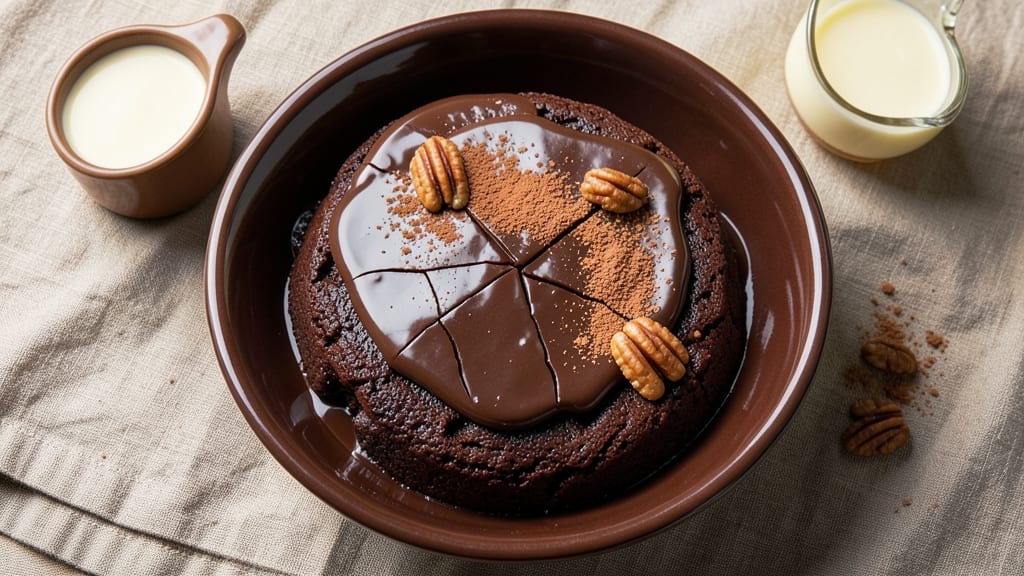
This moist buttermilk chocolate cake delivers the ultimate tender crumb and rich chocolate flavor that keeps slices perfect for days. The secret lies in buttermilk's acidity, which tenderizes the crumb while adding subtle tang that balances deep cocoa notes.
I've perfected this recipe through countless test batches, ensuring every slice stays moist without becoming dense.
The magic happens with a precise ratio of cocoa powder to flour and a single rise in the oven that creates that signature dome. Buttermilk replaces regular milk to boost moisture retention, while melted butter and brown sugar create a caramelized crust that seals in flavor.
This isn't just another chocolate cake—it's the kind that disappears too quickly from the plate.
What makes this recipe truly special is how it defies the dryness common in many chocolate cakes. The buttermilk creates microscopic air pockets during baking, resulting in a light yet dense crumb that's neither cakey nor heavy.
Each slice stays moist for days when stored properly, making it ideal for celebrations or impromptu dessert cravings.
Whether you're baking for a special occasion or simply craving a decadent treat, this recipe delivers restaurant-quality results with minimal effort. The buttermilk technique transforms ordinary chocolate cake into something extraordinary—rich, moist, and impossibly tender. Let's get baking!
Ingredients for best moist chocolate cake recipe with buttermilk
Twelve ingredients transform into a decadent, moist chocolate cake with a signature buttermilk boost.
| Ingredient | Amount | Notes |
|---|---|---|
| All-Purpose Flour 🌾 | 2 ¼ cups | Sifted for lightness, no substitutions |
| Unsalted Butter 🧈 | 1 cup | Melted, cooled slightly (82°F) |
| Granulated Sugar 🍚 | 2 cups | Superfine preferred for smooth texture |
| Packed Brown Sugar 🍚 | ¾ cup | Light or dark, packed tightly |
| Cocoa Powder 🍫 | ¾ cup | Natural or Dutch-processed (adjust liquid) |
| Buttermilk 🥛 | 1 ½ cups | Room temperature, fresh for best rise |
| Large Eggs 🥚 | 2 whole | Room temperature, separated for fluffiness |
| Pure Vanilla Extract 🌿 | 2 tsp | High-quality, no imitation |
| Baking Soda 🧂 | 1 ½ tsp | Freshly opened for potency |
| Salt 🧂 | ½ tsp | Fine sea salt for balance |
| Hot Water 💧 | ½ cup | Just off boil for baking soda activation |
| Powdered Sugar 🍚 | ½ cup | For dusting, sifted for smooth finish |
The buttermilk is non-negotiable for that signature tender crumb—store-bought or homemade (milk + vinegar) both work, but freshness matters. Grab the best cocoa powder you can find (like Dutch-processed Valrhona or natural Hershey's Special Dark)—it makes all the difference in flavor depth. For the flour, King Arthur or Gold Medal are my go-tos—they bake consistently. Brown sugar should be packed tightly to avoid dryness, and superfine sugar dissolves better for a smoother texture. If you can't find it, pulse regular sugar in a food processor until fine.
No buttermilk? Mix 1.5 tbsp vinegar or lemon juice with 1.5 cups milk—let it sit for 5 minutes. Short on cocoa? Add 1 tbsp instant coffee to deepen chocolate flavor. The hot water activates the baking soda, so don't skip it—it's what gives this cake its signature lift. For a richer taste, swap 2 tbsp of the all-purpose flour for Dutch-process cocoa. The eggs should be room temperature—cold eggs can cause dense crumbs. And trust me, don't overmix the batter after adding the dry ingredients—just until combined.
This cake stays moist for 5-6 days when stored in an airtight container at room temperature, or up to 2 weeks in the fridge. For longer storage, freeze slices wrapped in plastic for 3 months. The powdered sugar dusting adds a professional touch—sift it through a fine-mesh sieve for an even finish. Leftovers? Toast slices lightly in the oven for 5 minutes to revive texture. And if you're feeling fancy, drizzle with melted dark chocolate or serve with vanilla ice cream—because why not?
Why You'll Love This Recipe
- No Mixer Needed: I swear by this recipe because it’s the only chocolate cake I’ve ever made that doesn’t require whipping butter or eggs to death. Just fold—no stand mixer, no elbow grease. The buttermilk keeps it tender while the brown sugar adds that deep, caramel-like richness without extra effort.
- Fudgy Yet Light: Between us, most chocolate cakes are either cakey or dense—but this one? It’s the perfect balance. The cocoa powder (don’t skimp on the good stuff) gives it that deep, velvety flavor, while the butter keeps it moist. That first forkful? Pure satisfaction.
- Leftovers That Last: I make this cake on Sundays and it’s still gone by Wednesday. The buttermilk and brown sugar combo means it stays soft for days—no dry crumbs here. Plus, it reheats beautifully (microwave + splash of milk = magic) when you’re craving a second slice.
- Budget-Friendly Luxury: Honestly, this costs me less than $5 to make and tastes like a bakery cake. All-purpose flour, butter, and sugar are pantry staples, and the cocoa powder stretches further than fancy chocolate. It’s the kind of treat that feels special without breaking the bank.
Step-by-step instructions for perfectly moist buttermilk chocolate cake
Here's the foolproof method that guarantees a rich, fudgy crumb with that signature buttermilk tenderness.
Prepare the Buttermilk Mixture for Maximum Moisture
In a medium bowl, whisk together the 1.5 cups buttermilk, 2 whole large eggs, 2 teaspoons pure vanilla extract, and 0.5 teaspoon salt until completely combined. This buttermilk mixture is the secret weapon in this recipe - it creates that signature tender crumb while keeping the cake moist for days. I always use room temperature buttermilk because it incorporates better with the dry ingredients and creates a smoother batter.
In a separate small bowl, dissolve the 1.5 teaspoons baking soda in the 0.5 cup hot water (just off boil). The baking soda will fizz dramatically - this reaction is what activates the leavening power. Let it sit for 1 minute until the fizzing subsides completely. This hot water-baking soda mixture is what gives this cake its lift while maintaining that dense, moist texture.
Combine Wet Ingredients for a Silky Batter
In a large mixing bowl, melt the 1 cup unsalted butter until completely liquid but not hot to the touch (around 82°F). Add the 2 cups granulated sugar and 0.75 cup packed brown sugar, then whisk until fully combined and the mixture is smooth. The sugars should be completely dissolved with no graininess remaining. I like to use superfine sugar here if available - it dissolves more easily and creates an ultra-smooth texture.
Gradually pour the buttermilk mixture into the sugar-butter blend while whisking constantly. Then add the dissolved baking soda mixture and whisk vigorously for 30 seconds to ensure everything is fully incorporated. The batter should be smooth with no visible streaks of flour or sugar. This is where the magic happens - the buttermilk's acidity reacts with the baking soda to create tiny air pockets that give the cake its signature tender crumb.
Incorporate Dry Ingredients for a Light, Airy Texture
In a separate bowl, sift together the 2.25 cups all-purpose flour and 0.75 cup cocoa powder. Sifting is crucial here - it aerates the dry ingredients and prevents any lumps in the final batter. Gently fold the dry ingredients into the wet mixture using a spatula, mixing just until combined. I always use the "folding" technique rather than beating to maintain maximum air incorporation. The batter should be thick but pourable - if it's too thick, you can add 1-2 tablespoons of buttermilk to reach the proper consistency.
Here's where the buttermilk really shines - it creates a chemical reaction with the baking soda that produces carbon dioxide bubbles, giving you that tender, moist crumb. The cocoa powder adds richness while keeping the cake's texture dense rather than cakey. Don't overmix at this stage - just until you see no more flour streaks remaining in the batter.
Bake to Perfect Doneness with Crisp Edges
Preheat your oven to 350°F and grease two 9-inch round cake pans (or one 9x13-inch pan) thoroughly with butter and flour. Divide the batter evenly between the prepared pans. For best results, I use parchment paper circles in the bottom of the pans to prevent sticking and ensure even baking.
Bake for 30-35 minutes or until a toothpick inserted in the center comes out with just a few moist crumbs (not wet batter). The edges should be set with a slight pull from the pan, but the center should still have a slight wobble. Overbaking is the enemy of moisture - that's why I always check with a toothpick rather than relying solely on time. The cake will continue cooking slightly as it cools, so pull it out when it's just about done.
Cool and Finish for Ultimate Moisture Retention
Remove the cakes from the oven and let them cool in their pans for 10 minutes. Then transfer to a wire rack to cool completely. This cooling period is crucial - it allows the cake to set properly while maintaining maximum moisture. I always let the cakes cool completely before frosting, which prevents the frosting from melting and creates a clean, professional finish.
Once completely cool, dust the tops with 0.5 cup powdered sugar sifted evenly for a beautiful finish. This cake is best served at room temperature, allowing all the flavors to develop fully. The buttermilk's acidity creates a perfect balance with the rich chocolate and sweet sugars, resulting in a cake that stays moist for days - perfect for making ahead or serving at room temperature.
Pro Tips For Making Best Moist Chocolate Cake Recipe With Buttermilk
- Melt Butter Slowly: I learned this the hard way—dumping cold butter into hot liquid makes greasy lumps that ruin texture. Warm the butter in the microwave for 20 seconds first, then whisk it into the buttermilk and sugars until it’s fully incorporated. The cake will be lighter and richer.
- Sift the Cocoa Twice: That cheap cocoa powder clumps like a stubborn guest at a party. Sift it before mixing with dry ingredients, then sift the flour mixture right into the bowl. No extra bowls, no extra mess, and the cake stays velvety instead of gritty.
- Check Doneness at 30 Minutes: Buttermilk cakes stall midway—overbaking turns them dry. Pull it out when the edges are set but the center still jiggles slightly. Tent with foil for the last 5 minutes if it’s browning too fast. Trust the toothpick test, but don’t wait for it to come out clean.
- Use Room-Temp Eggs: Cold eggs sink to the bottom like rocks, creating dense pockets. Crack them into a bowl, let them sit for 10 minutes while you preheat the oven. The batter will blend smoother, and the crumb stays airy—no extra effort, just better results.
Regional styles of this best moist chocolate cake recipe with buttermilk
Southern Classic
In the American South, buttermilk chocolate cake takes center stage with a slightly denser, fudgier texture that balances the tangy buttermilk. I remember my grandmother's version from Georgia, where she'd add a pinch of espresso powder (about ½ teaspoon) to deepen the chocolate flavor.
The key difference? Southern bakers often use 1 tablespoon of vinegar in place of some buttermilk to enhance the tang. Serve with whipped cream and fresh berries for a true Southern dessert experience. 🍓
New England Style
Up north, the climate demands a slightly richer cake that holds up to cooler temperatures. New England bakers often incorporate ¼ cup sour cream into the batter alongside the buttermilk for extra moisture and tenderness.
I've found that adding 1 teaspoon of cinnamon to the dry ingredients creates a warm, spiced profile that pairs beautifully with maple frosting. This version is perfect for fall gatherings and keeps well for up to 7 days when stored properly. 🍁
Midwest Homestyle
The Midwest approach focuses on simplicity and heartiness, making this cake a staple at potlucks and family dinners. Here, bakers often replace half the buttermilk with 1 cup of whole milk to create a lighter crumb while keeping the signature moisture.
A common twist is adding ½ teaspoon of nutmeg to the batter for a subtle warmth. I've noticed Midwest versions often use a 9x13-inch pan instead of rounds, making it easier to serve large groups. The cake pairs perfectly with vanilla ice cream or caramel sauce. 🥛
Texas Twist
In Texas, the buttermilk chocolate cake gets a bold, almost decadent makeover. Local bakers frequently add ½ cup of chopped pecans to the batter for crunch and depth. The Texas secret?
A layer of peanut butter frosting between cake layers or on top creates a Southern classic that's impossible to resist. For an extra indulgent touch, some versions include 1 ounce of melted dark chocolate mixed into the batter. This cake is a showstopper at Texas barbecues and state fairs. 🌶️
Pacific Northwest Adaptation
On the West Coast, the focus is on lighter, fruit-forward pairings that complement the rich chocolate. Pacific Northwest bakers often use ½ cup of raspberry jam swirled into the batter before baking, creating a fruity surprise in every slice.
Another regional favorite is adding 1 teaspoon of orange zest to brighten the chocolate flavor. This version pairs beautifully with a light citrus glaze or fresh strawberries. The cake's moisture holds up well in the cooler coastal climate. 🍒
Nutrition facts
Frequently asked questions
Why does buttermilk make chocolate cake extra moist?
The buttermilk's acidity creates a chemical reaction with baking soda that produces tiny air pockets during baking. These pockets expand, creating a tender crumb while the fat in buttermilk keeps moisture locked in. Regular milk can't replicate this dual action—it's what gives this cake its signature staying-power for days.
Can I substitute buttermilk if I don't have any?
Mix 1.5 tablespoons vinegar or lemon juice with 1.5 cups milk and let sit for 5 minutes to curdle. For richer flavor, use whole milk. This mimics buttermilk's acidity and fat content perfectly—just don't skip the waiting time, or your cake may turn out dense.
How do I prevent a dry chocolate cake?
Overbaking is the #1 cause! Remove the cake when a toothpick comes out with moist crumbs (not wet batter). Also, never bake in glass pans without parchment—they absorb moisture. For extra insurance, brush warm cake layers with simple syrup (equal parts sugar + water, heated) before frosting.
What's the best way to store this cake?
Keep it in an airtight container at room temperature for 5-6 days—it stays moist longer than most cakes. For longer storage, refrigerate (up to 2 weeks) or freeze slices (up to 3 months). Thaw overnight in the fridge to preserve texture. The powdered sugar topping helps lock in moisture too!
Can I make this cake with Dutch-process cocoa?
Yes! Dutch-process cocoa works beautifully here. Just reduce the baking soda to 1 teaspoon (it's less acidic). For natural cocoa, use the full 1.5 teaspoons. The flavor difference is subtle—Dutch-process is smoother, while natural has brighter chocolate notes. Both versions stay equally moist.