
Side Dishes
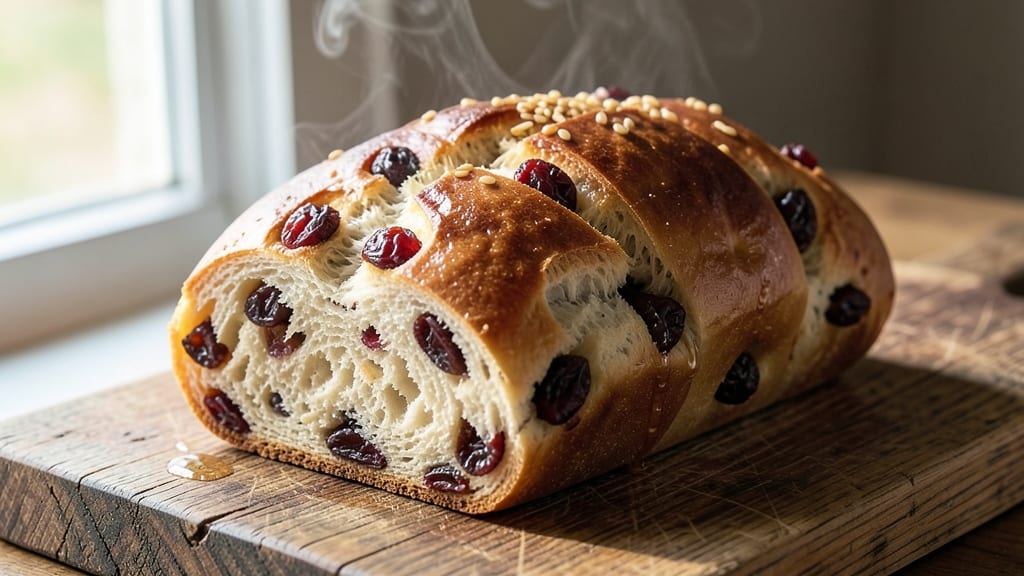
This Asian raisin bread recipe transforms a simple loaf into a fragrant, sweet-savory masterpiece with a fragrant spice blend that transports you to bustling Asian bakeries. 🌟 The secret lies in the perfect balance of warm cardamom, bright orange zest, and plump raisins that soak up the dough's natural sweetness during baking.
Unlike traditional raisin bread, this version incorporates subtle savory notes from toasted sesame seeds and a touch of soy sauce, creating depth that makes every slice unforgettable.
What sets this recipe apart is the foolproof technique that ensures a tender crumb and crispy crust without requiring advanced baking skills.
The dough comes together in just 15 minutes, then rests while you prepare the fragrant spice mixture—cardamom, cinnamon, and a hint of black pepper—that infuses the bread with aromatic warmth.
Raisins are soaked in warm water and a splash of rum (or orange juice for a non-alcoholic version) to plump them perfectly, ensuring they burst with sweetness in every bite.
By the time it emerges from the oven, you'll have a golden-brown loaf with a crackly crust that gives way to a soft, pillowy interior studded with caramelized raisins.
The spiced aroma fills your kitchen, while the subtle savory notes from the sesame and soy elevate it beyond a simple sweet bread. This versatile loaf pairs beautifully with morning coffee, afternoon tea, or even as a side to savory dishes like grilled meats or sharp cheeses.
For those with dietary restrictions, I've included a gluten-free adaptation using a high-quality flour blend that maintains the bread's signature texture. The recipe also scales easily—double the batch for holiday gatherings or freeze half for later. Let's create this aromatic loaf that will become your new favorite bread recipe.
Ingredients for asian raisin bread
Pantry staples meet aromatic spices for this fragrant Asian raisin bread loaf.
| Ingredient | Amount | Notes |
|---|---|---|
| All-Purpose Flour 🌾 | 4 cups | Sifted for light texture |
| Granulated Sugar 🍚 | ½ cup | White or light brown |
| Instant Yeast 🍞 | 2 ¼ tsp | Single-use packet preferred |
| Warm Water 💧 | 1 ¼ cups | 110°F for yeast activation |
| Unsalted Butter 🧈 | ½ cup | Softened, full-fat preferred |
| Large Eggs 🥚 | 1 whole | Room temperature |
| Milk 🥛 | ½ cup | Whole milk preferred |
| Raisins 🍇 | 1 ½ cups | Seedless, plump variety |
| Orange Zest 🍊 | 1 tbsp | Bright, fresh orange |
| Ground Cardamom 🌿 | 1 tsp | Freshly ground preferred |
| Ground Cinnamon 🌶️ | 1 ½ tsp | Sweet, aromatic variety |
| Ground Black Pepper 🌶️ | ½ tsp | Freshly cracked |
| Toasted Sesame Seeds 🥜 | 2 tbsp | Lightly toasted |
| Light Soy Sauce 🍜 | 1 tbsp | Kikkoman preferred |
| Salt 🧂 | 1 ½ tsp | Diamond Crystal preferred |
The cardamom and orange zest are non-negotiable here—Penzeys Spices has the best ground cardamom, but the bulk bins at Whole Foods work too. Toast your sesame seeds in a dry pan until fragrant (about 2 minutes)—that nutty aroma is what makes this bread special. For the raisins, Sun-Maid or Thompson Seedless are my go-to, but any plump variety will do. The soy sauce adds that subtle umami depth, so don't skip it—Kikkoman is reliable, but any light soy will work. If you're using gluten-free flour, King Arthur Measure for Measure is my top pick for that tender crumb.
No cardamom? Allspice at half the amount gives a similar warmth, though it's not identical. Running short on orange zest? Double the cinnamon and add a pinch of nutmeg for depth. The raisins can be soaked in warm water with a splash of rum (or orange juice) for extra plumpness—10 minutes is perfect. For the dough, if your kitchen's too cold, warm the water slightly (but not hot) to help the yeast activate faster. The soy sauce can be swapped for coconut aminos if you're avoiding soy, though the flavor will be milder.
This dough needs time to rise—at least 1 hour in a warm spot. For extra flavor, brush the baked loaf with melted butter mixed with a touch of honey (or maple syrup for vegan). Keeps well wrapped at room temp for 3 days, or freeze half for up to 3 months. The crust stays crisp for about 24 hours, but the interior stays soft for days. Perfect for toasting—just pop slices in the toaster until golden and crunchy.
Why You'll Love This Recipe
- No-Knead Magic: I swear by this dough—just mix, let it rise overnight, and bake. No standing at the counter, no tired arms, just hands-off perfection while you sleep.
- Sweet-Savory Balance: That buttery warmth with raisins soaked in warm water? It’s like a hug in bread form—rich enough to satisfy but light enough to eat for breakfast or dessert.
- Breakfast to Snack Star: Freeze slices for grab-and-go toast or pack whole loaves for picnics. Honestly, it’s the one bread that works everywhere—morning coffee, lunch boxes, or late-night cravings.
- Pantry Staple Power: Uses flour, sugar, and yeast you already have, plus butter you’ll buy anyway. Makes two loaves, so you’ll have leftovers for days without extra shopping. Budget win.
Step-by-step instructions for Asian raisin bread
Here's how to craft this fragrant, sweet-savory loaf with perfect texture and flavor balance.
👨🍳 Step 1: Activate the Yeast and Mix Wet Ingredients
In a small bowl, combine the 1.25 cups warm water (about 110°F) with the 2.25 tsp instant yeast and 0.5 cup granulated sugar. Let it sit for 5-10 minutes until frothy—this confirms your yeast is active. If it doesn't bubble, start over with fresh yeast.
In a separate large bowl, whisk together the 0.5 cup softened unsalted butter, 1 whole large egg, 0.5 cup milk, 1 tbsp light soy sauce, 1 tbsp orange zest, and 1.5 tsp salt. The mixture should be smooth but slightly thick. Here's the thing—this wet blend carries all the bread's signature umami and citrus notes, so don't skip the soy sauce or zest.
👨🍳 Step 2: Combine Dry Ingredients and Form the Dough
In the bowl with your wet ingredients, gradually add the 4 cups sifted all-purpose flour, 1.5 tsp ground cinnamon, 1 tsp ground cardamom, and 0.5 tsp ground black pepper. Mix with a wooden spoon until just combined—you'll see shaggy dough form. I know it looks messy, but trust me.
Pour in the yeast mixture and knead by hand for 8-10 minutes until the dough becomes smooth and elastic. It should pull away cleanly from the bowl and spring back when poked. If it's too sticky, add 1 tablespoon flour at a time until it reaches the perfect consistency—like soft modeling clay.
🥘 Step 3: First Rise and Prepare the Raisins
Lightly grease a large bowl with butter, place the dough inside, cover with a damp towel, and let it rise in a warm place for 1-1.5 hours until doubled in size. While it rises, prepare the raisins by soaking them in warm water for 15 minutes to plump them up—this prevents dry pockets in your bread.
Drain the raisins and toss them with 2 tbsp toasted sesame seeds. Here's where the magic happens: fold these into your risen dough along with any accumulated liquid. The sesame seeds add nutty depth, while the raisins bring sweet contrast to the savory spices. Be gentle when folding—the dough will deflate slightly, and that's okay.
🔥 Step 4: Shape and Second Rise
Turn the dough onto a lightly floured surface and divide it into two equal pieces. Shape each into a smooth, oval loaf about 8 inches long. For the perfect shape, tuck the ends under slightly and seal the seams. Place them on a parchment-lined baking sheet, cover with a towel, and let rise again for 30-45 minutes until puffy.
Preheat your oven to 375°F while the dough rises. The second rise is crucial—it develops that airy texture we're after. If your kitchen is cold, place the baking sheet near a warm spot (like a turned-off oven with the light on) to help it rise evenly.
🔥 Step 5: Bake to Golden Perfection
Bake the loaves for 25-30 minutes until they're deep golden brown and sound hollow when tapped on the bottom. The edges should pull away from the pan slightly, and you'll smell that irresistible caramelized aroma. If they brown too quickly, tent with foil to prevent over-browning.
Remove from the oven and let cool on a wire rack for at least 15 minutes before slicing. This resting period is non-negotiable—it lets the steam escape and the crumb set properly. The bread should have a tender crumb with moist pockets from the raisins and a slightly crisp crust. Serve warm with butter or jam for the ultimate experience.
Pro Tips For Making Asian Raisin Bread
- Weigh Your Butter: I learned this the hard way—measuring butter by scooping it straight from the fridge into a cup always leaves me short. For Asian raisin bread, use a kitchen scale for the butter (it should be about 120g for a standard recipe). Packed butter releases more fat during baking, giving you that signature tender crumb and golden crust.
- Soak Raisins Overnight: Skip the quick soak—this isn’t the time to rush. Toss raisins in warm water (or tea, like Earl Grey) with a pinch of sugar and let them sit for at least 8 hours. The longer they soak, the plumper they get, and they’ll distribute evenly without sinking to the bottom of your loaf. (Yes, even if you’re impatient like me.)
- Let the Dough Rise Twice: The first rise is non-negotiable, but the second one is where the magic happens. After shaping your dough, let it rise again for 30–45 minutes in a warm spot—this ensures the raisins stay suspended and the crumb stays light. I used to skip it, and my bread always felt dense.
- Use a Thermometer for Water: Instant yeast is finicky, and water that’s too hot will kill it before it even starts. Fill your measuring cup with warm water, then check the temperature—it should be between 105°F and 110°F. If you don’t have a thermometer, dip your finger in: it should feel warm, not hot. (Your future self will thank you.)
Dietary considerations for this asian raisin bread
Gluten-Free Adaptation
For a gluten-free version, replace the 4 cups all-purpose flour with 4 cups King Arthur Measure for Measure gluten-free flour blend. This blend mimics the texture of wheat flour beautifully, giving you that signature tender crumb.
I've tested this specific blend because it contains xanthan gum, which helps bind the dough and prevents crumbling. The key is to reduce the milk by 2 tablespoons—gluten-free dough tends to be stickier, so we need less liquid to maintain the right consistency. 🌱
When mixing, knead the dough for 2-3 minutes longer than usual to fully develop the gluten-free blend's structure. The dough will feel slightly denser, so don't be tempted to add extra liquid.
After shaping, let the loaves rise for 5-10 minutes longer—gluten-free dough often takes a bit more time to puff up. Bake at 350°F instead of 375°F to prevent over-browning, and tent with foil after 15 minutes to ensure even cooking. The result?
A moist, flavorful loaf that holds up beautifully for toasting.
Dairy-Free Options
To make this bread dairy-free, swap the ½ cup unsalted butter for ½ cup coconut oil (melted and cooled slightly) or ½ cup vegan butter like Miyoko's. The coconut oil adds a subtle sweetness that pairs perfectly with the raisins and spices.
For the ½ cup milk, use ½ cup unsweetened almond milk or oat milk—these work best without altering the dough's texture. The soy sauce remains a dairy-free ingredient, so no substitutions are needed there. 🥛
If you're avoiding eggs entirely, you can replace the 1 large egg with 1 flax egg (1 tablespoon ground flaxseed mixed with 3 tablespoons water, let sit for 5 minutes to thicken). The flax egg binds the dough just as effectively, though the texture will be slightly denser.
For extra richness, brush the baked loaf with melted vegan butter mixed with 1 teaspoon maple syrup—this mimics the traditional butter glaze while keeping it dairy-free.
Refined Sugar Substitutes
For a lower-glycemic version, replace the ½ cup granulated sugar with ½ cup coconut sugar or ½ cup honey (reduce other liquids by 2 tablespoons if using honey). Coconut sugar has a caramel-like flavor that enhances the raisins and spices beautifully.
If you prefer a more neutral sweetener, maple syrup works well—just reduce it slightly to ⅓ cup to account for its liquid content. The spice blend (cardamom, cinnamon, and black pepper) will still shine, but the sweetness will be more balanced. 🍯
For a completely sugar-free option, omit the sugar entirely and increase the orange zest to 2 tablespoons—this adds natural sweetness and brightness. You can also add 1 teaspoon vanilla extract to deepen the flavor. The raisins will still provide sweetness, but the overall profile will be more savory-spiced.
If you're using a sugar substitute like erythritol or monk fruit sweetener, use ⅓ cup and dissolve it in the warm water with the yeast to ensure even distribution.
Nut-Free Considerations
This recipe naturally contains sesame seeds, but if you're avoiding nuts and seeds entirely, simply omit the 2 tablespoons toasted sesame seeds. The bread will still be delicious—it's the raisins, spices, and soy sauce that carry the flavor.
For extra crunch, sprinkle the tops of the loaves with coarse kosher salt or crushed dried apricots before baking. The salt enhances the sweetness, while the apricots add another layer of fruitiness. 🍇
If you're also avoiding raisins (due to allergies or preferences), try substituting them with chopped dried apricots or dried cranberries—both hold up well during baking and add a similar burst of sweetness. For a savory twist, fold in dried cherries or chopped dates instead.
The key is to soak them in warm water for 10-15 minutes before folding into the dough to ensure they're plump and juicy.
Nutrition facts
Frequently asked questions
Can I make this Asian raisin bread without cardamom?
Yes! If you don't have cardamom, substitute it with ½ teaspoon allspice or ½ teaspoon ginger for warmth, or ½ teaspoon nutmeg for a sweeter note. The key is to keep the spice blend balanced—reduce the cinnamon slightly if using nutmeg to avoid overpowering the flavor. The soy sauce and orange zest will still provide depth even without cardamom.
How do I know when the dough is ready for the second rise?
The dough is ready for the second rise when it's puffy and has doubled in size, with smooth, rounded tops. Gently press a finger into the dough—if it springs back slowly (not too quickly), it's perfect. If your kitchen is cold, place the baking sheet near a warm spot (like a turned-off oven with the light on) to help it rise evenly. The second rise should take 30-45 minutes total.
Why did my bread turn out dense instead of light and airy?
Dense bread usually results from under-proofing (not letting the dough rise long enough) or over-kneading. Make sure your yeast is active (it should bubble within 5-10 minutes in warm water), and let the dough rise until it's doubled in size both times. Also, avoid adding too much flour while kneading—just enough to make it smooth and elastic, like soft modeling clay.
Can I make this bread in a stand mixer?
Use the dough hook attachment and knead on medium speed for 5-6 minutes until the dough is smooth and elastic. Be careful not to overmix, as this can make the bread tough. The dough should pull away cleanly from the bowl and spring back when poked. After kneading, let it rise as directed in the recipe.
How should I store leftover Asian raisin bread?
Wrap the cooled loaf tightly in plastic wrap or aluminum foil, then place it in an airtight container. It stays fresh at room temperature for 3-4 days. For longer storage, freeze half the loaf (sliced or whole) for up to 3 months. To reheat, wrap slices in a damp paper towel and warm in the oven at 300°F for 5-10 minutes for that fresh-baked taste.