
Side Dishes
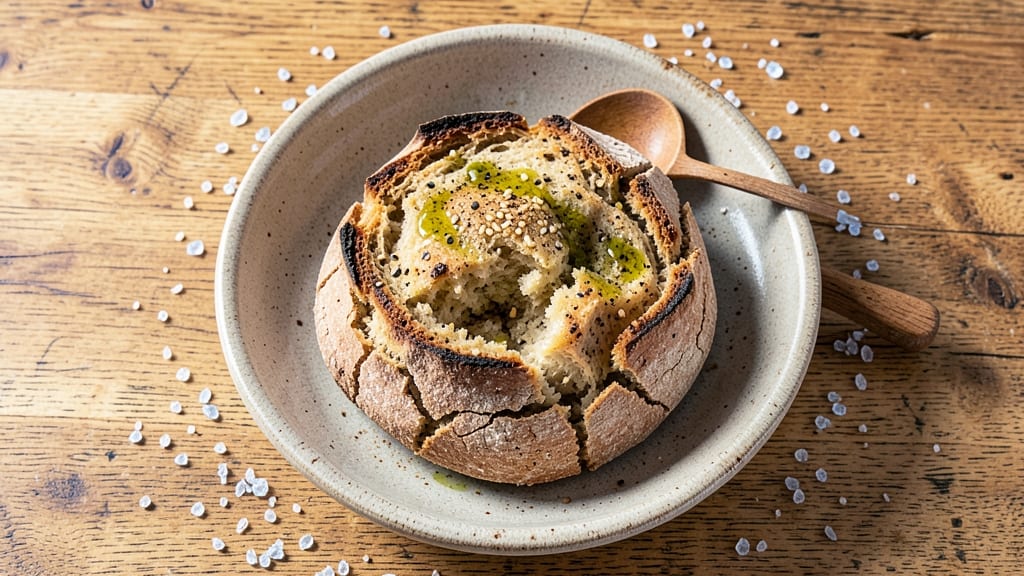
This ancient unleavened bread recipe brings history to life with just three simple ingredients—flour, water, and a touch of salt. Inspired by biblical traditions and Ethiopian injera, this recipe requires no yeast, no kneading, and no waiting.
The result? A crisp, slightly chewy flatbread that’s as nutritious as it is delicious, perfect for dipping, wrapping, or serving alongside stews.
The beauty of this method lies in its simplicity: mix, shape, and cook. Whether you’re recreating a meal from ancient Egypt or preparing a traditional Sabbath bread, the process is straightforward.
Stone-ground flour enhances the flavor, while a hot griddle or oven creates that signature crispy edge. No special equipment is needed—just patience and a steady hand.
What you’ll achieve is a bread with deep cultural roots, yet effortlessly adaptable to modern meals. The texture is firm yet tender, with a subtle nuttiness that comes from traditional milling. This isn’t just a recipe; it’s a connection to history, served fresh from your kitchen. Ready to bake?
Variations like Ethiopian injera (made with teff flour) or Middle Eastern manakeesh (with olive oil and za’atar) add exciting twists. The possibilities are endless, but the foundation remains the same: pure, unyeasted tradition. Let’s begin.
Ingredients for ancient unleavened bread
Three core ingredients transform into ancient bread with no yeast or kneading required.
| Ingredient | Amount | Notes |
|---|---|---|
| Stone-Ground Whole Wheat Flour 🌾 | 2 cups | High-protein for structure, unbleached preferred |
| Filtered Water 💧 | 1 ¼ cups | Room temperature for optimal hydration |
| Sea Salt 🧂 | ½ tsp | Fine grain, Diamond Crystal preferred |
| Extra-Virgin Olive Oil 🫒 | 1 tbsp | For brushing, enhances crispiness |
| Ground Flaxseed 🌰 | 1 tsp | Optional binder, improves texture |
| Sesame Seeds 🌻 | 1 tbsp | Toasted, for traditional garnish |
The flour is the foundation—stone-ground whole wheat delivers that authentic nuttiness and superior texture. Bob's Red Mill or King Arthur brands are excellent choices, but any high-protein flour works. For a more traditional approach, Ethiopian teff flour (1 cup) can replace half the wheat flour, creating a closer match to injera. The water should be room temperature; cold water makes the dough tougher. If your kitchen is humid, reduce water by 1 tbsp to prevent stickiness. Diamond Crystal sea salt is ideal here—it dissolves completely, unlike table salt which can leave gritty residue.
No flaxseed? Chia seeds work at the same ratio, or simply omit for a lighter texture. Short on olive oil? Avocado oil or vegetable oil function identically. For a Middle Eastern twist, add 1 tsp za'atar to the flour before mixing. The sesame seeds can be omitted, but toasting them in a dry pan for 30 seconds before sprinkling adds a delightful crunch. If you prefer a softer texture, reduce the flour by 1 tbsp and add 1 tbsp more water. The dough should be slightly tacky but not wet—adjust as needed.
Freshly mixed dough keeps 2-3 hours at room temperature, covered with a damp towel. For longer storage, wrap tightly in plastic and refrigerate for up to 3 days, or freeze for 3 months. To revive frozen dough, let it sit at room temperature for 15 minutes before shaping. The bread is best enjoyed immediately after cooking, but leftovers crisp up beautifully when warmed in a 350°F oven for 5 minutes. Store cooked bread in an airtight container with a paper towel to prevent sogginess.
Why You'll Love This Recipe
- No-Knead Magic: I swear by this—just mix, shape, and bake. The flaxseed binds it so well, I don’t even need to measure beyond a handful. Honestly, my dough’s never been this forgiving.
- Earthy & Crispy: That stone-ground whole wheat gives it a nutty depth, while the olive oil keeps it tender. The salt? Just enough to make it ridiculously good with every bite—no fancy toppings needed.
- Meal Prep MVP: Slice it fresh for sandwiches, toast it for breakfast, or pack it for lunches. Between us, this bread lasts days in the fridge—no sad, stale leftovers here.
- Pocket-Friendly Staple: Five ingredients, one of which is water. I buy flour in bulk, and this recipe stretches my grocery budget without sacrificing taste. (Yes, even on a Tuesday night.)
Step-by-step instructions for ancient unleavened flatbread
This method recreates the simplicity and texture of biblical flatbreads using just six ingredients.
Combine Dry Ingredients for Optimal Texture
In a large mixing bowl, combine the 2 cups stone-ground whole wheat flour and 0.5 tsp sea salt. The stone-ground flour is essential here—its higher protein content creates the perfect structure for this ancient bread. Use your fingers or a pastry cutter to break up any lumps in the flour, ensuring even distribution of the salt throughout the dry mixture.
Next, add the 1 tsp ground flaxseed to the flour mixture. The flaxseed acts as a natural binder, improving the dough's elasticity without requiring yeast. This step is particularly important for unleavened breads, where gluten development must compensate for the lack of leavening agents. Mix these dry ingredients thoroughly so the flaxseed is evenly dispersed.
Create the Dough with Room-Temperature Water
In a separate small bowl, measure the 1.25 cups filtered water—it should be at room temperature to ensure proper hydration of the flour. The water temperature matters: too cold and the dough will be stiff; too warm and it may become sticky immediately. Gradually pour the water into the dry ingredients while mixing with a wooden spoon or your hands.
As you mix, you'll notice the dough begin to come together. The stone-ground flour will absorb the water more slowly than refined flour, so be patient and continue mixing until the dough forms a shaggy mass that pulls away from the sides of the bowl. The dough should be slightly tacky but not sticky—if it's too dry, add water 1 teaspoon at a time; if too wet, sprinkle in additional flour 1 tablespoon at a time.
Knead the Dough for Gluten Development
Transfer the dough to a lightly floured surface and knead for 5-7 minutes. Unlike yeasted breads, unleavened flatbread relies entirely on gluten development for structure, so thorough kneading is crucial. Press down firmly with the heel of your hand, then fold the dough over itself and rotate 90 degrees before repeating. You'll know it's properly kneaded when the dough becomes smooth and slightly elastic, with no visible dry spots.
Here's the thing—this dough won't rise like yeasted bread. Instead, it will firm up as you work it. The gluten strands are forming the framework that will hold the bread together when cooked. If the dough feels too soft after kneading, let it rest for 5 minutes uncovered at room temperature—this allows the gluten to relax slightly, making it easier to handle.
Divide and Shape for Even Cooking
Divide the dough into 4 equal portions (about 6 ounces each). For precise division, use a kitchen scale or the "eyeball method" if you're comfortable with it. Gently shape each portion into a smooth ball by cupping your hands and pressing down firmly, then rolling the dough between your palms. The goal is to create uniform balls that will yield evenly cooked flatbreads.
Let the dough balls rest for 10 minutes before shaping into flatbreads. This brief rest period prevents the dough from springing back when you roll it out. After resting, take one ball at a time and place it between two sheets of parchment paper. Using a rolling pin, roll the dough into a ¼-inch thick circle, about 6 inches in diameter. The parchment prevents sticking and makes rolling much easier—no flour needed on the surface.
Cook for Crispy Edges and Soft Centers
Heat a clean, dry skillet over medium-high heat until it's hot enough that a drop of water sizzles and evaporates instantly. The skillet should be completely dry—any moisture will steam the bread instead of creating that prized crispy crust. Place one flatbread in the skillet and cook for 1-2 minutes per side, until golden brown spots appear and the edges begin to crisp.
Here's where attention to detail matters: you want the bread to develop a crisp exterior while maintaining a soft, slightly chewy interior. Watch closely—unleavened bread cooks faster than yeasted breads. When the flatbread releases easily from the skillet and the underside is golden brown, it's ready to flip. Brush the cooked side with 1 tablespoon extra-virgin olive oil while it's still in the pan, then flip carefully and cook the other side until golden.
Garnish and Serve Immediately
Transfer the cooked flatbread to a wire rack or clean kitchen towel. Immediately sprinkle with 1 tablespoon toasted sesame seeds while the bread is still warm. The sesame seeds add a nutty crunch and visual appeal, reminiscent of traditional Middle Eastern flatbreads. Serve the flatbreads while they're still warm—they'll crisp up as they cool, but the ideal texture window is narrow.
This ancient bread works beautifully as a wrap for grilled meats, a side for stews, or simply with olive oil and za'atar. The key to success lies in the dough's texture—proper kneading and even rolling create that perfect balance of crispy edges and soft centers that define authentic unleavened bread. Each bite should deliver the nutty flavor of the stone-ground flour, the subtle earthiness of the flaxseed, and the delicate crunch of the sesame seeds.
Pro Tips For Making Ancient Unleavened Bread
- Preheat Your Pan: Cast iron or heavy steel needs to be screaming hot—think 450°F (230°C) or until you can barely hold your hand an inch above it. I learned this the hard way when my first batch stuck like glue because I rushed and only got it warm. Whole wheat dough needs that shock to cook through properly.
- Mix Flaxseed First: Combine ground flaxseed with water and let it thicken into a gel (about 5 minutes) before adding it to the flour. This prevents clumping and ensures your dough binds like it should. Skipping this step means your bread will crumble instead of hold together.
- Wet Your Hands: When shaping the dough, wet your hands with water or olive oil—just a light coat. The whole wheat flour will stick like crazy otherwise, and you’ll end up with a lumpy mess. It’s a small step, but it makes handling the dough a million times easier.
- Press, Don’t Roll: Use the flat of your palm to press the dough into the pan—no rolling pin. Whole wheat dough is dense and will tear if you force it. Press firmly but gently, and your bread will have that perfect flat, even shape without cracks. (Yes, even if it looks like you’re making a pancake.)
Creative variations of this recipe
Ethiopian Injera Style
Replace the stone-ground whole wheat flour with 1 cup teff flour (preferably brown teff for authentic injera flavor) and reduce the water to 1 cup. Teff flour has a naturally tangy, earthy taste that gives injera its signature flavor.
For a closer match, add 1 tbsp lemon juice to the dough to enhance the slight sourness. Cook these flatbreads slightly thicker—about ⅓-inch—since teff dough is denser. Serve immediately with spicy berbere spice stews or misir wat (Ethiopian lentil stew). 🌱
Middle Eastern Manakeesh
Transform this recipe into Syrian manakeesh by adding 2 tbsp extra-virgin olive oil to the dough and 1 tsp za'atar seasoning to the flour. Roll the dough into ⅛-inch thick circles and bake in a 400°F oven for 8-10 minutes on a parchment-lined tray until golden and crisp.
Top with crumbled feta (optional) and extra za'atar before serving. This version pairs perfectly with hummus or baba ganoush. 🌿
Indian Roti Adaptation
For Indian-style roti, increase the water to 1.5 cups and reduce the flour to 1.75 cups for a softer dough. Divide into 6 smaller portions (~4 oz each) and roll into ⅛-inch thick ovals.
Cook in a dry skillet over medium heat for 30-45 seconds per side, pressing gently with a clean cloth to create those classic roti pockets. Serve warm with dal or curried vegetables. The higher moisture content creates a more pliable, wrap-friendly texture. 🔥
Herbed Flatbread Twist
Infuse your flatbread with fresh herbs by adding 1 tbsp finely chopped rosemary or thyme to the dry ingredients. For a garlic-herb version, mix 1 tsp minced garlic and 1 tbsp chopped parsley into the dough.
Brush the cooked flatbreads with olive oil and sprinkle with flaky sea salt before serving. This works beautifully as a dipping bread for soups or as a base for Mediterranean mezze platters. 🌿
Sweet Unleavened Option
Create a sweet flatbread by replacing the salt with 1 tbsp honey or maple syrup, and adding ½ tsp cinnamon to the flour. Roll out thinner (⅛-inch) and cook until golden. Top with chopped nuts (walnuts or pistachios) and extra honey while warm.
This version makes a fantastic breakfast bread or dessert with yogurt and fruit. The natural sweetness balances beautifully with savory toppings too. 🍯
Gluten-Free Adaptation
For a gluten-free version, substitute the wheat flour with 1 cup gluten-free all-purpose flour blend (like Bob's Red Mill 1:1) and add 1 tbsp xanthan gum to improve structure. Increase the water by 2 tbsp since gluten-free flours absorb differently.
The texture will be slightly denser but still delicious. This works well for those with celiac disease or gluten sensitivities while keeping the traditional method intact. 🌾
Nutrition facts
Frequently asked questions
Why does this recipe use stone-ground flour instead of regular all-purpose flour?
The stone-ground flour adds a nutty flavor and higher protein content that creates better structure in unleavened breads. Unlike refined flour, it mimics the texture of ancient grains used in biblical and Middle Eastern traditions. For a closer match to Ethiopian injera, try substituting half with teff flour. The coarser grind also helps achieve that signature crispy edge when cooked.
Can I make this bread without a rolling pin?
Place the dough between two sheets of parchment paper and use a heavy pan, wine bottle, or even your hands to press it into a thin circle. For extra thickness (like injera), use a spoon or your palms to shape. The key is even pressure—about ¼-inch thickness for traditional flatbreads. This method works perfectly for campfire cooking too!
How do I store leftover flatbread?
Keep cooked bread in an airtight container with a paper towel to prevent sogginess. It stays fresh for 2-3 days at room temperature or 3 months frozen. To revive, warm in a 350°F oven for 5 minutes or reheat in a dry skillet for 30 seconds per side. For extra crispiness, toast in the oven until golden brown.
What's the difference between this and matzo?
Matzo is typically made with refined white flour and baked very thin to create that signature cracker-like texture. This recipe uses whole grains and is rolled thicker (¼-inch) for a more substantial, chewy bite. Matzo also requires special commercial ovens for quick baking, while this version cooks perfectly on any stovetop or in a home oven.
Can I use this dough for stuffing or wraps?
Yes! The dough works beautifully for wraps when rolled slightly thicker (⅛-inch) and cooked until pliable. For stuffing, shape into small balls, flatten slightly, and cook until puffed. The texture holds up well to fillings like spiced lentils, grilled vegetables, or herbed cheeses. Just ensure the bread is fully cooked before adding fillings to prevent sogginess.