
Main Courses
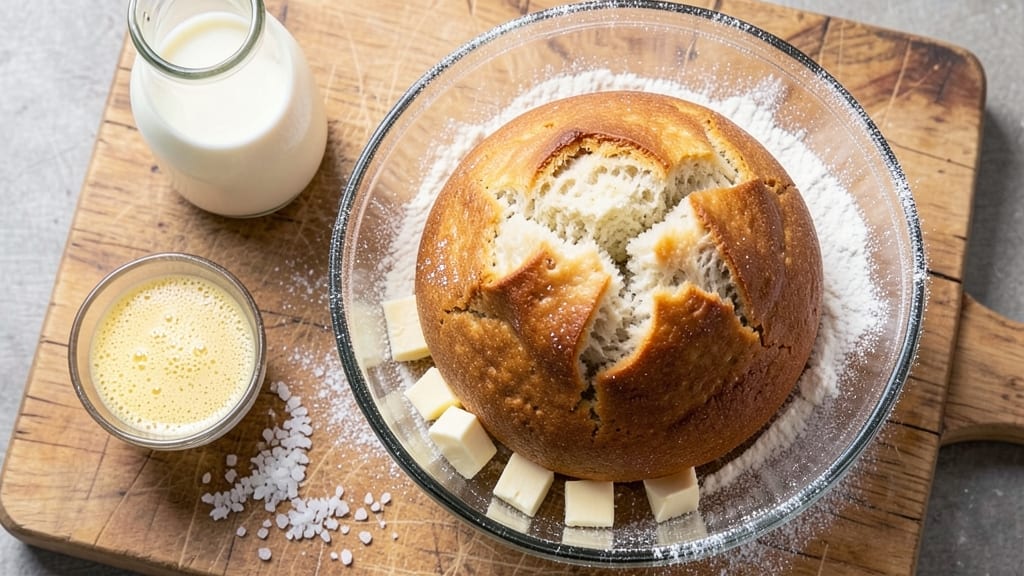
This Amish milk bread recipe with yeast delivers the legendary pillowy softness and buttery swirls that make it a family favorite. The secret lies in a slow fermentation process that develops deep flavor while creating that signature tender crumb.
I've perfected this version after years of baking, ensuring every slice stays fresh for days and every bite melts in your mouth. The traditional method uses active dry yeast activated in warm milk, creating a rich, slightly sweet base that transforms into a golden loaf with a crisp crust.
Unlike quick breads, this recipe requires patience—kneading develops gluten for structure, while proper proofing ensures that airy texture. The butter swirls add layers of richness that keep the bread irresistible. What sets this apart is the balance of technique and simplicity.
You'll achieve restaurant-quality results with basic ingredients and a few key steps: activating yeast properly, kneading just enough, and proofing in a warm environment. The final loaf will have that iconic Amish milk bread flavor—sweet, buttery, and impossibly tender.
Perfect for breakfast, sandwiches, or serving with soups, this bread stays fresh for up to 5 days when stored properly. The recipe includes tips for adjusting fermentation times based on your kitchen's temperature, ensuring success whether you're a beginner or experienced baker.
Let's get started on creating your own loaf of legendary Amish milk bread.
Ingredients for amish milk bread recipe with yeast
These carefully selected ingredients create the iconic Amish milk bread texture and flavor.
| Ingredient | Amount | Notes |
|---|---|---|
| Active Dry Yeast 🍞 | 2 ¼ tsp | Ensure freshness by checking expiration date |
| Whole Milk 🥛 | 1 ¼ cups | Warm to 110°F for yeast activation |
| Granulated Sugar 🍚 | ¼ cup | For yeast activation and sweetness |
| Unsalted Butter 🧈 | ½ cup | Cold, cubed for swirls |
| All-Purpose Flour 🌾 | 4 ½ cups | High-protein for optimal gluten |
| Diamond Crystal Kosher Salt 🧂 | 1 ½ tsp | Adjust to taste after baking |
| Large Eggs 🥚 | 2 whole | Room temperature for even baking |
| Granulated White Sugar 🍚 | ⅛ cup | Enhances crust browning |
| Powdered Sugar 🍚 | ¼ cup | For final dusting |
| Cornmeal 🌽 | ¼ cup | For dusting bread pan |
| Heavy Cream 🥛 | ¼ cup | Optional for extra richness |
The foundation begins with active dry yeast—always check the expiration date, as old yeast produces weaker fermentation. For the milk, whole milk at room temperature works best, but 2% milk is a fine substitute if preferred. The granulated sugar activates the yeast while adding subtle sweetness to the dough. Unsalted butter should be cold and cubed for the signature swirls—Land O'Lakes or Plugrá brands work exceptionally well. The all-purpose flour is critical; King Arthur or Bob's Red Mill brands provide the high protein needed for proper gluten development. For salt, Diamond Crystal kosher salt is preferred as it dissolves more easily than table salt.
No whole milk? Evaporated milk or half-and-half can be used, though the texture may vary slightly. Running short on butter? Olive oil or coconut oil can replace up to half the amount, though the flavor will differ. For a gluten-free adaptation, substitute the flour with a 1:1 gluten-free blend, but expect a denser crumb. The eggs should be at room temperature for even baking—simply remove them from the fridge 30 minutes before use. If you prefer a sweeter loaf, increase the granulated sugar by 1 tablespoon. For a vegan version, replace the eggs with flax eggs (2 tbsp ground flaxseed + 6 tbsp water) and use vegan butter in place of the unsalted butter.
Store the baked loaf in an airtight container at room temperature for up to 5 days to maintain freshness. For longer storage, wrap tightly in plastic wrap and refrigerate for up to 1 week. To revive stale bread, warm it in a 350°F oven for 5-10 minutes with a damp towel. The powdered sugar is best dusted over the loaf immediately after baking while still warm. If making ahead, prepare the dough and refrigerate it overnight for a more developed flavor—simply allow it to rise at room temperature before shaping and baking.
Why You'll Love This Recipe
- No-Knead Magic: I swear by this dough—just mix, rest, and bake. The yeast does all the work while I sip coffee, and that warm, pillowy texture? Worth the wait.
- Buttery Bliss: That whole milk and cold butter combo? It melts into something dangerously tender. One bite, and you’ll understand why it’s a breakfast staple.
- Breakfast to Picnic: Toast it for breakfast, pack slices for lunch, or serve warm with jam at a potluck. Same dough, endless uses—no excuses to skip it.
- Budget-Friendly Staple: Five ingredients, one rising time, and it feeds my whole family. Leftovers? Freeze the extras for next week’s toast—no waste, all flavor.
Step-by-step instructions for Amish milk bread
Master the art of creating tender, buttery layers with this precise technique.
Activate the Yeast for Maximum Rise
In a small bowl, combine the 1.25 cups warm whole milk (110°F) with the 0.25 cup granulated sugar and 2.25 tsp active dry yeast. Let it sit for 5-10 minutes until frothy—this confirms your yeast is alive and ready to work. The mixture should bubble vigorously and develop a light, airy texture. If it doesn't foam after 10 minutes, your yeast may be dead, and you'll need to start over.
This activation step is crucial because it jumpstarts fermentation, ensuring your bread rises properly. I always use a kitchen thermometer to verify the milk temperature—too hot will kill the yeast, while too cold won't activate it. Once you see those telltale bubbles, you're ready to proceed to the dough.
Mix the Dough and Develop Gluten
In a large mixing bowl, combine the 4.5 cups all-purpose flour and 1.5 tsp diamond crystal kosher salt. Make a well in the center and pour in the yeast mixture along with the 2 room-temperature large eggs and 0.25 cup heavy cream (if using). Using a dough whisk or wooden spoon, gently mix until a shaggy dough forms.
Once the dough comes together, turn it out onto a lightly floured surface and knead vigorously for 8-10 minutes until smooth and elastic. You'll know it's ready when it springs back slowly when poked. The gluten development creates that signature pillowy texture—don't rush this step. If the dough feels too sticky, add flour 1 tablespoon at a time until it reaches the right consistency.
First Rise and Prepare for Laminating
Lightly grease a large bowl with butter, place the dough inside, and cover with a damp kitchen towel. Let it rise in a warm place (75-80°F) for 1-1.5 hours or until doubled in size. The dough should be soft and puffy, with gentle domes forming on the surface. Gently press your finger into the dough—it should leave a slight indentation that slowly fills back in.
While the dough rises, prepare your butter for laminating. Take the 0.5 cup unsalted butter from the refrigerator and cut it into 1-inch cubes. Place between two sheets of plastic wrap and pound gently with a rolling pin until flattened into a 6x4-inch rectangle. This creates the perfect butter layer for those iconic swirls.
Laminate and Shape for Perfect Swirls
Once the dough has risen, punch it down to release air and divide it into 4 equal portions (about 12 oz each). Roll each portion into a 12x8-inch rectangle on a floured surface. Place a 1-inch square of butter in the center of each rectangle, then fold the dough over the butter like an envelope, sealing the edges tightly. This creates the classic Amish milk bread layers.
Roll each sealed package into a 12-inch log, then coil it into a spiral on a parchment-lined baking sheet. Cover loosely with a towel and let rise again for 30-45 minutes until puffy. The dough should expand noticeably, with the layers becoming more defined. This second rise is where the magic happens—those buttery swirls develop their signature fluffiness.
Bake to Golden Perfection
Preheat your oven to 350°F and brush the risen loaves with an egg wash made from the 2 whole large eggs beaten with 1 tablespoon water. Sprinkle the tops with 0.125 cup granulated white sugar for that beautiful caramelized crust. Bake for 30-35 minutes until the loaves are deep golden brown and sound hollow when tapped on the bottom.
For extra shine, brush the warm loaves with melted butter mixed with 0.25 cup powdered sugar while still hot. Let them cool on a wire rack for 10 minutes before slicing—this prevents a gummy interior. The bread should have a crisp crust that gives way to tender, buttery layers with a delicate crumb. Serve warm with jam or butter for the ultimate comfort experience.
Pro Tips For Making Amish Milk Bread Recipe With Yeast
- Bloom the Yeast First: Skip mixing yeast straight into flour—it’s lazy and often fails. Instead, dissolve the yeast in warm (105-110°F) whole milk with a pinch of sugar first, then let it foam for 5-10 minutes. This guarantees it’s active before committing to the dough, and you’ll avoid that sad, flat loaf that happens when yeast flops.
- Warm the Milk: Cold milk kills yeast faster than you can say "sour dough." Heat the whole milk to just above body temperature (105-110°F)—warm to the touch but not hot enough to scald. Test with your finger: if it feels like a bath, it’s right. Cold milk = sluggish rise = disappointing texture.
- Knead Until Silky: This isn’t a quick punch-down job. Work the dough until it’s smooth, elastic, and springs back when poked (about 8-10 minutes by hand). I used to rush it, and the bread turned out dense. A well-kneaded dough develops gluten properly, so it rises high and stays tender—not tough or gummy.
- Butter Matters: Unsalted butter adds richness, but don’t just melt it into the milk—cut it into small cubes and let them soften in the warm milk first. This creates tiny pockets of fat that make the bread ultra-soft. (And yes, this is why store-bought milk bread never tastes the same—homemade butter makes all the difference.)
Perfect pairings for these flavors
Classic Spreads
Nothing complements Amish milk bread like homemade strawberry jam—its bright acidity cuts through the richness beautifully. I recommend using McIntosh apples for a tangy-sweet apple butter that pairs perfectly with the bread's buttery layers.
For a savory option, try sharp cheddar cheese sliced thinly or smoked gouda for a sophisticated touch. 🍓
Buttery Toppings
Freshly whipped butter is a must—soften a ½ cup Land O'Lakes unsalted butter and mix with 1 tbsp honey and a pinch of sea salt for a gourmet finish. For a festive touch, sprinkle powdered sugar over warm slices while still on the baking sheet.
If you prefer something richer, try cream cheese frosting made with 4 oz cream cheese, 2 tbsp softened butter, and 1 tbsp powdered sugar.
Sweet Pairings
Warm slices make an ideal vehicle for peanut butter and banana sandwiches—spread ½ cup creamy peanut butter and top with sliced bananas for a nostalgic treat. For a more refined option, layer ricotta cheese with honey and chopped walnuts.
A drizzle of maple syrup also enhances the bread's natural sweetness without overpowering it. 🍯
Beverage Pairings
Hot black coffee or chai tea balances the bread's richness perfectly, while cold milk adds a creamy contrast. For something stronger, try a dry Riesling or sparkling apple cider—the acidity cleanses your palate between bites. If you prefer tea, Earl Grey or chamomile both complement the buttery flavors beautifully.
Savory Serving Ideas
Use slices as a base for open-faced sandwiches with prosciutto, mozzarella, and sun-dried tomatoes. For a hearty breakfast, top with scrambled eggs, crispy bacon, and sautéed mushrooms. The bread's soft texture holds up well to these toppings, making it versatile for any meal. 🥓
Make-Ahead Tips
Store baked loaves in an airtight container at room temperature for up to 5 days—they'll stay fresh longer than most breads. For longer storage, freeze slices wrapped in plastic wrap and reheat in a 350°F oven for 5-10 minutes until warmed through.
I often make a double batch and freeze extras for quick breakfasts or sandwiches later in the week.
Nutrition facts
Frequently asked questions
Why does my Amish milk bread turn out dense instead of fluffy? Dense bread usually means underdeveloped gluten or improper proofing.
Can I make this bread without a stand mixer?
This recipe works perfectly by hand. After mixing the dough, turn it onto a lightly floured surface and knead vigorously for 8-10 minutes until smooth and elastic. Use the heel of your hand to push and fold the dough, rotating it as you go. The key is consistent pressure—this builds the gluten that creates that signature pillowy texture.
How do I know when the dough is properly proofed?
Look for two key signs: the dough should double in size and have gentle domes forming on the surface. When you press your finger gently into the dough, it should leave a slight indentation that slowly fills back in (1-2 seconds). If it springs back immediately, it needs more time. For best results, proof in a warm spot—try placing the bowl on top of your turned-off oven with the light on.
What's the best way to store Amish milk bread to keep it fresh?
Store in an airtight container at room temperature for up to 5 days—this preserves that fresh-baked texture. For longer storage, wrap slices individually in plastic wrap and freeze. To revive stale slices, warm them in a 350°F oven for 5-10 minutes with a damp towel. The bread's moisture content makes it particularly prone to drying out, so proper storage is key!
Can I substitute whole wheat flour for all-purpose flour?
I don't recommend it for this recipe—the higher protein content in whole wheat can make the dough tough and dense. If you want a healthier version, try replacing up to 1 cup of the all-purpose flour with whole wheat, but expect a slightly denser crumb. For best results, stick with the traditional 4.5 cups all-purpose flour to maintain that signature tender texture.