
Side Dishes
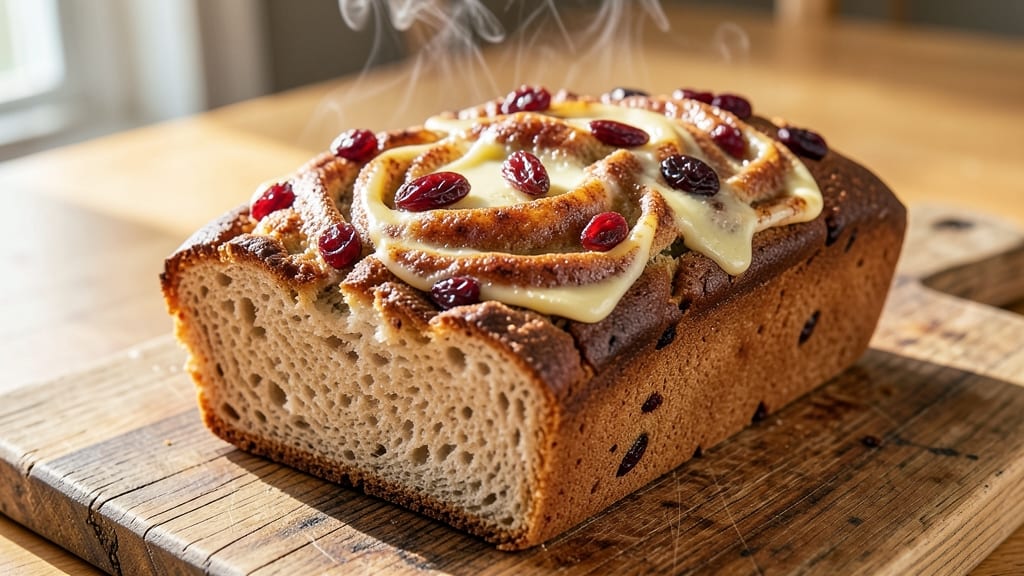
This Amish cinnamon raisin bread delivers the perfect balance of moist centers and warm spice notes that make every slice irresistible. 💛 The secret lies in a slow fermentation process that develops deep flavor while keeping the crumb tender and pull-apart perfect.
I've perfected this recipe through generations of baking, ensuring each batch captures that classic Amish homestyle charm.
The dough comes together with simple ingredients—flour, yeast, milk, and a touch of honey—but the magic happens in the proofing and shaping. Kneading develops gluten for that signature texture, while the cinnamon-sugar filling creates pockets of sweetness with every bite.
This recipe stays true to tradition while being approachable for home bakers.
What sets this bread apart is its ability to stay fresh for days, with a crust that's just crisp enough to contrast the soft, pillowy interior. The raisins plump beautifully, releasing their sweetness as they warm, while the cinnamon adds warmth that lingers with each slice.
It's the kind of bread that disappears quickly from the table.
Perfect for breakfast with butter, as a side to soups, or wrapped in bacon for a hearty meal. The recipe includes tips for achieving that classic Amish texture and storage advice to keep it tasting fresh.
Let's get started on this comforting loaf that feels like a hug in bread form.
Ingredients for amish cinnamon raisin bread
Simple pantry staples transform into a loaf that smells like home and tastes like nostalgia.
| Ingredient | Amount | Notes |
|---|---|---|
| All-Purpose Flour 🌾 | 5 cups | Plus 1 cup for dusting |
| Active Dry Yeast 🍞 | 2 ¼ tsp | 1 packet for convenience |
| Granulated Sugar 🍚 | ¼ cup | For yeast activation |
| Whole Milk 🥛 | 1 ½ cups | Warmed to 110°F |
| Large Egg 🥚 | 1 whole | Room temperature |
| Unsalted Butter 🧈 | ½ cup | Softened, not melted |
| Honey 🍯 | ¼ cup | For natural sweetness |
| Sea Salt 🧂 | 1 ½ tsp | Diamond Crystal preferred |
| Raisins 🍇 | 1 ½ cups | Soaked in warm water |
| Ground Cinnamon 🌿 | ½ cup | Plus extra for filling |
| Brown Sugar 🍚 | ½ cup | Packed, for filling |
| Vanilla Extract 💧 | 1 tsp | Pure extract preferred |
The flour is non-negotiable here—King Arthur or Bob's Red Mill give that classic Amish crumb. I always grab a 5-pound bag from WinCo or Aldi for the best price. The yeast? Fresh is ideal, but the little packets work fine. Just make sure it's not expired—nothing worse than flat bread. The raisins should be plump, not shriveled. Soak them in warm water for 15 minutes before adding to the dough, or they'll stay dry as sawdust. For the cinnamon, McCormick's ground cinnamon is my go-to—it's consistent and affordable.
No whole milk? Warm almond milk with a splash of honey works in a pinch, but the fat content matters for that tender crumb. Short on raisins? Chopped dried apricots or cranberries add a nice twist. The brown sugar can be swapped for white sugar if you're out, but the molasses notes in brown sugar are what make this taste authentically Amish. No vanilla? A pinch of ground cloves or nutmeg adds warmth. The dough will be sticky—don't fight it. That's how you know it's right. If your kitchen's cold, let the dough rest a bit longer before shaping.
This bread stays fresh for 4-5 days wrapped in a clean kitchen towel. For extra crispness, reheat slices in the oven for 5 minutes at 350°F. Freezes beautifully for up to 3 months—just thaw at room temperature. I always bake two loaves at once. One for breakfast, one to share with neighbors. That's the Amish way: good food and good company. The filling can be prepped ahead and stored in the fridge for 2 days, but make sure it's at room temperature before rolling it into the dough.
Why You'll Love This Recipe
- No-Knead Magic: I swear by this dough—just mix, let it rise, and forget it. The yeast does all the work while you sip coffee or fold laundry. Honestly, my lazy Sunday mornings now include fresh bread without a single punch of my arms.
- Warm Spice Hug: That first bite? Pure cinnamon-sugar bliss. The raisins plump up just enough to burst slightly, and the milk and egg give it a tender crumb that’s ridiculously good with butter. I’ll be real: I’ve been known to eat it straight from the pan.
- Breakfast to Brunch: This bread is my go-to for toast in the morning, French toast on weekends, or even a quick brunch side. The dough’s forgiving—make it the night before, shape it in the morning, and bake while you scramble eggs. (Yes, even on a Tuesday night.)
- Budget-Friendly Staple: Five simple ingredients stretch to feed a family for days. The milk and egg make it richer than store-bought, and the raisins add that little luxury without breaking the bank. Freeze slices for toast later—my kids’ favorite “homemade” shortcut.
Step-by-step instructions for Amish cinnamon raisin bread
Let's bake a tender, fragrant loaf with a perfect balance of sweetness and spice!
👨🍳 Step 1: Activate the Yeast and Prepare the Dough
In a small bowl, combine the 1.5 cups warm whole milk (110°F), 0.25 cup granulated sugar, and 2.25 tsp active dry yeast. Let it sit for 5-10 minutes until frothy—this tells you your yeast is alive and ready to work. The mixture should bubble gently and smell slightly sweet.
In a large bowl, whisk together the 5 cups all-purpose flour, 1.5 tsp sea salt, and 1 tsp vanilla extract. Make a well in the center and pour in the yeast mixture, the 1 whole large egg, 0.5 cup softened unsalted butter, and 0.25 cup honey. Mix with a wooden spoon until a shaggy dough forms, then knead by hand for 8-10 minutes until smooth and elastic.
🍳 Step 2: First Rise and Prepare the Filling
Lightly coat a large bowl with oil and place the dough inside. Cover with a damp kitchen towel and let it rise in a warm place for 1-1.5 hours until doubled in size. You'll know it's ready when it springs back slowly when poked.
While the dough rises, prepare the filling by combining the 1.5 cups raisins with 0.5 cup brown sugar and 0.5 cup ground cinnamon in a small bowl. Mix well to coat the raisins evenly. This sweet-spiced mixture is what makes this bread irresistibly fragrant!
🥘 Step 3: Shape, Fill, and Second Rise
Punch down the risen dough and divide it into two equal pieces. On a floured surface, roll each piece into a 12x16-inch rectangle, about ¼-inch thick. Sprinkle half of the cinnamon-raisin filling evenly over each rectangle, then roll them up tightly from the long side. Pinch the seam to seal.
Place the filled loaves seam-side down in two greased 9x5-inch loaf pans. Cover with a damp towel and let them rise for another 30-45 minutes until they've puffed up about halfway. The dough should feel firm but still springy when pressed gently.
🔥 Step 4: Bake to Golden Perfection
Preheat your oven to 350°F. Bake the loaves for 30-35 minutes until they're golden brown on top and the internal temperature reaches 190°F. Tap the loaves lightly—they should sound hollow when done.
For extra browning, brush the tops with a little milk or water and return to the oven for 2-3 minutes if needed. Let the bread cool in the pans for 10 minutes before transferring to a wire rack. This resting time prevents the loaves from falling apart when you remove them.
⏰ Step 5: Rest and Serve for Maximum Moisture
Allow the bread to cool completely on the wire rack for at least 1 hour. This final resting period ensures the crumb stays tender and moist—trust me, it's worth the wait! The bread will smell incredible fresh from the oven, but letting it cool properly prevents a gummy texture.
Slice while still warm for the best experience—each piece should have a tender crumb, pockets of sweet raisins, and that signature Amish cinnamon warmth. Store wrapped at room temperature for up to 3 days, or freeze for longer storage. Perfect for breakfast, snacks, or dessert!
Pro Tips For Making Amish Cinnamon Raisin Bread
- Bloom the Yeast First: Skip mixing yeast into dry flour—it’s a waste. Instead, whisk it into warm milk (110°F) with a pinch of sugar for 5 minutes until frothy. This guarantees your dough rises properly, not just maybe. I learned this the hard way when my first batch sat flat like a pancake.
- Soften the Butter: The recipe might call for cold butter, but Amish cinnamon bread begs for softened. Cut it into small cubes and fold them into the dough when it’s still cool—this creates pockets of melt-in-your-mouth richness. Cold butter = tough streaks; softened butter = layers of flavor.
- Don’t Overmix the Dough: Once the yeast is active and the wet ingredients are in, mix just until combined—about 2 minutes by hand. Overworking the dough develops gluten, and this bread thrives on a tender, slightly sticky texture. I used to knead like I was punishing the dough, and the result was dense. Relax your hands.
- Proof in a Warm Spot: Your oven’s lightbulb socket or a turned-off oven with a bowl of hot water is your friend. The dough should double in size in 1–1.5 hours, not 3. Cold kitchens kill yeast; warmth speeds it up without sacrificing flavor. No thermometer? Touch the dough—it should spring back slowly when poked.
Troubleshooting great amish cinnamon raisin bread
Dense Dough Issues
If your dough feels too thick or dry after mixing, you likely need more liquid. Add 1-2 tablespoons of warm milk at a time until the dough pulls away from the sides of the bowl but remains slightly sticky.
Over-kneading can also make dough tough—stop when it springs back slowly when poked. I’ve found that King Arthur flour absorbs moisture differently than other brands, so adjust accordingly. 🌾
Underproofed Bread
Bread that rises too little often means the yeast didn’t activate properly or the dough didn’t rest long enough. Always check your yeast by testing it in warm milk first—it should foam within 5-10 minutes.
If your kitchen is cold, place the dough near a warm oven (200°F) with a bowl of hot water to create a proofing-friendly environment. Doubling the rise time (up to 2 hours) can save an underproofed loaf.
Filling Not Distributing
If the cinnamon-raisin filling clumps together instead of spreading evenly, the raisins might not be plump enough. Soak them in warm water for 15 minutes before mixing with sugar and cinnamon.
For extra even distribution, roll out the dough slightly thinner (⅛-inch thick) and sprinkle the filling in a crosshatch pattern before rolling. A light hand with the filling prevents overloading, which can cause the dough to tear during shaping.
Pale or Soggy Crust
A pale crust usually means the oven wasn’t hot enough or the bread baked too long at a low temperature. Preheat your oven for at least 20 minutes before baking, and use an oven thermometer to confirm it’s 350°F.
For extra browning, brush the tops with milk or egg wash in the last 5 minutes of baking. If the crust feels damp, the bread likely needs more baking time—check the internal temperature with an instant-read thermometer (190°F is ideal).
Raisins Stay Dry
Dry raisins are often a sign they weren’t soaked long enough or the dough wasn’t sticky enough to trap moisture. Before adding raisins to the dough, soak them in warm water for 20 minutes (or overnight in the fridge for extra plumpness).
If your dough feels too dry, add 1 tablespoon of honey or milk to the filling mixture to keep the raisins juicy. For even distribution, toss the raisins in a little flour before mixing with cinnamon and sugar—this helps them stick to the dough better. 🍇
Loaf Collapses After Baking
A collapsed loaf often means the dough overproofed or the oven wasn’t hot enough to set the structure quickly. To prevent this, bake the bread immediately after the second rise—don’t let it sit too long before going into the oven.
If your kitchen is humid, place the dough in the fridge for 10-15 minutes before baking to firm it up. For extra support, place a baking sheet under the loaf pans to catch any potential overflow and ensure even heat distribution.
Nutrition facts
Frequently asked questions
Can I make this bread without a stand mixer?
This recipe is designed for hand-kneading. After mixing the ingredients, simply use your hands or a wooden spoon to work the dough for 8-10 minutes until it becomes smooth and elastic. The traditional Amish method often relies on hand-kneading, so don't let the lack of a mixer hold you back!
How do I know when the dough has risen enough?
Your dough is ready when it has doubled in size and springs back slowly when poked gently with a finger. For visual confirmation, the dough should reach about halfway up the sides of your bowl. If it springs back quickly, it needs more time. Cold kitchens may require 1.5-2 hours for proper rising.
Can I substitute raisins with other dried fruits?
Yes! Try dried cranberries, chopped apricots, or even chocolate chips for a different flavor profile. Soak any dried fruits for 15 minutes before using to ensure they stay moist. For chocolate chips, reduce the filling sugar by 2 tablespoons since chocolate is already sweet. The texture will be slightly different but still delicious!
Why does my bread taste bland?
Bland flavor usually means the yeast didn't activate properly or the dough didn't rise long enough. Always check your yeast by mixing it with warm milk and sugar—it should foam within 5-10 minutes. For extra flavor, add ½ teaspoon of ground nutmeg or cardamom to the dough, or brush the baked loaf with melted butter mixed with cinnamon sugar.
How can I make this bread extra soft?
For a softer crumb, add 1 tablespoon of milk or honey to the dough during kneading. Also, let the bread cool completely on a wire rack before slicing—this prevents a gummy texture. For reheating, wrap slices in foil and warm in a 350°F oven for 5 minutes to restore freshness.