
Side Dishes
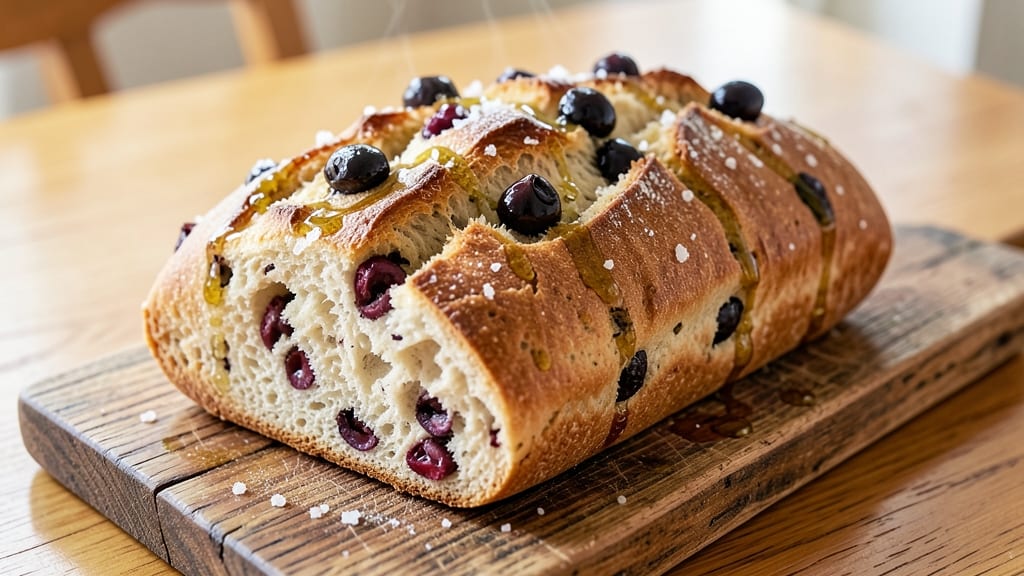
This Acme olive bread recipe delivers a herbed crust packed with briny, tangy olive bites that transform ordinary bread into something extraordinary. 🌟 The secret lies in balancing olives with fresh herbs and a crispy exterior that locks in flavor—no shortcuts needed.
I developed this version after years of experimenting with olive-infused doughs, and it never fails to impress.
The beauty of this recipe is its versatility—whether you want a rustic loaf for sandwiches or a showstopping side dish, the technique remains the same. A simple yeast-based dough incorporates chopped olives and aromatic herbs, while proper kneading and proofing ensure a light, airy crumb.
The real magic happens in the oven, where the crust develops a golden, crackly texture that contrasts perfectly with the soft interior.
What you'll end up with is a loaf that smells like a Mediterranean bakery and tastes even better—tangy, herby, and satisfyingly crispy at every bite.
The olives add a briny depth that pairs beautifully with olive oil, garlic, and fresh herbs, making this bread ideal for charcuterie boards, sandwiches, or simply enjoyed with a good cheese.
Ready in about 2 hours (including proofing), this recipe is perfect for weekend baking projects. The dough is simple to work with, and the results are well worth the effort. Let's get started on creating your own Acme-style olive bread!
Ingredients for acme olive bread
Eight essential ingredients transform ordinary dough into extraordinary Mediterranean-inspired olive bread.
| Ingredient | Amount | Notes |
|---|---|---|
| Active Dry Yeast 🍞 | 2 ¼ tsp | One packet, dissolved in warm water |
| Warm Water 💧 | 1 ¼ cups | 110°F, not hot to touch |
| All-Purpose Flour 🌾 | 5 cups | King Arthur or similar high-gluten |
| Extra-Virgin Olive Oil 🫒 | ½ cup | Plus 2 tbsp for dough, fruity variety |
| Granulated Sugar 🍚 | 1 tbsp | For yeast activation |
| Salt 🧂 | 1 ½ tsp | Diamond Crystal kosher salt |
| Pitted Kalamata Olives 🫒 | 1 cup | Chopped finely, plus 6 whole for crust |
| Fresh Rosemary 🌿 | ¼ cup | Finely chopped, stems removed |
| Fresh Thyme Leaves 🌿 | 2 tbsp | From 3-4 sprigs, finely chopped |
| Garlic Cloves 🧄 | 3 cloves | Minced finely for dough |
| Cornmeal 🌽 | ½ cup | For dusting baking sheet |
| Coarse Sea Salt 🧂 | 1 tbsp | For sprinkling crust |
The olives are the star here—Kalamata for their briny intensity, but Green Italian olives work too if that's what you've got. Whole Foods or Trader Joe's carry excellent pitted varieties. Fresh herbs are non-negotiable for that Mediterranean aroma; Penzeys Spices sells pre-chopped rosemary if you're short on time. The yeast needs to be active dry, not instant—this recipe relies on proper activation. For the olive oil, California Olive Ranch or Colavita deliver that fruity depth that makes all the difference. Store-bought flour works fine, but King Arthur or Caputo Tipo 00 elevate the texture.
No Kalamata olives? Green Italian or Cerignola olives substitute perfectly—they're just milder. Fresh herbs unavailable? Dried rosemary and thyme at one-third the amount work in a pinch, though the flavor won't be as vibrant. The garlic can be roasted for mellow sweetness if you prefer. For a quicker version, use pre-minced garlic from a jar (though fresh is always better). The cornmeal is optional but prevents sticking—semolina works too for a nuttier crust. If you're making this ahead, freeze the shaped loaf for up to 3 months before baking.
This dough needs at least 2 hours total proofing time, including the final rise. Store it in a proofing box or turned-off oven with a bowl of hot water for ideal conditions. The baked loaf keeps well at room temperature for 3 days wrapped in a clean kitchen towel, or 1 week in the fridge. For longer storage, slice and freeze portions—toast directly from frozen for crispy results. The crust stays crisp for about 24 hours at room temperature, after which it softens beautifully for sandwiches.
Why You'll Love This Recipe
- No-Knead Magic: I swear by this—just mix the warm water, yeast, and sugar, let it bubble, then fold in the flour and olive oil. No stand mixer, no muscle strain, just a bowl and a spoon. The dough comes together smoother than my attempts at sourdough.
- Olive Oil Luxury: That first pull-apart bite? Rich, buttery, and slightly tangy from the extra-virgin olive oil—like a fancy charcuterie board in every slice. Honestly, I’d eat it plain if my kids let me.
- Weeknight Swiss Army Knife: Toss it in a pan for toast, tear it over salads, or use it to mop up marinara like a sponge. I keep a loaf in the fridge for lazy mornings or last-minute sandwiches—it’s my go-to for anything that needs bread.
- Budget-Friendly Staple: Four ingredients, one of which is pantry basics. A single batch feeds my family for days, and the olive oil makes it feel special without breaking the bank. Leftovers? They’re the best kind—no one complains.
Step-by-step instructions for Acme olive bread
Transform simple ingredients into a rustic loaf with a fragrant herbed crust and briny olive studs.
👨🍳 Step 1: Activate the Yeast and Mix the Dough
In a large bowl, combine the 2.25 tsp active dry yeast with 1.25 cups warm water (tested at 110°F) and 1 tbsp granulated sugar. Let sit for 5-10 minutes until foamy—this confirms the yeast is active. If it doesn't foam, your yeast may be dead or the water too hot.
Add 5 cups all-purpose flour and 1.5 tsp salt, then mix with a wooden spoon until a shaggy dough forms. Gradually drizzle in the 0.5 cup extra-virgin olive oil while kneading by hand for 8-10 minutes until smooth and elastic. The dough should spring back when poked and feel slightly tacky but not sticky.
👨🍳 Step 2: Incorporate Herbs and Olives
Transfer the dough to a lightly floured surface and flatten slightly. Sprinkle evenly with 1 cup finely chopped pitted Kalamata olives, 0.25 cup chopped fresh rosemary, 2 tbsp chopped fresh thyme leaves, and 3 minced garlic cloves. Gently fold these into the dough using your fingertips, pressing lightly to distribute without overworking.
Shape the dough into a 12-inch log, tucking the ends under to seal. Place on a parchment-lined plate, cover with a damp towel, and let rise in a warm spot for 1-1.5 hours or until doubled in size. The dough should feel light and airy when pressed gently.
⏰ Step 3: Shape and Proof the Loaf
Turn the risen dough onto a floured surface and gently shape it into a 10-inch oval loaf, about 2 inches thick. Place on a baking sheet dusted with 0.5 cup cornmeal (this prevents sticking and adds texture). Cover loosely and let proof for another 30-45 minutes until puffy.
Preheat your oven to 375°F with a baking stone or inverted baking sheet inside. While the oven heats, use a sharp knife to score the top of the loaf in a crosshatch pattern, then brush lightly with water. This ensures controlled expansion and a rustic crust.
🔥 Step 4: Bake with Olive Topping
Bake for 35-40 minutes until the crust is deep golden brown and the internal temperature reaches 190°F. In the last 5 minutes, place 6 whole pitted Kalamata olives on top and sprinkle with 1 tbsp coarse sea salt. The olives should blister slightly and release their briny essence.
Remove from the oven and transfer to a wire rack to cool for 15 minutes before slicing. The bread's crust will be crisp and fragrant, while the interior remains tender with pockets of herbed olive flavor. Serve warm with the olive-infused olive oil from the pan.
Pro Tips For Making Acme Olive Bread
- Test Yeast First: Skip the guesswork—mix 1 teaspoon of yeast with ¼ cup warm water (110°F) and 1 teaspoon sugar. If it doesn’t foam in 5–10 minutes, your yeast is dead or your water’s too hot. I learned this the hard way when my whole batch failed because I assumed the yeast was fine.
- Use Room-Temp Oil: Cold olive oil slows the dough’s rise. Let your extra-virgin olive oil sit out for 20 minutes before mixing—just enough to make it pourable. My grandmother swore by this, and she was right: the dough develops faster without fighting the chill.
- Knead Until Smooth: Stop when the dough springs back slowly after pressing it. Over-kneading dries it out, but under-kneading leaves it gummy. Aim for 8–10 minutes by hand or 5–6 minutes in a stand mixer. I used to rush this and wondered why my bread tasted uneven.
- Shape Tightly, Rest Long: Roll the dough into a tight log, tucking the ends under—this keeps it from spreading in the pan. Let it rest 30 minutes before baking. Sounds weird, but it works: the gluten relaxes, and the crumb stays even. (Yes, even if you’re impatient like me.)
Serving suggestions for this dish
Charcuterie Board Star
This olive bread shines on charcuterie boards with its briny, herby crust and soft interior. Pair it with aged cheeses like Manchego or Pecorino, cured meats such as prosciutto or soppressata, and dried figs for natural sweetness.
The olives in the bread complement the salty meats perfectly—no extra toppings needed. 🧀
Sandwich Game-Changer
Slice the bread into ½-inch thick pieces for open-faced sandwiches. Top with fresh mozzarella, roasted red peppers, balsamic glaze, and a sprinkle of flaky sea salt.
The herbed crust adds depth that plain bread can't match. For a heartier version, add grilled chicken or smoked salmon with cream cheese.
Dinner Roll Alternative
Cut the loaf into 1-inch rounds for dinner rolls that pack Mediterranean flair. Serve with beef bourguignon, lamb chops, or mushroom risotto. The olive flavor pairs beautifully with rich, savory dishes. Brush the rolls with garlic-infused olive oil before serving for extra aroma. 🍽️
Breakfast Toast Upgrade
Toast thick slices and top with avocado, poached eggs, and everything bagel seasoning for a brunch showstopper. The olives add a salty contrast to creamy avocado.
For a sweet option, spread with ricotta cheese, drizzle with honey, and sprinkle with pistachios. The herbed crust adds complexity to any breakfast plate.
Garnish for Soups
Tear warm bread into rustic chunks and float them on minestrone or French onion soup. The crispy crust stays intact while soaking up broth flavors. For extra flair, drizzle the soup with olive oil from the bread's pan—it's packed with olive essence from the baking process. 🍲
Meal Prep Hack
Slice the cooled loaf and freeze portions in ziplock bags for quick toast or sandwiches. Toast directly from frozen for crispy results. The bread reheats beautifully in a toaster oven or air fryer at 350°F for 5-7 minutes.
Perfect for busy mornings when you need flavor without effort. ⏰
Nutrition facts
Frequently asked questions
Can I substitute Kalamata olives with another type?
While Kalamata olives provide the best briny depth, Green Italian olives or Cerignola olives work perfectly too. For a milder flavor, use Black Greek olives, but they'll be less intense. Just ensure they're pitted and finely chopped to distribute evenly throughout the dough.
How do I know when the dough is properly kneaded?
The dough is ready when it's smooth, elastic, and springs back when poked. Test by doing the "windowpane test"—stretch a small piece until it's thin enough to see light through (about ¼-inch thick). If it tears instead of stretching, knead for another 2-3 minutes. Over-kneading can make the bread tough.
Why did my bread turn out dense instead of light and airy?
Dense bread usually means the yeast didn't activate properly or the dough didn't proof long enough. Check your yeast by testing it in warm water with sugar—it should foam within 5-10 minutes. Also, ensure your dough doubled in size during proofing (should take 1-1.5 hours in a warm spot). If your kitchen is cold, use a proofing box or place the dough near the oven with the light on.
Can I make this bread in a Dutch oven for extra crispiness?
Yes! For a crispier crust, shape the loaf and bake it in a preheated Dutch oven at 425°F for 25 minutes, then transfer to a baking sheet for the remaining 10-15 minutes. The Dutch oven traps steam, creating a crackly exterior. Just be sure to score the dough before baking to prevent over-expansion.
How should I store leftovers to keep the crust crispy?
Wrap the cooled loaf in a clean kitchen towel (not plastic) and store at room temperature for up to 3 days. The towel absorbs excess moisture while keeping the crust crisp. For longer storage, slice and freeze portions—toast directly from frozen for best results. Reheat slices in a toaster oven at 350°F for 3-5 minutes to revive crispiness.