
Desserts
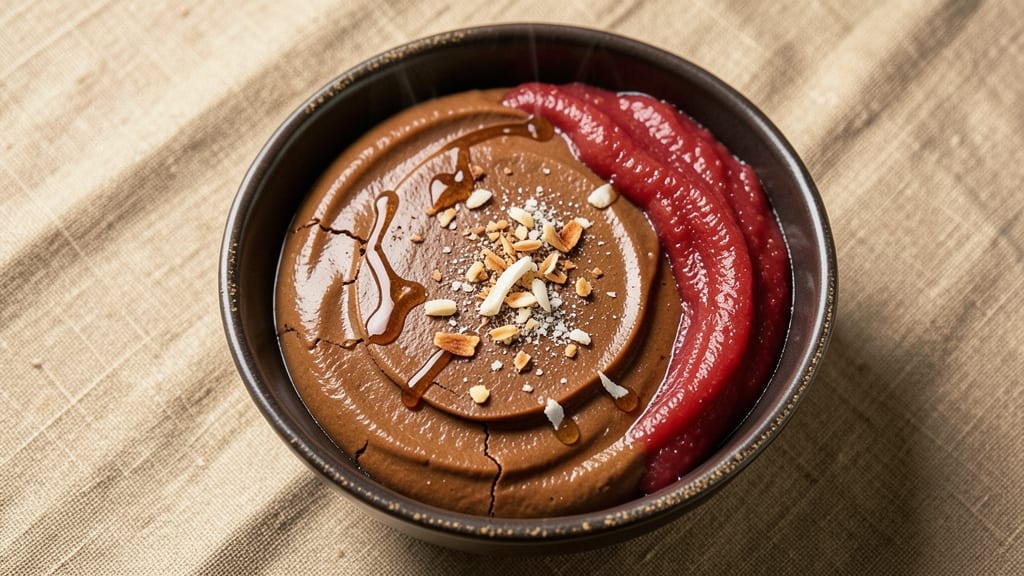
This carob powder chocolate recipe transforms classic baking with a nutty-sweet alternative that’s naturally caffeine-free and packed with fiber. The secret lies in balancing carob’s earthy depth with just enough sweetness to satisfy chocolate cravings—no artificial ingredients required.
I developed this recipe after discovering how carob’s rich, molasses-like flavor could replicate chocolate’s complexity in desserts like brownies and mug cakes.
The result is a dessert with tender texture, subtle caramel notes, and a satisfying crunch—all while avoiding chocolate’s bitterness or caffeine. Carob’s natural sweetness means you’ll need less sugar, making this a guilt-free indulgence.
Perfect for those with dietary restrictions or simply looking to explore a healthier baking option without sacrificing flavor.
Whether you’re making fudgy brownies, chewy cookies, or a quick mug cake, this recipe delivers restaurant-quality texture with minimal effort. The carob powder dissolves smoothly into melted butter or coconut oil, creating a silky base that bakes into a moist, flavorful treat.
No special equipment is needed—just a mixing bowl and an oven.
For added indulgence, top with toasted nuts or a drizzle of honey, but the carob’s natural richness stands alone. This recipe is your gateway to baking with carob, proving it can be just as versatile—and delicious—as traditional chocolate. Let’s get started!
Ingredients for carob powder chocolate
Twelve ingredients transform classic baking into a nutty-sweet carob alternative perfect for dietary-conscious indulgence.
| Ingredient | Amount | Notes |
|---|---|---|
| Organic Carob Powder 🍫 | 1 cup | Unsweetened, fine-ground preferred |
| Unsweetened Applesauce 🍎 | ½ cup | Substitutes egg binding |
| Coconut Oil, Refined 🥥 | ½ cup | Melted, full-fat for richness |
| Pure Maple Syrup 🍯 | ⅓ cup | Grade B for deeper flavor |
| Vanilla Extract 🌿 | 1 tbsp | Pure Madagascar preferred |
| Ground Flaxseed 🌾 | 2 tbsp | For vegan egg substitute |
| Almond Milk, Unsweetened 🥛 | ¼ cup | For smooth texture |
| Baking Soda 🧂 | ½ tsp | For lift and tenderness |
| Sea Salt 🧂 | ¼ tsp | Fine grain for balance |
| All-Purpose Flour 🌾 | 1 cup | Gluten-free blend optional |
| Raw Walnuts 🥜 | ½ cup | Toasted, chopped for crunch |
| Dark Brown Sugar 🍚 | ¼ cup | Packed, for caramel depth |
| Cinnamon Powder 🌶️ | 1 tsp | Ceylon preferred for purity |
Carob powder is the foundation—NOW Foods Organic Carob Powder dissolves flawlessly, but any unsweetened brand works. For the best texture, toast your walnuts until golden and chop them while still warm. The coconut oil should be fully melted before mixing to prevent clumping. If you can't find refined coconut oil, avocado oil is a neutral substitute. Grade B maple syrup adds depth without overpowering carob's natural molasses notes—Trader Joe's carries it affordably.
No carob powder? Substitute with 1/2 cup cocoa powder plus 1/4 cup molasses for a chocolatey alternative, though texture will differ. The flaxseed mixture (ground flaxseed + 6 tbsp water) replaces eggs entirely—let it sit for 5 minutes to thicken properly. For a sweeter profile, increase maple syrup to 2/3 cup but reduce brown sugar to 1/4 cup. If you're gluten-free, Bob's Red Mill 1:1 Gluten-Free Flour maintains structure perfectly. The baking soda and salt are non-negotiable—they balance carob's earthiness and prevent bitterness.
Store batter in an airtight container for up to 3 days in the fridge, though fresh is best. Baked treats keep for 5 days at room temperature or 2 weeks refrigerated. For longer storage, freeze portions for up to 3 months. The walnuts stay crispest when toasted fresh—toast a batch weekly and store in the freezer. This recipe doubles easily for batch baking, but carob's natural sweetness means you can reduce sugar further if preferred.
Why You'll Love This Recipe
- No-Measure Guessing: I swear by this trick—just eyeball the carob powder to applesauce ratio (about 2:1) and the coconut oil until it’s glossy but not greasy. That’s it. No scale, no stress, just instinct. (Yes, even when I’m bleary-eyed at midnight.)
- Taste Like a Treat: The carob’s deep cocoa notes meet the maple’s caramel warmth, but without the sugar crash. Add vanilla? It’s like a hug in your mouth—rich, smooth, and just sweet enough to satisfy that chocolate craving without the jitters.
- Mold Anything: This stuff sets up like a dream in silicone molds, on parchment for bars, or even spread thin on toast. Need a gift? A snack? A last-minute dessert? It’s the one recipe that does it all without fuss.
- Lasts a Week: Store it in the fridge, and it keeps perfectly—no weird textures, no freezer burn. Honestly, I’ve had batches linger until I forget it’s there, then devour the whole thing in one sitting. (Don’t judge me.) Plus, carob’s cheaper than cocoa, so you’re saving cash while keeping it delicious.
Step-by-step instructions for carob powder chocolate recipe
Here's the method to create a rich, nutty-sweet carob alternative that delivers classic chocolate texture and depth.
Create the Flaxseed Egg Substitute
In a small bowl, combine the 2 tablespoons of ground flaxseed with the 0.25 cup of almond milk and whisk vigorously for 30 seconds until fully dissolved. This creates a gel-like binder that replaces traditional eggs in the recipe. Let the mixture sit for 5 minutes while you prepare the remaining ingredients—this resting time allows the flaxseed to fully thicken and develop proper binding properties.
The reason we use this combination is that flaxseed contains lignans that bind with water to form a gelatinous substance similar to egg whites. You'll notice the mixture will become noticeably thicker as it sits, which is exactly what we want for proper texture in our carob mixture. If you skip this resting time, your final product may be crumbly rather than cohesive.
Melt and Combine Wet Ingredients
In a medium saucepan over low heat, gently melt the 0.5 cup of refined coconut oil until fully liquid but not smoking. Remove from heat and stir in the 0.33 cup of pure maple syrup, 1 tablespoon of vanilla extract, and 0.25 cup of dark brown sugar. Return the pan to low heat and whisk constantly for 2-3 minutes until the mixture reaches 160°F—this ensures all the sugar is fully dissolved and the flavors meld together.
Here's where the magic happens: the maple syrup adds natural sweetness while its enzymes help develop depth of flavor, and the coconut oil provides that rich, velvety texture we associate with chocolate. You'll see the mixture become smooth and glossy as it heats—this is your signal that everything has properly integrated. If you notice any graininess, simply strain the mixture through a fine-mesh sieve to achieve perfect smoothness.
Incorporate the Carob and Dry Ingredients
In a large mixing bowl, sift together the 1 cup of organic carob powder, 1 cup of all-purpose flour, 0.5 teaspoon of baking soda, 0.25 teaspoon of sea salt, and 1 teaspoon of cinnamon powder. Create a well in the center and pour in the melted wet ingredient mixture. Add the 0.5 cup of unsweetened applesauce and the prepared flaxseed egg substitute to the well.
Using a rubber spatula, gently fold everything together until just combined—you should still see some flour streaks. Overmixing at this stage develops gluten, which would make our mixture tough rather than tender. The carob powder will give the mixture a distinctive deep brown color and rich, slightly bitter chocolate-like flavor without the caffeine content of traditional cocoa.
Add Walnuts and Final Mixing
Fold in the 0.5 cup of raw walnuts using your rubber spatula, making sure they're evenly distributed throughout the mixture. The walnuts will add a satisfying crunch and nutty depth that complements the carob perfectly. Transfer the entire mixture to a food processor and pulse for 15-20 seconds just until the walnuts are chopped into small pieces—this ensures even distribution without over-processing.
At this stage, you should have a thick, cohesive batter that holds its shape when pressed. If the mixture appears too dry, add 1 tablespoon of almond milk at a time until it reaches a smooth, spreadable consistency. The batter should be thick enough to hold its shape when dropped from a spoon but still flow smoothly when spread. This is crucial for achieving that classic chocolate texture in the final product.
Shape and Set the Carob Mixture
Line a small loaf pan or baking dish with parchment paper, spraying lightly with coconut oil to prevent sticking. Spread the carob mixture evenly into the prepared pan, using a spatula to create a smooth, even surface. For a more classic chocolate appearance, press the top lightly with the back of a spoon to create a marbled effect.
Cover the pan with plastic wrap and refrigerate for at least 4 hours or until completely firm. This chilling time is essential—it allows the carob mixture to set properly and develop that satisfying snap when broken. You'll know it's ready when the edges pull away cleanly from the pan and the center springs back slightly when pressed. For best results, allow it to set overnight in the refrigerator for maximum firmness and flavor development.
Pro Tips For Making Carob Powder Chocolate
- Melt the Coconut Oil Slowly: I learned this the hard way—dumping solid coconut oil straight into hot applesauce makes it seize up like glue. Instead, warm the oil in a double boiler or microwave in 10-second bursts until just liquid, then stir it into the applesauce. You want it smooth, not lumpy, or your carob chocolate will taste like you forgot to mix.
- Use Cold Carob Powder: Sprinkle your organic carob powder over the warm applesauce mixture while stirring vigorously, not all at once. The powder absorbs moisture fast, and if you dump it in too quickly, you’ll end up with clumps that won’t dissolve—no matter how much you whip it later. Think of it like sifting flour for pie crust: patience pays off.
- Skip the Overmixing: Once the carob powder is fully incorporated, stop stirring. I used to think more mixing = smoother texture, but carob chocolate thickens as it cools, and overworking it introduces air bubbles that make it grainy. Just fold until combined, then let it rest for 2 minutes before shaping or pouring. Your future self will thank you.
- Balance the Maple Syrup: Taste your mixture before setting it—yes, even if it looks perfect. Carob is naturally less sweet than cocoa, so if you’re using a lighter maple syrup (like grade A), add a splash more than the recipe suggests. I was skeptical until I tried it: the flavor comes alive without cloying sweetness. If it’s still bitter, a pinch of sea salt cuts through it beautifully.
Regional styles of these flavors
Mediterranean Carob Delight
In coastal regions like Greece and Turkey, carob powder has been used for centuries in traditional sweets. The Greeks often mix it with honey and nuts to create a dense, fudge-like treat called melitades.
For this regional style, replace the maple syrup with ½ cup wildflower honey and add ¼ cup finely chopped pistachios to the walnuts. Toast the pistachios with a pinch of cinnamon and sea salt for an authentic Mediterranean flavor profile.
The result is a rich, chewy dessert with floral notes that balance carob’s earthiness. 🌿
Middle Eastern Carob Cookies
In the Middle East, carob powder is a staple in halva-inspired cookies, often paired with sesame and tahini. For a regional twist, swap the walnuts for ½ cup toasted sesame seeds and add 2 tablespoons tahini to the wet ingredients.
Sprinkle the top with crushed sesame seeds before chilling. The tahini adds a nutty depth, while sesame provides a satisfying crunch. This version is naturally gluten-free if you use a sesame flour blend instead of all-purpose flour. 🥜
Italian Carob Biscotti
Italian bakers have long used carob as a chocolate substitute in biscotti, especially in Tuscany. For this adaptation, add 1 teaspoon orange zest and 1 tablespoon orange liqueur to the wet ingredients. After spreading the mixture, score the top into diamonds before baking.
Once cooled, dip half the biscotti in melted dark chocolate (optional) and sprinkle with powdered sugar for a festive touch. The citrus brightens carob’s molasses notes, creating a perfect pairing for coffee or dessert wine. 🍊
Spanish Carob Torrijas
Spain’s torrijas (sweet bread pudding) often feature carob-infused milk. For a regional take, soak 1 cup stale brioche or challah in a mixture of 1 cup warm almond milk and 2 tablespoons carob powder.
Pan-fry the slices in coconut oil until golden, then drizzle with a sauce made from ½ cup carob powder, ½ cup maple syrup, and 1 cup almond milk, simmered until thick. Top with cinnamon and toasted almonds for a dessert that’s both comforting and unique. 🍞
Caribbean Carob Cake
The Caribbean embraces carob in spiced rum cakes, blending it with tropical flavors. Replace the cinnamon with 1 teaspoon nutmeg and add ½ cup raisins or dried pineapple to the batter. For extra moisture, substitute ½ cup unsweetened coconut milk for almond milk.
Bake in a round pan and serve with a rum caramel sauce (simmer ½ cup brown sugar, ¼ cup rum, and 2 tablespoons coconut cream). The spices and tropical fruit elevate carob’s natural sweetness, making it a showstopper for celebrations. 🌴
Nutrition facts
Frequently asked questions
Can I use carob powder in place of cocoa powder in any recipe?
While carob powder can replace cocoa powder in many recipes, the flavor and texture will differ. Carob has a nutty, molasses-like taste with no caffeine, while cocoa is more bitter and chocolatey. For best results, use a 1:1 ratio in desserts like brownies or cookies, but reduce sweetener by 10-15% since carob is naturally sweeter. It works beautifully in recipes where you want a healthier, caffeine-free alternative.
Why does my carob mixture taste bitter? Bitterness in carob usually comes from overmixing or using too much powder. To fix it, add 1 extra tablespoon of maple syrup or honey and ½ teaspoon vanilla extract to balance the flavor. For future batches,
How do I store carob powder to keep it fresh?
Store carob powder in an airtight container in a cool, dark place like your pantry. It stays fresh for up to 1 year this way. For longer storage, keep it in the freezer where it can last 2 years. Avoid exposure to moisture or light, which can degrade its flavor. Once opened, reseal the bag tightly to prevent oxidation that causes bitterness.
Can I make this carob recipe without nuts?
Simply omit the walnuts and replace them with ½ cup dairy-free chocolate chips or toasted coconut flakes for texture. For extra richness, add 1 tablespoon tahini to the wet ingredients. The recipe will still hold together beautifully—just reduce the flour by 1 tablespoon if using coconut flakes since they're more dense. This keeps it nut-free while maintaining that satisfying crunch.
What's the best way to serve carob desserts?
Carob desserts pair wonderfully with whipped coconut cream or vanilla yogurt for a lighter contrast. For a festive touch, dust with powdered sugar or drizzle with melted peanut butter. Serve warm with a scoop of dairy-free ice cream or chilled with a cup of herbal tea. The earthy carob flavor shines when balanced with something creamy or citrusy—like orange zest or lemon glaze.