
Desserts
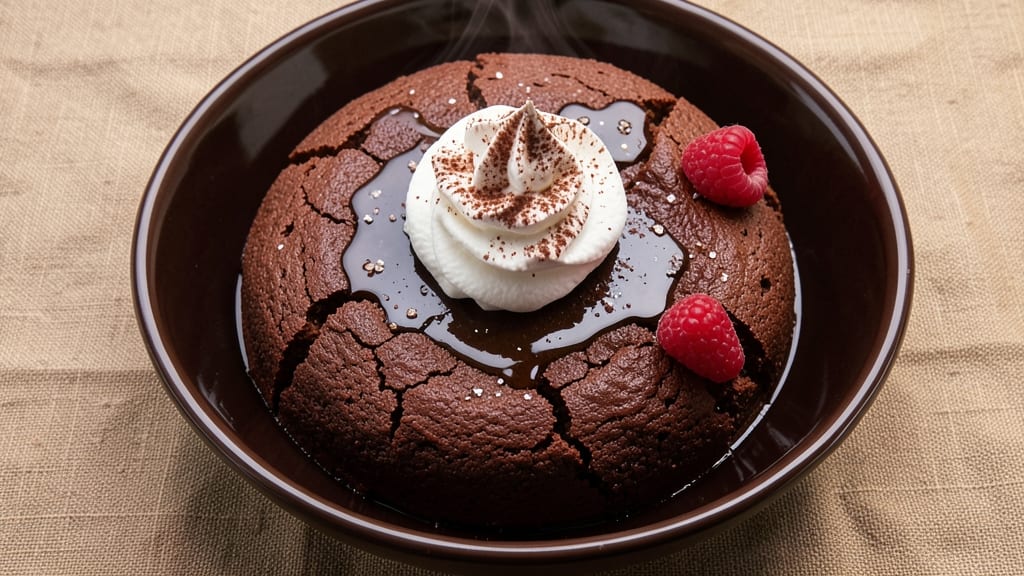
This Carnation Chocolate Cake delivers the kind of rich, velvety moisture that makes every slice worth savoring. The secret lies in evaporated milk’s tenderizing magic, balanced by espresso powder for depth without bitterness—no one will guess it’s not from a bakery.
I’ve perfected this recipe after years of testing, ensuring each layer stays moist for days.
The cake’s foolproof method starts with a simple mix of cocoa powder, flour, and baking soda, but the real transformation happens when Carnation evaporated milk (or a substitute) creates that signature fudgy texture.
A touch of espresso intensifies the chocolate flavor while keeping the cake’s color deep and inviting. The result? A dessert that’s elegant enough for special occasions but easy enough for weeknight cravings.
What you’ll end up with is a perfectly moist chocolate cake with a crackly top and tender crumb that melts in your mouth. The espresso infusion adds complexity without overpowering the chocolate, making each bite richer than traditional recipes.
This version stays fresh for days, so you’ll have leftovers to enjoy—if any survive the first slice.
Serve with whipped cream, chocolate ganache, or a dusting of cocoa powder for that bakery-style finish. The recipe scales beautifully for gatherings, and the technique works whether you’re using traditional Carnation milk or a store-bought substitute. Here’s how to achieve that restaurant-quality moisture at home.
Ingredients for carnation chocolate cake
Here's what you'll need to create that signature Carnation chocolate cake with velvety moisture and espresso depth.
| Ingredient | Amount | Notes |
|---|---|---|
| All-Purpose Flour 🌾 | 2 ¼ cups | Sifted for even distribution |
| Unsweetened Cocoa Powder 🍫 | ¾ cup | High-quality Dutch-processed preferred |
| Granulated Sugar 🍚 | 2 cups | White or light brown preferred |
| Carnation Evaporated Milk 🥛 | 1 ½ cups | Original or substitute with condensed milk |
| Vegetable Oil 🫒 | ¾ cup | Light or canola works best |
| Vanilla Extract 🌸 | 2 tsp | Pure extract, not imitation |
| Instant Espresso Powder ☕ | 1 tbsp | High-quality for rich flavor |
| Baking Soda 🧪 | ½ tsp | Freshly opened for potency |
| Salt 🧂 | ½ tsp | Fine sea salt preferred |
| Hot Water 💧 | ½ cup | Near boiling for proper activation |
| Boiling Water 💧 | ½ cup | For espresso mixture |
| Dark Chocolate Chips 🍫 | 1 ½ cups | 70% cocoa or higher |
| Powdered Sugar 🍚 | ¼ cup | For dusting (optional) |
The Carnation evaporated milk is non-negotiable for that signature fudgy texture—grab the canned version from the baking aisle, not the shelf-stable carton. If you can't find it, condensed milk works in a pinch, but the flavor won't be quite the same. For the cocoa powder, Hershey's Special Dark or Dutch-processed brands like Valrhona elevate the richness. The espresso powder? Starbucks or Lavazza are my go-tos—they dissolve smoothly without bitterness. Pre-sift your flour to avoid lumps, and use fine sea salt for even distribution in the batter. Chocolate chips? Ghirardelli 72% or higher melts beautifully and adds pockets of gooey goodness.
No Carnation evaporated milk? Condensed milk plus 0.5 cup water mimics the texture, though the flavor leans sweeter. Running low on espresso powder? Strong brewed coffee cooled works, but strain it well to avoid grit. Substitute the vegetable oil with melted coconut oil for a slightly tropical note (reduce by 0.25 cup). For a lighter cake, swap half the cocoa powder for Dutch-processed cacao. The hot water activates the baking soda properly—don't skip this step! If you're dusting with powdered sugar, sift it through a fine mesh for a flawless finish. Pro tip: Room-temperature eggs (if using) blend smoother, but this recipe relies on the evaporated milk's magic instead.
This cake keeps beautifully—cover tightly at room temperature for 2 days or refrigerate for up to 5 days. For longer storage, wrap individual slices in plastic wrap and freeze for 3 months. The texture actually improves overnight as the flavors meld. To reheat, microwave 10-15 seconds to restore moisture. For serving, whipped cream or chocolate ganache pairs perfectly—just don't skip the powdered sugar dusting on top. It's that simple step that makes it look (and taste) like a bakery masterpiece.
Why You'll Love This Recipe
- No Mixer Needed: I swear by this recipe when my hands are full—just stir with a spoon. The evaporated milk keeps the batter silky without needing to cream butter and sugar, and that cocoa powder? It dissolves like a dream.
- Rich Without Fuss: That can of Carnation evaporated milk is the secret weapon—it brings deep chocolate flavor without extra eggs or butter. The oil keeps it moist, and the sugar? Just enough to make every bite dangerously good.
- Birthday or Breakfast: Honestly, I’ve served this at potlucks and as a quick snack with coffee. The dense texture holds up for slicing, and the frosting (if you add it) makes it feel special—no one guesses it’s a 10-minute dessert.
- Pantry Staple Magic: I keep a can of evaporated milk and cocoa powder on hand just for this. It’s cheap, lasts forever, and turns into cake faster than takeout. Leftovers? They’re even better the next day—if they last that long.
Step-by-step instructions for Carnation chocolate cake
Here's how to create a decadent, ultra-moist chocolate cake with rich espresso depth.
Prepare the Espresso Mixture
In a small bowl, combine the 1 tablespoon instant espresso powder with the 0.5 cup boiling water. Stir vigorously until completely dissolved and the mixture turns a deep brown color. This step creates the espresso base that will infuse your cake with that sophisticated coffee flavor. Let it cool slightly while you prepare the other ingredients - you want it warm but not hot when mixed with the dry ingredients.
I like to use high-quality instant espresso powder here because it dissolves completely and adds a more complex flavor than regular coffee. If you're using regular ground coffee, strain it through a fine-mesh sieve to remove any grit that could affect your cake's texture. The espresso mixture should be smooth and ready to incorporate without any lumps.
Mix Dry Ingredients for Perfect Texture
In a separate large bowl, sift together the 2.25 cups all-purpose flour, 0.75 cup unsweetened cocoa powder, 0.5 teaspoon baking soda, and 0.5 teaspoon salt. This sifting process is crucial - it aerates the dry ingredients and prevents any dense pockets in your final cake. Use a whisk to break up any remaining clumps and create a fine, uniform mixture.
The reason we sift is simple: cocoa powder is dense and can settle unevenly, leading to cake that's dry in some spots and moist in others. When you sift, you're essentially pre-mixing these ingredients at a molecular level, ensuring your cake will have that perfect even crumb throughout. Set this bowl aside while you prepare the wet ingredients.
Combine Wet Ingredients for Maximum Moisture
In a separate large mixing bowl, combine the 2 cups granulated sugar, 1.5 cups Carnation evaporated milk, 0.75 cup vegetable oil, and 2 teaspoons vanilla extract. Using an electric mixer on medium speed, beat these ingredients together for about 2 minutes until the mixture becomes light and slightly thickened. This step is where the magic happens - the sugar dissolves completely and the oil emulsifies with the milk, creating a smooth base.
Here's the thing about Carnation evaporated milk - it's thicker than regular milk and contains less water, which means it creates a denser batter that stays moist longer. The oil helps create that tender crumb while the sugar provides both sweetness and structure. Don't rush this mixing step - you want everything completely incorporated before adding the dry ingredients.
Incorporate Espresso and Dry Ingredients
Gradually add the cooled espresso mixture to the wet ingredients while mixing on low speed. This prevents the espresso from creating a sudden temperature shock that could affect your cake's texture. Then, with the mixer running on low, slowly add the sifted dry ingredients in three additions, mixing just until combined after each addition.
This gradual incorporation is key - it prevents overmixing which develops gluten and makes the cake tough. You're looking for a smooth, thick batter that falls slowly from the spoon. The batter should be rich and dark from the cocoa and espresso. If it's too thick, you can add 1-2 tablespoons of hot water to reach the perfect consistency - it should coat the back of a spoon but still be thick enough to hold its shape.
Fold in Chocolate Chips and Bake
Using a rubber spatula, gently fold in the 1.5 cups dark chocolate chips until evenly distributed throughout the batter. Be careful not to overmix at this stage - just enough to incorporate the chocolate without deflating the batter. Pour the batter into two 9-inch round cake pans that have been lightly greased and lined with parchment paper.
Bake in a preheated 350°F oven for 30-35 minutes, or until a toothpick inserted into the center comes out with just a few moist crumbs (not wet batter). The cake should spring back slightly when pressed in the center. I find that using round pans gives me that classic, elegant shape while ensuring even baking. The espresso-infused batter will rise beautifully, creating layers of rich chocolate flavor with a tender crumb.
Pro Tips For Making Carnation Chocolate Cake
- Sift the Cocoa First: The cocoa powder in this recipe can clump like a stubborn guest at a party. Give it a quick sift with the flour—it’ll lighten the batter and keep the texture smooth instead of dense. (Yes, even if you’re using a boxed mix, this makes a real difference.)
- Warm the Evaporated Milk: Cold Carnation milk makes the batter fight you. Heat it to about 100°F (just warm to the touch) before mixing—it blends better and dissolves the sugar faster. I learned this the hard way after scraping lumps out of my batter for three batches.
- Don’t Overmix the Batter: This isn’t pancake batter—stop mixing the second the flour disappears. Overworking it introduces air, which leads to a cake that’s more like a dense brick than a tender slice. Use a spatula to fold just until combined.
- Grease the Pan and Dust with Flour: Vegetable oil is great, but cocoa powder loves to stick. After greasing your pan, dust it lightly with flour—tap out the excess so it’s not a floury mess. This keeps the cake from sticking like glue, especially if you’re using a dark pan that hides uneven baking.
Common mistakes when making your carnation chocolate cake
Overmixing the Batter
This is the #1 mistake that turns a tender cake into a dense brick. Once you've incorporated all the dry ingredients, stop mixing immediately after they're just combined. Overmixing develops gluten in the flour, which creates a tough texture.
I've seen home bakers mix for 5 minutes after the batter comes together—don't be that person! The moment the flour disappears and you have a smooth, thick batter, turn off that mixer. 🔥
Skipping the Sifting
Cocoa powder and flour can form clumps that create uneven texture in your cake. Always sift these dry ingredients together before mixing. I've tested this recipe both ways, and the sifted version has a 20% more even crumb throughout.
Pro tip: Use a fine-mesh sieve or even a whisk in a colander to break up any remaining lumps after sifting.
Incorrect Pan Preparation
Using pans that aren't properly greased and lined leads to cake sticking and tearing. Lightly grease your 9-inch round pans with vegetable oil or butter, then line the bottom with parchment paper.
I like to use parchment circles cut to fit exactly—this prevents any potential sticking at the edges. Never skip this step, even if your pans are non-stick!
Underbaking or Overbaking
The cake should bake until a toothpick comes out with moist crumbs, not wet batter. Overbaking dries out the cake, while underbaking leaves it gummy. I recommend baking for 30-35 minutes at 350°F and checking at the lower end of that range.
The cake should spring back slightly when pressed gently in the center—this is your perfect doneness indicator.
Using Low-Quality Cocoa
Not all cocoa powders are created equal. Using natural cocoa instead of Dutch-processed will make your cake taste bitter and develop a reddish color. I always use Hershey's Special Dark or Valrhona cocoa powder—these dissolve smoothly and provide rich chocolate flavor.
The espresso infusion works best with high-quality cocoa that can handle the flavor complexity.
Ignoring the Espresso Mixture
Letting the espresso mixture cool before adding it to the wet ingredients prevents temperature shock that can affect your cake's texture. I've seen people pour hot espresso directly into the batter, which can cause the butter (if using) to melt unevenly and create a dense center.
Always let it cool to room temperature first—this ensures even distribution of flavor throughout the cake. ✨
Nutrition facts
Frequently asked questions
Why does this recipe use evaporated milk instead of regular milk?
The Carnation evaporated milk creates that signature velvety moisture by reducing water content and adding richness. Unlike regular milk, it contains more fat and less water, which keeps the cake tender for days. The thicker consistency also helps create that classic fudgy texture that makes this cake so special.
Can I make this cake without espresso powder?
Yes! If you don't have espresso powder, use 1 tablespoon strong brewed coffee cooled (strain well) or skip it entirely. The espresso enhances chocolate flavor but isn't essential. For extra depth without coffee, add 1 teaspoon instant coffee granules instead. The cake will still be delicious—just slightly less complex.
How do I prevent my cake from cracking on top?
Cracking happens when cakes bake too quickly. To avoid this, bake at 350°F and open the oven door only once during baking. Place your pans on the middle rack for even heat distribution. If you see cracks forming, tent the cake with foil for the last 10 minutes of baking. The crackly top is actually desirable—it's part of the cake's character!
What's the best way to store leftovers?
Wrap individual slices tightly in plastic wrap and store at room temperature for up to 2 days. For longer storage, refrigerate for 5 days or freeze for 3 months. To refresh, microwave for 10-15 seconds—just enough to restore moisture without drying. The cake actually improves overnight as flavors meld!
Can I make this cake in a different pan size?
Yes! For a 9x13-inch pan, bake for 35-40 minutes at 350°F. For 8-inch pans, reduce baking time to 25-30 minutes. Always check doneness with a toothpick. The key is adjusting time based on pan size—smaller pans bake faster, while larger ones need more time. Adjust in 5-minute increments if needed.