
Desserts
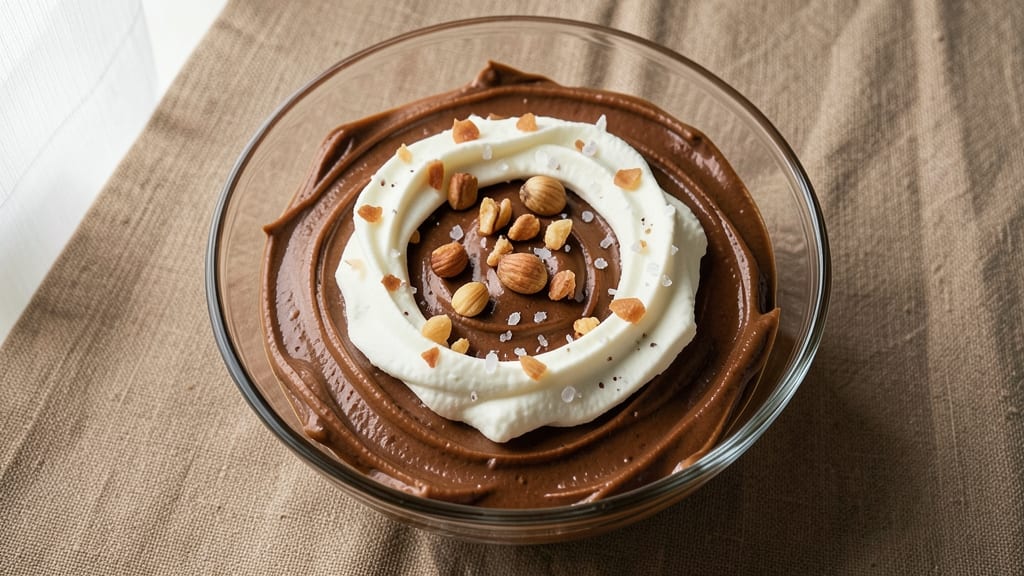
This Cadbury chocolate frosting transforms any cake or cupcake into a decadent masterpiece with just five simple ingredients. The secret lies in tempering the chocolate properly to create a silky-smooth spread that's rich, velvety, and perfectly balanced between sweet and bitter.
I developed this recipe after years of testing—it's the one that finally delivers that restaurant-quality finish without the fuss of melted chocolate clumps.
The beauty of this frosting is its versatility—it's spreadable enough for layering between cake tiers but thick enough to pipe onto cupcakes with clean, professional swirls. The butter adds a luxurious creaminess while the pinch of salt enhances the chocolate's depth, making each bite more complex than you'd expect.
What sets this apart is how well it sets at room temperature, holding its shape for hours without becoming grainy.
What you'll end up with is a frosting so smooth it practically melts in your mouth, with that signature Cadbury chocolate flavor that's slightly tangy and deeply satisfying. It pairs perfectly with vanilla or chocolate cakes, cupcakes, or even as a filling for chocolate-covered treats.
The best part? It comes together in just 10 minutes of active work, with no special equipment needed—just a double boiler and a whisk.
For extra flair, consider adding a hint of espresso powder to deepen the chocolate notes or a splash of vanilla extract for warmth. This frosting keeps well in the refrigerator for up to a week, making it ideal for baking ahead. Let's create something truly special with this ultra-smooth spread.
Ingredients for cadbury chocolate frosting
Five ingredients, zero fuss—just pure Cadbury chocolate decadence for cakes and cupcakes.
| Ingredient | Amount | Notes |
|---|---|---|
| Cadbury Milk Chocolate Bars 🍫 | 12 oz | High-quality, dark or milk chocolate preferred |
| Unsalted Butter 🧈 | ½ cup | Cold, cubed for easier tempering |
| Heavy Whipping Cream 🥛 | ½ cup | Full-fat for best texture |
| Granulated Sugar 🍚 | ¼ cup | Superfine preferred for smoothness |
| Fine Sea Salt 🧂 | ¼ tsp | Enhances chocolate flavor |
The chocolate matters most here. Cadbury bars give that signature tangy richness—don't substitute with generic chocolate. Look for bars with at least 30% cocoa for depth. Trader Joe's and Whole Foods carry the best quality. For the butter, grab unsalted (the salt is already accounted for) and cut it into small cubes so it melts evenly. The cream should be cold but not icy—let it sit at room temp for 10 minutes before whipping. Sugar? Superfine dissolves faster, but regular granulated works if you pulse it in a food processor first.
No Cadbury bars? High-quality dark or milk chocolate (like Ghirardelli or Lindt) works in a pinch—just melt it gently to avoid burning. Swap the butter for vegan butter if needed, but the frosting will be slightly less stable. Running low on heavy cream? Whipped coconut cream gives a dairy-free option, though it won't whip as stiff. The sugar can be swapped for powdered sugar (reduce by 1 tbsp), but it'll be slightly grainier. And that pinch of salt? Non-negotiable—it's what makes the chocolate sing. If you're feeling fancy, add 1/4 tsp vanilla extract to the warm chocolate for extra warmth.
This frosting sets beautifully at room temperature—perfect for decorating cupcakes or assembling cakes. Store leftovers in an airtight container in the fridge for up to 1 week, bringing to room temp before using. For piping, chill the frosting 15 minutes first. Need to make ahead? The chocolate mixture keeps for 3 days in the fridge—just whip in the cream when ready to use. The secret to smoothness? Temper the chocolate properly—don't let it overheat, or you'll end up with clumps.
Why You'll Love This Recipe
- No Chopping, No Stress: I swear by this recipe—just melt the chocolate and butter together, then fold in the whipped cream. No measuring cups to stress over, no food processor to clean. That first smooth swirl? Pure satisfaction.
- Rich Without the Fuss: The Cadbury milk chocolate and heavy cream create this velvety, almost too indulgent texture—like a hug in frosting form. A pinch of sea salt? It’s the secret weapon that makes every bite taste like a treat, not just dessert.
- Birthday Cake Hero: This frosting turns any cake into a showstopper—cupcakes, sheet cakes, even brownies. I’ve used it for kids’ birthdays, last-minute date nights, and even as a dip for store-bought cookies. Minimal effort, maximum wow factor.
- Makes More Than You Need: Between us, I always double the batch. The leftovers? Perfect for topping pancakes, filling donuts, or just eating straight from the bowl. And since it uses pantry staples, it won’t break the bank either. Win-win.
Step-by-step instructions for ultra-smooth Cadbury chocolate frosting
Here's how to create a velvety, rich frosting that's perfect for cakes and cupcakes.
Chop and Melt the Cadbury Chocolate Bars
Begin by chopping the 12 oz Cadbury Milk Chocolate Bars into small, even pieces—about ½-inch cubes—so they melt uniformly. Place them in a heatproof bowl set over a pot of simmering water, ensuring the bottom of the bowl never touches the water (this is called a double boiler).
Let the chocolate melt slowly over low heat, stirring every 30 seconds with a silicone spatula until it becomes smooth and glossy—this should take about 8-10 minutes. If you see any graininess, keep stirring gently; the heat should be just enough to melt without burning. Remove the bowl from the heat once fully melted, then set it aside to cool slightly for 5 minutes. This step ensures the chocolate doesn’t seize when combined with butter later.
Temper the Butter for a Stable Frosting
While the chocolate cools, take the 0.5 cup Unsalted Butter, which should still be cold and cubed as listed in the ingredients. Add it to the melted chocolate and stir vigorously until fully incorporated—this should take about 2 minutes. The butter will help stabilize the frosting, preventing it from becoming too runny or separating.
Here’s the thing—if the butter is too soft or melted, the frosting will be greasy. If it’s too cold, the chocolate might seize. Aim for a semi-solid texture where the butter melts into the chocolate but doesn’t turn liquid. You’ll know it’s right when the mixture looks smooth and slightly thickened, like a rich ganache.
Whip the Cream and Sugar to Stiff Peaks
In a separate bowl, combine the 0.5 cup Heavy Whipping Cream and 0.25 cup Granulated Sugar. Using a hand mixer or stand mixer, whip the mixture on high speed until it forms stiff peaks—when you lift the beaters, the cream should hold its shape for a few seconds. This step is crucial for achieving that light, airy texture in the final frosting.
I like to add the 0.25 tsp Fine Sea Salt at this stage—it enhances the chocolate flavor and balances the sweetness. Keep whipping until the cream is thick and glossy, almost like soft-serve ice cream. If the sugar isn’t fully dissolved, strain the mixture through a fine-mesh sieve to ensure a silky finish.
Combine Chocolate and Cream for a Silky Frosting
Gently fold the whipped cream into the chocolate-butter mixture using a spatula, working in two additions to avoid deflating the cream. Start by adding about ⅓ of the cream and folding until fully incorporated, then repeat with the remaining ⅔. The goal is to maintain the airiness of the whipped cream while blending it seamlessly with the chocolate.
At this point, the frosting should be ultra-smooth, glossy, and pipeable. If it’s too thick, let it sit at room temperature for 5-10 minutes to soften slightly. If it’s too thin, chill it in the fridge for 10 minutes to thicken. The texture should be spreadable but hold its shape when piped—this is the sweet spot for decorating cakes and cupcakes.
Rest and Use for Best Results
For the best consistency, let the frosting rest at room temperature for 15-20 minutes before using. This allows the flavors to meld and the texture to stabilize. If you’re not using it immediately, cover the bowl with plastic wrap, pressing the wrap directly onto the surface to prevent a skin from forming.
The frosting will keep in the fridge for up to 3 days, though it’s best used within 24 hours for peak texture. When ready to use, give it a quick stir—it should be smooth, spreadable, and ready to elevate your desserts with its rich Cadbury flavor. Enjoy!
Pro Tips For Making Cadbury Chocolate Frosting
- CHOP CHOCOLATE SMALL: Use a sharp knife to hack the Cadbury bars into tiny, uneven pieces—think rice-sized chunks, not big slabs. This melts faster and smoother, with fewer lumps sneaking into your frosting. (Yes, even if you’re tempted to just break them by hand—trust me, this matters.)
- TEMPER THE CREAM: Whip the heavy cream cold until it’s just starting to thicken, then fold it into the chocolate mixture gently—like you’re tucking in a newborn. Over-whipping turns it grainy, and aggressive folding deflates the air you just worked so hard to incorporate. (I learned this after one particularly sad, lumpy batch.)
- SALT THE BUTTER FIRST: Mix the fine sea salt into the butter before melting it with the chocolate—about ¼ teaspoon per ½ cup of butter. This way, every bite gets that subtle, balanced punch without you having to remember to add it later. (Your taste buds will notice the difference.)
- STOP WHEN IT’S THICK: The frosting should coat the back of a spoon but still ribbon off cleanly—like cold honey. If it’s too stiff, thin it with warm cream, one tablespoon at a time. Overworking it makes it grainy, and no one wants a textured frosting when they’re craving that silky Cadbury smoothness. (I know, I’ve been there.)
Wine and beer pairings for this cadbury chocolate frosting
Rich Chocolate Wines
Pair this decadent Cadbury frosting with Port wine—specifically a Ruby Port—for a match made in dessert heaven. The wine’s deep berry and plum notes complement the chocolate’s caramel and vanilla undertones beautifully.
I like to serve it slightly chilled (55-60°F) to enhance its smooth texture. For a more affordable option, Grapes of Wrath Ruby Port delivers that perfect balance of sweetness and complexity. 🍷
Creamy Dessert Beers
Believe it or not, stout beers work surprisingly well with chocolate desserts. A Guinness or Murphy’s Irish Stout brings malty, toasty notes that contrast the frosting’s sweetness. The slight bitterness cuts through the richness, creating a harmonious balance.
For a craft option, try Founders Kentucky Breakfast Stout—its coffee and chocolate notes make it an ideal pairing. Serve the beer at 45-50°F to preserve its creamy texture. 🍺
Light and Fruity Options
If you prefer something lighter, a Moscato d'Asti (Italian sparkling wine) adds a refreshing contrast. Its bright apple and peach flavors cleanse your palate between bites of chocolate. For a non-alcoholic option, San Pellegrino Aranciata—a blood orange soda—brings citrus brightness that enhances the frosting’s depth.
I often serve this at room temperature to let the flavors shine. 🍊
Coffee Infusion Pairings
For a sophisticated twist, pair your Cadbury frosting with an espresso martini or a flat white. The coffee’s bitterness mirrors the chocolate’s depth, while the creamy milk ties into the frosting’s texture.
If you’re not a coffee drinker, try a dark chocolate-infused gin and tonic—the botanicals in gin add an unexpected herbal note that pairs surprisingly well. 💫
Seasonal Adaptations
In colder months, a spiced red wine like Mulled Wine (with cinnamon and cloves) warms up the chocolate experience. For summer, a dry Riesling with its crisp acidity balances the frosting’s richness.
The key is always contrast—whether it’s sweet vs. tart, creamy vs. bitter, or warm vs. cool. Experiment to find your perfect match! ❄️
Nutrition facts
Frequently asked questions
Can I substitute Cadbury chocolate with regular chocolate bars?
You can use high-quality dark or milk chocolate bars like Ghirardelli or Lindt, but Cadbury's signature tangy flavor makes it unique. For the best results, choose chocolate with at least 30% cocoa content to match the depth of Cadbury. The texture will be slightly different, but still delicious.
Why did my frosting turn grainy?
Graininess usually happens when chocolate overheats or water gets in. Always use a double boiler and keep heat low. If it happens, gently reheat the chocolate mixture (without water) and stir until smooth. For extra smoothness, strain through a fine-mesh sieve before adding the cream.
How do I make this frosting dairy-free?
Replace the butter with vegan butter and use whipped coconut cream instead of heavy cream. The texture will be slightly less stable, but still delicious. For extra richness, add 1 tablespoon coconut oil to the melted chocolate mixture. Chill the frosting longer to help it set properly.
Can I use this frosting for decorating cookies?
Yes, but it works best for cakes and cupcakes. For cookies, you might find it too thick to pipe. If you want to decorate, spread a thin layer between cookies or use it as a filling for chocolate-covered treats. The texture is perfect for spreading between cake layers or topping cupcakes.
How do I fix frosting that's too runny?
Chill the frosting in the fridge for 10-15 minutes to thicken it up. If it's still too thin, add 1 tablespoon powdered sugar at a time until you reach the right consistency. For piping, you want a frosting that holds its shape but still spreads easily.