
Beverages
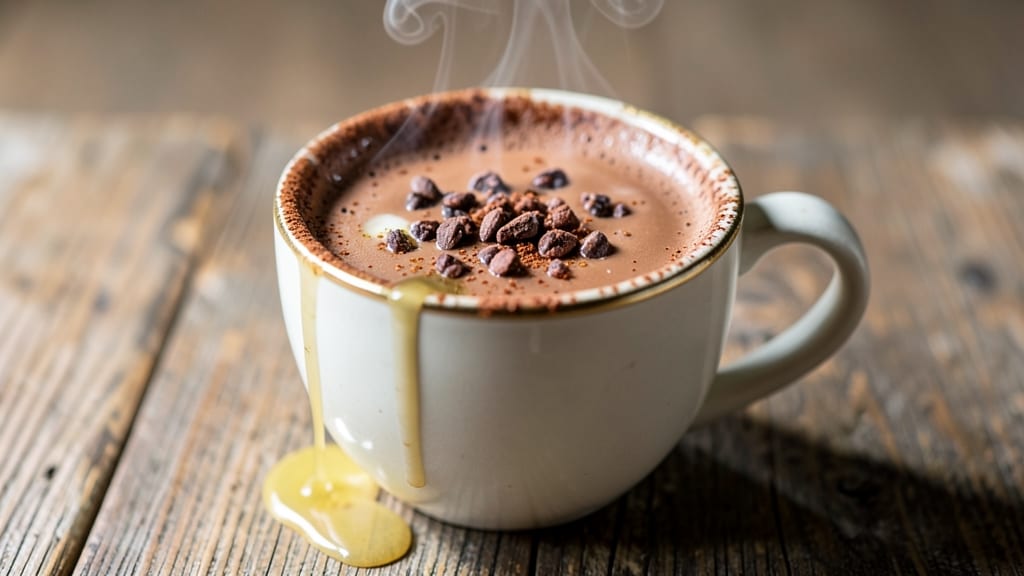
This cacao nibs hot chocolate recipe transforms an ordinary mug into a luxurious, crunchy-sweet experience that tastes like a chocolate lover's dream come true.
The secret lies in those tiny, intense cacao nibs—packed with deep chocolate flavor and satisfying texture—that dissolve into every sip, creating a drink that's both indulgent and subtly complex. I developed this recipe after realizing store-bought versions never quite capture the richness of freshly toasted cacao.
The beauty of this hot chocolate is its simplicity: just four core ingredients (plus optional toppings) come together in minutes, yet deliver restaurant-quality depth.
The cacao nibs add a bittersweet crunch that contrasts perfectly with the creamy base, while a touch of cinnamon and vanilla elevate the flavor profile without overpowering.
Unlike powdered mixes, this version builds flavor layer by layer—starting with a smooth, velvety base that develops into something truly extraordinary as the nibs melt.
What makes this recipe stand out is how it balances richness with clean ingredients—ideal for those who crave indulgence without artificial additives. The method is equally versatile: stovetop for classic warmth, microwave for convenience, or even a French press for a frothy twist.
Each approach preserves the nibs' signature intense chocolate notes while keeping the texture velvety-smooth with pockets of satisfying crunch.
Perfect for cozy evenings, holiday gatherings, or as a comforting pick-me-up, this hot chocolate becomes even more special when shared. The aroma alone—warm cocoa with hints of toasted nuts—transforms any kitchen into a chocolate sanctuary. Ready to experience hot chocolate like never before?
Ingredients for cacao nibs hot chocolate
Four core ingredients plus optional toppings create this luxurious, crunchy hot chocolate experience.
| Ingredient | Amount | Notes |
|---|---|---|
| Unsweetened Almond Milk 🥛 | 2 cups | Full-fat preferred for creaminess |
| Raw Cacao Nibs 🍫 | ½ cup | High-quality, organic preferred |
| Organic Cane Sugar 🍚 | ¼ cup | Light brown preferred for depth |
| Extra-Virgin Coconut Oil 🥥 | 2 tbsp | Melted for smooth texture |
| Pure Vanilla Extract 🌿 | 1 tsp | Bourbon-infused for complexity |
| Ground Cinnamon 🌶️ | ½ tsp | Ceylon preferred for delicate flavor |
| Sea Salt 🧂 | ¼ tsp | Fine grain for even distribution |
| Optional Toppings: Coconut Whipped Cream 🥥 | ½ cup | Homemade for vegan option |
| Optional Toppings: Toasted Coconut Flakes 🥥 | 2 tbsp | Lightly toasted for aroma |
| Optional Toppings: Dairy-Free Chocolate Chips 🍫 | 2 tbsp | Vegan dark chocolate preferred |
The cacao nibs are the heart of this recipe—look for organic, fair-trade varieties at specialty stores like Whole Foods or Trader Joe's for the deepest flavor. Raw cacao nibs deliver that signature bittersweet crunch, but if you can only find roasted, they'll still work beautifully. For the coconut oil, virgin quality ensures no artificial additives, and it melts effortlessly into the warm milk. The almond milk should be unsweetened to preserve the natural balance of flavors, though oat milk works equally well if you prefer a nuttier profile. Toasting the nibs lightly in a dry pan for 2-3 minutes before adding them amplifies their nutty aroma—worth the extra minute for that restaurant-quality touch.
No cacao nibs on hand? Dark chocolate chunks (70% cocoa or higher) work in a pinch, though they'll melt more completely. Substituting the coconut oil? Olive oil or avocado oil maintains a neutral base, but coconut adds a subtle sweetness. The vanilla extract is non-negotiable for depth—imitation extracts lack complexity. For the sugar, maple syrup or agave nectar can replace cane sugar at a 1:1 ratio, though the texture will be slightly thinner. If you're avoiding refined sugar entirely, date syrup or coconut sugar are excellent alternatives. The toppings are purely optional but transform this into a decadent experience—whipped coconut cream adds airiness, while toasted flakes bring an extra layer of texture.
Store the cacao nibs in an airtight container in a cool, dark place for up to 6 months—they're shelf-stable but lose potency over time. The coconut oil solidifies when cold, so keep it at room temperature for easy scooping. Once prepared, this hot chocolate reheats beautifully—simply warm on the stovetop or microwave with an extra splash of milk. For make-ahead convenience, pre-mix the dry ingredients (sugar, cinnamon, salt) in a jar and store for 2 weeks. The whipped coconut cream should be made fresh or stored with a thin layer of oil on top to prevent browning—it keeps for 3 days in the fridge. Freeze individual portions in ice cube trays for quick single-serving mugs.
Why You'll Love This Recipe
- Here’s what sold me: those cacao nibs—tiny, bitter, crunchy little bursts against the creamy coconut oil base. It’s like biting into a chocolate bar while sipping something warm. (Yes, even on a Tuesday night.)
- Two-Ingredient Whisk: I swear by this—just heat the almond milk, toss in the nibs, and stir. No measuring cups, no mess, just you, a mug, and that deep, chocolatey magic happening in seconds.
- Crunchy Luxury: Here’s what sold me: those cacao nibs—tiny, bitter, crunchy little bursts against the creamy coconut oil base. It’s like biting into a chocolate bar while sipping something warm. (Yes, even on a Tuesday night.)
- Weeknight & Weekend: Make a big batch on Sunday, store it in the fridge, and reheat portions all week. Or turn it into a fancy date-night drink with whipped coconut cream on top. Same recipe, two vibes.
Step-by-step instructions for cacao nibs hot chocolate
Here's the precise method to create a velvety hot chocolate with intense cacao flavor and satisfying crunch.
Melt the Base Ingredients
In a medium saucepan, combine the 2 cups unsweetened almond milk, 0.25 cup organic cane sugar, 2 tbsp extra-virgin coconut oil, 1 tsp pure vanilla extract, 0.5 tsp ground cinnamon, and 0.25 tsp sea salt. This combination creates the foundation for your hot chocolate's rich texture and balanced sweetness.
Place the saucepan over medium-low heat and bring to a gentle simmer, stirring constantly with a wooden spoon to prevent scorching. You'll notice the coconut oil and sugar will gradually dissolve, creating a smooth, pale liquid. This process should take about 5 minutes—the mixture should be warm but not boiling, reaching approximately 160°F on an instant-read thermometer. The gentle heat ensures the almond milk doesn't curdle while fully incorporating all the ingredients.
Incorporate the Cacao Nibs
Once the base mixture reaches 160°F, remove the saucepan from heat and let it sit for 1 minute to slightly cool. This brief pause prevents the cacao nibs from burning when added. Using a hand mixer or whisk, gradually incorporate the 0.5 cup raw cacao nibs into the warm mixture.
Begin with a slow speed to avoid splattering, then increase to medium-high for 1-2 minutes until the nibs are fully dispersed and the mixture becomes thick and glossy. The nibs should be evenly distributed throughout the hot chocolate, creating those signature crunchy pockets in every sip. If the mixture appears too thick after mixing, return it to low heat for 30 seconds to loosen the texture slightly—this helps achieve the perfect pouring consistency.
Adjust Consistency and Prepare for Serving
Taste the hot chocolate and adjust the sweetness or intensity as needed. If it requires more sweetness, add 1 tablespoon organic cane sugar at a time, whisking until dissolved. For deeper cacao flavor, add 1 teaspoon additional raw cacao nibs. The hot chocolate should be rich but not overly sweet, with a subtle balance of cinnamon and vanilla.
Return the saucepan to low heat and maintain the mixture at 150-160°F until ready to serve. This temperature range keeps the hot chocolate warm and prevents the cacao nibs from settling at the bottom. For best results, serve immediately in pre-warmed mugs—this maintains the creamy texture and enhances the aromatic experience.
Add Toppings (Optional)
Divide the hot chocolate among 4 serving mugs, filling each about ¾ full. For the 0.5 cup coconut whipped cream, pipe or dollop it on top of each mug using a star tip for an elegant presentation. Sprinkle with 2 tablespoons toasted coconut flakes and 2 tablespoons dairy-free chocolate chips for added texture and visual appeal.
Serve immediately while the toppings are fresh. The contrast of warm hot chocolate with cool, creamy toppings creates a luxurious mouthfeel. For an extra touch of sophistication, garnish with a dusting of additional cacao nibs or a sprinkle of cinnamon. Each sip should deliver a harmonious blend of creamy richness, crunchy texture, and complex cacao flavor.
Pro Tips For Making Cacao Nibs Hot Chocolate
- TOAST THE NIBS FIRST: I learned this the hard way—raw cacao nibs taste bitter if you don’t warm them up. Dry-toast them in a skillet over medium heat for 2-3 minutes until fragrant (not burnt), then whisk them into the milk. This step unlocks their rich chocolate flavor instead of letting them dominate with bitterness.
- WHISK THE COCONUT OIL: Don’t just toss in the coconut oil and stir—whisk it vigorously into the hot milk until it fully emulsifies. Cold oil sitting in clumps ruins the silky texture. If your milk looks greasy, you didn’t mix it enough. A quick 30-second whisk with a fork makes all the difference.
- SWEETEN IN STAGES: Adding all the sugar at once can make your hot chocolate cloyingly sweet. Start with half the sugar, taste, then adjust—cacao nibs are naturally bitter, so balance is key. If it’s still too intense, a pinch more vanilla extract (about ¼ tsp) rounds out the flavors without extra sweetness.
- USE SIMMERING MILK: Heat the almond milk to a gentle simmer (not a rolling boil) before adding the nibs and sugar. This prevents scorching the nibs or curdling the milk. A low-and-slow approach keeps the texture smooth and the flavors integrated—no grainy bits or burnt edges.
Essential equipment for great cacao nibs hot chocolate
Stovetop Essentials
Your medium saucepan is the workhorse of this recipe—choose one with a 3-quart capacity for proper heat distribution. I recommend a stainless steel or enamel-coated pan from brands like All-Clad or Le Creuset for even heating and easy cleanup.
The saucepan should have a comfortable handle (like the Ozeri Touch-Grip) to prevent burns when stirring the hot mixture. A wooden spoon is ideal for stirring to avoid scratching the pan's surface. 🔥
Precision Tools
An instant-read thermometer (like the ThermoWorks Thermapen) is crucial for achieving the perfect 160°F temperature without boiling. This prevents the almond milk from curdling and ensures the cacao nibs melt evenly.
For whisking the nibs into the mixture, a hand mixer (such as the KitchenAid KHM5211ER) or a balloon whisk works best—avoid electric mixers with metal beaters that could scratch your pan.
A fine-mesh strainer (like the OXO Good Grips) helps remove any unwanted bits if you prefer a smoother texture. ⚡
Topping Tools
For the optional toppings, a piping bag with a star tip (from Wilton) transforms coconut whipped cream into an elegant presentation. If you don’t have one, a spoon or small squeeze bottle works in a pinch.
A small offset spatula (like the Mercer Culinary) helps spread toppings evenly. Pre-warm your mugs in the microwave for 30 seconds to maintain the creamy texture—this simple step makes all the difference. 💫
Storage Containers
Store leftover hot chocolate in an airtight glass jar (such as a Le Parfait container) to preserve freshness. For the cacao nibs, use a small glass jar with a tight-sealing lid—I love the Klean Kanteen style for easy pouring.
Keep the coconut whipped cream in a small lidded container with a thin layer of oil on top to prevent browning. Label everything clearly to avoid mix-ups, especially if you’re prepping multiple batches for guests. ✨
Nutrition facts
Frequently asked questions
What makes cacao nibs different from chocolate chips?
Cacao nibs are the pure, minimally processed pieces of cacao beans with the outer shell removed—no sugar or milk added! They deliver an intense, slightly bitter chocolate flavor with a satisfying crunch that melts slowly. Chocolate chips, however, contain added sugars and fats, creating a smoother but less complex taste. For this hot chocolate, nibs provide that signature "bite-sized" texture and deeper cocoa richness.
Can I make this without coconut oil?
Swap the coconut oil for 2 tablespoons melted olive oil or avocado oil—both work beautifully. For a dairy-free butter alternative, try vegan butter (like Earth Balance) at the same quantity. Just heat the oil with the milk to ensure everything blends smoothly. The oil helps create that velvety texture, so don't skip it entirely!
How do I fix hot chocolate that's too thick?
If your hot chocolate is too thick, simply stir in 1-2 tablespoons warm milk (almond, oat, or coconut) at a time until it reaches your desired consistency. For a smoother texture, strain it through a fine-mesh sieve. If it's too thin, simmer the mixture gently for 2-3 minutes while stirring constantly—this helps thicken it naturally without adding extra ingredients.
Is this recipe vegan?
Yes! This hot chocolate is completely plant-based, using almond milk, coconut oil, and vegan toppings. The cacao nibs are naturally vegan, and all ingredients listed are free from animal products. For extra richness, you could even add a splash of cashew cream (blended soaked cashews with water) instead of coconut whipped cream.
Can I make this in a microwave?
Certainly! Combine all ingredients in a microwave-safe mug, heat on medium-high for 2 minutes, then stir well. For even heating, microwave for 30-second intervals until warmed through, stirring between each. The texture may be slightly thinner than stovetop, but it still delivers that rich cacao flavor. For extra crunch, add the nibs after microwaving and stir vigorously.