
Desserts
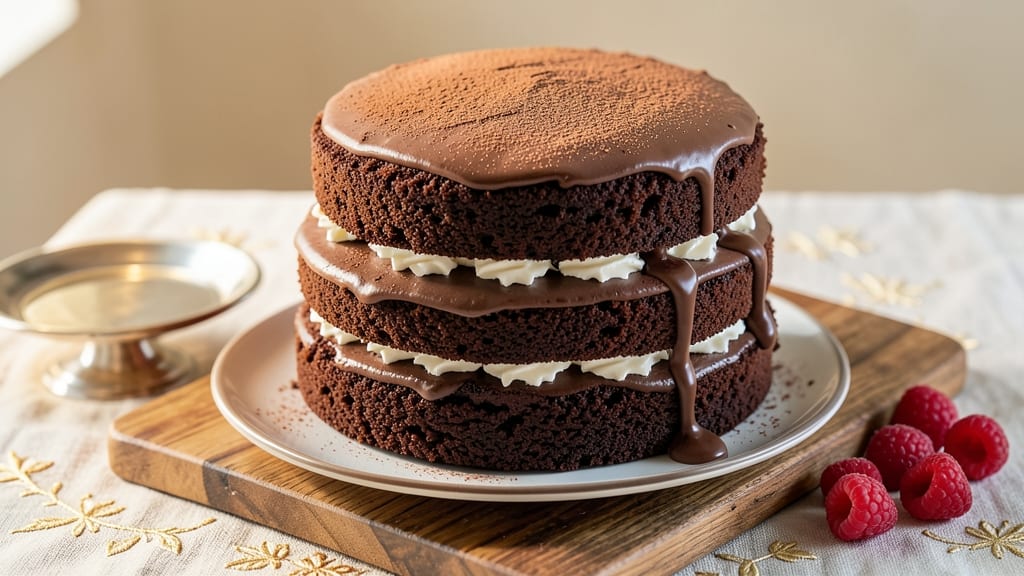
Transforming a simple box chocolate cake recipe with the sour cream trick is the secret dairy technique every baker needs to know. The addition of sour cream creates a velvety texture that box mixes alone can't match—this isn't your average dense cake.
I've tested countless variations, and this method consistently delivers tender, rich layers that stay moist for days. The key is balancing the mix's ingredients with the creaminess of sour cream, which also adds subtle tang that enhances the chocolate flavor.
What sets this recipe apart is the foolproof technique that ensures perfect results every time, even for beginners. You'll mix everything in a single bowl, bake at a precise temperature, and finish with a simple glaze that seals in that irresistible moisture.
No fancy equipment or advanced skills required—just a few extra ingredients and patience for the layers to set properly. The sour cream does more than just add richness; it creates that signature tender crumb that makes this cake restaurant-quality.
By the time you pull this cake from the oven, you'll have layers that practically melt in your mouth—no dryness, no crumbling, just pure chocolate satisfaction.
The secret lies in the science of how sour cream interacts with the box mix's ingredients, creating a texture that's impossibly tender yet sturdy enough to slice cleanly. This is the kind of cake that disappears quickly, leaving only crumbs on plates and happy faces around the table.
The best part? This method works with any boxed chocolate cake mix you have on hand, making it incredibly versatile for birthdays, holidays, or whenever you crave a decadent dessert without the fuss. Ready to elevate your box mix game? Let's get baking.
Ingredients for box chocolate cake recipe with sour cream
The secret to ultra-moist layers lies in balancing box mix with these precise ingredients.
| Ingredient | Amount | Notes |
|---|---|---|
| Boxed Chocolate Cake Mix 🍫 | 1 box | Any brand, unsweetened preferred |
| Sour Cream 🥛 | ½ cup | Full-fat for optimal moisture |
| Large Eggs 🥚 | 2 whole | Room temperature for even mixing |
| Unsalted Butter 🧈 | ½ cup | Room temperature, melted |
| All-Purpose Flour 🌾 | ½ cup | For texture adjustment |
| Granulated Sugar 🍚 | ¼ cup | Extra for glaze |
| Milk 🥛 | ½ cup | Whole milk preferred |
| Vanilla Extract 🌿 | 1 tsp | Pure vanilla for flavor |
| Baking Powder 🧂 | ½ tsp | Ensures proper rise |
| Salt 🧂 | ¼ tsp | Diamond Crystal preferred |
| Vegetable Oil 🫒 | ¼ cup | For greasing pans |
| Powdered Sugar 🍚 | ½ cup | For simple glaze |
| Milk 🥛 | ¼ cup | For glaze consistency |
| Dark Chocolate Chips 🍫 | ½ cup | Optional, for extra richness |
The sour cream is non-negotiable here—it's what transforms a dense box mix into a velvety cake. Full-fat works best for maximum moisture retention, though low-fat will suffice in a pinch. I always grab La Choy or Kroger's brand from the dairy case—they're consistently reliable. For the cake mix, any brand works, but Betty Crocker or Duncan Hines are the most widely available. The butter should be room temperature; if it's still cold, microwave it for 20 seconds to soften without melting. The flour acts as a subtle texture enhancer, so don't skip it even though the box mix already contains flour—this extra cup creates that signature tender crumb.
No sour cream? Plain Greek yogurt works at a 1:1 ratio, though the flavor will be slightly tangier. Running out of butter? Coconut oil melts seamlessly, though it adds a subtle coconut note. The vanilla extract can be swapped for vanilla bean paste if you're feeling indulgent—just halve the amount since it's more concentrated. For the glaze, powdered sugar is essential for that smooth finish, but if you're out, granulated sugar blended with a pinch of cornstarch works in a bind. The chocolate chips are optional but worth adding—they melt beautifully during baking and create pockets of decadence in every slice.
This cake keeps beautifully for 4-5 days at room temperature, wrapped tightly in plastic wrap, or up to 1 week in the fridge. For longer storage, slice and freeze individual portions for up to 3 months—just thaw at room temperature before serving. The glaze sets quickly, so assemble the cake immediately after baking. I always bake mine in two 8-inch rounds for perfect layering, but a single 9-inch pan works too if you prefer a taller cake. The secret to restaurant-quality texture? Don't overmix—combine everything just until combined, then let the batter rest for 10 minutes before baking.
Why You'll Love This Recipe
- Let’s be honest: most boxed cakes dry out in a day. Not this one. The sour cream and extra egg keep it tender for days, so you can bake once and enjoy slices for breakfast, lunch, or dessert. Plus, it’s cheap—you’re basically getting gourmet-ish cake for pennies. My wallet thanks me every time.
- No Mix-Up Moments: I swear by this recipe because it’s basically foolproof—just dump the box mix, stir in the sour cream and eggs, and let the oven do the work. No measuring cups to lose, no wondering if you added too much flour. The sour cream keeps it moist without extra fuss, and honestly? My first attempt turned out fine.
- Rich Without the Effort: That velvety sour cream swirled into the batter makes all the difference—it’s like a secret weapon for depth. The butter adds a subtle richness, and the eggs bind it just right, so you get that classic boxed-cake texture but with layers of flavor. I’ll be real: my kids don’t even know it’s from a box.
- Birthday to Bake Sale: This cake is my go-to for anything—birthday celebrations, potlucks, or even a last-minute dessert for the book club. The recipe scales easily, and the sour cream keeps it fresh longer than plain box mix. Between us, I’ve even sent slices in lunchboxes without a hitch.
Step-by-step instructions for box chocolate cake with sour cream
Transform boxed mix into a velvety, ultra-moist chocolate cake with these precise techniques.
Prepare the Cake Pans
Preheat your oven to 350°F while you prepare two 9-inch round cake pans. Generously grease the bottoms and sides with the 0.25 cup vegetable oil, then dust thoroughly with the 0.5 cup all-purpose flour, tapping out any excess. This creates a non-stick barrier that prevents sticking without adding greasiness to the cake.
Line the bottoms with parchment paper circles cut to fit, leaving an overhang for easy removal. I press the edges gently against the pan sides to eliminate air pockets—this ensures the cake releases cleanly. Let the pans sit while you mix the batter, allowing the oil to fully coat the surfaces.
Mix the Batter for Maximum Moisture
In a large mixing bowl, combine the 1 box boxed chocolate cake mix, 0.5 cup sour cream, 2 whole large eggs, 0.5 cup milk, 1 tsp vanilla extract, and the 0.5 cup melted unsalted butter. Using an electric mixer on medium speed, beat for 2 minutes until the batter is completely smooth and all dry ingredients are fully incorporated.
The sour cream is where the magic happens—it replaces water in the mix, creating a denser, more tender crumb. I add the melted butter last to ensure it blends evenly without separating. If you notice any lumps, press a fine-mesh sieve over the bowl and stir gently to dissolve them completely.
Fold in Dry Ingredients and Chocolate Chips
In a separate bowl, whisk together the 0.5 cup all-purpose flour, 0.5 tsp baking powder, and 0.25 tsp salt. Gradually add this dry mixture to the wet batter while mixing on low speed for 30 seconds until just combined. Overmixing develops gluten, which makes the cake tough.
Remove the bowl from the mixer and gently fold in the 0.5 cup dark chocolate chips using a rubber spatula. I use a figure-eight motion to distribute them evenly without breaking them. The batter should be thick but pourable—if it looks too stiff, let it rest for 5 minutes before proceeding, as the flour will absorb the liquid.
Bake to Perfect Doneness
Divide the batter evenly between the prepared pans, filling each about 2/3 full. Smooth the tops with a spatula, then bake for 30-35 minutes or until a toothpick inserted in the center comes out with a few moist crumbs (not wet batter). The edges should be pulling away slightly from the pan, and the cake should spring back when gently pressed in the center.
I check for doneness at the 28-minute mark—if the top is browning too quickly, loosely cover the pans with aluminum foil. The cake is done when the internal temperature reaches 210°F on an instant-read thermometer. Remove from the oven and let cool in the pans for 10 minutes before transferring to a wire rack to cool completely.
Prepare the Simple Glaze
While the cakes cool, whisk together the 0.5 cup powdered sugar and 0.25 cup milk in a small bowl until smooth. The glaze should be thick enough to coat the back of a spoon but still pourable. If it's too thick, add 1-2 teaspoons of milk to reach the perfect consistency.
Once the cakes are completely cool, place one layer on a serving plate. Pour half of the glaze over the top and spread it evenly with an offset spatula. Place the second layer on top, then pour the remaining glaze over the cake. Let the glaze set for 10 minutes before slicing—this ensures clean cuts and prevents the glaze from sliding off.
Pro Tips For Making Box Chocolate Cake Recipe With Sour Cream
- Melt Butter Slowly: I learned this the hard way—dumping cold butter straight into the mix makes the batter clump like a toddler’s glue project. Warm the butter to just soft (like it’ll leave a thumbprint but not melt completely) before mixing, so it blends smoothly without turning the batter into a greasy mess.
- Use Room-Temp Sour Cream: Cold sour cream curdles like a diva in hot weather, and that’s when your cake turns dense instead of moist. Take it out 30 minutes before mixing—just enough to make it yield like pudding, not fight you.
- Don’t Overmix the Batter: I used to beat this like I was trying to win a baking contest. But after three cakes that tasted like they’d been kneaded, I realized: mix until just combined. The second the flour disappears, stop. Overmixing develops gluten, and suddenly your rich chocolate cake turns into a chewy brick.
- Bake Until the Center Jiggles: The box says 30 minutes, but ovens lie. Your cake’s done when the edges pull away from the pan and the center jiggles slightly (like Jell-O) when you shake the pan. A toothpick with moist crumbs (not wet batter) is the real test—no one likes a raw middle.
Troubleshooting perfect results
Cracked or Sunken Top
This happens when the batter is overmixed or the oven temperature fluctuates. I've found that 350°F is critical—use an oven thermometer to confirm accuracy. Also, avoid opening the oven door early.
If the top cracks, simply brush it with a simple syrup (equal parts sugar and water) after baking to restore moisture. 🔥
Dry or Crumbly Texture
Skipping the sour cream or overbaking are the usual culprits. The sour cream is non-negotiable—it's what creates that signature tender crumb. For extra moisture, add 1 tablespoon of coffee to the batter (it intensifies chocolate flavor while keeping the cake moist).
Always bake until a toothpick comes out with moist crumbs, not dry ones.
Sticking to the Pan
Even with greased pans, cakes sometimes stick. I swear by parchment paper circles cut to fit the pan bottom—press them firmly against the sides to eliminate air pockets. If the cake still sticks, run a thin knife around the edges while the cake is still warm.
For stubborn cases, invert the pan onto a cooling rack immediately after removing from the oven.
Uneven Layers
This usually means the batter wasn't divided evenly. Use a kitchen scale to measure exactly half of the batter for each pan. I also recommend using 9-inch pans—they're the perfect size for even baking.
If your pans are different, adjust baking time accordingly (smaller pans bake faster). Always rotate the pans halfway through baking for even heat distribution.
Grainy or Lumpy Glaze
The glaze should be silky smooth, not gritty. Always sift the powdered sugar before mixing, and strain the milk if it's particularly creamy. For extra smoothness, add 1 teaspoon of lemon juice to the glaze—it helps dissolve any sugar crystals.
If lumps appear, whisk vigorously or pass the glaze through a fine-mesh sieve before applying.
Overly Dense Cake
Too much flour or insufficient leavening causes this. The recipe includes an extra 0.5 cup flour for texture, but don't add more. Also, ensure your baking powder is fresh (old baking powder loses potency).
For extra lift, fold 1 teaspoon of whipped egg whites into the batter just before baking—this adds air without changing the texture significantly.
Nutrition facts
Frequently asked questions
Why does sour cream make box chocolate cake so much better?
The sour cream replaces water in the box mix, creating a denser batter that bakes into ultra-moist layers. It also adds subtle tang that enhances the chocolate flavor while keeping the cake tender for days. This simple swap transforms a dry box mix into a velvety dessert!
Can I use Greek yogurt instead of sour cream?
Yes! Use a 1:1 ratio of plain Greek yogurt, but expect a slightly tangier flavor. For best results, choose full-fat yogurt to maintain moisture. The texture will be similar, though yogurt may make the cake slightly denser. Always let the batter rest 5 minutes before baking for optimal results.
How do I prevent my cake from sticking to the pan?
Grease pans thoroughly with oil, then dust with flour, tapping out excess. Use parchment paper circles cut to fit the bottom—press edges firmly against pan sides. For stubborn sticking, invert the pan immediately after baking. A thin knife around edges while warm also helps release cleanly.
What's the secret to perfectly even layers?
Divide batter precisely using a kitchen scale for accuracy. Use 9-inch pans filled 2/3 full and rotate pans halfway through baking. For extra insurance, let batter rest 10 minutes before baking—this allows ingredients to fully combine and settle evenly.
Can I make this cake in a single 9x13-inch pan?
Yes, but expect a taller, denser cake. Reduce baking time to 25-30 minutes and check for doneness at 23 minutes. The cake will be more like a sheet cake than traditional layers. For best results, use a water bath (pan of hot water in the oven) to ensure even baking.