
Desserts
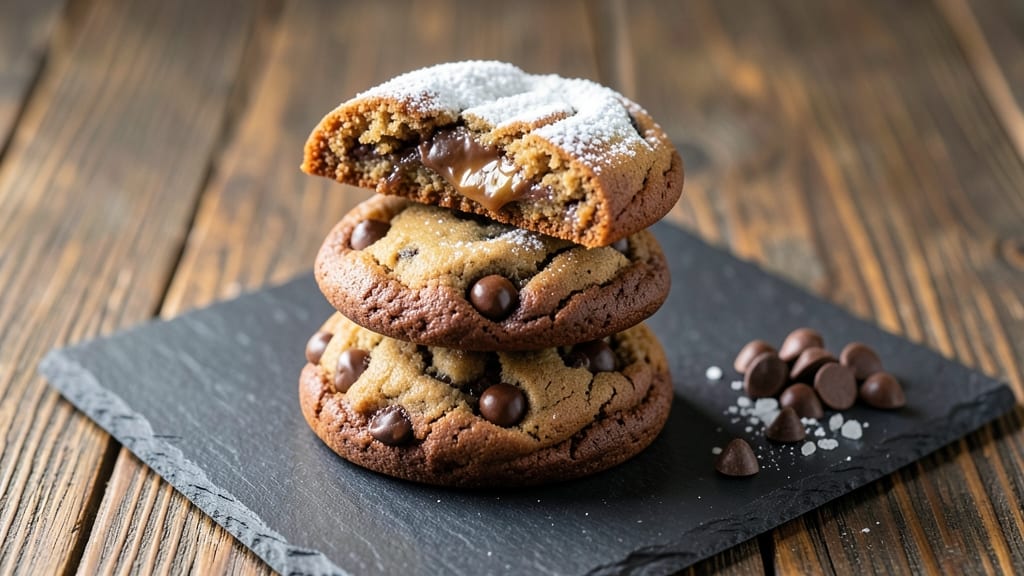
A bittersweet chocolate cookie recipe transforms ordinary baking into an art form, delivering rich, complex flavor without the bitter edge. These cookies strike the perfect balance between deep chocolate intensity and approachable sweetness, using high-quality chocolate that shines through every bite.
The secret lies in the chocolate selection and precise baking technique, ensuring a cookie that's tender yet sturdy, with a crackly top and fudgy center.
What sets these cookies apart is their ability to showcase bittersweet chocolate's nuanced profile—caramel undertones, subtle fruitiness, and a lingering finish.
Unlike milk chocolate cookies, these rely on the chocolate's natural depth, enhanced by a touch of espresso powder for complexity and a pinch of sea salt to brighten the flavor. The dough requires proper chilling to develop flavor and prevent spreading, resulting in cookies that bake up perfectly every time.
By the time you pull these golden-brown cookies from the oven, you'll have a batch that's impossible to resist—crisp at the edges, tender in the middle, and packed with layers of chocolate goodness.
The aroma alone will have everyone gathering in the kitchen, and each bite delivers that perfect harmony of sweet, bitter, and savory notes. These cookies are ideal for holidays, gifts, or simply indulging in a moment of pure chocolate bliss.
For those who love experimenting, try adding toasted nuts or a sprinkle of flaky salt before baking. The possibilities are endless, but the foundation—high-quality chocolate and precise technique—remains the key to success. Let's get started on creating these exceptional cookies.
Ingredients for bittersweet chocolate cookie
High-quality chocolate and precise technique create cookies with deep flavor and perfect texture.
| Ingredient | Amount | Notes |
|---|---|---|
| Bittersweet Chocolate Chips 🍫 | 10 oz | 70% cocoa content preferred |
| Unsalted Butter 🧈 | 1 cup | Cold, cubed for even mixing |
| Granulated Sugar 🍚 | ½ cup | Superfine preferred for smooth texture |
| Light Brown Sugar 🍚 | ½ cup | Packed firmly for accurate measure |
| Large Eggs 🥚 | 2 whole | Room temperature for even blending |
| Instant Espresso Powder ☕ | 1 tbsp | Enhances chocolate depth |
| Vanilla Extract 🌿 | 1 tsp | Pure Madagascar preferred |
| All-Purpose Flour 🌾 | 1 ½ cups | Sifted for light texture |
| Flaky Sea Salt 🧂 | ½ tsp | Maldon or Jacobsen preferred |
| Baking Soda 🧪 | ½ tsp | Ensures proper rise |
| Ground Black Pepper 🌶️ | ¼ tsp | Freshly ground for subtle heat |
The chocolate selection is non-negotiable—70% cocoa bittersweet delivers the ideal balance of richness and complexity. Valrhona or Callebaut brands are industry standards, but any high-quality chocolate with caramel undertones works. Avoid chocolate chips with added emulsifiers, which can make cookies spread excessively. For the butter, European-style (like Plugrá or Land O'Lakes) has higher fat content, ensuring a tender crumb. The espresso powder enhances chocolate depth without bitterness; Starbucks or La Marzocco are reliable sources. Measure your brown sugar packed firmly—over-packing leads to overly sweet cookies, while under-packing creates dry texture.
No instant espresso powder? Strong brewed coffee cooled works in a pinch, though the flavor is slightly muted. Substitute vanilla with vanilla bean paste for extra richness, or bourbon extract for depth (reduce other liquids by 1 tsp). For flour, King Arthur or Bob’s Red Mill are ideal, but sifted all-purpose suffices. If you lack flaky sea salt, fine kosher salt can be sprinkled lightly—though it won’t create the same dramatic flavor contrast. The baking soda is critical; double-acting ensures proper rise during both mixing and baking. Prefer a slightly spiced note? Cinnamon or smoked paprika can replace the black pepper at half the amount, though the pepper’s subtle heat complements the chocolate beautifully.
Store dough in an airtight container in the fridge for up to 5 days—flavor develops over time. For best results, chill dough 24 hours before baking to prevent spreading and enhance flavor. Baked cookies keep in an airtight container at room temperature for 5-7 days, though they’re best enjoyed within 3 days for peak texture. Freeze portions of dough on a tray, then transfer to a bag for up to 3 months. Reheat baked cookies in a 200°F oven for 5 minutes to restore crispness. These cookies reheat beautifully—ideal for gifting or holiday baking when you want to serve them at their best.
Why You'll Love This Recipe
- No Fuss Mixing: I swear by the creamy butter-and-sugar combo—just cream, toss in eggs, and fold in chocolate. The dough comes together faster than I can wipe down the counter, and honestly? That’s half the battle won.
- Rich Without Overpowering: The bittersweet chocolate chips melt into pockets of deep, complex flavor, but the brown sugar keeps it from tasting like a dessert-only indulgence. It’s sophisticated enough for guests but still feels like a childhood treat.
- Holiday or Snack Attack: Between us, these cookies are my go-to for Christmas gifts (wrap them in parchment, tie with twine—looks fancy, zero effort) and my 3 p.m. sugar craving. Same dough, two totally different vibes.
- Lasts a Week: I make a double batch on Sundays, and they’re still crispy-edged and fudgy in the middle by Friday. Freeze half if you’re not a monster, or just stash them in an airtight container—no sad, dry cookies here.
Step-by-step instructions for bittersweet chocolate cookies
Master the art of balancing rich chocolate flavor with perfect texture in these sophisticated cookies.
Cream the Butter and Sugars to Peak Volume
In a stand mixer fitted with the paddle attachment, combine the 1 cup unsalted butter (cold and cubed) with the 0.5 cup granulated sugar and 0.5 cup light brown sugar. Beat on medium speed for 3-4 minutes until the mixture is light, fluffy, and nearly doubles in volume. You'll notice the color lighten slightly—this indicates proper aeration for tender cookies.
The cold butter creates small air pockets that prevent dense cookies, while the brown sugar adds moisture and chewiness. Press the mixture against the bowl's edge—it should hold its shape briefly before melting back. If it feels too soft, chill for 15 minutes before proceeding.
Incorporate Eggs and Espresso for Depth
Add the 2 whole large eggs (room temperature) one at a time, mixing on low speed for 30 seconds after each addition. Stir in the 1 tbsp instant espresso powder and 1 tsp vanilla extract, mixing until fully combined. The espresso enhances the chocolate flavor without bitterness, while vanilla adds complexity.
Here's the thing—don't overmix. The batter should be smooth but still slightly thick. If it looks curdled, don't worry; the flour will incorporate it perfectly. The mixture should coat the back of a spoon but still hold its shape when dropped from a spoon.
Combine Dry Ingredients and Fold in Chocolate
In a separate bowl, whisk together the 1.5 cups all-purpose flour, 0.5 tsp baking soda, 0.5 tsp flaky sea salt, and 0.25 tsp ground black pepper. Sift the flour mixture into the wet ingredients and mix on low speed for 30-45 seconds until just combined—you should still see small flour streaks. Overmixing develops gluten, leading to tough cookies.
Remove the bowl from the mixer and gently fold in the 10 oz bittersweet chocolate chips using a silicone spatula. Distribute them evenly throughout the dough. The pepper adds a subtle warmth that complements the chocolate without overpowering it. Press a spoonful of dough—it should hold together but still be pliable.
Chill for Ideal Texture
Cover the dough bowl with plastic wrap and refrigerate for at least 1 hour (or up to 24 hours). Chilling firms the butter, preventing excessive spreading in the oven. It also allows the flour to fully hydrate, resulting in a lighter texture. This step is non-negotiable for perfect cookies.
Cold dough also means the chocolate stays evenly distributed, preventing large pockets of unmelted chocolate in the center. Press a piece of dough between your fingers—it should hold its shape but still be soft enough to roll into balls without cracking.
Bake to Golden-Brown Perfection
Preheat your oven to 350°F and line two baking sheets with parchment paper. Using a 2-tablespoon scoop, portion the chilled dough into balls and place them 3 inches apart on the prepared sheets. Gently flatten each ball with your palm to ¼-inch thickness—this ensures even baking.
Bake for 11-13 minutes until the edges are golden brown and the centers look slightly underdone. The cookies will continue cooking on the hot sheet after removal. Let them cool on the baking sheet for 5 minutes before transferring to a wire rack. The centers should still be soft but set, with a crisp exterior and a gooey chocolate core.
Pro Tips For Making Bittersweet Chocolate Cookie
- Use Room-Temp Butter: I learned this the hard way—cold butter makes for dense, greasy cookies. Let that block sit out for 45 minutes before creaming, or even better, microwave it in 10-second bursts until just soft. The dough will spread properly, and those chocolate chips? They’ll melt into silky pockets instead of sinking like rocks.
- Chop Chocolate, Don’t Use Chips: Bittersweet chocolate chips melt unevenly, leaving you with clumps. Skip them—roughly chop a bar of high-quality bittersweet (60-70% cocoa) into uneven pieces. They’ll distribute heat better, melt faster, and give every bite real chocolate flavor, not just a few scattered chips.
- Bake in Two Stages: Start with a high rack (375°F) for 8 minutes to set the edges, then drop to 350°F for the last 6-8 minutes. This prevents over-browning while keeping the centers soft. Overcrowding the pan? Resist the urge—give them space to puff up, or they’ll flatten into sad, crispy pancakes.
- Add a Pinch of Salt: Your recipe already has salted butter? Add an extra ¼ teaspoon of flaky salt to the dough. Bittersweet chocolate can taste flat without it—this balances the bitterness and makes the sweetness sing. Trust me, your cookies will taste like they came from a bakery, not your kitchen.
Common mistakes when making great bittersweet chocolate cookie
Overmixing the Dough
I’ve made this mistake more times than I’d admit—overmixing the dough after adding flour develops gluten, which turns your tender, fudgy cookies into tough, chewy bricks. The goal is to combine the dry ingredients just until no flour streaks remain, about 30-45 seconds on low speed.
If your dough looks like pancake batter, you’ve gone too far. 💫
Skipping the Chill
Chilling the dough for at least 1 hour (or overnight) isn’t optional—it’s the secret to preventing flat, spread-out cookies. The butter needs time to firm up, which keeps the cookies from flattening into sad pancakes.
If you’re impatient, pop the dough in the freezer for 20 minutes as a quick fix, but nothing beats the flavor development from a full chill.
Using Low-Quality Chocolate
This is a dealbreaker: 70% cocoa bittersweet chocolate is non-negotiable. Cheap chocolate with fillers or low cocoa content will make your cookies taste flat and bitter. Invest in brands like Valrhona or Callebaut, or at least look for chocolate with caramel undertones.
The difference is night and day—your cookies will sing with depth instead of tasting like sad, one-note pudding.
Overbaking for Crispiness
Golden-brown edges with a soft, gooey center—that’s the magic. Pull your cookies out when the edges are just set and the centers still look slightly underdone. They’ll firm up as they cool.
Overbaking turns them dry and leathery. Trust your eyes: the perfect cookie should have a crackly top but still yield slightly when pressed. 🔥
Ignoring the Espresso Powder
The 1 tbsp instant espresso powder isn’t just flavor insurance—it’s the bridge between bitterness and balance. Skipping it leaves your cookies tasting harsh or one-dimensional. If you’re out, a teaspoon of strong brewed coffee (cooled) works in a pinch, but the powder’s intensity is unmatched.
Think of it as the flavor equivalent of a good editor—it sharpens everything.
Not Preheating the Oven
This is basic, but I’ve seen it happen: cookies baked in a lukewarm oven spread unevenly and cook inconsistently. Always preheat your oven to 350°F for 10-15 minutes before baking.
A properly preheated oven ensures even heat distribution, so your cookies bake uniformly with that perfect crackly top. No shortcuts here—it’s the foundation of success.
Nutrition facts
Frequently asked questions
What's the best chocolate percentage for these cookies?
70% cocoa bittersweet chocolate is ideal—it delivers deep flavor without overwhelming bitterness. Brands like Valrhona or Callebaut offer excellent options with caramel undertones that enhance the cookie's complexity. Avoid anything below 65% or with added fillers, as they'll make your cookies taste flat.
Can I make these cookies without espresso powder?
You can substitute with 1 teaspoon of strong brewed coffee (cooled), but the flavor won't be as intense. The espresso powder enhances chocolate depth without bitterness—think of it as the secret weapon for balancing sweetness. If you're out, try ½ teaspoon of cocoa powder instead for a milder boost.
How do I store leftover cookies?
Keep cookies in an airtight container at room temperature for 5-7 days, though they're best enjoyed within 3 days for peak texture. For longer storage, freeze portions on a tray, then transfer to a bag for up to 3 months. To restore crispness, reheat at 200°F for 5 minutes. The chocolate stays freshest this way!
Why did my cookies spread too much?
Most likely, you skipped chilling the dough or used room-temperature butter. The dough needs 1-24 hours in the fridge to firm up. If you're in a hurry, chill for 20 minutes in the freezer. Also ensure your butter is cold when creaming—this prevents excessive spreading. A 2-tablespoon scoop and proper spacing on the sheet help too.
Can I add nuts or other mix-ins?
Try toasted pecans or walnuts for crunch, or dried cranberries for tart contrast. Fold them in during the final dough stage—just don't overmix. For a gourmet touch, sprinkle with flaky sea salt before baking. Keep mix-ins to ½ cup total to maintain the cookie's signature texture.