
Desserts
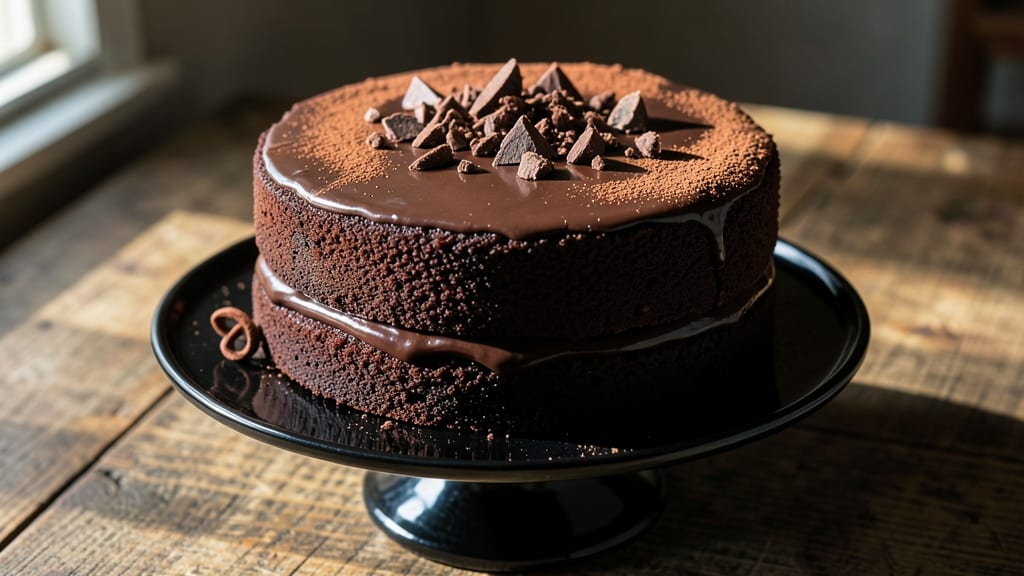
This bitter dark chocolate cake delivers the kind of deep cocoa intensity that satisfies even the most devoted chocolate lovers—no sweetness to mask the rich, slightly bitter notes. 💛 The secret lies in using high-quality 70%+ dark chocolate and a precise balance of espresso powder and citrus zest, which enhance rather than overpower the natural bitterness. What makes this recipe stand out is the crispy, crackly top that forms as it bakes, adding texture without sacrificing moisture.
The cake’s dense yet tender crumb comes from a methodical mixing process—creaming butter and sugar until light, then folding in melted chocolate for maximum flavor infusion. A touch of coffee and orange zest brightens the bitterness, while a simple ganache frosting ties everything together with its velvety sheen.
This isn’t just dessert; it’s an experience designed to impress even the most discerning palates.
By the time it’s done, you’ll have a cake with layers of complexity: the bold, almost wine-like depth of the chocolate, the subtle bitterness that lingers, and the satisfying crunch of the top. The frosting adds another dimension—smooth yet slightly crisp, with just enough sweetness to balance the richness.
Serve it with a sprinkle of flaky sea salt or a dusting of cocoa powder to elevate the flavors even further.
Perfect for special occasions or when you want to indulge in something truly extraordinary, this cake is as much about technique as it is about taste. Let’s get started—your taste buds will thank you.
Ingredients for bitter dark chocolate cake
High-quality chocolate and precise technique make this cake unforgettable—deep, bitter, and perfectly textured.
| Ingredient | Amount | Notes |
|---|---|---|
| Unsalted Butter 🧈 | 1 cup | Cold, cut into small cubes |
| Granulated Sugar 🍚 | 1 ½ cups | Light brown preferred for depth |
| Dark Chocolate Bars 🍫 | 8 oz | 70% cocoa, chopped fine |
| Large Eggs 🥚 | 3 whole | Room temperature, separated |
| All-Purpose Flour 🌾 | 2 ½ cups | Sifted, spooned lightly |
| Espresso Powder ☕ | 1 tbsp | Pure, no additives |
| Orange Zest 🍊 | 1 tbsp | Fresh, finely grated |
| Baking Powder 🧂 | ½ tsp | Aluminum-free preferred |
| Salt 🧂 | ½ tsp | Fine sea salt |
| Heavy Cream 🥛 | 1 cup | Cold, for ganache |
| Powdered Sugar 🍚 | 1 ½ cups | Sifted for smooth frosting |
| Flaky Sea Salt 🧂 | 1 tsp | For finishing |
| Unsweetened Cocoa Powder 🍫 | ¼ cup | High-quality, Dutch-processed |
The chocolate is non-negotiable here. Lindt 70% or Valrhona Abinao are my go-tos—they’ve got that rich, slightly bitter profile that stands up to the espresso. If you’re using bars, chop them fine so they melt evenly into the batter. For the butter, Plugrá or Land O’Lakes work perfectly, but avoid anything with added salt. The orange zest needs to be fresh—navel oranges have the best balance of sweetness and acidity. If you can’t find fresh, dried zest works in a pinch, but it won’t have the same brightness. Sift your flour and cocoa powder to avoid a dense crumb—Bob’s Red Mill or King Arthur are reliable choices.
No espresso powder? Instant espresso dissolved in 1 tbsp hot water works just as well. Running short on orange zest? Lemon zest at half the amount gives a similar tang, though it’s slightly sharper. The baking powder is crucial for that crackly top—don’t skip it. For a lighter cake, you can replace 1 oz of chocolate with 1 oz of white chocolate, but the bitterness will be noticeably softer. If you’re making this ahead, bake the cake a day early—the flavors deepen as it sits, and the ganache sets better on a slightly stale base. The powdered sugar for the frosting should be sifted twice to avoid lumps, and if you’re feeling fancy, strain the ganache through a fine-mesh sieve for an ultra-smooth finish.
This cake keeps beautifully for 3 days at room temperature, wrapped tightly in plastic. For longer storage, freeze the unfrosted cake for up to 3 months—thaw at room temperature before adding the ganache. The ganache itself will firm up in the fridge but softens quickly at room temperature. If you’re serving it chilled, let it sit for 10 minutes before slicing. The sea salt and cocoa powder on top are best added just before serving—they lose their crunch if stored. For an extra touch, brush the top with a little orange liqueur before dusting with cocoa powder, but skip it if you’re avoiding alcohol.
Why You'll Love This Recipe
- Here’s what sold me: that 70% dark chocolate delivers deep, bittersweet notes without tasting like a health food lecture. The butter and sugar balance it perfectly—creamy, not harsh, with a finish that lingers like a good book.
- No Melted Mess: I swear by this method—just chop the dark chocolate bars roughly (no food processor needed) and fold them into the batter. The chunks stay just melty enough to make every bite feel like a little reward, but not so gooey you’re scraping chocolate off your fingers.
- Rich Without Overpowering: Here’s what sold me: that 70% dark chocolate delivers deep, bittersweet notes without tasting like a health food lecture. The butter and sugar balance it perfectly—creamy, not harsh, with a finish that lingers like a good book.
- Weeknight or Celebration: Between us, this cake works for both. Bake it for your own 8 p.m. snack when you’re craving something indulgent, or dress it up with whipped cream for a last-minute dessert at a dinner party. Same recipe, two vibes.
Step-by-step instructions for deep cocoa intensity cake
Here's how to craft a rich, fudgy dark chocolate cake with that coveted crackly top.
🍳 Step 1: Melt Chocolate and Butter for Maximum Depth
In a heatproof bowl set over a pot of barely simmering water, combine the 8 oz dark chocolate bars and 1 cup unsalted butter. Stir gently until completely melted and smooth—this double boiler method prevents scorching. Remove from heat and let cool for 5 minutes while you prepare the dry ingredients.
I like to add the 1 tbsp espresso powder and 1 tbsp orange zest to the chocolate mixture now, whisking until fully dissolved. The espresso enhances the chocolate's bitterness while the orange zest adds a subtle brightness that balances the intensity. Let this mixture cool to 100°F before adding eggs—warm chocolate can cook the eggs and create a grainy texture.
👨🍳 Step 2: Whisk Eggs and Sugar for Light Structure
In a separate large bowl, beat the 3 whole large eggs and 1.5 cups granulated sugar on medium-high speed for 3-4 minutes until the mixture is pale, thick, and nearly tripled in volume. You'll see ribbons form when you lift the beaters—this is your signal for proper aeration.
Gradually pour the cooled chocolate mixture into the egg mixture while beating on low speed. Scrape down the sides of the bowl to ensure everything combines evenly. Sift in the 2.5 cups all-purpose flour, 0.5 tsp baking powder, and 0.5 tsp salt, mixing on low speed just until combined—overmixing develops gluten and makes the cake dense. Fold in the remaining 0.25 cup unsweetened cocoa powder using a spatula until just incorporated.
🔥 Step 3: Bake with Precision for Perfect Texture
Preheat your oven to 350°F and grease two 8-inch round cake pans with butter, then dust with cocoa powder. Divide the batter evenly between the pans. Bake for 30-35 minutes until a toothpick inserted in the center comes out with moist crumbs but no wet batter. The edges should be set while the center remains slightly springy—this ensures a fudgy texture.
Here's the secret for that crackly top: Increase the oven temperature to 425°F during the last 5 minutes of baking. This broiling step caramelizes the sugars and creates that coveted crispy crust while keeping the interior moist. Let the cakes cool in the pans for 10 minutes before transferring to a wire rack to cool completely.
🥘 Step 4: Create Silky Ganache for Moisture and Shine
While the cakes cool, heat the 1 cup heavy cream in a saucepan over medium heat until it just begins to simmer. Pour the hot cream over the 8 oz chopped dark chocolate bars in a heatproof bowl. Let it sit for 2 minutes, then whisk until completely smooth. Add the 1.5 cups powdered sugar and whisk until fully incorporated.
Let the ganache cool slightly until it's thick enough to coat the back of a spoon but still pourable. Spread a thin layer over the cooled cake layers, then sprinkle with 1 tsp flaky sea salt for a sophisticated finish. The salt enhances the chocolate's bitterness and adds a delightful contrast to each bite.
Pro Tips For Making Bitter Dark Chocolate Cake
- Melt Chocolate Slowly: I learned this the hard way—dumping chopped chocolate into hot butter and expecting it to melt evenly is a recipe for lumps. Instead, chop the dark chocolate into small, even pieces (about ¼-inch cubes) and melt it in a heatproof bowl set over simmering water, stirring every 30 seconds. This keeps the temperature steady and ensures a silky, lump-free base—no one likes gummy bits in their cake.
- Whisk Eggs Room-Temp: Cold eggs? Big mistake. Whisk the eggs until they’re fully room temperature (about 10 minutes out of the fridge) before adding them to the chocolate-butter mix. Cold eggs can cause the batter to curdle or separate, and you’ll end up with a dense, sad cake instead of the rich, fudgy texture you’re after. Trust me, this small step makes a real difference.
- Don’t Overmix the Batter: Once you fold in the flour, stop. I know, I know—you want to make sure it’s all incorporated. But overmixing develops the gluten in the flour, turning your cake into a tough, dry brick. Give the batter just 10-12 strokes with a spatula after adding the dry ingredients. The goal is to combine, not aerate—save that for the eggs and butter step.
- Bake Until Slightly Under: Dark chocolate cake is dense, so it won’t spring back when pressed like vanilla cake. Instead of waiting for the toothpick to come out clean, pull it out when it’s mostly clean with a few moist crumbs clinging to it. Let the cake rest 15 minutes in the pan before transferring—this lets the moisture redistribute, and you’ll end up with a moist, rich crumb instead of a dry one. (Yes, even if you’re impatient like me.)
Best sauces and condiments for bitter dark chocolate cake
Espresso Ganache
This is my go-to sauce for this bitter chocolate cake—it deepens the cocoa flavor while adding a velvety texture. Use ½ cup heavy cream and 6 oz dark chocolate (70% cocoa) heated together until smooth.
Stir in 1 tsp instant espresso powder and let it cool slightly before spreading. The coffee enhances the bitterness beautifully, creating a sophisticated balance. 💫
Orange Glaze
A bright orange glaze cuts through the richness perfectly. Mix ½ cup powdered sugar with 1 tbsp fresh orange juice and 1 tsp orange zest. Thin with 1 tsp water if needed, then drizzle over the cake before serving.
This adds a citrusy freshness that complements the deep chocolate notes without overpowering them.
Salted Caramel Drizzle
For a luxurious touch, make a quick salted caramel by melting ½ cup granulated sugar in a saucepan until amber, then adding 2 tbsp heavy cream and 1 tsp flaky sea salt.
Drizzle over the cake just before serving—it adds a sweet-salty contrast that makes every bite unforgettable. Use a pastry brush for even distribution.
Chocolate Espresso Buttercream
For a frosting alternative, whip ½ cup softened butter with 1.5 cups powdered sugar, then fold in ½ cup melted dark chocolate and 1 tsp espresso powder.
This adds richness and intensity while keeping the frosting light enough to spread. Pipe or spread over the cake for a professional finish.
Creamy Mascarpone Filling
Layer the cake with a mascarpone mixture for extra creaminess. Mix ½ cup mascarpone cheese with 2 tbsp powdered sugar and 1 tsp vanilla extract, then spread between layers. The tangy creaminess balances the bitterness beautifully, creating a harmonious texture.
Spiced Whipped Cream
For a lighter option, whip 1 cup heavy cream with 1 tbsp powdered sugar and a pinch of cinnamon or cardamom. Serve alongside slices of cake for dipping—it adds a warm, aromatic contrast that enhances the chocolate’s depth. Garnish with a sprinkle of cocoa powder for extra flair.
Nutrition facts
Frequently asked questions
Why does this cake taste so bitter compared to other chocolate cakes?
The bitterness comes from using 70%+ cocoa dark chocolate and balancing it with espresso powder and orange zest. The espresso enhances the chocolate's natural depth while the citrus brightens it—this creates a sophisticated flavor profile that's more complex than sweet chocolate cakes.
Can I make this cake without espresso powder?
Yes! Replace the 1 tbsp espresso powder with 1 tbsp instant espresso dissolved in 1 tbsp hot water. For a non-coffee option, try ½ tsp instant coffee granules or even 1 tsp cocoa powder (but the bitterness will be slightly less pronounced).
How do I prevent my cake from cracking on top?
Cracking usually happens from overbaking or opening the oven too soon. Bake until a toothpick comes out with moist crumbs (not wet batter), and avoid opening the oven door during the last 20 minutes. For extra insurance, wrap the pans in foil after 25 minutes to steam the cake gently.
What's the best way to store leftover cake?
Wrap tightly in plastic wrap and store at room temperature for 3 days. For longer storage, freeze the unfrosted cake for up to 3 months. Thaw overnight in the fridge before adding frosting. The ganache will soften slightly when exposed to room temperature—just let it sit for 10 minutes before serving.
Can I substitute white chocolate for some of the dark chocolate?
You can replace up to 1 oz of dark chocolate with white chocolate, but expect the bitterness to soften significantly. For best results, stick with 70%+ dark chocolate—it's what gives this cake its signature depth. If you want a milder version, consider using 60% cocoa chocolate instead.