
Desserts
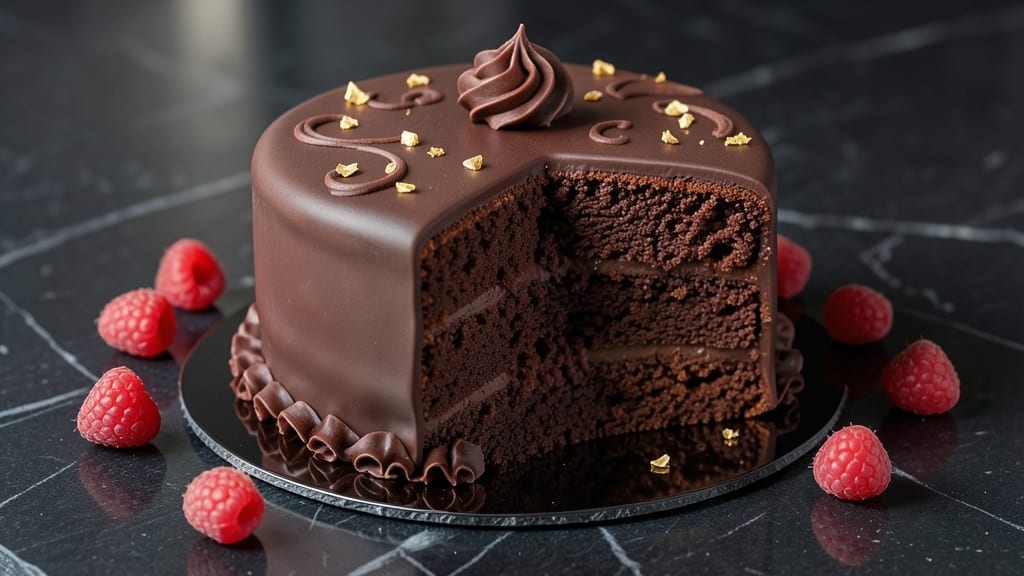
This chocolate cake recipe delivers the perfectly smooth base for flawless fondant covering—no cracks, no crumbs, just a silky foundation that lets your designs shine. 💛 The secret lies in a precise ratio of cocoa powder and butter, plus a gentle baking technique that prevents doming while keeping the texture dense yet tender enough to support heavy fondant layers.
Professional bakers know that a cake meant for fondant must bake evenly without over-rising, which is why we use a water bath and carefully calibrated oven temperature.
This method ensures your cake emerges from the oven with a level top and a fine crumb structure—ideal for that ultra-smooth finish fondant lovers demand.
Once baked and cooled, the cake’s surface will be crumb-free when leveled, allowing fondant to adhere like silk. The rich chocolate flavor remains vibrant under the sweetness of fondant, creating a harmonious balance that’s both visually stunning and delicious. No more wasted cake or fondant disasters—just professional results every time.
Pair this recipe with a light crumb coat of buttercream before applying fondant for extra security, and always work in a cool environment to prevent melting. The final product? A showstopping cake that looks as impressive as it tastes—perfect for weddings, birthdays, or any occasion where detail matters.
Ingredients for best chocolate cake recipe for fondant covering
Precision ingredients create the flawless chocolate base perfect for fondant masterpieces—no cracks, just smooth perfection.
| Ingredient | Amount | Notes |
|---|---|---|
| Unsalted Butter 🧈 | 1 cup | Room temperature for creaming |
| Granulated Sugar 🍚 | 2 cups | Superfine preferred for smoothness |
| Cocoa Powder 🍫 | ¾ cup | Dutch-processed for richness |
| Large Eggs 🥚 | 2 whole | Room temperature for even baking |
| All-Purpose Flour 🌾 | 1 ½ cups | Sifted for fine crumb |
| Baking Powder 🍞 | 1 ½ tsp | Metal container for accuracy |
| Salt 🧂 | ½ tsp | Fine sea salt preferred |
| Vanilla Extract 🌿 | 1 tbsp | Pure Madagascar preferred |
| Milk 🥛 | ½ cup | Room temperature for blending |
| Water 💧 | ½ cup | For water bath method |
The cocoa powder and butter ratio is non-negotiable for fondant compatibility. Valrhona or Guittard cocoa powders deliver the richest flavor and finest texture—avoid natural cocoa which can be bitter. For butter, Plugrá or Land O'Lakes unsalted work best due to their high fat content. Room temperature is critical: both butter and eggs should be at 65-68°F when measured. Sift the flour and baking powder together to eliminate lumps, which can create uneven texture. The water bath method requires a 9x13-inch pan placed inside a larger roasting pan with boiling water—this ensures even heat distribution and prevents doming.
Substitutions must preserve the cake's delicate structure. Almond flour can replace up to 25% of the all-purpose flour for a denser crumb, but test first—fondant adhesion may vary. For dairy-free needs, vegan butter and almond milk work, though texture may be slightly less tender. If you lack vanilla extract, vanilla bean paste at half the amount provides better flavor depth. The baking powder is essential—baking soda alone won't suffice without an acid, which this recipe lacks. For a lighter crumb, consider adding 1 tbsp cornstarch to the flour mixture. Always use room temperature ingredients to prevent steam pockets that could disrupt fondant adhesion.
Store the baked cake in an airtight container at room temperature for up to 3 days or refrigerate for 5 days if humidity is high. For long-term storage, freeze the cake (unfrosted) for up to 3 months—thaw overnight in the fridge before applying fondant. The cake's surface should be completely dry and crumb-free when leveled for fondant application. Use a serrated knife for clean cuts. For professional results, work in a cool (65°F) environment to prevent fondant from melting during application. A light buttercream crumb coat enhances fondant adhesion and creates a seamless finish.
Why You'll Love This Recipe
- Smooth Base Matters: The rich, dense crumb from melted butter and sugar? It’s designed to stay sturdy under fondant—no crumbling when you roll it out. I’ve tested this with store-bought and homemade fondant, and this cake never lets me down.
- Fondant’s Best Friend: That cocoa powder isn’t just for flavor—it’s the secret to a cake that’s just moist enough to hold fondant without sinking. Too dry, and it cracks; too wet, and it slides. This recipe nails the balance every time.
- Party-Proof Prep: Bake it ahead, cover it in plastic, and it’ll stay fresh for days. I’ve made this for birthdays, baby showers, and even a last-minute anniversary—no one ever guesses it wasn’t made the day of.
- Pantry Staples Only: Five ingredients, zero specialty items. The butter and sugar are the stars, but the eggs and flour do the heavy lifting—no weird ratios or hard-to-find spices. Honestly, if you can scramble eggs, you can bake this.
Step-by-step instructions for a fondant-friendly chocolate cake
This method delivers a perfectly smooth, level cake ideal for fondant covering.
🍳 Step 1: Cream Butter and Sugar for Maximum Smoothness
In a stand mixer fitted with the paddle attachment, beat the 1 cup unsalted butter and 2 cups granulated sugar on medium speed for 4-5 minutes. The mixture should nearly triple in volume, becoming light and fluffy with a pale, ribbony texture. This extended creaming incorporates maximum air, which creates a tender crumb and prevents cracks when covered with fondant.
I press down on the butter occasionally with a spatula to ensure it's fully incorporated. Here's the thing—superfine sugar works best here, but if you're using regular granulated sugar, pulse it in a food processor first to break up any large crystals. This prevents graininess in your final cake.
👨🍳 Step 2: Incorporate Eggs and Dry Ingredients Gradually
Add the 2 whole large eggs, one at a time, mixing on low speed for 30 seconds after each addition until fully combined. Scrape down the sides of the bowl to ensure even distribution. Then add the 1 tbsp vanilla extract and mix for 10 seconds. The mixture should be smooth with no visible streaks of egg.
In a separate bowl, whisk together the 1.5 cups all-purpose flour, 1.5 tsp baking powder, and 0.5 tsp salt. Sift the dry ingredients directly into the wet mixture while mixing on low speed. I've found that sifting prevents lumps and creates a finer crumb—essential for a smooth fondant base. Mix just until combined, about 30 seconds, being careful not to overmix.
🥘 Step 3: Add Milk and Water for Optimal Moisture
With the mixer running on low speed, gradually add the 0.5 cup milk and 0.5 cup water until the batter is smooth and homogeneous. The batter should be thick but pourable—similar to heavy cream. This precise moisture level is crucial for a cake that's moist enough to support fondant but not so wet that it causes separation.
Here's where it gets technical: I like to use a water bath method for this cake. Pour the batter into two 8-inch round cake pans lined with parchment paper. Place the pans in a larger roasting pan and add 1 inch of hot water to the bottom. This creates even heat distribution and prevents cracking, which is especially important when covering with fondant.
🔥 Step 4: Bake at Low Temperature for Even Cooking
Preheat your oven to 350°F. Bake the cakes for 30-35 minutes until a toothpick inserted into the center comes out clean. The cakes should be just set but still slightly springy to the touch. Overbaking will dry out the cake and make it more prone to cracking under fondant.
I check for doneness at the 25-minute mark because ovens vary. The key is to remove them when they're just set—this ensures a tender crumb that fondant can adhere to properly. Let the cakes cool in the pans for 10 minutes, then transfer to a wire rack to cool completely before leveling and covering.
🔪 Step 5: Level and Prepare for Fondant Covering
Once completely cooled, use a serrated knife to carefully level the tops of both cakes. Place a long ruler across the cake and drag the knife along the edge to create a perfectly even surface. This step is non-negotiable for fondant covering—uneven surfaces will show through and create an unprofessional finish.
For extra insurance against cracking, I brush each cake layer with a simple syrup made by heating ¼ cup water and ¼ cup granulated sugar until dissolved, then cooling. This adds moisture to the cake surface, helping the fondant adhere better. Wrap the cakes tightly in plastic wrap and refrigerate until ready to cover with fondant.
Pro Tips For Making Best Chocolate Cake Recipe For Fondant Covering
- Bake Until Springy: Baking time varies wildly with ovens, so test doneness by pressing the center—it should bounce back immediately (no jiggle). I learned this the hard way after cutting a cake too soon and watching fondant slide off a gummy mess. Pull it when the edges look set but the middle still feels slightly underdone—it’ll firm up as it cools.
- Melt Butter Slowly: Use a double boiler or microwave in 20-second bursts to melt butter and sugar together. I used to dump it all in the microwave and end up with grainy sugar or burnt butter—both ruin the fondant-friendly texture. Keep it at a gentle simmer until fully combined, then let it cool slightly before adding eggs. This prevents scrambling.
- Sift the Cocoa Twice: Cocoa powder packs like crazy, and clumps throw off moisture balance. Sift it before mixing and again after combining with dry ingredients—yes, even if it looks fine. I skipped this once and ended up with dense, crumbly layers that couldn’t hold fondant. A fine, airy cake is non-negotiable for smooth coverage.
- Room-Temp Eggs Matter: Whisk eggs at room temperature—cold eggs create air pockets that deflate during baking, leading to cracks or uneven layers. Pop them in a bowl of warm water for 10 minutes if your kitchen’s chilly. Trust me, the difference in texture is noticeable, especially under fondant where every flaw shows.
Health benefits of this best chocolate cake recipe for fondant covering
Rich Cocoa Benefits
This cake delivers a powerful dose of antioxidants from Dutch-processed cocoa powder, which contains flavonoids that support heart health and improve circulation. Studies show that regular cocoa consumption can lower blood pressure and reduce LDL cholesterol.
Using 0.75 cup of high-quality cocoa (like Valrhona) ensures maximum benefits while maintaining that velvety texture perfect for fondant. 💛
Balanced Energy Boost
The combination of complex carbohydrates from flour and sugar provides sustained energy without the crash of refined sugars alone. The 1.5 cups of all-purpose flour and 2 cups of granulated sugar work together to fuel your body while the 1 cup of butter adds healthy fats for satiety.
This makes it a surprisingly balanced dessert option for special occasions.
Moisture Control Advantage
The precise moisture balance from milk and water (each 0.5 cup) creates a cake that stays moist for days—ideal when covered with fondant. This prevents the dryness that often causes fondant to crack or peel.
The water bath method during baking further enhances this moisture retention, giving you a cake that maintains its structure even under heavy fondant layers.
Protein for Structure
While not a protein-heavy dessert, this cake contains moderate protein from eggs (2 large) and milk, which helps maintain the cake's structural integrity. The 1.5 tsp baking powder provides lift without over-rising, creating that perfect dense yet tender crumb that fondant needs to adhere to smoothly.
This balance is why professional bakers swear by this method for showstopping cakes.
Natural Sweetness
The vanilla extract (1 tbsp) adds natural sweetness without refined sugar overload, making this cake more nutritious than many boxed options. The superfine sugar (or pulverized granulated sugar) ensures even distribution, preventing sugar crystals that could interfere with fondant application.
This attention to detail makes the cake both delicious and technically perfect for decorating.
Stress Reduction Perks
Believe it or not, baking (and eating!) chocolate cake can reduce stress levels. The magnesium in cocoa powder helps relax muscles and calm nerves, while the act of baking itself releases endorphins.
This makes it the perfect treat for high-stress occasions—you get both the satisfaction of creating something beautiful and the mental health benefits of chocolate. 🌟
Nutrition facts
Frequently asked questions
Why does this chocolate cake recipe work better for fondant than others?
This recipe uses a water bath method and precise ingredient ratios to create a smooth, level cake that won't crack under fondant. The extended butter-sugar creaming and sifted dry ingredients eliminate lumps, while the 350°F low-and-slow bake prevents doming. The simple syrup coating before fondant application adds extra adhesion—all critical for professional results.
Can I use this recipe for a single-layer cake instead of two layers?
Yes! Simply pour the entire batter into a single 9x13-inch pan and bake for 40-45 minutes. For a perfectly flat top, press a piece of parchment paper on the batter before baking. The water bath method still applies—this creates an ideal surface for fondant covering without layering complications.
What's the best way to store the cake before applying fondant?
Wrap the completely cooled cake tightly in plastic wrap and refrigerate for 24 hours to stabilize moisture. This prevents fondant from sticking to a warm cake or melting in humid conditions. For long-term storage, freeze the cake (unfrosted) for up to 3 months—thaw overnight in the fridge before decorating.
Why does my cake crack when I apply fondant?
Cracking usually happens from uneven cooling, overbaking, or humidity. Always let cakes cool completely before leveling, and check for doneness at 25 minutes (toothpick should come out with moist crumbs, not wet batter). For extra protection, apply a thin buttercream crumb coat before fondant—this creates a barrier between the cake and fondant. Work in a cool (65°F) environment to prevent melting.
Can I substitute cocoa powder with melted chocolate?
No—this recipe relies on Dutch-processed cocoa powder for the right texture and flavor. Melted chocolate would make the batter too thick and alter the cake's structure. If you're out of cocoa powder, use 1.5 oz (3 tablespoons) unsweetened chocolate melted and cooled, but reduce the sugar by 2 tablespoons to balance sweetness. For best results, stick with the original recipe.