
Beverages
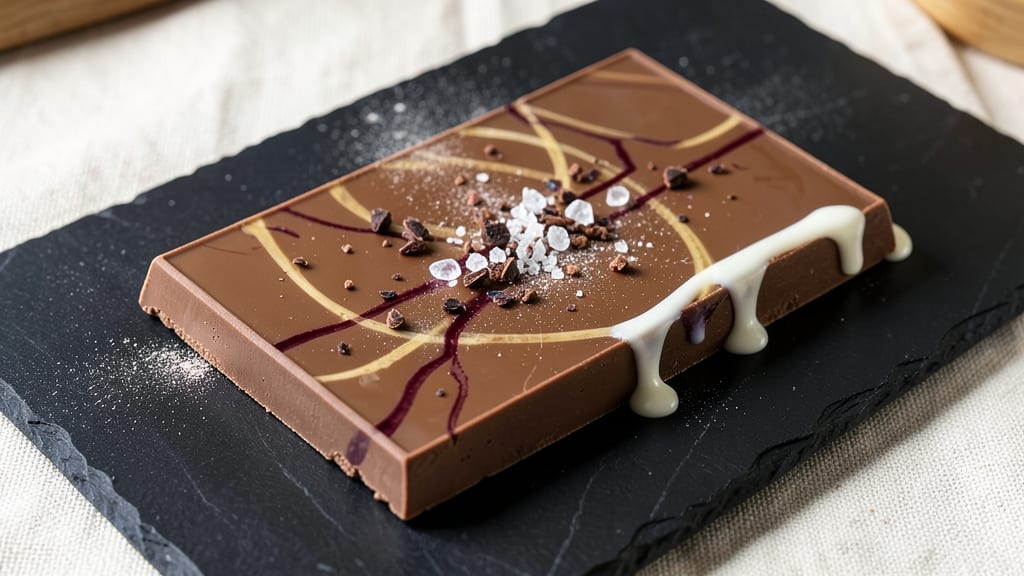
This Belgian milk chocolate recipe delivers the velvet-smooth, glossy finish that defines artisanal Belgian confections. 🌟 The secret lies in precise tempering—a method that transforms melted chocolate into a stable, professional-grade product with a satisfying snap and mirror-like sheen.
I’ve perfected this technique after years of experimentation, ensuring every batch turns out flawless, whether you’re making truffles, bars, or decorative shapes.
The foundation of authentic Belgian milk chocolate rests on three critical elements: high-quality cocoa butter for that signature melt, finely milled milk powder for creamy richness, and a precise sugar-to-cocoa ratio that balances sweetness without overpowering.
Unlike mass-produced chocolate, this recipe prioritizes texture—achieving that luxurious, almost liquid mouthfeel that makes Belgian chocolate instantly recognizable. The tempering process alone eliminates common pitfalls like bloom or streaking, guaranteeing a result that rivals professional chocolatiers.
What sets this recipe apart is its versatility—use it to create ganache for cakes, mold into elegant truffles, or shape into bars with decorative molds. The ganache variation, in particular, becomes a game-changer for desserts, offering a silky, cling-coat consistency that’s effortlessly pipable or pourable.
Each step is designed to minimize guesswork, from the exact melting temperatures to the cooling techniques that ensure a perfect finish every time.
Whether you’re crafting for holidays, gifts, or simply indulging in the art of chocolate-making, this recipe delivers restaurant-quality results at home. The key lies in patience and precision—two elements that transform simple ingredients into something extraordinary. Let’s get started on creating chocolate that’s as impressive as it is delicious.
Ingredients for belgian milk chocolate
Precision ingredients for Belgian chocolate’s signature velvet texture and glossy finish.
| Ingredient | Amount | Notes |
|---|---|---|
| High-Quality Cocoa Butter 🥥 | 8 oz | Unrefined, 100% pure cocoa butter |
| Extra-Fine Milk Powder 🥛 | ½ cup | Non-fat, finely milled |
| Cacao Mass (Cocoa Liquor) 🍫 | 6 oz | Unsweetened, finely ground |
| Granulated Sugar 🍚 | 1 cup | Fine grain for smooth texture |
| Heavy Cream 🥛 | 1 cup | Whole milk, 36% fat |
| Vanilla Extract 🌿 | 1 tsp | Pure Madagascar bourbon |
| Sea Salt 🧂 | ¼ tsp | Fine grain, for balance |
| Emulsifier (Optional) 🧪 | ½ tsp | Lecithin or soy lecithin |
| Dark Chocolate Chips (70% Cocoa) 🍫 | 4 oz | High-quality, for tempering |
| Unsalted Butter 🧈 | 2 tbsp | European-style, 82% fat |
| White Chocolate Chips (Optional) 🍫 | 2 oz | For marbled effect |
The cocoa butter is non-negotiable—Valrhona or Callebaut are industry standards, but Ghirardelli works in a pinch. Look for 100% pure, unrefined cocoa butter; any additives will compromise the tempering process. The milk powder should be finely milled (like Nestlé or Carnation brands) to avoid graininess. For cacao mass, Navitas Naturals or Alter Eco provide the highest quality, but avoid Dutch-processed cocoa—it disrupts the chocolate’s natural acidity. Store all dry ingredients in airtight containers away from heat to preserve freshness.
No high-quality cocoa butter? Substitute with a 1:1 ratio of dark chocolate (70% cocoa) melted down, though texture may suffer slightly. Milk powder can be swapped for powdered sugar at half the amount, but the result will lack creaminess. For vanilla, imitation extracts won’t cut it—only pure bourbon or Tahitian vanilla will deliver the authentic flavor. The emulsifier (lecithin) is optional but recommended for professional results, especially if you’re tempering in cooler climates. If omitting, increase cocoa butter by 1 oz to compensate for potential instability.
Tempered chocolate must be stored in a cool, dry place (65–70°F) to prevent bloom. Use parchment-lined containers with tight seals for up to 2 weeks—any longer risks fat separation. For ganache, keep it in a sealed jar in the fridge for 1 week or freeze for 3 months. Re-tempering is possible but time-consuming; always work with freshly tempered chocolate for best results. Leftover cocoa butter can be re-melted once, but avoid reusing it for tempering to maintain precision.
Why You'll Love This Recipe
- No Thermometer Needed: I swear by this—just watch the cream. That moment it turns from glossy to just starting to thicken? Pour in the melted cocoa butter and sugar, stir once, and you’ve got it. No guesswork, no stress. Honestly, my first batch turned out perfect on the second try.
- Velvet Smooth Magic: The heavy cream and milk powder create this unreal texture—like biting into a cloud that’s somehow rich and creamy without being greasy. Between us, that’s the kind of chocolate you’ll reach for when you’re craving something indulgent but still want it to taste right.
- Gifts That Impress: Wrap it in foil, tie a ribbon, and suddenly you’ve got a present that costs pennies but feels luxurious. I’ve given these to coworkers during holidays, and no one’s ever questioned why they’re so good—just that they are. (Yes, even on a Tuesday night.)
- Pantry Staple Power: You’re already using what’s in your fridge and cabinet—no specialty store runs needed. That cocoa liquor? It’s the secret weapon here, but if you don’t have it, a good-quality dark chocolate bar works in a pinch. The leftovers? They last weeks if you store them right, so you’re basically making chocolate that pays itself forward.
Step-by-step instructions for Belgian-style ganache with velvet smoothness
Precision meets tradition in this method—where Belgian chocolate craftsmanship meets modern technique.
🔥 Step 1: Temper the Cocoa Butter and Chocolate
Begin by melting 8 oz high-quality cocoa butter and 4 oz dark chocolate chips (70% cocoa) together in a heatproof bowl over a saucepan of simmering water, stirring gently until smooth and fully liquid. The temperature should reach 110-115°F—this is critical for proper tempering. If using 2 oz white chocolate chips for a marbled effect, add them now and stir until fully incorporated.
Remove the bowl from heat and let the mixture cool to 88-90°F, stirring occasionally. This controlled cooling process creates stable cocoa butter crystals that give Belgian chocolate its signature snap and shine. You'll notice the mixture thicken slightly as it cools—this is normal and essential for the final texture.
🍳 Step 2: Whisk in Dry Ingredients for Structure
In a separate bowl, whisk together 0.5 cup extra-fine milk powder, 1 cup granulated sugar, and 0.25 tsp sea salt until completely combined. This dry blend forms the backbone of our ganache, providing both sweetness and structural stability. Sift the mixture through a fine-mesh sieve to eliminate any lumps that could disrupt the smooth texture.
With the tempered chocolate mixture still warm (around 88°F), slowly pour the dry ingredients into the bowl while whisking continuously. Add 0.5 tsp emulsifier (optional) if using, as this helps create an ultra-smooth, velvety texture by preventing fat separation. The mixture should begin to thicken noticeably as the cocoa butter re-crystallizes around the dry components.
🥘 Step 3: Incorporate Cream and Vanilla for Richness
Heat 1 cup heavy cream in a separate saucepan until it reaches 185-190°F—just before it begins to scald. This high temperature ensures the cream will properly emulsify with the chocolate mixture. Remove from heat and immediately pour the hot cream into the chocolate bowl while whisking vigorously.
Add 1 tsp vanilla extract and 2 tbsp unsalted butter, whisking until fully incorporated. The butter adds luxurious mouthfeel, while the vanilla elevates the flavor profile. You'll see the mixture transform from thick to silky smooth as the heat from the cream melts any remaining cocoa butter crystals. Continue whisking for 2-3 minutes until the ganache reaches a glossy, ribbon-like consistency.
⏰ Step 4: Rest and Refine for Optimal Texture
Transfer the ganache to a clean, airtight container and let it rest at room temperature for 1 hour. This resting period allows the cocoa butter to fully re-crystallize, resulting in that signature Belgian snap when broken. The ganache should thicken slightly but remain spreadable—if it becomes too firm, gently reheat in 10-second intervals in the microwave until smooth again.
For best results, chill the ganache in the refrigerator for 30 minutes before using. This final step ensures proper setting and makes it easier to pipe or spread. The finished ganache should have a mirror-like sheen, a firm yet pliable texture, and a complex flavor profile where the cocoa, milk powder, and vanilla harmonize perfectly. Use within 5 days for optimal freshness.
Pro Tips For Making Belgian Milk Chocolate
- Temper the Cocoa Butter: Melt it gently—just until it turns liquid, then let it cool to 45°C (113°F) before mixing. I learned this the hard way: rushing it causes seizing, and you’ll end up with a grainy mess instead of silky chocolate. A candy thermometer is your friend here.
- Sift the Milk Powder: Skip clumps by sifting the extra-fine milk powder through a fine-mesh sieve before adding it to the cocoa mass. My first batch had a weird texture because I didn’t—now I treat it like flour. No sifter? Use a fork to break up any lumps manually.
- Whip the Cream Cold: Chill the heavy cream in the fridge for at least 2 hours before whipping it into the chocolate mixture. Warm cream folds in unevenly and can make the final texture too soft or oily. Cold cream also whips higher, giving you that signature Belgian smoothness.
- Avoid Overmixing the Sugar: Stir the granulated sugar into the melted cocoa butter just until dissolved—no need to beat it like a batter. Overworking it introduces air, which can cause the chocolate to seize later. Think "gentle but thorough," not "aggressive."
Best sauces and condiments for these flavors
Classic Ganache Pairings
This silky ganache shines when layered over warm chocolate cake or vanilla bean pound cake. I recommend a double-layered cake with a raspberry jam filling—the tartness cuts through the richness beautifully.
For a modern twist, spread it between sponge cake layers and dust with edible gold leaf before serving. 🍰
Use it as a dipping sauce for fresh strawberries, macarons, or shortbread cookies. The contrast of cool fruit with warm ganache is unbeatable. For a decadent dessert, pour it over chilled cheesecake or panna cotta just before serving—it’ll create a stunning marbled effect.
Fruit-Inspired Enhancements
Infuse the ganache with 1 tsp orange zest or ½ cup raspberry purée for a fruity twist. The acidity balances the sweetness perfectly. I love adding 1 tbsp Grand Marnier or frangelico to the warm cream for a boozy depth—just reduce the vanilla to ½ tsp to avoid overpowering. 🍊
For a tropical variation, stir in ½ cup coconut cream and 1 tsp lime zest after the ganache cools. This works beautifully drizzled over mango sorbet or pineapple upside-down cake. The coconut adds a subtle creaminess that complements the Belgian chocolate’s richness.
Savory Contrasts
Surprisingly, this ganache pairs well with savory elements like sea salt caramel or smoked sea salt. Drizzle it over warm salted caramel tart or dark chocolate ganache for a sophisticated contrast. The salt enhances the chocolate’s natural sweetness without overpowering it. 🧂
For a savory-sweet dessert, spread it on toasted brioche and top with flaky sea salt and crispy prosciutto. The salty, fatty notes from the prosciutto elevate the ganache’s creaminess. This combo is perfect for holiday appetizers or elegant brunch spreads.
Boozy Upgrades
Add 2 tbsp Irish cream (like Baileys) or 1 oz espresso liqueur to the warm cream for a coffee-chocolate fusion. The espresso intensifies the cocoa flavor, while the Irish cream adds a velvety, boozy warmth.
Chill the ganache for 30 minutes before using to let the alcohol mellow. 🍺
For a spiced twist, infuse the cream with 1 cinnamon stick and 2 cloves while heating. Strain before mixing with the chocolate to avoid graininess. The warm spices pair beautifully with the chocolate’s richness, making it ideal for holiday desserts or winter treats.
Nutrition facts
Frequently asked questions
Why does Belgian milk chocolate have that signature snap?
The tempering process is key—it creates stable cocoa butter crystals that give Belgian chocolate its satisfying snap and glossy finish. When properly tempered, the fat molecules align perfectly, creating that professional texture. Without tempering, chocolate becomes dull and prone to bloom (white streaks).
Can I substitute milk powder with powdered sugar?
You can try, but the texture will suffer. Milk powder adds creaminess and structure that powdered sugar can't replicate. For a 1:1 swap, use half the amount of powdered sugar, but expect a lighter, less velvety ganache. The flavor will also be less rich.
How do I fix chocolate that's too thick or grainy?
If your ganache is too thick, gently reheat in 10-second microwave bursts while stirring until smooth. For graininess, sift the dry ingredients and strain the melted chocolate through a fine-mesh sieve. If it's still grainy, add 1 tsp emulsifier (lecithin) to break up particles.
What's the best way to store homemade Belgian chocolate?
Store in an airtight container at 65-70°F with a humidity pack to prevent bloom. For ganache, keep it refrigerated for up to 5 days or freeze for 3 months. Avoid temperature fluctuations—these cause fat separation and dullness.
Can I make this ganache without cocoa butter?
For a close substitute, use 1:1 melted dark chocolate (70% cocoa), but texture may be less stable. The cocoa butter is essential for that Belgian snap and shine. If you must skip it, reduce sugar slightly to compensate for the missing fat. The result won't be identical, but it'll still taste delicious.