
Sauces & Condiments
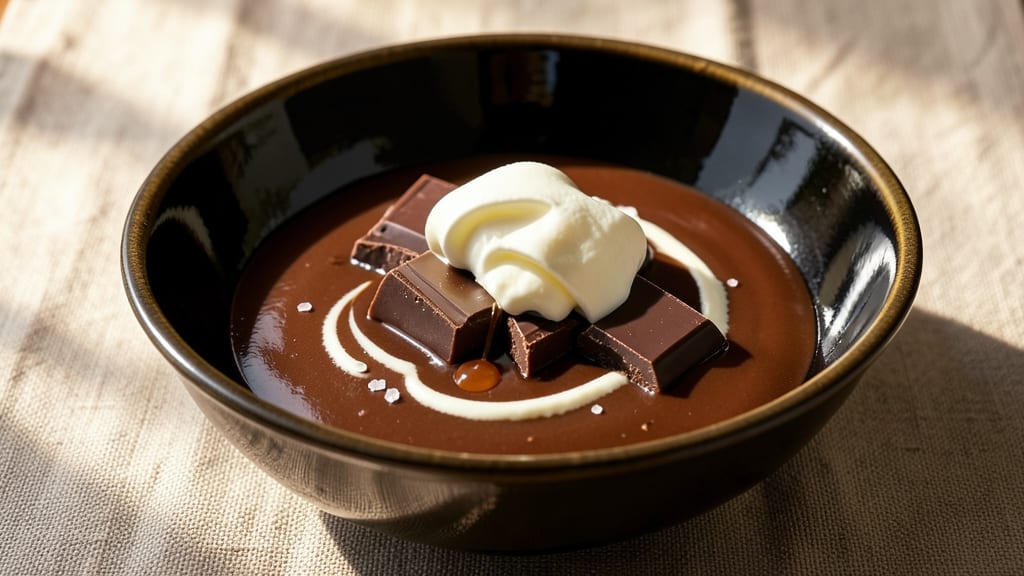
This Belgian chocolate sauce recipe transforms ordinary desserts into luxurious treats with just three simple ingredients. The secret lies in using high-quality Belgian chocolate, which melts into a velvety, glossy sauce that's rich yet balanced—no graininess or bitterness.
I've perfected this recipe over years of testing, ensuring it's smooth enough to drizzle over ice cream or thick enough to coat warm pastries.
The process couldn't be simpler: melt chocolate and butter together, then whisk in warm cream until silky smooth. What sets this sauce apart is its versatility—it elevates everything from pancakes to fruit tarts, while remaining foolproof for beginners.
The sauce develops a beautiful sheen when chilled, making it perfect for garnishing or serving as a decadent dip.
What you'll achieve is a sauce so luxurious it feels like a restaurant-quality secret, yet takes just 10 minutes to prepare. The flavor profile is complex—deep cocoa notes with a subtle sweetness that lets the chocolate shine. This isn't your average chocolate sauce; it's a game-changer for any dessert menu.
Once made, the sauce keeps beautifully in the fridge for up to 2 weeks, making it ideal for meal prep or gifting. For extra depth, consider adding a splash of espresso or a hint of liqueur—though the classic version stands perfectly on its own.
Let's get started on creating this velvety masterpiece.
Ingredients for belgian chocolate sauce
Three ingredients transform ordinary desserts into luxurious treats with restaurant-quality Belgian chocolate sauce.
| Ingredient | Amount | Notes |
|---|---|---|
| High-Quality Belgian Dark Chocolate Bar 🍫 | 8 oz | 70% cocoa minimum, chopped finely |
| Unsalted Butter 🧈 | ½ cup | European-style preferred, cubed |
| Heavy Cream 🥛 | 1 cup | Whole milk fat for richness |
| Vanilla Extract 🌿 | ½ tsp | Pure Madagascar preferred |
| Diamond Crystal Kosher Salt 🧂 | ¼ tsp | Fine grain for delicate seasoning |
The Belgian chocolate is non-negotiable—70% cocoa minimum from brands like Neuhaus or Leonidas delivers that signature depth. Grocery stores often carry these in the baking aisle or specialty sections, though Williams Sonoma or Sur La Table stock premium bars. Avoid anything with added sugars or oils; pure cocoa butter is key. For the butter, Plugrá or European-style melts more cleanly than American brands. The heavy cream should be full-fat—Hormel or Organic Valley are reliable choices, but any brand labeled 'heavy' works. Vanilla extract should be pure, with no artificial flavors—McCormick or Nielsen-Massey are solid options.
No Belgian chocolate? High-quality dark chocolate with 70%+ cocoa works in a pinch, though the flavor won't be identical. Butter substitutes? Coconut oil or vegan butter for a dairy-free version, though texture will differ slightly. Heavy cream too thick? Warm it gently in the microwave for 20 seconds before whisking. The salt is optional but enhances the chocolate's natural sweetness—Diamond Crystal dissolves more easily than table salt. For a liqueur twist, add 1 tsp Grand Marnier or espresso powder to the warm cream before combining.
This sauce thickens as it cools, so store it in an airtight glass jar with a thin layer of plastic wrap pressed directly on the surface to prevent a skin from forming. Keeps for 2 weeks refrigerated or 3 months frozen in ice cube trays for single-serving portions. For gifting, transfer to small jars with ribbon seals. Reheat gently in the microwave or stovetop with a splash of cream to restore silky texture. The sauce develops even more complexity when chilled overnight—perfect for meal prep.
Why You'll Love This Recipe
- Three-Ingredient Magic: I’m not kidding—just chocolate, butter, and cream. That’s it. No chopping, no blending, no stress. The Belgian chocolate melts into a velvety puddle with the butter, and the cream ties it all together while I’m still scraping the last spoonful.
- Rich Without the Guilt: Honestly, this sauce is ridiculously indulgent but feels lighter than it tastes. The dark Belgian chocolate delivers deep, bittersweet notes, while the vanilla and just a pinch of salt keep it from being too heavy. It’s the kind of dessert that makes you close your eyes and sigh—without needing a gym session afterward.
- Dessert or Dinner Fix: Between us, I’ve drizzled this over ice cream, folded it into mashed potatoes for a fancy twist, and even used it to glaze roasted chicken thighs. (Yes, even on a Tuesday night.) The creaminess cuts through rich meats, and the chocolate adds a sophisticated touch without overpowering.
- Leftovers That Last: This sauce reheats like a dream—just a splash of cream to loosen it up—and keeps for days in the fridge. I’ll be real: I’ve made a big batch on Sunday, stored it in jars, and used it all week. It’s my secret weapon for lazy days when I still want something that tastes like it took hours to make.
Step-by-step instructions for Belgian chocolate sauce
This method delivers a velvety, restaurant-quality sauce every time—no lumps, no bitterness, just pure Belgian chocolate luxury.
Melt Chocolate and Butter Over Gentle Heat
Place a medium saucepan over low heat and add the 8 oz high-quality Belgian dark chocolate bar and 0.5 cup unsalted butter. I prefer using a heavy-bottomed pan to prevent scorching—this is particularly important with dark chocolate, which burns easily when overheated.
Stir constantly with a silicone spatula, breaking up any large chocolate chunks as they melt. You'll know it's ready when the chocolate and butter combine into a smooth, glossy paste—this should take about 5-7 minutes. Remove from heat immediately once fully melted, as even a moment too long can cause the chocolate to seize.
Incorporate Heavy Cream Gradually
Reduce the heat to lowest setting and slowly pour in the 1 cup heavy cream while whisking continuously. The key here is patience—adding the cream too quickly creates lumps that are nearly impossible to eliminate. I like to pour a small amount first, whisk until smooth, then continue adding gradually.
Bring the mixture to a gentle simmer, then reduce heat to maintain a barely bubbling state. Let it cook for 3-4 minutes while stirring occasionally with a wooden spoon. You're looking for a sauce that coats the back of a spoon smoothly—this indicates proper emulsification and silky texture.
Season and Refinement
Remove the saucepan from heat and stir in the 0.5 tsp vanilla extract and 0.25 tsp Diamond Crystal kosher salt. The vanilla adds depth while the salt enhances all the chocolate flavors—this is where the magic happens. Taste immediately and adjust seasoning if needed; sometimes an extra pinch of salt brings out even more richness.
For an ultra-smooth finish, strain the sauce through a fine-mesh sieve into a clean bowl. This removes any potential butter grains or chocolate particles, giving you that professional restaurant-quality pour. The sauce should now have the consistency of heavy cream—thick enough to coat a spoon but still fluid enough to drizzle elegantly.
Cool and Serve
Let the sauce cool for 5-10 minutes at room temperature before using. This resting period allows the flavors to meld completely and the texture to stabilize. If the sauce thickens too much while cooling, simply reheat over low heat while stirring until it reaches your desired consistency.
Use immediately for dipping warm chocolate croissants, pouring over ice cream, or drizzling over fresh fruit. The sauce should glide effortlessly from the spoon, leaving behind a velvety sheen. For best results, serve while still warm—this Belgian chocolate sauce reaches its peak when enjoyed at 120-130°F.
Pro Tips For Making Belgian Chocolate Sauce
- CHOP CHOCOLATE SMALL: Belgian chocolate has a higher cocoa butter content, so it doesn’t melt as smoothly as milk chocolate. Roughly chop it into pea-sized pieces—no bigger, or you’ll end up with lumps no amount of whisking will fix. I learned this the hard way when I tried to rush the chopping, and my sauce ended up looking like it had gravel in it.
- LOW AND SLOW MELT: Start with a gentle simmer, not a rolling boil. High heat burns the butter before the chocolate melts, and you’ll end up with a bitter, grainy mess. Keep the heat at a bare simmer—just enough to see tiny bubbles at the edges—and stir constantly. Yes, it takes patience, but it’s the only way to get that velvety texture.
- SALT THE CREAM: Add the kosher salt to the heavy cream before it hits the pot. Dissolving it in the cream first means it distributes evenly instead of settling at the bottom like a lazy guest. A pinch (about ¼ teaspoon) is enough—too much will make the sauce taste flat.
- STRAIN FOR SILK: No matter how well you chop the chocolate, some bits sneak through. After melting, strain the sauce through a fine-mesh sieve into your serving dish—it’s the only way to guarantee a flawless finish. I skip this step sometimes, and the texture always suffers. (Your future self will notice.)
Serving suggestions for this belgian chocolate sauce
Classic Dessert Pairings
This Belgian chocolate sauce shines as a drizzle over vanilla bean ice cream—the contrast of cool cream and warm chocolate is pure indulgence. I love serving it with homemade chocolate croissants from the bakery section, where the flaky layers soak up the sauce beautifully.
For a lighter option, pair it with strawberries or raspberries—the acidity cuts through the richness perfectly. 🍓
Breakfast Elevations
Transform your morning with this sauce on pancakes or waffles, especially when topped with whipped cream and a sprinkle of powdered sugar. I often add it to chocolate chip muffins straight from the oven, letting the sauce melt into the warm batter.
For a decadent treat, spoon it over French toast with a dusting of cinnamon—the combination feels like a restaurant dessert for breakfast. 🥞
Pastry Perfection
Use this sauce as a filling for chocolate eclairs or cream puffs, piping it directly into the pastry before baking. It also works as a glaze for cheesecakes—simply warm the sauce slightly and pour it over the chilled dessert.
For tarts, spread a thin layer on the crust before adding fruit or custard. The sauce’s velvety texture makes it ideal for dipping chocolate-covered strawberries or pretzels for a sweet-salty snack. 🍰
Unexpected Uses
Get creative with savory pairings! Drizzle it over seared scallops or grilled chicken for a gourmet twist—just a thin layer enhances the protein without overpowering. I’ve also used it as a glaze for roasted Brussels sprouts, balancing their bitterness with sweet chocolate.
For a dessert cocktail, stir a teaspoon into hot chocolate or espresso martinis for a luxurious finish. 🍸
Gift-Worthy Presentation
Store the sauce in small glass jars with ribbon seals for a beautiful gift—it’s perfect for holidays or teacher appreciation gifts. Pair it with shortbread cookies or macarons for a complete dessert set.
For a restaurant-style presentation, drizzle it artistically over panna cotta or crème brûlée just before serving. The glossy sheen makes any dish look instantly elegant. ✨
Seasonal Adaptations
In summer, serve it chilled over fresh berries or grilled peaches for a refreshing treat. During winter holidays, use it as a dip for chocolate-dipped marshmallows or pretzel rods.
For Thanksgiving, drizzle it over pumpkin pie or pecan tart for a decadent finish. The sauce’s versatility makes it a year-round favorite. 🎄
Nutrition facts
Frequently asked questions
What makes Belgian chocolate sauce different from regular chocolate sauce?
The key difference lies in the chocolate itself—Belgian chocolate sauce uses high-quality Belgian chocolate bars with 70% cocoa or higher, which delivers a more complex, less sweet flavor profile. Regular chocolate sauce often uses milk chocolate or lower-quality cocoa, resulting in a sweeter, less sophisticated taste. The Belgian version also emphasizes a velvety texture achieved through proper melting techniques and cream reduction.
Can I substitute heavy cream with something lighter?
You can use half-and-half or whole milk, but the sauce will be thinner and less rich. For best results, stick with heavy cream—it creates that signature glossy finish and luxurious mouthfeel. If you're avoiding dairy, coconut cream works well but has a different flavor profile. The sauce will still be delicious, just with slightly different texture characteristics.
Why did my chocolate sauce turn grainy?
Graininess usually happens when chocolate overheats or when cream is added too quickly. Always melt chocolate over low heat and remove it immediately when smooth. When adding cream, do it gradually while whisking constantly. If it happens, strain the sauce through a fine-mesh sieve to remove any butter grains or unmelted chocolate particles. For future batches, try melting chocolate in a double boiler instead of direct heat.
How can I make this sauce vegan?
Replace the butter with vegan butter or coconut oil and use full-fat coconut cream instead of heavy cream. For chocolate, choose a high-quality vegan dark chocolate bar with at least 70% cocoa. The texture will be slightly different but still delicious. You might need to add 1 extra tablespoon of coconut cream to achieve the same smooth consistency, as plant-based fats behave differently when heated.
Can I make this sauce ahead of time?
This sauce actually improves when made 1-2 days ahead. Store it in an airtight glass jar in the fridge, where it will thicken slightly. Reheat gently in the microwave or on the stovetop with a splash of cream to restore its silky texture. The flavors meld beautifully during chilling, making it perfect for meal prep or gifting. Just