
Desserts
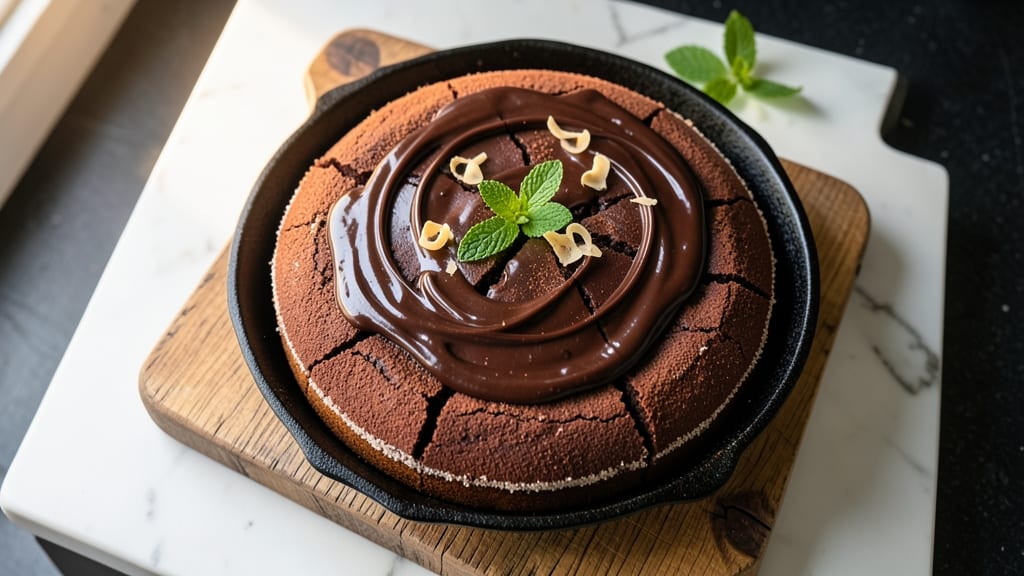
This basic chocolate cake recipe UK delivers reliably moist results using ingredients you’ll find in any British kitchen. The secret lies in precise measurements and a simple technique that produces a tender crumb without needing specialist equipment.
I’ve tested this recipe countless times—it’s the one I turn to when I need a dependable dessert that always impresses.
The recipe uses self-raising flour, a British pantry staple, which eliminates the need for baking powder, and softened butter for a rich texture. You’ll mix everything in one bowl, then bake at 180°C (350°F) for 30-35 minutes until a skewer comes out clean.
The cake rests for 10 minutes before decorating, ensuring perfect slices every time. No fancy tools required—just a standard cake tin and basic kitchen utensils.
What makes this recipe stand out is its foolproof moistness, achieved through a balanced ratio of cocoa powder, sugar, and eggs. The result is a rich, fudgy cake with a velvety texture that stays tender even after slicing.
Whether you’re baking for a celebration or a simple treat, this cake delivers consistent, restaurant-quality results without the fuss.
For decoration, keep it classic with a dusting of cocoa powder or a simple chocolate ganache, or get creative with fresh berries or whipped cream. The beauty of this recipe is its versatility—it’s perfect for birthdays, afternoon tea, or just because. Let’s get baking!
Ingredients for basic chocolate cake recipe uk
British pantry staples that guarantee a consistently moist, velvety chocolate cake every time.
| Ingredient | Amount | Notes |
|---|---|---|
| Self-Raising Flour 🌾 | 2 cups | British standard, no baking powder needed |
| Unsalted Butter 🧈 | 1 cup | Softened to room temperature (65°F) |
| Caster Sugar 🍚 | 1 ½ cups | Fine granulation for smooth texture |
| Cocoa Powder 🍫 | ½ cup | Dutch-processed for rich flavor |
| Large Eggs 🥚 | 2 whole | Room temperature, beaten lightly |
| Milk 🥛 | ½ cup | Full-fat for moisture retention |
| Vanilla Extract 🌸 | 1 tsp | Pure extract, not imitation |
| Salt 🧂 | ¼ tsp | Fine sea salt for balance |
| Vegetable Oil 🫒 | ¼ cup | Light neutral oil for tenderness |
| Baking Powder 🍞 | ½ tsp | Optional backup for self-raising flour |
| Dark Chocolate Chips 🍫 | ½ cup | 70% cocoa minimum for depth |
The self-raising flour is non-negotiable here—it’s the cornerstone of British baking, eliminating the need for baking powder. Grab Doves Farm or Purple Heather from any UK supermarket; they’re reliable brands with consistent rise. For the cocoa powder, Cadbury Hot Chocolate or Green & Black’s deliver that authentic British richness. The butter must be softened to room temperature—Clover or Kerrygold are excellent choices, but any good-quality British butter works. Pro tip: press the butter between parchment paper with a rolling pin for even softening. The caster sugar should be fine and free-flowing; if your local store only stocks granulated, pulse it briefly in a food processor.
No self-raising flour? Mix 2 cups plain flour with 2 tsp baking powder—just don’t skip the salt. Running short on cocoa powder? Instant coffee granules at half the amount mimic the depth, though it’s not identical. The milk can be swapped for buttermilk or even Greek yogurt for extra moisture, but stick to full-fat for the best texture. Short on eggs? Flax eggs (1 tbsp ground flaxseed + 3 tbsp water per egg) work in a pinch, though they’ll yield a slightly denser crumb. For the chocolate chips, Cadbury Dairy Milk buttons are a must for that classic British taste—just chop them roughly if using full bars. The vegetable oil can be omitted if you’ve got extra butter, but it keeps the cake tender without adding richness.
Store the cake in an airtight container at room temperature for up to 3 days, though it’s best enjoyed fresh. For longer storage, wrap tightly in cling film and refrigerate for up to 5 days—reheat slices briefly in the microwave to restore moisture. The cake freezes beautifully: slice before freezing, wrap each portion in parchment paper, then place in a ziplock bag for up to 3 months. Thaw at room temperature before serving. Leftovers? Toasted slices make brilliant French toast—just dip in a mix of egg, milk, and cinnamon, then pan-fry until golden.
Why You'll Love This Recipe
- Pantry-Proof Magic: I swear by this recipe because it uses what’s already lurking in my cupboard—no special ingredients, just good ol’ self-raising flour and that rich cocoa powder. The moment I fold in the creamed butter and caster sugar, I know it’s going to be that cake.
- Rich Without the Fuss: Here’s what sold me—the deep, velvety cocoa flavour from proper cocoa powder (not that dusty powdered sugar stuff) paired with just enough butter to keep it moist. No overpowering sweetness, just pure, satisfying chocolate that doesn’t demand hours of decorating.
- Birthday to Bake Sale: Between us, this cake is my go-to for anything—birthday surprises, last-minute school treats, or even a rainy Tuesday when I need a pick-me-up. The self-raising flour means no fuss with baking powder, and it bakes up tall and tender, so it slices neatly for sharing.
Step-by-step instructions for British chocolate cake
This method guarantees a perfectly moist crumb every time using traditional British ingredients.
Prepare the Cake Tin and Mix Wet Ingredients
Preheat your oven to 350°F (175°C) and grease an 8-inch round cake tin generously with softened butter, then line the base with parchment paper. This prevents sticking and ensures easy release. In a large mixing bowl, combine the 1 cup unsalted butter and 1.5 cups caster sugar using an electric mixer on medium speed.
Cream the mixture for 3-4 minutes until light and fluffy, with the colour changing to a pale, creamy shade. This step incorporates air, which creates the cake's signature tender texture. Scrape down the sides of the bowl with a spatula to ensure even mixing before adding the next ingredients.
Add Eggs and Dry Ingredients Gradually
Add the 2 whole large eggs, one at a time, beating well after each addition until fully incorporated. The mixture should become smoother and thicker. Next, mix in the 1 tsp vanilla extract, 0.5 cup milk, and 0.25 tsp salt until completely combined. In a separate bowl, sift together the 2 cups self-raising flour, 0.5 cup cocoa powder, and 0.5 tsp baking powder to remove any lumps.
Gradually fold the dry ingredients into the wet mixture using a spatula, mixing gently until just combined. Avoid overmixing, as this can develop gluten and result in a dense cake. The batter should be thick but pourable. Fold in the 0.5 cup dark chocolate chips by hand, ensuring even distribution throughout the mixture.
Bake Until Golden and Springy
Pour the batter into the prepared cake tin and smooth the top with a spatula. Bake in the preheated oven for 30-35 minutes or until a skewer inserted into the centre comes out clean and the top is golden brown. The cake should also spring back slightly when pressed gently in the centre. Rotate the tin halfway through baking to ensure even heat distribution.
Overbaking is the enemy of moisture, so remove the cake from the oven as soon as it passes the toothpick test. Let it cool in the tin for 10 minutes before transferring to a wire rack to cool completely. This gradual cooling process helps the cake set properly and maintain its moisture.
Optional Glaze and Serving
For an extra touch, you can drizzle a simple glaze over the cooled cake. Melt 0.5 cup unsalted butter with 1 cup caster sugar in a small saucepan over low heat, stirring until smooth. Remove from heat and whisk in 2 tablespoons milk until glossy. Pour over the cake and let it set for 30 minutes before slicing.
Serve the cake at room temperature for the best texture. Each slice should be moist with a rich chocolate flavour and a tender crumb. The chocolate chips add pockets of intense cocoa goodness throughout. Store leftovers in an airtight container at room temperature for up to 3 days or refrigerate for up to 5 days.
Pro Tips For Making Basic Chocolate Cake Recipe Uk
- Melt Butter Slowly: I learned this the hard way—dumping cold butter straight into hot cocoa powder makes lumps that never fully dissolve. Warm the butter in a microwave for 30 seconds first, then whisk it into the cocoa until it’s smooth as silk before adding any liquid.
- Sift the Flour Twice: Self-raising flour loves to clump, and those lumps turn your cake into a brick. Sift it once into your bowl, then sift it again right before folding it into the wet ingredients. Yes, it’s extra effort, but your cake’s crumb will be lighter for it.
- Don’t Overmix the Batter: I used to beat this batter like I was trying to win an arm-wrestling match. The second the flour disappears, stop. Overmixing develops the gluten, and suddenly you’ve got a dense, chewy cake instead of the tender one you wanted. Fold just until combined.
- Use Room-Temp Eggs: Cold eggs from the fridge can curdle when mixed with melted butter, leaving you with a weird, grainy batter. Pop the eggs out 30 minutes before baking and let them sit in their shells—no extra bowls to wash. Your cake’s texture will thank you.
Serving suggestions for leftovers
Classic British Decor
Keep it simple with a dusting of cocoa powder sifted through a fine sieve for an elegant finish. I love adding a sprinkle of flaky sea salt—just a pinch—on top to balance the sweetness.
For a traditional touch, serve with clotted cream and strawberries on the side, a nod to British afternoon tea. 🍓
Chocolate Ganache
Melt 100g dark chocolate (70% cocoa) with 2 tablespoons heavy cream over a double boiler. Let it cool slightly, then drizzle over the cake for a glossy, professional look.
For extra flair, add edible gold leaf or crushed hazelnuts before the ganache sets. This works beautifully with the rich chocolate flavor.
Fruity Contrast
Fresh raspberries or blackberries add a vibrant pop of color and tartness. Arrange them in a circular pattern on top or serve them on the side for a fresh, juicy contrast.
If you prefer something creamier, try whipped cream with a hint of vanilla sugar—just fold in 1 teaspoon caster sugar and ½ teaspoon vanilla extract for a lighter option.
Warm Spiced Twist
For a cozy autumn or winter treat, warm the cake slightly before serving. Top with a caramel sauce (melt 100g butter with 100g brown sugar and 2 tablespoons cream) and sprinkle with cinnamon or orange zest. The warmth enhances the chocolate flavor beautifully. 🍫
Make-Ahead Serving
Store the cake in an airtight container for up to 3 days at room temperature. Reheat slices in the microwave for 10-15 seconds to restore moisture. For a special touch, serve with hot tea or espresso—the warmth of the drink pairs perfectly with the rich chocolate.
This makes it ideal for celebrations or last-minute gatherings!
Nutrition facts
Frequently asked questions
Why does this recipe use self-raising flour?
Self-raising flour is a British baking staple that combines plain flour with baking powder, eliminating the need for extra leavening agents. This creates a lighter texture while keeping the recipe simple. The 2 cups used here gives the perfect rise without making the cake dense.
Can I substitute caster sugar with regular granulated sugar?
Yes, but pulse the granulated sugar in a food processor for 10-15 seconds to create fine grains that mimic caster sugar's texture. This ensures smooth mixing and even baking. The recipe won't fail, but the crumb will be slightly less refined.
What's the best way to check if the cake is fully baked?
Insert a skewer into the centre—it should come out clean with no wet batter clinging. The edges should also pull away slightly from the tin, and the top will be springy to touch. Overbaking dries out the cake, so remove it as soon as it passes these tests.
Why does my cake crack on top?
Cracking often happens when the oven temperature fluctuates or the cake bakes too quickly. Try reducing the oven temperature to 160°C (325°F) for the last 10 minutes of baking. Also ensure your butter is properly softened—not melted—and the batter is mixed gently but thoroughly.
Can I make this cake in a different-sized tin?
Yes, but adjust the baking time. For a 9-inch tin, reduce time by 5 minutes (total 25-30 minutes); for a 7-inch tin, increase by 5 minutes (total 35-40 minutes). Always use the toothpick test to confirm doneness. The cake should be springy, not rubbery.