
Desserts
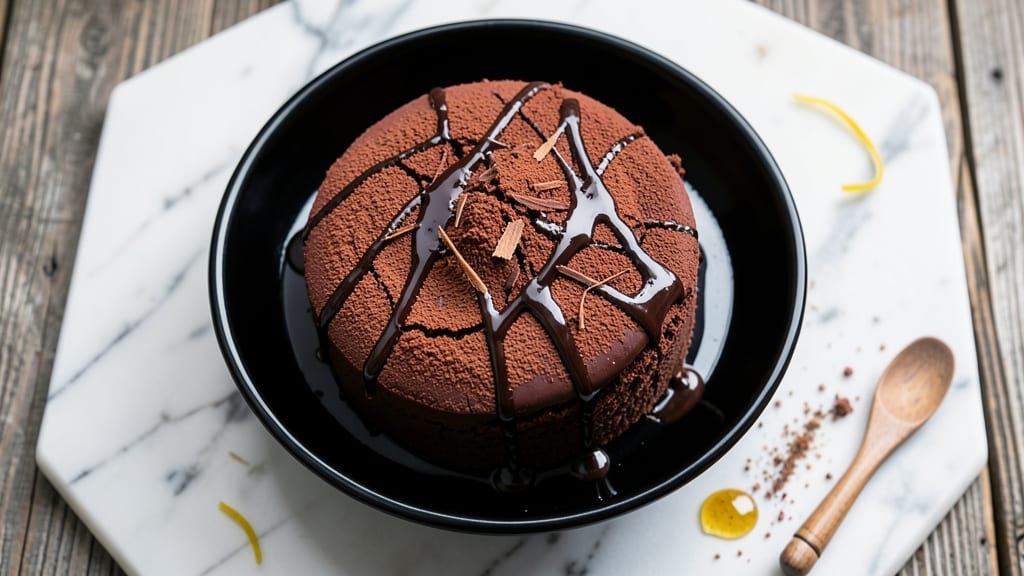
This baker's unsweetened chocolate cake delivers rich, fudgy depth without overwhelming sweetness—perfect for chocolate lovers who crave complexity. The secret lies in using high-quality baker's chocolate (like Callebaut or Ghirardelli), which creates a moist, velvety crumb with layers of cocoa intensity.
Unlike traditional chocolate cakes, this recipe balances cocoa's natural bitterness with just enough sweetness to satisfy, making it ideal for those who prefer their desserts with depth over sugar overload.
The cake's foolproof technique ensures a tender, crack-free finish every time. We'll use a combination of all-purpose flour and a touch of cornstarch for structure without dryness, while buttermilk adds moisture and a subtle tang.
Baking at a precise temperature prevents over-browning, preserving that deep, fudgy interior you'd expect from a professional bakery. Even beginners will achieve restaurant-quality results with this method.
What sets this apart is the balanced flavor profile—intense chocolate notes with a hint of vanilla and espresso powder to enhance the cocoa's natural richness. The cake stays moist for days, making it perfect for layering with ganache or dusting with powdered sugar.
Whether you're serving it at a dinner party or treating yourself to a decadent slice, this recipe delivers unexpected sophistication in every bite.
For those who love customization, we'll explore variations like adding orange zest for brightness or swapping in almond flour for a gluten-free option. The key is maintaining that perfect cocoa-to-sweetness ratio, which we'll guide you through step by step.
Let's create a cake that's as impressive as it is delicious.
Ingredients for baker's unsweetened chocolate cake
High-quality chocolate and precise ratios create a velvety, fudgy cake with sophisticated depth.
| Ingredient | Amount | Notes |
|---|---|---|
| High-Quality Baker's Unsweetened Chocolate 🍫 | 8 oz | Callebaut or Ghirardelli preferred |
| All-Purpose Flour 🌾 | 2 cups | Sifted for lightness |
| Granulated Sugar 🍚 | 1 ½ cups | Light brown preferred |
| Unsalted Butter 🧈 | 1 cup | Cold, cubed for even melting |
| Buttermilk 🥛 | 1 cup | Room temperature |
| Vanilla Extract 🌿 | 2 tsp | Pure Madagascar preferred |
| Instant Espresso Powder ☕ | 1 tsp | Enhances chocolate depth |
| Cornstarch 🌾 | 2 tbsp | For tender crumb |
| Baking Powder 🧂 | 1 tsp | Aluminum-free preferred |
| Salt 🧂 | ½ tsp | Fine sea salt |
| Large Eggs 🥚 | 2 whole | Room temperature |
| Hot Water 💧 | ½ cup | For chocolate tempering |
The chocolate makes or breaks this cake—Callebaut or Ghirardelli are non-negotiable for that deep, professional-grade flavor. Bulk bins at Williams Sonoma or specialty stores like Sur La Table carry the best bars, but even grocery stores stock Ghirardelli. Look for bars that are dense and snap cleanly when broken—any crumbly or oily texture means it's past its prime. The butter should be cold and cubed when you measure it; let it sit at room temperature for 30 minutes before adding to the dry ingredients. For the buttermilk, if you're in a pinch, mix 1 cup of milk with 1 tablespoon of lemon juice or vinegar and let it sit for 5 minutes.
No instant espresso powder? Strong brewed coffee cooled works in a pinch (use about 1/4 cup), but it won't give the same clean depth. Swapping the brown sugar for white reduces moisture slightly—adjust by adding 1 extra tablespoon of buttermilk if you do. For a gluten-free version, replace the all-purpose flour with almond flour (use 1.5 cups) and add 1 extra egg to bind. The cornstarch is key for that tender crumb, but if you're out, arrowroot powder at the same amount works too. And trust me on the vanilla—imitation extracts will ruin the sophisticated flavor profile.
This cake stays moist for 4-5 days when wrapped tightly in plastic at room temperature, or up to 1 week in the fridge. For longer storage, wrap each slice individually in plastic wrap and freeze for up to 3 months. The chocolate ganache layer (if you add one) needs to set at 60°F or cooler—don't rush it. I always make a double batch because it disappears faster than you'd think, especially when dusted with a light layer of powdered sugar. The espresso note actually intensifies over time, so leftovers often taste even better the next day.
Why You'll Love This Recipe
- No-Fuss Mixing: I swear by the one-bowl method here—just cream butter and sugar, toss in eggs, fold dry ingredients, and boom. No standing at the counter for 20 minutes like some cakes demand. The buttermilk keeps it tender without extra fuss, and honestly? I’ve made this in my daughter’s tiny mixing bowl while standing up.
- Deep Chocolate Soul: That high-quality baker’s chocolate isn’t just in this cake—it’s the star. No bitterness, just pure, velvety richness that lingers. The sugar balances it perfectly, and the butter makes every crumb melt-in-your-mouth. I’ll be real: my husband licks the spoon when I let him taste the batter.
- Weeknight to Celebration: Same recipe, zero adjustments. Serve it with vanilla ice cream for a lazy Tuesday or frost it with whipped cream for a last-minute birthday cake. The dense texture holds up to slicing, so it’s my go-to for potlucks or when I forget to order a cake. (Yes, even on a Tuesday night.)
- Budget-Friendly Luxury: Unsweetened chocolate might sound fancy, but a block costs less than half the price of pre-made cake mixes—and you get way more flavor. The butter and buttermilk stretch the richness, so one cake feeds a crowd without breaking the bank. Leftovers? They’re the best kind—moist enough to reheat or enjoy cold with coffee. My secret weapon.
Step-by-step instructions for baker's unsweetened chocolate cake
Here's how to craft a rich, fudgy masterpiece with perfect texture and deep chocolate flavor.
Temper the Chocolate for Maximum Richness
Place the 8 oz high-quality baker's unsweetened chocolate in a heatproof bowl set over a pot of simmering water, ensuring the bottom of the bowl doesn't touch the water. Stir occasionally until the chocolate melts completely and reaches 110°F—this is crucial for proper tempering. Remove from heat and immediately whisk in the 0.5 cup hot water until smooth. The chocolate should now be silky and glossy, ready to develop its signature snap when set.
This tempering process creates microscopic crystals that give the cake its signature crackly crust and velvety texture. If you notice any streaks or graininess, gently reheat the mixture to 110°F and whisk again until perfectly smooth. Let the tempered chocolate cool slightly to 95-100°F before using—this ensures it sets properly in the cake without melting the butter.
Cream Butter and Sugar for Light, Airy Texture
In a stand mixer fitted with the paddle attachment, beat the 1 cup unsalted butter (cold and cubed) with the 1.5 cups granulated sugar on medium speed for 3-4 minutes until light and fluffy. You'll know it's ready when the mixture nearly doubles in volume and becomes pale in color. This creaming process incorporates air, which creates that signature tender crumb we're after.
Here's the thing—don't rush this step. The butter needs to emulsify completely with the sugar to create proper fat crystals that trap air. If you skip this, your cake will be dense instead of light. Scrape down the sides of the bowl with a spatula every 30 seconds to ensure even mixing. The mixture should be thick enough to leave a trail when the beaters lift, but still smooth and creamy.
Combine Wet Ingredients for Perfect Balance
Add the 2 whole large eggs (room temperature) one at a time, mixing on low speed after each addition until fully incorporated. Then whisk in the 2 tsp vanilla extract and 1 tsp instant espresso powder, followed by the 1 cup buttermilk. Mix on low speed for another 30 seconds until just combined—you should still see some streaks of flour from the dry ingredients we'll add next.
The espresso powder might seem unusual, but it enhances the chocolate flavor without adding bitterness. Here's where it gets important: don't overmix. We want to maintain those air pockets created in the creaming step. The mixture should be smooth but still slightly thick. If it looks too thin, we'll adjust with the dry ingredients in the next step.
Fold in Dry Ingredients for Maximum Tenderness
In a separate bowl, whisk together the 2 cups all-purpose flour, 2 tbsp cornstarch, 1 tsp baking powder, and 0.5 tsp salt. Sift the mixture directly into the wet ingredients and mix on low speed for 20-30 seconds until just combined. Then, using a silicone spatula, gently fold in the tempered chocolate until evenly distributed throughout the batter.
This is the moment that matters: the batter should be thick but pourable, with no visible streaks of flour. If it's too thick, add 1-2 tablespoons of milk to loosen it slightly. The cornstarch is key here—it creates that signature tender crumb that makes this cake so special. Don't worry if the batter looks like too much chocolate; trust me, it all comes together beautifully when baked.
Bake to Perfect Doneness with Visual Cues
Preheat your oven to 350°F and grease two 9-inch round cake pans, then line the bottoms with parchment paper. Divide the batter evenly between the pans and smooth the tops. Bake for 30-35 minutes until a toothpick inserted in the center comes out with a few moist crumbs but no wet batter. The edges should be set, but the center should still have a slight wobble—this ensures a fudgy texture.
Don't overbake! The cake will continue cooking slightly as it cools. I know it seems weird to pull it out before it's fully set, but trust me—this is how you get that perfect fudgy interior. Let the cakes cool in the pans for 10 minutes, then transfer to a wire rack to cool completely before frosting. The contrast between the warm cake and cool frosting makes every bite even more decadent.
Pro Tips For Making Baker'S Unsweetened Chocolate Cake
- Melt Butter Slowly: Unsweetened chocolate cake demands patience—melt your butter over low heat or the microwave in 20-second bursts until just liquid, not steaming. I learned this the hard way after one batch turned out greasy and dense because I rushed it.
- Sift That Chocolate: Skip the clumps—sift your high-quality baker’s chocolate with the flour before mixing. It distributes evenly and prevents those frustrating pockets of bitter, unmelted chunks in the final bite.
- Measure Buttermilk Precisely: Use a scale or measuring cup for buttermilk—no eyeballing. Too little makes the cake dry; too much throws off the structure. If you’re in a pinch, mix 1 tablespoon vinegar or lemon juice into warm milk and let it sit for 5 minutes.
- Rotate the Pan: Swap the cake pans halfway through baking. The oven’s hot spots will bake the edges evenly, and you’ll avoid the classic domed, underbaked center that ruins the texture. (Yes, even if you’re impatient like me.)
Regional styles of baker's unsweetened chocolate cake
Southern U.S. Style
In the Southern states, this cake often gets a coffee liqueur twist—replace the 1 tsp instant espresso powder with 1 tbsp Kahlúa or Tia Maria for a boozy depth.
Many bakers add ½ cup sour cream instead of buttermilk for extra richness, creating a denser, almost brownie-like texture that Southerners love. Serve warm with a scoop of vanilla ice cream for the ultimate comfort dessert. 🌶️
French-Inspired
For a French bistro version, swap the buttermilk for 1 cup heavy cream and fold in 1 oz chopped orange zest (about 2 tbsp) to brighten the chocolate.
The French technique calls for baking in a 9-inch springform pan at 325°F for 40-45 minutes, resulting in a denser, almost ganache-like center. Dust with powdered sugar and serve with a dollop of whipped cream. This style pairs beautifully with a glass of Bordeaux red wine.
German Dark Chocolate
German bakeries often use dark rye flour for depth—replace ½ cup of the all-purpose flour with ½ cup rye flour for a nuttier, earthier flavor. Add ½ tsp cinnamon and ¼ tsp cardamom to the dry ingredients, then fold in ½ cup crushed hazelnuts for texture.
Bake in a 9-inch Bundt pan at 325°F for 50-55 minutes, then glaze with a mix of powdered sugar and orange juice. This version is perfect for Christmas markets. 🎄
Italian Espresso Version
In Italy, this cake is often called "torta al cioccolato fondente" and gets a double espresso boost—replace the 1 tsp instant espresso powder with 2 shots of freshly brewed espresso (about 2 tbsp). Add ½ cup mascarpone cheese to the wet ingredients for a lighter, airier crumb.
Top with a dusting of cocoa powder and serve with a sprinkle of flaky sea salt to balance the sweetness. Italians love this version with a cup of cappuccino after dinner. ☕
Mexican Spiced
For a Mexican-inspired twist, add 1 tsp ground cinnamon, ½ tsp ground cumin, and ¼ tsp cayenne pepper to the dry ingredients. Replace the vanilla with 1 tsp almond extract for warmth, and fold in ½ cup chopped pecans.
Bake in a 9-inch cast-iron skillet for 35-40 minutes at 350°F, then drizzle with a chile-chocolate sauce (mix 2 oz melted chocolate with 1 tbsp hot sauce). This version is perfect for spicy-sweet lovers! 🌶️
Nutrition facts
Frequently asked questions
Why does this recipe use baker's unsweetened chocolate instead of regular chocolate?
Baker's unsweetened chocolate delivers intense cocoa flavor without added sugar, creating a sophisticated depth that regular chocolate chips can't match. The high cocoa content (50-70%) gives this cake its signature fudgy, velvety texture while keeping the sweetness balanced. Think of it as the difference between drinking hot cocoa made with cocoa powder versus a chocolate bar.
Can I make this cake without buttermilk? What's the best substitute?
Yes! For every 1 cup of buttermilk needed, mix 1 cup milk with 1 tablespoon lemon juice or vinegar, then let it sit for 5 minutes to curdle. If you're out of milk, use 1 cup plain yogurt or 1 cup sour cream (though this will make the cake slightly denser). Never use water—it won't create the same tenderizing acidity that buttermilk provides.
How do I prevent my cake from cracking on top?
Cracking usually happens from overmixing or opening the oven door too early. Mix just until combined (about 20-30 seconds after adding flour), and avoid overbaking—pull the cake when a toothpick comes out with moist crumbs but no wet batter. For extra insurance, bake on the middle rack (not top or bottom) and avoid sudden temperature changes while cooling.
What's the best way to store this cake to keep it moist?
Wrap the cooled, unfrosted cake tightly in plastic wrap and store at room temperature for 3-4 days, or refrigerate for up to 1 week. For longer storage, freeze slices wrapped individually for up to 3 months. The cornstarch in the recipe helps maintain moisture, but adding a simple chocolate ganache layer before storage creates an extra moisture barrier.
Can I use this recipe for a gluten-free version?
Replace the 2 cups all-purpose flour with 1.5 cups gluten-free 1:1 baking flour (like Bob's Red Mill) plus 2 tbsp cornstarch. Add 1 extra egg to help bind the structure. For best results, use a gluten-free flour blend specifically designed for baking—regular GF flour can make the cake crumbly. Also reduce baking time by 2-3 minutes as GF cakes often bake faster.