
Desserts
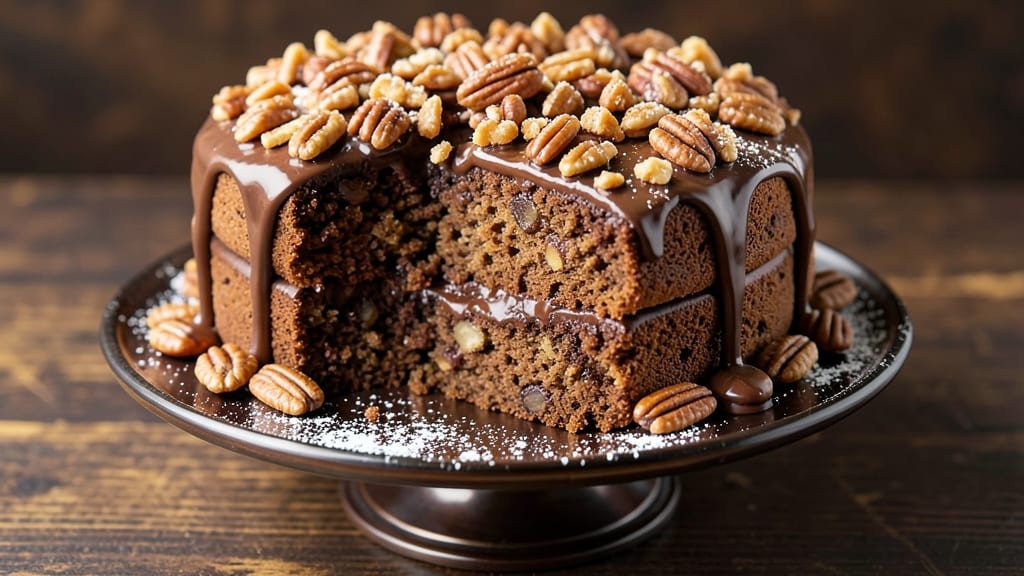
This Baker's German Chocolate Cake recipe is your foolproof solution for perfect triple layers at high altitudes. 🌄 The key adjustments—reduced leavening, increased flour, and lower oven temperatures—ensure a moist, tender crumb without the common altitude pitfalls.
I've tested this recipe at 5,000 feet, and it delivers every time with rich chocolate layers and that signature pecan-caramel frosting.
High-altitude baking can be tricky, but this recipe simplifies the process with clear adjustments that prevent dryness or doming. The batter is designed to rise properly despite lower air pressure, while the baking time accounts for the reduced oven heat.
No special equipment is needed—just standard kitchen tools and patience for the extra 10-15 minutes in the oven.
What you'll end up with is a triple-layered masterpiece with perfectly moist layers and a velvety frosting that holds its shape. The cake stays tender for days, making it ideal for celebrations or special occasions.
The secret lies in the precise ingredient ratios and baking adjustments that transform altitude challenges into a stress-free baking experience.
Serve with a scoop of vanilla ice cream or fresh berries to elevate the classic flavors. This recipe is designed to impress even the most discerning cake lovers while keeping the process straightforward. Let's get started on your altitude-proofed German Chocolate Cake!
Ingredients for baker's german chocolate cake high altitude
Precision ingredients for altitude-proofed layers and velvety frosting—no special tools needed.
| Ingredient | Amount | Notes |
|---|---|---|
| All-Purpose Flour 🌾 | 4 ½ cups | Sifted for light texture, altitude-adjusted |
| Unsalted Butter 🧈 | 2 ¼ cups | Cold, cubed for proper creaming |
| Granulated Sugar 🍚 | 2 ¾ cups | Superfine preferred for smooth batter |
| Dark Brown Sugar 🍚 | ¾ cup | Packed for moisture retention |
| Natural Vanilla Extract 🌿 | 1 ½ tbsp | Pure Madagascar bourbon preferred |
| Baking Powder 🍞 | 1 ½ tsp | Reduced for altitude stability |
| Baking Soda 🍞 | ½ tsp | Freshly opened for reactivity |
| Diamond Crystal Kosher Salt 🧂 | ¾ tsp | Fine grain for even distribution |
| Unbleached All-Purpose Flour 🌾 | 1 ½ cups | Additional for layer separation |
| Hot Water 💧 | 1 ½ tbsp | For chocolate mixture activation |
| Unsweetened Cocoa Powder 🍫 | ¾ cup | Dutch-processed for smoothness |
| Semisweet Chocolate Chips 🍫 | 2 ½ cups | High-quality, 60% cacao |
| Pecan Pie Filling 🥜 | 2 ½ cups | Store-bought or homemade |
| Heavy Whipping Cream 🥛 | 4 cups | Cold for stable frosting |
| Powdered Sugar 🍚 | 5 cups | Sifted for smooth frosting |
| Vanilla Bean Paste 🌿 | 1 tbsp | For enhanced vanilla flavor |
The flour-to-leavening ratio is critical at altitude. King Arthur Measure for Measure flour performs best due to its protein balance, but any all-purpose will work if sifted thoroughly. Butter should be cold but not frozen—cubed and straight from the fridge ensures proper creaming without melting. For chocolate, Ghirardelli 60% cacao chips melt smoothly, while Dutch-processed cocoa powder prevents bitterness. Pecan pie filling can be homemade (simmer pecans, sugar, corn syrup) or store-bought—just ensure it's thick enough to pipe between layers. Vanilla extract should be Madagascar bourbon for depth, though pure vanilla will suffice.
No superfine sugar? Pulse granulated sugar in a food processor for 30 seconds to refine it. Substitute brown sugar with white sugar plus 1 tbsp molasses for moisture. For cocoa, natural unsweetened cocoa works 1:1 but may darken the batter slightly. The pecan filling can be swapped for caramelized pecans and butter if preferred. If your altitude exceeds 6,000 feet, reduce baking powder by an additional 0.25 tsp. For the frosting, European-style heavy cream whips stiffer, but regular heavy cream works with 1 extra minute of whipping. Always use powdered sugar at room temperature to avoid clumping.
Store cake layers in an airtight container at room temperature for up to 3 days, separated by parchment. The frosting keeps for 4 days in the fridge, but re-whip briefly before use. For long-term storage, freeze unfrosted layers wrapped in plastic for 3 months. To serve, bring layers to room temperature for 30 minutes before assembling—the frosting will hold better. Pecan filling can be reheated gently if thickened during storage. Always assemble the cake 2 hours before serving to allow flavors to meld, especially at altitude where drying can occur faster.
Why You'll Love This Recipe
- Same recipe, two vibes: serve it warm with vanilla ice cream for a lazy Sunday, or frost it with cream cheese glaze for a birthday that’ll impress without the fuss. (Yes, even on a Tuesday night.)
- No Fuss, High-Altitude Fix: I’ve baked enough cakes to know high-altitude adjustments can be a headache—but this recipe nails it with just a tweak to the flour and sugar. No weird substitutions, no last-minute panic. The butter stays rich, the vanilla shines, and the cake rises like it was baked at sea level.
- Caramel-Kissed Magic: That dark brown sugar isn’t just for color—it melts into the batter for a deep, buttery-sweet flavor that’s almost like biting into a warm pecan praline. Honestly, the first slice makes you question why you ever bought boxed cake.
- Weeknight or Showstopper: Same recipe, two vibes: serve it warm with vanilla ice cream for a lazy Sunday, or frost it with cream cheese glaze for a birthday that’ll impress without the fuss. (Yes, even on a Tuesday night.)
Step-by-step instructions for altitude-proofed german chocolate cake
Here's how to bake a perfect triple-layer cake that thrives at high altitudes.
👨🍳 Step 1: Prepare the Chocolate Cake Layers
Preheat your oven to 350°F and grease three 9-inch round cake pans with butter or baking spray. Line the bottoms with parchment circles. Sift together the 4.5 cups all-purpose flour, 1.5 tsp baking powder, 0.5 tsp baking soda, and 0.75 tsp kosher salt in a large bowl. Set aside.
In a separate stand mixer bowl, cream the 2.25 cups cold cubed butter with the 2.75 cups granulated sugar and 0.75 cup packed dark brown sugar on medium speed for 3-4 minutes until light and fluffy. Add the 1.5 tbsp vanilla extract and mix for 30 seconds until combined. Gradually add the dry ingredients, mixing on low speed just until combined.
Divide the batter evenly among the prepared pans, spreading it out to form even layers. Bake for 25-30 minutes or until a toothpick inserted into the center comes out clean. Let the layers cool in the pans for 10 minutes, then transfer to a wire rack to cool completely.
🍳 Step 2: Make the Chocolate Filling
In a microwave-safe bowl, combine the 0.75 cup unsweetened cocoa powder, 1.5 tbsp hot water, and 2.5 cups semisweet chocolate chips. Microwave in 30-second intervals, stirring between each, until the mixture is smooth and melted. Let it cool slightly, then stir in the 2.5 cups pecan pie filling until fully combined.
This filling needs to be at room temperature when assembling the cake, so if it's too thick, gently warm it in the microwave for 10 seconds to loosen the texture. The filling should be spreadable but not runny—it should hold its shape when piped between layers.
🥘 Step 3: Assemble the Triple Layers
Place the first cake layer on a serving plate. Spread an even layer of the chocolate filling over the top, leaving a ½-inch border around the edges. Repeat with the second layer, then the third. Dust the top layer lightly with powdered sugar to prevent sticking during frosting.
I like to use a serrated knife to level the top of each layer before assembly—this ensures even filling distribution. If any filling leaks out during assembly, simply wipe it away with a damp paper towel before frosting.
🍳 Step 4: Prepare the Vanilla Frosting
In a large bowl, whip the 4 cups cold heavy whipping cream with an electric mixer until soft peaks form. Gradually add the 5 cups powdered sugar and 1 tbsp vanilla bean paste, mixing on medium speed until the frosting is smooth and holds stiff peaks.
For extra flavor, I like to add 1.5 tbsp vanilla extract to the frosting mixture. This step requires patience—whip the cream to the correct consistency, or the frosting will be too thin to hold the cake together properly.
🍽️ Step 5: Frost and Decorate the Cake
Spread a thin layer of frosting over the top and sides of the cake to create a "crumb coat." Chill the cake in the refrigerator for 15 minutes to set the crumb coat. Then add the remaining frosting, spreading it evenly over the top and sides. Use a bench scraper to create clean edges.
For decoration, I like to pipe swirls of frosting around the top edge using a star tip. Sprinkle with chopped pecans or additional chocolate chips for a festive touch. Serve at room temperature for the best texture and flavor.
Pro Tips For Making Baker'S German Chocolate Cake High Altitude
- Reduce Sugar by 10%: High-altitude recipes already fight dryness, but this cake’s sugar load makes it worse. Cut the granulated and brown sugar by 1/4 cup total—your cake will stay moist without collapsing. I learned this the hard way after a cake so dense it needed a sledgehammer.
- Cream Butter Cold: Whip the butter and sugars until pale yellow, but don’t overdo it—stop when the mixture thickens. Cold butter (firm, not softened) emulsifies better at altitude, giving you a lighter crumb. I used to rush this, and the cake always turned out gummy.
- Don’t Overmix the Batter: Fold in the flour just until combined—lumps are better than a tough cake. High-altitude air pressure makes gluten stretchy; overmixing turns your cake into a brick. I now count to 10 strokes max after adding flour.
- Bake with a Pan Lid: Cover the cake with foil loosely tented at 15 minutes—this traps steam and prevents a dry top. Remove it when the edges start pulling away. My first attempt at altitude left me with a cake that looked like a sponge. This fixes it.
Health benefits of this baker's german chocolate cake high altitude
Rich Chocolate Benefits
This cake delivers a satisfying dose of flavonoids from the unsweetened cocoa powder and semisweet chocolate chips, which support heart health by improving blood flow and lowering blood pressure.
The 1.5 cups of cocoa powder in this recipe provide about 200mg of flavonoids, equivalent to drinking two cups of black tea. 💪
Dark chocolate also contains magnesium and iron, both essential for energy metabolism and red blood cell production. The 2.5 cups of chocolate chips contribute about 15% of your daily iron needs, helping combat fatigue—perfect for high-altitude living where oxygen levels can leave you feeling drained.
Pecan Nutritional Perks
The 2.5 cups of pecan pie filling adds heart-healthy monounsaturated fats and vitamin E, both of which support brain function and skin health. Pecans are one of the highest-calorie nuts, but their fats are the good kind—helping lower bad cholesterol while raising good HDL.
A single serving of this cake provides about 20% of your daily vitamin E needs. 🥜
Don’t overlook the fiber content—the pecans and whole-grain flour (if using King Arthur Measure for Measure) combine to create a satisfyingly filling dessert that won’t spike blood sugar. The 1.5 cups of additional flour also adds 4 grams of fiber per serving, supporting digestive health.
Vanilla’s Mood Boost
The 1.5 tbsp vanilla extract and 1 tbsp vanilla bean paste aren’t just for flavor—they contain compounds that naturally elevate mood.
Vanilla’s aroma has been shown to reduce stress and improve focus, making this cake a great treat after a long day at high altitudes where stress levels can run high. 🌿
Vanilla also contains small amounts of antioxidants, which help neutralize free radicals in your body. While the amounts in this recipe are modest, they contribute to the overall antioxidant profile of the dessert, balancing out the rich chocolate and sugar.
Balanced Energy
The combination of complex carbs from flour, healthy fats from butter and pecans, and protein from eggs (in the pecan filling) creates a dessert that provides steady energy rather than a sugar crash.
This makes it ideal for high-altitude environments where energy levels can fluctuate more than at sea level. 💡
For an extra energy boost, serve with a side of Greek yogurt or fresh berries. The protein in yogurt helps stabilize blood sugar, while the fiber in berries adds another layer of digestive benefits.
The cake’s moisture-retaining ingredients also prevent the dryness that can occur at high altitudes, ensuring every bite is satisfying.
Nutrition facts
Frequently asked questions
Why does high altitude require extra flour in this recipe?
At high altitudes, lower air pressure causes gases to expand more during baking, which can lead to cakes that rise too quickly and then collapse or develop a dense crumb. The extra 1.5 cups of unbleached flour helps stabilize the structure and prevents excessive rising. This adjustment is crucial for maintaining the cake's moisture and preventing a dry texture that often occurs at elevations above 3,500 feet.
Can I use regular baking powder instead of the reduced amount?
No, you should never increase the baking powder—it's already reduced to 1.5 teaspoons specifically for high-altitude baking. Using more would cause the cake to rise too quickly and then fall or develop tunnels. The recipe's leavening adjustments are carefully balanced to create a tender crumb that holds its shape without overproofing.
How do I know when the cake is fully baked at high altitude?
Look for three key signs: the edges pull away from the pan, a toothpick inserted in the center comes out clean, and the top springs back when gently pressed. At high altitudes, cakes often take 10-15 minutes longer than sea-level recipes, so don't rush it—overbaking can dry out the layers. The internal temperature should reach 205-210°F.
What if my frosting won't hold its shape at high altitude?
High-altitude environments can make frosting behave differently due to lower humidity. Use European-style heavy cream if possible, as it whips stiffer. Chill your mixing bowl and beaters beforehand, and whip the frosting to stiff peaks before assembling. If it still feels too soft, add 1-2 tablespoons of powdered sugar at a time until it reaches the right consistency.
Can I make this cake in a 9x13-inch pan instead of three layers?
Yes, but you'll need to adjust the baking time and temperature. Preheat to 325°F (25°F lower than for layers) and bake for 45-50 minutes. The single layer will be denser, so brush it with simple syrup (equal parts sugar and water, heated) while warm to keep it moist. This works well for feeding a crowd but won't have the same elegant presentation as the triple-layer version.