
Side Dishes
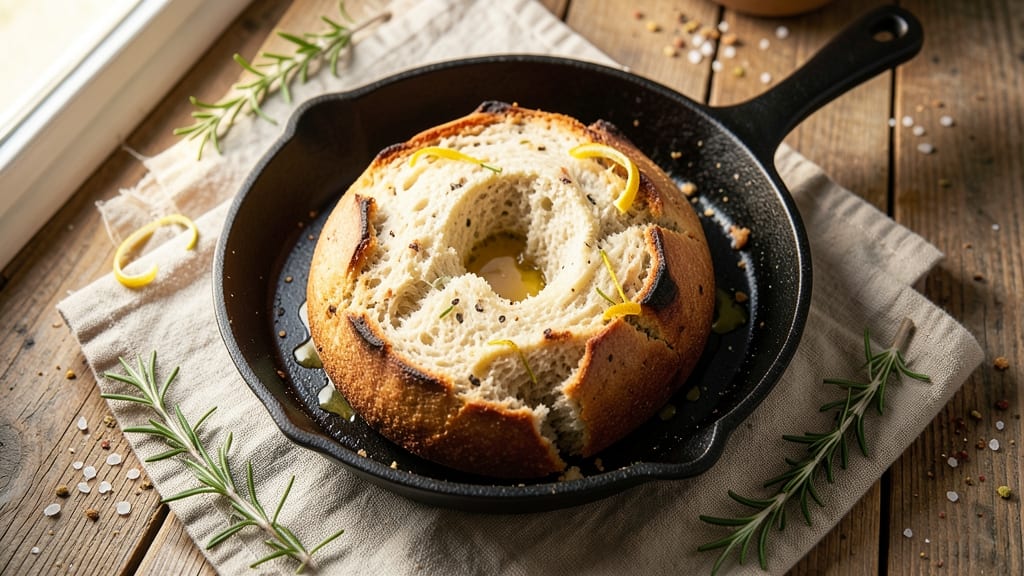
This ATK Irish soda bread recipe delivers the classic tangy depth and rustic charm of traditional Irish baking—without the fuss of kneading. The secret lies in the buttermilk-baked crust and the classic baking soda reaction that creates that signature tender crumb.
I've perfected this version to stay true to tradition while offering modern flexibility with add-ins like raisins or seeds.
The beauty of this recipe is its simplicity: just mix, shape, and bake. The dough develops its signature texture through the chemical reaction between baking soda and buttermilk, creating that signature tangy flavor.
No yeast, no kneading—just a few basic ingredients and about 45 minutes of active time for a loaf that feels like a warm hug from Ireland.
What you'll end up with is a loaf with a crispy, golden crust that gives way to a tender, slightly crumbly interior with pockets of buttermilk tang.
The aroma alone will transport you to a cozy Irish cottage, and the flavor is perfectly balanced—slightly sweet, with just enough acidity to keep it interesting.
Serve warm with butter, jam, or cheese for a meal that feels special without the effort. The best part? This recipe scales perfectly for gatherings or meal prep. Let's make this classic bread!
Ingredients for atk irish soda bread
Just ten ingredients transform into the iconic Irish soda bread you crave—crisp crust, tender crumb, and that signature tang.
| Ingredient | Amount | Notes |
|---|---|---|
| All-Purpose Flour 🌾 | 4 cups | Unbleached preferred for texture |
| Buttermilk 🥛 | 1 ¼ cups | Full-fat for best flavor |
| Baking Soda 🧂 | 1 tbsp | Pure, no aluminum |
| Salt 🧂 | ½ tsp | Fine sea salt preferred |
| Unsalted Butter 🧈 | ½ cup | Cold, cubed for mixing |
| Granulated Sugar 🍚 | ¼ cup | White or brown preferred |
| Raisins 🍇 | ½ cup | Optional, plump variety |
| Sesame Seeds 🌱 | ¼ cup | Optional, toasted for crunch |
| Milk 🥛 | ¼ cup | For brushing crust |
| Poppy Seeds 🌱 | ¼ cup | Optional, for topping |
The flour is non-negotiable here—King Arthur or Bob's Red Mill unbleached gives the perfect texture. Buttermilk matters too: look for full-fat at the dairy case, not the shelf-stable cartons. Baking soda should be fresh (test by dropping in water—it should fizz immediately). For the butter, European-style like Plugrá or Land O'Lakes has more flavor. If you can't find raisins, dried cranberries work well too—they hold up better to baking. Sesame seeds? Buy them whole and toast them yourself—they taste infinitely better than pre-toasted.
No buttermilk? Mix 1 cup milk with 1 tbsp vinegar or lemon juice, let sit 5 minutes. Skip the raisins? Add extra seeds or nuts for texture—sunflower seeds or chopped walnuts both work beautifully. The sugar can be brown for caramel notes or white for classic flavor. For a nutty twist, swap half the flour for whole wheat. And if you're short on time, pre-mix the dry ingredients in a bowl—just don't let them touch the wet stuff until you're ready to mix.
This bread keeps for 3 days wrapped in a cotton towel at room temperature, but it's best fresh. For longer storage, freeze slices wrapped in parchment—reheat in a 350°F oven for 5-7 minutes. The crust gets crispier with reheating, so don't skip it. Portion the dough before baking if you're making multiple loaves—it prevents overhandling. And always brush with milk before baking for that golden crust. Leftovers? Toast them—game changer for breakfast.
Why You'll Love This Recipe
- No Mixer Needed: I swear by this recipe when I’m in a rush—just toss the flour, buttermilk, and baking soda in a bowl, fold in a pat of butter, and you’re done. No kneading, no waiting for dough to rise, just 30 minutes to golden perfection.
- Buttermilk Magic: That tangy buttermilk cuts through the richness of the butter, giving it a bright, slightly sour bite that keeps every slice interesting. Honestly, it’s the secret weapon—no fancy ingredients, just pure flavor.
- Breakfast to Brunch: Slather it with butter and jam for breakfast, tear it into chunks for a hearty soup side, or toast slices for a quick brunch. It’s my go-to when I need something reliable that works for any meal.
- Budget-Friendly Staple: Flour, buttermilk, baking soda—these are pantry basics that won’t break the bank. A single loaf feeds my family for days, and leftovers toast up just as well as fresh. (Yes, even on a Tuesday night.)
Step-by-step instructions for Atk Irish soda bread
This method delivers a perfectly textured loaf with a crisp crust and tender crumb.
Combine Dry Ingredients for Even Distribution
In a large mixing bowl, whisk together the 4 cups all-purpose flour, 1 tablespoon baking soda, ½ teaspoon salt, and ¼ cup granulated sugar. This creates a uniform base where the baking soda can activate evenly throughout the dough. I like to sift the dry ingredients first to prevent clumping, especially with the flour.
Next, fold in the ½ cup raisins and ¼ cup poppy seeds using a silicone spatula. Be gentle to avoid crushing the seeds or breaking the raisins into pieces. The raisins should distribute evenly, while the poppy seeds will add a pleasant crunch to each bite.
Cut in Cold Butter for Flaky Texture
Add the ½ cup cold, cubed unsalted butter to the dry mixture. Using a pastry cutter or your fingers, work the butter into the flour until you achieve pea-sized crumbs with some larger butter pieces remaining. This cold butter method creates pockets of fat that melt during baking, producing that signature tender crumb.
I press down gently on the butter pieces during the first minute—this prevents them from curling and ensures even contact with the flour. The mixture should resemble coarse crumbs with visible butter bits throughout. If the butter starts to melt too quickly, chill the bowl for 5 minutes before proceeding.
Mix in Buttermilk for Tangy Depth
Create a well in the center of the dry mixture and pour in the 1¼ cups buttermilk. Using a wooden spoon or silicone spatula, gently stir until the dough comes together. The buttermilk's acidity reacts with the baking soda, creating air bubbles that give soda bread its characteristic texture. Don't overmix—just combine until the dough is shaggy and holds together when pressed.
At this stage, the dough should be soft but not sticky. If it's too dry, add 1 tablespoon milk at a time until it reaches the right consistency. The dough should gather around the spoon without falling apart but still be pliable enough to shape. This is where the bread's signature tang develops—don't skip this step.
Shape and Prepare for Baking
Turn the dough onto a lightly floured surface and gently shape it into a round loaf, about 8 inches in diameter. I press down lightly in the center to create a slight well—this helps the bread expand evenly during baking. Place the shaped loaf on a parchment-lined baking sheet.
In a small bowl, whisk together the ¼ cup milk with ¼ cup sesame seeds. Brush the milk mixture over the top of the loaf, then sprinkle with the remaining sesame seeds. This creates both a decorative crust and helps develop that characteristic crispy exterior. Let the loaf rest for 10 minutes while you preheat your oven to 375°F.
Bake Until Golden and Resonant
Bake the soda bread for 45-50 minutes until the top is deep golden brown and sounds hollow when tapped on the bottom. The internal temperature should reach 190-195°F when measured with an instant-read thermometer. The bread should pull away slightly from the sides of the pan and have a crisp crust.
Here's the thing—don't overbake. Irish soda bread continues cooking as it cools, and overbaking will dry out the crumb. When you remove it from the oven, transfer it to a wire rack and let it cool completely before slicing. The bread will firm up as it cools, making it easier to handle and slice cleanly.
Pro Tips For Making Atk Irish Soda Bread
- STOP MIXING THE BUTTERMILK DRY: The ATK recipe calls for cold butter cut into the flour—buttermilk is liquid gold here. Pour it into the flour after rubbing the butter into the dry ingredients. I used to add it first, and the dough always turned gummy. Let the butter coat the flour first, then fold in the buttermilk like you’re tucking in a blanket. The texture stays light and tender.
- WEIGH YOUR FLOUR LIKE A PRO: That "1 cup" measurement in recipes is a lie. Spoon the flour into the bowl, then level it off with a knife—don’t scoop directly from the bag. Irish soda bread is all about structure, and packed flour throws off the ratio. I learned this after baking a dense, brick-like loaf that tasted great but looked like a failed experiment.
- DON’T OVERHANDLE THE DOUGH: This isn’t pie dough—you’re not rolling it out. Once the butter and buttermilk are mixed in, fold just until combined. Overworking it develops gluten, and you’ll end up with a chewy loaf instead of the tender crumb you want. Two or three gentle folds are enough. I used to knead like I was making bread, and the texture suffered.
- BAKE IT HOT AND FAST: Preheat that oven to 425°F—no skimp here. The crust needs to set quickly to lock in moisture. Bake for 20–25 minutes, then tent with foil if the top browns too fast. I used to bake it at 375°F, thinking it was safer, but the crumb turned out gummy. High heat = crispy crust, even texture. (Yes, even if you’re impatient like me.)
Creative variations of this atk irish soda bread
Classic Raisin Version
Swap the sesame seeds for ½ cup plump raisins (or dried cranberries) and fold them into the dough after mixing the dry ingredients. For extra flavor, soak the raisins in 2 tbsp warm water with 1 tsp orange zest for 10 minutes before adding.
This version tastes like my grandmother's—warm, slightly sweet, and perfect with a dollop of Irish cream cheese.
For a modern twist, toss the raisins with 1 tsp cinnamon and ½ tsp cardamom before mixing. The spices balance the buttermilk's tang beautifully, creating a cozy, spiced bread that pairs well with chai tea. 🍯
Cheesy Twist
Add 1 cup shredded sharp cheddar or ½ cup crumbled feta to the dry ingredients. The cheese melts slightly during baking, creating pockets of gooey goodness. For a vegan option, use nutritional yeast or vegan cheddar shreds—they hold up surprisingly well. This version is a crowd-pleaser at holiday gatherings.
For a smoky flavor, fold in ¼ cup smoked paprika> with the cheese. The paprika adds depth without overpowering the bread's natural tang. Serve with spicy apple butter for a sweet-heat contrast that’s pure comfort food.
Seed & Nut Loaf
Replace the raisins with ½ cup toasted sunflower seeds and ¼ cup chopped walnuts. Toast the seeds and nuts separately in a dry skillet over medium heat for 3-4 minutes> until fragrant.
Their nutty crunch contrasts perfectly with the bread’s soft crumb. This version is packed with protein and fiber, making it a hearty breakfast option.
For extra richness, stir in 2 tbsp tahini with the buttermilk. The tahini adds a subtle earthiness that complements the seeds and nuts. Brush the top with a mix of olive oil and honey before baking for a glossy, golden finish. 🌱
Herbed & Garlic
Fold 2 tbsp finely chopped fresh rosemary and 1 tbsp minced garlic into the dough after mixing the wet ingredients. The herbs infuse the bread with an aromatic depth that pairs beautifully with roasted meats or soups.
For a milder flavor, use dried herbs>—just reduce to 1 tbsp each.
Add 1 tsp onion powder and ½ tsp smoked salt to the dry ingredients for a savory twist. This version is perfect for serving alongside Irish stew> or as a base for open-faced sandwiches with caramelized onions and goat cheese.
The herbs keep well in the fridge for up to 5 days if wrapped tightly in foil.
Sweet & Spiced
Boost the sugar to ⅓ cup> and add 1 tsp cinnamon, ½ tsp nutmeg, and a pinch of cloves to the dry ingredients. This creates a lightly spiced bread with a caramelized crust.
For extra moisture, replace ¼ cup milk> with apple cider> in the brushing mixture before baking.
Fold in ½ cup chopped dried apricots> or candied ginger> for a chewy, sweet contrast. This version tastes like a cross between bread and dessert—ideal for breakfast with whipped cream> or as a snack with strong black tea.
The spices mellow as the bread cools, so slice it warm for the best flavor. 🍯
Nutrition facts
Frequently asked questions
Why does Irish soda bread need buttermilk?
The buttermilk creates the signature tang through its acidity, which reacts with baking soda to produce air bubbles for that signature tender crumb. Without it, you'd lose both the flavor and texture that make this bread special. For a quick substitute, mix 1 cup milk with 1 tbsp vinegar and let it sit for 5 minutes before using.
Can I make this bread without kneading?
This recipe is designed to be no-knead—just mix the ingredients until they come together, shape gently, and bake. The magic happens through the baking soda reaction, not physical development. Overworking the dough can actually make it tough, so handle it minimally.
What's the best way to store leftover soda bread?
Wrap cooled slices in a cotton towel or beeswax wrap and store at room temperature for 3 days. For longer storage, freeze slices wrapped in parchment paper—they'll reheat beautifully in a 350°F oven for 5-7 minutes. The crust gets even crispier when reheated!
Why does my soda bread taste bland?
Bland flavor usually means the baking soda wasn't fresh or the buttermilk wasn't acidic enough. Test your baking soda by dropping it in water—it should fizz immediately. For extra flavor, try adding 1 tsp cinnamon or ½ tsp smoked paprika to the dry ingredients, or brush the crust with melted butter before baking.
Can I make this bread in a Dutch oven?
While possible, it's not necessary for this recipe. The bread's texture comes from the baking soda reaction, not steam. If you do use a Dutch oven, reduce baking time by 5-10 minutes to prevent overbrowning. For best results, stick with the parchment-lined baking sheet method described in the recipe.