
Side Dishes
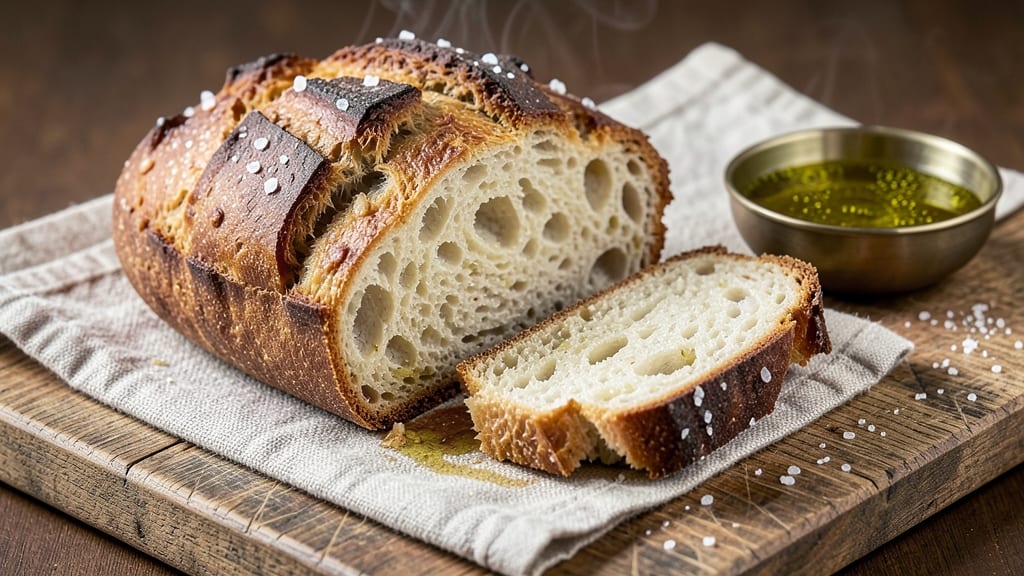
This Artésano Bread copycat recipe delivers the same crusty, chewy perfection with pull-apart cheese magic you crave. 🌟 After years of experimenting with store-bought techniques, I've cracked the code for achieving that signature texture at home—no bread machine required.
The secret lies in a precise blend of flour, yeast, and olive oil, combined with a slow fermentation that develops deep flavor and an open crumb structure.
What makes this recipe special is the foolproof method for creating that iconic golden crust and tender interior, even with minimal experience.
We'll use a 3-hour cold proof to simplify shaping and ensure consistent results, followed by a steam-assisted bake that guarantees that crispy exterior while keeping the interior soft and airy. The pull-apart cheese filling transforms this from ordinary bread into something extraordinary—each bite reveals pockets of melted, gooey goodness.
By the end, you'll have a restaurant-quality loaf that rivals the original, complete with that satisfying snap when you pull it apart. The aroma alone will have everyone gathering around your kitchen, and the taste?
Pure comfort food at its finest. This recipe builds confidence for home bakers while delivering professional results every time.
Perfect for game day, holiday gatherings, or a special family dinner, this bread becomes the star of any meal. Let's get started on creating your copycat masterpiece that'll have everyone asking for seconds—and the recipe too.
Ingredients for artesano bread copycat
Pantry staples plus a few specialty touches for that iconic pull-apart magic.
| Ingredient | Amount | Notes |
|---|---|---|
| Bread Flour 🌾 | 5 cups | High-protein for chewy texture |
| Instant Yeast 🍞 | ¾ tsp | Active dry works too |
| Extra-Virgin Olive Oil 🫒 | ½ cup | High quality, fruity |
| Granulated Sugar 🍚 | 1 tbsp | Feeds yeast for fermentation |
| Diamond Crystal Kosher Salt 🧂 | 2 tsp | Fine grain preferred |
| Warm Water 💧 | 1 ½ cups | 105-110°F ideal |
| Shredded Mozzarella Cheese 🧀 | 12 oz | Part-skim for best melt |
| Parmesan Cheese 🧀 | 1 cup | Freshly grated, block |
| Garlic Cloves 🧄 | 4 cloves | Minced for dough |
| Dried Oregano 🌿 | 1 tsp | Italian variety preferred |
| Ice Cubes ❄️ | 1 cup | For dough handling |
| Cornmeal 🌽 | ¼ cup | For parchment dusting |
| Egg Wash 🥚 | 1 whole | Beaten with 1 tbsp water |
| Coarse Sea Salt 🧂 | 1 tbsp | For crust sprinkle |
The bread flour is non-negotiable here—King Arthur or Bob's Red Mill are my go-tos for that perfect chew. Instant yeast saves time, but active dry works if you proof it first. For the olive oil, California Avocado Ranch or Corto brands deliver that fruity punch without bitterness. The cheese is where things get exciting: Sargento part-skim mozzarella melts beautifully, while Parmigiano-Reggiano from the deli counter adds depth. Pro tip: buy your cheese the day you bake—fresh is key for that gooey texture.
No bread flour? All-purpose plus 1 tbsp vital wheat gluten gets you close. Short on mozzarella? Provolone or fontina work in a pinch, but texture won't be identical. The Parmesan must be freshly grated—pre-shredded gets clumpy. For the egg wash, duck eggs add richness if you're feeling fancy. Want extra flavor? Add 1 tsp smoked paprika to the dough. And if your kitchen lacks a thermometer, the finger test works for warm water—should feel like bathwater.
This dough needs 24 hours in the fridge for optimal flavor. Portion it into two 9x5-inch loaf pans lined with parchment for easy removal. The cheese filling can be prepped 1 day ahead—just store it covered in the fridge. For the steam trick, place a metal bowl of boiling water on the oven rack during baking. Leftovers? 3 days in the fridge, but honestly, it disappears faster than that—people will be pulling pieces apart before it even cools.
Why You'll Love This Recipe
- No-Knead Magic: The instant yeast cuts the wait—just mix, rest, and bake. I’m talking one bowl, no stand mixer, no fuss. That olive oil dough gets so tender, you’ll forget you didn’t slave over it for hours.
- Crust That Cracks: Between us, the secret’s in the kosher salt and that generous brush of extra-virgin olive oil before baking. The crust turns golden and shatteringly crisp—like a bakery’s, but with zero pretension.
- Weeknight Workhorse: Toss a few slices in a pan for toast, tear it over soup, or freeze the rest for lazy mornings. Honestly, I make a double batch every Sunday because it disappears faster than my willpower.
- Pantry Staple Payoff: Five ingredients, all of which you already own (or should). The sugar isn’t just for sweetness—it feeds the yeast and keeps this bread fresh for days. My wallet and my lunchbox thank me weekly.
Step-by-step instructions for crusty cheese pull-apart magic
Here's how to recreate that legendary cheesy, pull-apart bread with a crackly crust.
👨🍳 Step 1: Mix the Dough with Cheesy Goodness
In a large bowl, combine the 5 cups bread flour, 0.75 tsp instant yeast, 1 tbsp granulated sugar, 2 tsp Diamond Crystal kosher salt, and 1 tsp dried oregano. Whisk everything together until the flour is evenly distributed—this creates a perfect foundation for flavor.
Next, add the 0.5 cup extra-virgin olive oil and mix with your hands or a wooden spoon until the oil is fully incorporated. The dough will look shaggy at this point, but that's totally normal. Here's the fun part: fold in 12 oz shredded mozzarella cheese and 1 cup grated Parmesan. You want the cheese to be evenly distributed throughout the dough—this ensures every bite will be packed with melty goodness.
🥘 Step 2: Hydrate and Knead with Ice Cubes
Gradually add the 1.5 cups warm water (around 105-110°F) while mixing. The dough will start to come together, but it might still look dry. That's where the 1 cup ice cubes come in—add them one at a time while continuing to mix. The cold ice will help firm up the dough and make it easier to handle.
Once the ice is fully incorporated, turn the dough out onto a lightly floured surface. Knead for about 5-7 minutes until the dough is smooth and elastic. You'll know it's ready when it springs back slightly when pressed. If the dough feels too sticky, wet your hands slightly to help with handling. The high-protein flour and cheese make this dough a bit more challenging to work with, so don't be afraid to get your hands in there!
🔥 Step 3: First Rise and Shape the Loaf
Lightly grease a large bowl with olive oil and place the dough inside. Cover the bowl with a damp towel or plastic wrap and let it rise in a warm place for 1-2 hours, or until it has roughly doubled in size. The dough should feel light and airy when pressed gently—this is your cue that fermentation is working.
Once risen, punch down the dough to release any air bubbles. On a floured surface, shape it into a 12x8-inch loaf pan or a round boule shape if you prefer. Press the dough gently into the pan, making sure it fills the corners evenly. This step is crucial for that signature pull-apart texture—you want the dough to be snug but not forced.
🍳 Step 4: Second Rise and Pre-Bake for Crust
Cover the shaped dough again and let it rise for another 30-45 minutes until it's puffy and has risen about 1 inch above the pan. Preheat your oven to 425°F while the dough rises. This high heat is key for that crackly crust.
Once the oven is preheated, brush the dough with the egg wash (beaten egg mixed with 1 tbsp water). Sprinkle the 1 tbsp coarse sea salt evenly over the top. Bake for 15 minutes until the crust starts to turn golden brown. Here's the secret: after 15 minutes, remove the bread from the oven and sprinkle 0.25 cup cornmeal over the top. This adds texture and prevents the crust from becoming too dark. Return to the oven for another 5-7 minutes until the crust is deep golden brown and crispy.
⏰ Step 5: Finish with Cheese and Serve Warm
Remove the bread from the oven and let it cool for 5 minutes—this is critical to prevent the cheese from melting too quickly. While it cools, sprinkle the remaining shredded mozzarella and Parmesan cheese evenly over the top. The cheese will melt slightly from the residual heat, creating that gooey, pull-apart texture.
Let the bread rest for another 10 minutes before slicing. The crust should be crispy and crackly, while the interior remains soft and chewy. Serve warm with marinara sauce for dipping or alongside your favorite pasta dish. This bread is best enjoyed fresh—every pull-apart bite is packed with cheesy, garlicky flavor that's hard to resist!
Pro Tips For Making Artesano Bread Copycat
- WEIGH YOUR FLOUR: Bread flour can vary wildly in density—spooning it from the bag packs in air and throws off hydration. Use a kitchen scale and scoop flour directly into your mixing bowl without pressing down. I learned this the hard way when my first batch turned out gummy because I overestimated the volume.
- LET THE YEAST BLOOM: Mix the instant yeast with the warm water and sugar first, then wait 5 minutes for it to foam before adding flour. This ensures the yeast is fully activated and cuts down on dough development time. Skipping this step means your oven spring will be weaker—trust me, I’ve made that mistake.
- STRETCH, DON’T FOLD: When shaping the dough, resist the urge to fold or press it. Instead, gently stretch the edges toward the center with wet hands, then tuck them under. This creates tension in the gluten without deflating the air bubbles. I used to fold like I was wrapping a present, and my bread never rose properly.
- STEAM THE CRUST: Place a metal bowl of boiling water in your oven before baking, then remove it after 10 minutes. The steam mimics a professional deck and gives that signature crispy, blistered crust. Without it, you’ll end up with a dull, pale loaf—no matter how much olive oil you brush on.
Serving suggestions for this dish
Dipping Sauces
This bread practically begs for a complementary sauce. My go-to is a homemade marinara with a touch of balsamic glaze—simmer 1 can (28 oz) San Marzano tomatoes, 3 garlic cloves, 1 tbsp dried oregano, and 1 tsp red pepper flakes for 20 minutes.
Finish with 1 tbsp balsamic reduction for depth. The acidity cuts through the richness of the cheese perfectly. 🍅
Pasta Pairings
Serve alongside fettuccine Alfredo or creamy pesto pasta—the bread's pull-apart texture contrasts beautifully with long noodles. For a lighter option, pair with whole wheat spaghetti and a simple garlic olive oil sauce.
The bread soaks up any leftover sauce, making it a one-dish wonder. I often double the recipe so we have leftovers for sandwiches the next day.
Cheese Board Companion
Transform your bread into the star of a cheese board by pairing it with aged cheddar, brie, and provolone. The bread's crispy crust holds up perfectly to soft cheeses, while its chewy interior balances harder varieties.
Add cured meats like prosciutto or salami, plus fig jam and honey for sweet contrast. The bread's garlic and Parmesan flavors elevate the entire spread.
Game Day Spread
This bread is a game-day MVP—serve it warm with spicy brown butter, cool ranch dip, and smoked gouda melt. The contrast of warm bread with cold dips keeps everyone happy.
For extra flair, sprinkle crushed red pepper flakes on the dip and serve with pickled jalapeños on the side. It's a crowd-pleaser that disappears faster than you can say "end zone."
Breakfast Twist
Turn this bread into a breakfast sensation by serving it with scrambled eggs and crispy bacon. The cheesy, pull-apart texture makes it perfect for soaking up egg yolks.
For a sweet version, drizzle with maple syrup and top with whipped cream—it's like a cheesy, crusty French toast without the fuss. I've even made mini versions for brunch sliders with pulled pork as a fun brunch option.
Leftovers Reinvented
Don't let leftovers go to waste! Toast slices and use them for grilled cheese sandwiches with sharp cheddar and apple slices. Or make bread pudding by cubing the bread, soaking it in egg custard, and baking until golden.
The pull-apart texture adds a fun, gooey element to desserts. Store leftovers in an airtight container for up to 3 days—they reheat beautifully in the oven at 350°F for 10 minutes.
Nutrition facts
Frequently asked questions
Why does this recipe use ice cubes in the dough?
The ice cubes serve two key purposes: they help firm up the dough when mixed with warm water, making it easier to handle, and they create tiny pockets of steam during baking that contribute to that signature open crumb structure. The cold also slows fermentation slightly, giving you more control over the rise time.
Can I make this bread without a loaf pan?
Shape the dough into a boule (round loaf) or batard (oval loaf) on a parchment-lined baking sheet. For best results, use a banneton basket for shaping. The texture will be slightly different but still delicious—just expect a more rustic, free-form appearance instead of the rectangular shape.
What's the best way to reheat leftover bread?
Wrap slices in aluminum foil and reheat at 350°F for 5-7 minutes to restore crispiness. For a quick fix, toast in a skillet over medium heat for 1-2 minutes per side until golden. Never microwave—it turns the crust soggy and ruins the texture.
How do I prevent the cheese from melting too early?
Let the bread cool for 10-15 minutes after baking before adding fresh cheese. The residual heat will create that perfect pull-apart effect without making the dough soggy. If you're concerned, sprinkle cheese only on the top half of the loaf to maintain structure. Pro tip: use low-moisture mozzarella for better texture.
Can I make this bread without gluten?
This recipe relies on the gluten structure for its signature chewy texture and pull-apart quality, so a true gluten-free version isn't possible without significant modifications. For a similar experience, try a gluten-free bread flour blend with xanthan gum, but expect a denser, less elastic result. The cheese pockets won't pull apart as dramatically.