
Side Dishes
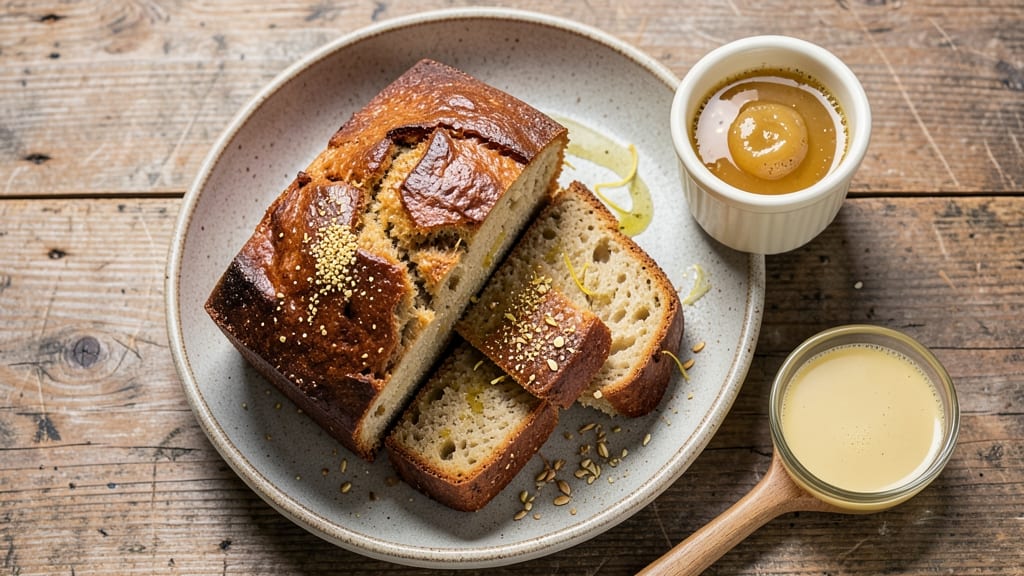
This arrowroot flour bread recipe delivers a surprisingly light, airy loaf without yeast or gluten—perfect for those avoiding traditional baking staples. The secret lies in the arrowroot's natural binding properties, which create a tender crumb without the need for gluten or long fermentation.
I developed this recipe after years of experimenting with gluten-free alternatives, and it finally achieves that satisfying pull-apart texture while staying completely plant-based.
The beauty of this method is its simplicity: just a handful of ingredients, a single mixing bowl, and 30 minutes of active time before baking. Arrowroot flour works as both a binder and thickener, eliminating the need for eggs or dairy while maintaining a soft, slightly chewy texture.
Unlike many gluten-free breads that turn out dense, this loaf rises beautifully in the oven, creating an open crumb structure that's surprisingly light for its composition.
What you'll end up with is a golden-brown loaf with a delicate interior—soft enough to be used for sandwiches but sturdy enough to hold up to toast or French toast.
The absence of yeast means no waiting for dough to rise, and the arrowroot's mild flavor ensures the bread doesn't taste like it's missing anything. Perfect for vegan diets, grain-free lifestyles, or anyone craving a fresh-baked loaf without the traditional ingredients.
Store it wrapped at room temperature for 2-3 days, or freeze slices for up to a month. The recipe scales easily, so you can bake just one small loaf or double it for a crowd. Let's get started on this game-changing bread that proves gluten-free doesn't mean flavor-free.
Ingredients for arrowroot flour bread
Arrowroot flour and plant-based binders create this extraordinary gluten-free loaf without yeast or dairy.
| Ingredient | Amount | Notes |
|---|---|---|
| Arrowroot Flour 🌾 | 2 cups | Fine-milled for optimal binding |
| Tapioca Starch 🍠 | ½ cup | Enhances elasticity and texture |
| Psyllium Husk Powder 🌿 | 1 tbsp | Essential for gluten-free structure |
| Nutritional Yeast 🧀 | ½ cup | Adds cheesy flavor and B vitamins |
| Almond Milk (Unsweetened) 🥛 | 1 ¼ cups | Room temperature preferred |
| Extra-Virgin Olive Oil 🫒 | ¼ cup | High-quality for richness |
| Apple Cider Vinegar 🍎 | 1 tbsp | Activates psyllium husk |
| Sea Salt 🧂 | 1 ½ tsp | Diamond Crystal preferred |
| Baking Powder 🍞 | 1 ½ tsp | Aluminum-free for best results |
| Ground Flaxseed 🌰 | 1 tbsp | Mixed with water as egg substitute |
| Water 💧 | 3 tbsp | For flaxseed mixture |
Arrowroot flour is the cornerstone of this recipe—Bob's Red Mill or Anthony's Goods brands yield the finest texture. The psyllium husk powder is non-negotiable for achieving that satisfying pull-apart quality; Now Foods bulk bins offer the most economical option. Nutritional yeast provides both flavor depth and nutritional benefits, while tapioca starch enhances the bread's delicate crumb structure. For the almond milk, Silk Unsweetened Original works best due to its neutral flavor profile, but any unsweetened variety will suffice. The extra-virgin olive oil should be cold-pressed for optimal flavor and nutritional integrity.
No psyllium husk powder? Chia seeds ground into powder at a 1:1 ratio can substitute, though results may vary slightly. Substituting arrowroot flour with tapioca starch isn't recommended as it lacks the necessary binding properties. For the flaxseed mixture, ensure the ground flaxseed is freshly ground—pre-ground flaxseed loses potency quickly. The baking powder must be aluminum-free to prevent any metallic aftertaste. If you're sensitive to vinegar flavors, lemon juice at half the amount works as an alternative activator. For a nut-free version, replace almond milk with oat milk or coconut milk, though texture may differ slightly.
This loaf maintains optimal freshness when stored in an airtight container at room temperature for 2-3 days. For longer storage, slice and freeze individual portions for up to 3 months—reheat slices in a toaster or oven for best results. The bread's structure improves after baking, so it's best to slice it after it has completely cooled. To prevent drying, place a slice of bread in the container with each batch. This recipe doubles easily, making it ideal for meal prep or sharing with friends following gluten-free or vegan diets.
Why You'll Love This Recipe
- No-Fuss Mix-In: I swear by this—just dump the dry ingredients (arrowroot, tapioca, psyllium) into a bowl, pour in the almond milk, and stir. That’s it. No kneading, no waiting for dough to rise, no mess. The psyllium does all the heavy lifting for structure while I’m still deciding what to eat for dinner.
- Nutty, Chewy Magic: Honestly, the combo of arrowroot’s light bite and nutritional yeast’s savory punch is ridiculously good. It’s got this subtle, toasty depth (thanks to the yeast) that makes it way more interesting than your basic bread. Toast it, and that crispy edge? Chef’s kiss—especially with a smear of almond butter.
- Meal Prep MVP: Between us, this bread holds up perfectly for days. I bake a loaf on Sundays, and it’s still fresh by Friday—great for sandwiches, toast, or even croutons. The tapioca starch keeps it from drying out, so it’s my go-to for busy mornings when I’m grabbing whatever’s easiest.
- Budget-Friendly Staple: Arrowroot and tapioca are cheap, and this recipe stretches far. I make two loaves at once, freeze one, and still have leftovers for days. Plus, swapping in almond milk (or any milk you have) means no extra grocery runs. It’s the kind of bread that doesn’t break the bank but feels like a treat.
Step-by-step instructions for arrowroot flour bread
This gluten-free, yeast-free loaf achieves bakery-style lightness through precise technique and ingredient ratios.
Prepare the Flaxseed Egg Substitute
In a small bowl, combine the 1 tablespoon ground flaxseed with the 3 tablespoons water. Stir vigorously and let the mixture sit for 5 minutes until it thickens into a gel-like consistency. This flaxseed mixture mimics the binding properties of eggs while adding fiber and omega-3s to your bread.
I always measure the flaxseed carefully using the spoon-and-level method to ensure accuracy. The mixture should be thick enough to coat the back of a spoon but still flow smoothly when stirred. If it doesn't gel properly after 5 minutes, add an extra teaspoon of water and wait another minute. This step is foundational—skipping the wait time will result in a denser loaf.
Combine Wet Ingredients for Optimal Texture
In a large mixing bowl, whisk together the 1.25 cups almond milk (unsweetened), 0.25 cup extra-virgin olive oil, and 1 tablespoon apple cider vinegar until fully emulsified. The vinegar activates the psyllium husk later, creating that signature light, airy crumb. Add the prepared flaxseed mixture and whisk again until smooth.
Next, incorporate the 0.5 cup nutritional yeast and 1.5 teaspoons sea salt. The nutritional yeast adds depth of flavor and a cheesy note that balances the bread's subtle sweetness. At this stage, the batter should be thin but cohesive—similar to pancake batter. If it separates, whisk vigorously for another 30 seconds to re-emulsify the fats and liquids.
Mix Dry Ingredients for Perfect Structure
In a separate bowl, sift together the 2 cups arrowroot flour, 0.5 cup tapioca starch, 1 tablespoon psyllium husk powder, and 1.5 teaspoons baking powder. The psyllium husk is crucial here—it's what gives this bread its signature structure without gluten. Whisk the dry ingredients thoroughly to eliminate any lumps, which could create dense pockets in your finished loaf.
Gradually add the dry mixture to the wet ingredients while stirring continuously with a rubber spatula. Mix just until combined—overmixing develops gluten-like properties in the arrowroot and can make the bread gummy. The batter should be thick but pourable. If it's too stiff, add 1 tablespoon of almond milk at a time until it reaches a smooth, spreadable consistency.
Rest the Batter for Ideal Rise
Transfer the batter to a greased 8x4-inch loaf pan (or similar size). Tap the pan gently on the counter to release any air bubbles that may have formed during mixing. Allow the batter to rest at room temperature for 20 minutes. This resting period lets the psyllium husk fully hydrate and the baking powder activate, which is essential for achieving that light, airy texture.
While waiting, preheat your oven to 350°F. The exact temperature is critical—too low and the bread won't rise properly; too high and the exterior will brown before the interior is fully cooked. I recommend using an oven thermometer to verify your oven's accuracy, as home ovens can vary by 25°F or more from the set temperature.
Bake to Golden Perfection
Bake the bread for 45-50 minutes until the top is golden brown and a toothpick inserted in the center comes out clean. The bread should spring back slightly when pressed gently with a finger—this indicates proper doneness. If the top browns too quickly, tent the pan with aluminum foil to prevent over-browning while allowing the interior to finish cooking.
Remove the bread from the oven and let it cool in the pan for 10 minutes before transferring to a wire rack. This resting period prevents the bread from collapsing as it cools. For best results, slice the bread when it's still slightly warm—this ensures clean cuts and prevents it from becoming overly dense. The finished loaf should have a tender crumb with a slightly crisp exterior, perfect for sandwiches or toast.
Pro Tips For Making Arrowroot Flour Bread
- MIX DRY INGREDIENTS FIRST: Mix the arrowroot flour, tapioca starch, and psyllium husk powder together before adding almond milk—this prevents clumping and ensures even hydration. I learned this the hard way after scraping gummy bits out of my mixing bowl for the third time.
- WEIGH THE PSYLLIUM HUSK: Psyllium husk powder is finicky—don’t eyeball it. A scale guarantees the right texture; too little and your bread won’t hold together, too much and it turns rubbery. I used to guess, then realized my "perfect" loaves were secretly dense and chewy.
- STEAM THE FIRST 10 MINUTES: Place a shallow tray of hot water in your oven before baking—this creates steam that keeps the crust from drying out too fast. Sounds weird, but it works: my bread now bakes evenly without cracking on top.
- LET IT REST 20 MINUTES: Resist the urge to slice immediately after baking. A 20-minute rest lets the crumb firm up and prevents a gummy texture. I know, I know—waiting is hard, but trust the process.
Best sauces and condiments for this recipe
Herb-Infused Olive Oil
Elevate your arrowroot bread with a drizzle of herb-infused olive oil before serving. Combine ½ cup extra-virgin olive oil with 1 tbsp fresh rosemary, 1 tbsp fresh thyme, and a pinch of sea salt.
Heat gently for 5 minutes to release the aromatics, then strain and drizzle over warm slices. The herbal notes complement the bread's mild flavor while adding a luxurious touch. 🌿
Spiced Nut Butter
Spread cinnamon-spiced almond butter on toasted slices for a sweet-savory contrast. Mix ½ cup almond butter with ½ tsp cinnamon, ¼ tsp vanilla extract, and a pinch of sea salt.
Warm the mixture slightly to enhance flavor. This pairing works beautifully for breakfast or dessert-style sandwiches, balancing the bread's subtle sweetness with warm spices.
Avocado-Lime Crema
For a creamy, tangy accompaniment, blend 1 ripe avocado, 2 tbsp lime juice, 2 tbsp almond milk, 1 tbsp nutritional yeast, and ½ tsp sea salt until smooth. Serve as a spread or dip for toasted bread slices.
The avocado adds healthy fats, while lime brightens the dish with zesty acidity. Perfect for lunchtime wraps or as a base for open-faced sandwiches. 🍈
Smoky Chipotle Aioli
Add smoky depth with a chipotle aioli that pairs beautifully with savory toppings like roasted vegetables or grilled tofu. Blend ½ cup vegan mayo, 1 tbsp chipotle pepper in adobo, 1 tsp apple cider vinegar, and ½ tsp garlic powder until smooth.
Adjust spice level to taste. This condiment transforms simple bread into a flavor-packed meal, especially when paired with hearty plant-based proteins.
Sweet Fruit Compote
Balance the bread's neutral flavor with a berry compote made from 1 cup mixed berries, 1 tbsp maple syrup, and ½ tsp lemon juice. Simmer until thickened, then spread on toasted slices.
The natural sweetness and acidity create a delightful contrast, making this an ideal pairing for brunch or dessert-style bread bowls. Store compote in the refrigerator for up to 5 days.
Tahini-Garlic Sauce
For a nutty, savory option, whisk together ¼ cup tahini, 2 tbsp lemon juice, 1 minced garlic clove, 2 tbsp water, and ½ tsp sea salt until smooth. Drizzle over toasted bread or use as a dip for sliced pieces.
The tahini adds richness, while garlic and lemon create a bold, balanced flavor profile that complements the bread's delicate texture. 💫
Nutrition facts
Frequently asked questions
Can I make this arrowroot bread without psyllium husk?
The psyllium husk is essential for achieving that signature pull-apart texture in gluten-free baking. Without it, your bread will likely turn out dense and crumbly. If you must omit it, try using 1 extra tablespoon of ground flaxseed or 1 tablespoon of chia powder, but expect a firmer texture. For best results, stick with the recipe as written—it's what creates that light, airy crumb!
Why does my arrowroot bread turn out gummy?
Overmixing the batter is the most common cause of gummy arrowroot bread. Once the dry ingredients are combined with the wet, mix just until smooth—no need to stir vigorously. Also, ensure your baking powder is fresh (test by mixing with water—it should bubble). If the batter seems too thick, add almond milk 1 tablespoon at a time until it reaches a pourable consistency. The key is gentle mixing and proper ingredient ratios.
Can I substitute arrowroot flour with tapioca starch?
While tapioca starch can work in some recipes, it lacks the binding properties that make arrowroot flour ideal for bread. Arrowroot creates a lighter texture and better structure. For a 1:1 substitution, you'll likely need to add 1 extra tablespoon of psyllium husk powder per cup of tapioca starch to compensate. However, your bread may still turn out denser than the original recipe. Stick with arrowroot for the best results!
How do I store this bread to keep it fresh?
Wrap the cooled loaf tightly in plastic wrap or place it in an airtight container to prevent drying. At room temperature, it stays fresh for 2-3 days. For longer storage, slice the bread and freeze individual portions in a freezer bag for up to 3 months. To reheat, toast slices in a toaster or warm in the oven at 300°F for 5-10 minutes. The bread actually improves in texture after a day or two!
Is this bread suitable for a low-FODMAP diet?
This recipe is generally low-FODMAP when made with certified gluten-free arrowroot flour and no added high-FODMAP ingredients. However, psyllium husk is high in FODMAPs, so you'll need to omit it and use 1 extra tablespoon of ground flaxseed instead. Also, ensure your almond milk is low-FODMAP (stick to 100ml per serving), and avoid nutritional yeast if it contains garlic or onion powder. Always check individual ingredient labels for certifications.