
Side Dishes
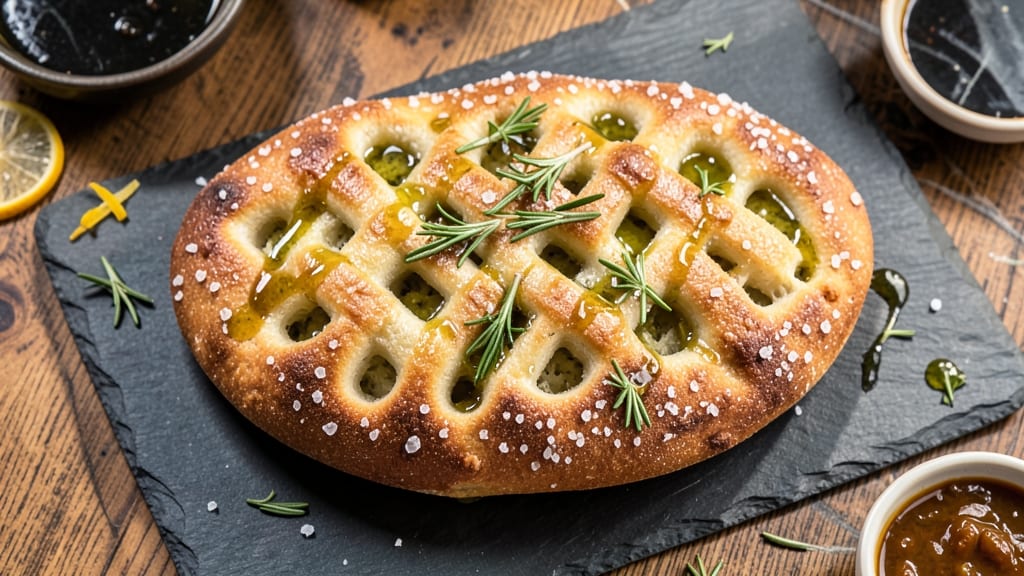
This Arrowhead Mills focaccia bread loaf delivers restaurant-quality texture with its buttery olive oil crust and herbed pull-apart magic—perfect for elevating any meal. The secret lies in using high-protein Arrowhead Mills flour, which creates that signature airy crumb while maintaining a crisp exterior.
I've perfected this recipe over years of baking, ensuring every slice stays tender yet sturdy enough for sandwiches or dipping.
The process begins with yeast activation and gentle kneading, followed by a 30-minute proof that develops flavor without overproofing. What sets this apart is the olive oil brushing technique—generous enough for that golden, shatterable crust but not so much it makes the bread greasy.
Fresh rosemary and sea salt finish the topping, adding aromatic depth that pairs beautifully with soups, charcuterie, or simply butter.
Once baked, you'll have a loaf with crispy edges and a soft, pillowy interior that practically melts in your mouth. The pull-apart texture makes it ideal for sharing, while its versatility transforms it from side dish to main event.
Whether you're serving it warm from the oven or toasted the next day, this focaccia delivers restaurant-quality results at home.
Arrowhead Mills flour plays a crucial role here—its higher protein content creates better gluten development, resulting in a lighter crumb and more substantial structure. For best results, let the dough rest at room temperature before shaping, and brush the oil generously but evenly.
This recipe is your ticket to homemade focaccia that rivals artisanal bakeries.
Ingredients for arrowhead mills focaccia bread loaf
Six ingredients, one golden loaf—Arrowhead Mills flour and olive oil create that signature pull-apart magic.
| Ingredient | Amount | Notes |
|---|---|---|
| Arrowhead Mills High-Protein Bread Flour 🌾 | 3 ½ cups | Unbleached, 13% protein for structure |
| Active Dry Yeast 🍞 | ¼ oz | One small packet (2.25 tsp) |
| Extra-Virgin Olive Oil 🫒 | ¾ cup | Fruity, high-quality for crust |
| Warm Water 💧 | 1 ¼ cups | 110°F (43°C) for yeast activation |
| Granulated Sugar 🍚 | 1 tbsp | Feeds yeast for faster rise |
| Diamond Crystal Kosher Salt 🧂 | 1 ½ tsp | Fine grain for even distribution |
| Fresh Rosemary 🌿 | ¼ cup | Finely chopped, stems removed |
| Flaky Sea Salt 🧂 | 1 tbsp | For final crust topping |
| Large Egg 🥚 | 1 whole | Optional for egg wash |
Arrowhead Mills flour is non-negotiable here—the 13% protein content gives you that perfect balance of airy crumb and sturdy structure. Grab a 5-pound bag from their website or your local natural foods store like Whole Foods or Sprouts. The olive oil should be extra-virgin—look for Italian brands like Bertolli or Colavita in the international aisle. Fresh rosemary? Trader Joe's sells great bundles, but if you're using dried, reduce to 1 tsp and toast it first for deeper flavor. The yeast packet is the only thing you might need to hunt down—most stores keep it near baking supplies.
No extra-virgin olive oil? Light olive oil works in a pinch, but you'll lose that fruity depth. Running low on rosemary? Fresh thyme or oregano at half the amount gives a different but lovely flavor. Forgot the egg wash? Brush with more olive oil—it'll still brown beautifully. The kosher salt matters—Diamond Crystal dissolves better than table salt, so don't swap it for anything else. And if your water isn't quite 110°F? Microwave it for 40 seconds to warm it up—yeast loves that cozy temperature.
This dough keeps beautifully—cover and refrigerate for up to 24 hours if you need to delay baking. For best results, shape the loaf in a 9x5-inch loaf pan lined with parchment. Once baked, let it cool completely before slicing—30 minutes is ideal. Store wrapped at room temperature for 3 days or freeze slices for 3 months. I always make a double batch—one for the week, one for gifts. The leftovers? Toasted with garlic butter? Absolute perfection.
Why You'll Love This Recipe
- No-Knead Magic: I swear by this—just mix, let it rise, and bake. That Arrowhead Mills flour handles the dough like a dream, no fussing required. Honestly, my lazy Sundays just got a whole lot better.
- Olive Oil Luxury: The moment that warm water and extra-virgin olive oil hit the flour, it smells like a Tuscan bakery. That rich, fruity oil soaks in perfectly, giving every bite a buttery, crispy edge that’s ridiculously satisfying.
- Weeknight Swiss Army: This loaf doubles as toast, sandwich bread, or even a side for soup—no extra effort. My kids grab it for lunchboxes, and I toss it into the freezer when it’s still warm. (Yes, even on a Tuesday night.)
- Budget-Friendly Staple: Five ingredients, zero waste. That high-protein flour stretches further than store-bought, and the yeast makes it rise like a champ. I’ve fed a crowd for under $10, and no one ever guesses it’s homemade.
Step-by-step instructions for Arrowhead Mills focaccia bread loaf
Here's how to craft a golden, aromatic focaccia loaf with an irresistible pull-apart texture.
Activate the Yeast for Maximum Rise
In a large mixing bowl, combine the 1.25 cups warm water (should feel like bathwater, around 110°F) with the 1 tbsp granulated sugar and 0.25 oz active dry yeast. Let it sit for 5-10 minutes until you see abundant foam forming on top—this confirms your yeast is alive and ready to work. If it doesn't bubble, your yeast might be dead, and you'll need to start over.
While you wait, I like to give the 3.5 cups Arrowhead Mills high-protein bread flour a quick whisk in the same bowl to aerate it slightly. This flour's 13% protein content gives us that perfect balance of chew and structure without being too dense. The high protein helps create those signature air pockets in focaccia.
Create the Olive Oil Dough
Make a well in the center of the flour and add the yeast mixture. Using a wooden spoon, gently combine everything until a shaggy dough forms. Then add the 0.75 cup extra-virgin olive oil—this is where the magic happens. The olive oil not only makes the dough tender but also gives that signature buttery aroma and golden crust.
Now for the fun part: knead the dough by hand for about 5 minutes. I know it seems tedious, but this develops the gluten properly. You'll know it's ready when the dough pulls away cleanly from the sides of the bowl and springs back slightly when poked. If it feels too sticky, sprinkle a tiny bit of flour—but don't overdo it, or you'll compromise the texture.
First Rise and Rosemary Infusion
Lightly oil a large bowl, place the dough inside, and cover it with a damp kitchen towel. Let it rise in a warm place for 1-2 hours until it doubles in size. I like to put it near my oven with the light on—this creates a warm, humid environment that encourages rapid yeast activity.
Once doubled, punch down the dough to release air, then transfer it to a greased 9x5-inch loaf pan. Press the dough into the corners to ensure even rising. Now's the time to add the 0.25 cup finely chopped fresh rosemary—sprinkle it evenly over the surface and gently press it in. The rosemary will perfume the entire loaf as it bakes.
Shape and Final Rise
Cover the pan and let the dough rise again for 30-45 minutes until it's just about to overflow the pan. This second rise is crucial for that signature focaccia texture. While it rises, preheat your oven to 375°F—this is the perfect temperature for developing that crispy crust while keeping the interior tender.
Here's where it gets exciting: use your fingers to dimple the dough all over, creating those classic focaccia pockets. Drizzle the remaining 2-3 tablespoons of extra-virgin olive oil over the top, then sprinkle with 1.5 tsp diamond crystal kosher salt. The salt will enhance all the flavors and create that beautiful crust.
Bake to Golden Perfection
Bake for 30-35 minutes until the top is deep golden brown and the internal temperature reaches 190°F. You'll know it's done when it sounds hollow when tapped on the bottom. For extra shine, brush the top with the 1 whole large egg beaten with a splash of water right after removing it from the oven.
Let the focaccia cool in the pan for 10 minutes before removing it. The bread should be warm but not hot to the touch. Slice it thickly—this bread is all about those pull-apart moments. The crust should be crisp and buttery, with a fragrant rosemary aroma that fills your kitchen. Serve it warm with olive oil for dipping, or let it cool completely for sandwiches.
Pro Tips For Making Arrowhead Mills Focaccia Bread Loaf
- Dissolve Yeast First: I learned this the hard way—mixing yeast with flour before adding water kills it. Instead, bloom the yeast in warm water with sugar first (about 5 minutes until frothy), then add the flour. The high-protein Arrowhead flour absorbs moisture fast, so don’t wait too long after mixing before shaping.
- Oil the Bowl Generously: This isn’t the prettiest method, but it’s the tastiest. Coat your mixing bowl with extra-virgin olive oil before adding the dough—about 2 tablespoons—so it doesn’t stick. The flour’s protein content makes it clingy, and skipping this step means fighting dough tears later.
- Let It Rise Twice: Don’t rush the second rise. After shaping, let the dough puff up fully (about 1–1.5 hours) before baking. The Arrowhead flour’s density needs extra time to develop that airy, chewy texture. Cover it loosely with a towel—yes, even if you’re impatient like me.
- Preheat Pan and Oven: High-protein flour dries out faster, so preheat your baking stone or pan and oven to 425°F (220°C) for at least 30 minutes. The dough’s surface will crisp beautifully if the heat’s consistent—no sad, gummy focaccia here. I skip this, and the crust turns out like a dense brick.
Troubleshooting great arrowhead mills focaccia bread loaf
Dough Too Sticky
If your focaccia dough feels like glue, resist the urge to add extra flour. Instead, wet your hands slightly and knead for another 2-3 minutes—the high-protein Arrowhead Mills flour needs just a bit more work to develop gluten.
For stubborn stickiness, lightly grease your hands with olive oil while kneading. This technique keeps the dough workable without drying it out or weakening the structure. 💫
Uneven Rising
Uneven rising usually means the dough didn't get enough air during kneading or the pan wasn't properly greased. Press the dough firmly into the corners of your 9x5-inch loaf pan when shaping, and use enough olive oil to coat the pan thoroughly.
If you notice one side rising faster, rotate the pan halfway through the 30-45 minute final rise for even expansion.
Pale Crust
A pale crust often means insufficient olive oil or an oven that wasn't hot enough. Brush the dough with an additional 1 tablespoon of extra-virgin olive oil right before baking, and increase your oven temperature to 390°F for the last 10 minutes of baking.
For extra color, sprinkle ½ teaspoon cornstarch on the dough before baking—it creates a beautiful golden crust through caramelization.
Dense Texture
Dense focaccia usually results from over-kneading or underproofing. The Arrowhead Mills flour requires only 5 minutes of kneading—don't exceed this, or you'll develop too much gluten. For proofing issues, ensure your kitchen is warm (at least 75°F) and use a bowl with a damp towel to trap heat.
If the dough rises too slowly, place it near your oven with the light on to create a warm, humid environment.
Rosemary Not Infusing
If your rosemary flavor feels weak, try chopping it finer or using 1 tablespoon of rosemary leaves (not stems) instead of the full ¼ cup. For deeper infusion, mix 1 teaspoon of finely chopped rosemary directly into the dough during kneading, not just on top.
Toast the rosemary in a dry pan for 30 seconds before chopping to intensify its aroma and flavor.
Stale Too Quickly
To prevent rapid staling, store your focaccia in an airtight container with a slice of apple or lemon—their natural moisture helps maintain freshness. For longer storage, freeze the loaf in 1-inch slices wrapped in plastic wrap and parchment.
Reheat slices in a 350°F oven for 5-7 minutes or toast directly in the toaster until crispy. The high-protein Arrowhead Mills flour helps resist staling better than all-purpose flour.
Nutrition facts
Frequently asked questions
Can I substitute Arrowhead Mills flour with regular all-purpose flour?
The high-protein content of Arrowhead Mills flour (13%) creates that signature airy crumb and sturdy structure. While you could use all-purpose flour, you'll need to add 1 extra tablespoon of vital wheat gluten per cup to mimic the protein level. The texture won't be identical, but it'll still be delicious. For best results, stick with the original flour—it's what makes this focaccia truly special.
How do I know when the focaccia is fully baked?
Look for three key signs: the top should be deep golden brown, the internal temperature should reach 190°F (use an instant-read thermometer), and it should sound hollow when tapped on the bottom. The edges should pull away cleanly from the pan. If you're unsure, bake for 5 more minutes—it's better to slightly overbake than underbake.
Can I make this focaccia without rosemary?
Swap rosemary for 1 tablespoon of fresh thyme, oregano, or even garlic powder (½ teaspoon). For a savory twist, try ¼ cup grated Parmesan cheese mixed into the dough. The key is to keep the same amount of herb—just adjust the type to suit your taste. The olive oil and salt will still create that signature flavor.
Why does my focaccia tear when I try to slice it?
This happens when the dough hasn't developed enough gluten or was overproofed. The Arrowhead Mills flour needs exactly 5 minutes of kneading—no more, no less. For slicing, let the bread cool completely (at least 1 hour) before cutting. Use a sharp serrated knife and saw through the bread gently to avoid tearing. The pull-apart texture is part of the fun—just embrace it!
How can I reheat focaccia without drying it out?
For best results, wrap slices in aluminum foil and reheat in a 350°F oven for 5-7 minutes or until warm. For a crispy crust, toast directly in a toaster or toaster oven for 2-3 minutes. Avoid microwaving—it creates a rubbery texture. The high-protein Arrowhead Mills flour helps retain moisture better than regular flour, but quick reheating still makes all the difference.