
Side Dishes
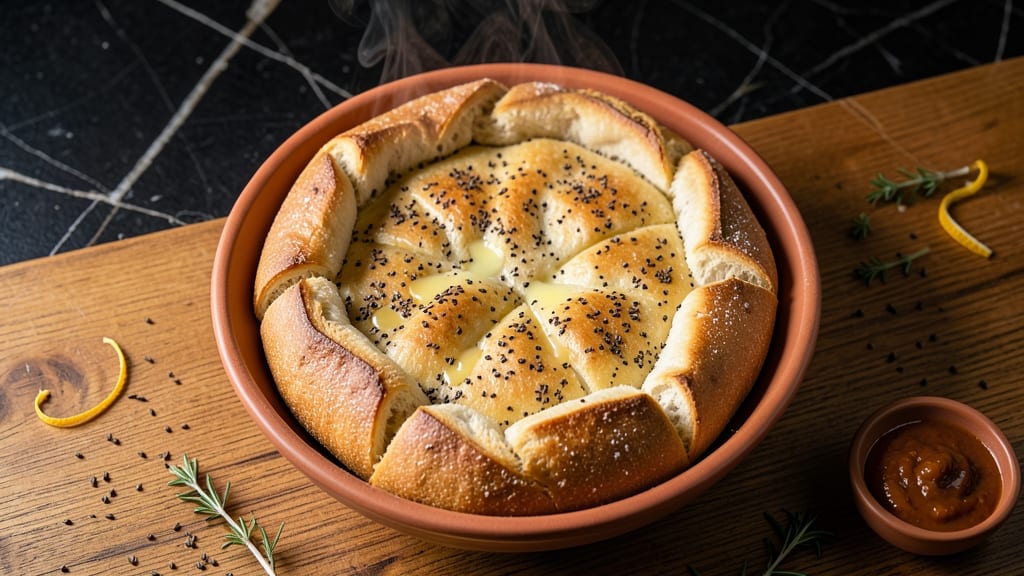
This Argentinian bread recipe delivers the signature flaky layers and tangy depth that make it a staple in every Argentine home. The secret lies in a pan amasado dough technique, where layers of butter create delicate, airy pockets that melt in your mouth. I first discovered this method while traveling through Buenos Aires, where bakeries still use traditional stone ovens to achieve that perfect golden crust.
The dough starts with a simple blend of flour, water, and a touch of anise for that signature Argentine flavor, but it's the butter that transforms it. Cutting cold butter into the dough creates those signature flaky layers, while a slow rise allows the gluten to relax and develop.
This isn't just bread—it's a textural experience that balances crispy edges with a soft, pillowy interior.
What makes this recipe special is its versatility. You can enjoy it plain as a side, toasted with dulce de leche for breakfast, or even filled with ham and cheese for a savory twist.
The process might seem labor-intensive at first, but the results are worth every minute of kneading and folding.
Whether you're recreating a traditional Argentine factura or adapting it for modern tastes, this bread brings a taste of the pampas to your kitchen. Let's get started on creating layers that will impress anyone who takes a bite.
Ingredients for argentinian bread
Twelve ingredients, one magical dough technique—this brings authentic Argentine flakiness home.
| Ingredient | Amount | Notes |
|---|---|---|
| All-Purpose Flour 🌾 | 5 cups | High-protein preferred for elasticity |
| Unsalted Butter 🧈 | 1 ½ cups | Cold, cubed for layering |
| Granulated Sugar 🍚 | ¼ cup | For slight sweetness balance |
| Instant Yeast 🍞 | 2 ½ tsp | Single-use packet works |
| Warm Water 💧 | 1 ¼ cups | 110°F (43°C) ideal |
| Anise Seeds 🌿 | 1 tsp | Ground or whole for flavor |
| Diamond Crystal Kosher Salt 🧂 | 1 ½ tsp | Adjust to taste |
| Olive Oil 🫒 | 1 tbsp | For dough handling |
| Large Egg 🥚 | 1 whole | Optional for egg wash |
| Coarse Cornmeal 🌽 | ½ cup | For dusting work surface |
| Semolina Flour 🌾 | ¼ cup | For rolling and dusting |
The butter is non-negotiable—European-style unsalted with at least 82% fat works best. Plum or Land O'Lakes are solid choices, but avoid salted. Keep it cold the whole time; if it softens, chill it 15 minutes. Anise seeds? Whole seeds from a spice shop have more flavor than ground, but crush them lightly before adding. For flour, King Arthur or Caputo (if you can find it) are ideal—they have that perfect protein balance for flaky layers. If your local store doesn't carry anise, star anise powder works in a pinch, though it's not identical.
No instant yeast? Active dry works too—just dissolve it in warm water first. Running short on olive oil? Melted butter or neutral oil is fine, but don't skip it—you need something to keep the dough from sticking. For the egg wash, milk or water works if you're avoiding eggs, though the egg gives that golden sheen. The cornmeal and semolina might seem like extras, but trust me—they're worth it for that perfect crust. If you can't find semolina, extra flour works in a bind, though it won't be quite as crispy.
This dough needs time—at least 2 hours at room temp before shaping. Wrap it tightly in plastic and refrigerate if you're not baking it right away; it'll keep up to 3 days that way. For the layers, don't overwork the butter when cutting it in—keep everything cold. The bread freezes beautifully too; slice before freezing for perfect toast every morning. Leftovers? Toast them within 2 days for best texture—they won't keep as well as fresh.
Why You'll Love This Recipe
- Five-Ingredient Magic: The pantry staples you already own—flour, butter, sugar—come together with yeast and water. No fancy tools, no waiting for dough to rise overnight. Honestly, I’ve made this while my coffee brewed and still had time to read the paper.
- Buttery Crust, Soft Core: That rich butter folded into the dough gives it a golden crust you can’t resist, while the sugar just barely caramelizes for a hint of sweetness. Between us, it’s the kind of bread that disappears faster than my willpower on a lazy Sunday.
- Weeknight Workhorse: Toss a loaf in the oven before dinner, and it’s ready when you are—no last-minute scrambling. I’ve served it warm with jam for breakfast, torn into sandwiches for lunch, and even used it to soak up gravy at dinner. It’s my secret weapon for lazy days.
- Stays Fresh for Days: Unlike store-bought bread that dries out in two, this keeps its softness for at least five days if you wrap it right. (Yes, even on a Tuesday.) Plus, the dough’s simplicity means you’re not breaking the bank—just flour, butter, and a pinch of sugar to make it feel like a treat.
Step-by-step instructions for Argentinian bread with perfect layers
Here's how to create that signature flaky texture with a tangy, aromatic dough—straight from Buenos Aires kitchens.
Create the Tangy Dough Foundation
In a large bowl, combine the 5 cups all-purpose flour, 1.5 tsp diamond crystal kosher salt, 2.5 tsp instant yeast, and 1 tsp anise seeds. I like to whisk these dry ingredients together first—the anise seeds will release their warm, licorice-like aroma as you work. Make a well in the center and add the 1.25 cups warm water (about 110°F) and 1 tbsp olive oil. Mix with a wooden spoon until a shaggy dough forms.
Here's the thing—this dough needs time to develop flavor. Let it rest for 10 minutes while you prepare the butter layers. The warmth of the water activates the yeast, and the olive oil helps create that tender crumb. If the dough feels sticky, don't add more flour yet—just work with what you have. The magic happens during the folding process.
Prepare the Cold Butter Layers
Take the 1.5 cups unsalted butter from the fridge and cut it into ½-inch cubes. I always use cold butter because it creates those signature flaky layers that separate beautifully. Place the butter cubes between two sheets of parchment paper and pound them gently with a rolling pin until they're flattened into ¼-inch thick rectangles. This makes them easier to handle when layering.
Keep the butter cold while you work—if it starts to soften, pop it back in the fridge for 5 minutes. The temperature difference between the cold butter and warm dough is what creates those air pockets that become flaky layers. This is the moment that matters: don't rush it, or you'll end up with a dense loaf instead of that beautiful, crispy Argentinian bread.
Build the Flaky Layers
On a surface lightly dusted with 0.25 cup semolina flour, roll out the dough into a 16x12-inch rectangle about ¼-inch thick. Place the flattened butter cubes in a single layer across the center of the dough, leaving a 2-inch border on all sides. Fold the dough over the butter like a letter—first fold the bottom edge up, then the top edge down. This creates three layers of dough with butter in the middle.
Now comes the folding technique that makes all the difference. Rotate the dough 90 degrees and roll it out again to 16x12 inches, then fold it into thirds like a letter again. This process, called "turning," creates hundreds of thin butter layers. Repeat this two more times, letting the dough rest for 5 minutes between each fold. The butter should be cold but pliable—if it's too hard, let it rest longer.
Shape and Proof the Dough
After the final fold, roll out the dough into a 16x12-inch rectangle again, then gently roll it up from the long side to form a log. Pinch the seam to seal and place it seam-side down on a baking sheet dusted with 0.5 cup coarse cornmeal. This prevents sticking and gives the bread its characteristic rustic texture. Let it rise at room temperature for 1 hour or until it's puffed about 50% larger—you'll see the dough spring back slowly when you press it gently.
Here's where the egg wash comes in: beat the 1 whole large egg in a small bowl, then brush it lightly over the risen dough. This creates that golden, crispy crust we're after. If you're feeling fancy, sprinkle a pinch of diamond crystal kosher salt on top before baking. The proofing stage is crucial—don't skip it, or your bread will be dense instead of light and airy.
Bake to Golden Perfection
Preheat your oven to 375°F with a baking stone or inverted baking sheet inside. The stone helps create that crispy bottom crust. Bake the bread for 30-35 minutes until it's golden brown and sounds hollow when tapped on the bottom. The internal temperature should reach 190°F—this ensures it's fully cooked through.
Let the bread cool on a wire rack for at least 20 minutes before slicing. This resting period allows the steam inside to escape, preventing a gummy texture. The layers should separate cleanly, revealing those beautiful flaky pockets. The anise seeds will add a subtle, warm aroma, and the crust should be crispy enough to hold up to a knife. Serve warm with butter or olive oil for the ultimate Argentinian experience.
Pro Tips For Making Argentinian Bread
- MEASURE BUTTER BY WEIGHT: The recipe calls for butter, but I’ve learned volume measurements are the enemy here—especially for Argentine bread. Use a kitchen scale for 225g of cold, cubed butter (not melted). Spread it evenly over the flour like a snowstorm, then cut it in with a pastry cutter or your fingers until it resembles coarse crumbs. This creates the signature flaky layers without turning the dough greasy.
- LET THE DOUGH CHILL: I used to rush the chilling step, thinking it was optional. Wrong. After shaping the dough into a log, wrap it tightly in plastic and refrigerate for at least 2 hours—or overnight if you’re not in a hurry. This firms up the butter, prevents overproofing, and guarantees that golden, crackly crust when baked. (Yes, even if you’re impatient like me.)
- SKIP THE OVERMIXING: The instant yeast in this recipe is forgiving, but overworking the dough after adding the warm water will make it tough and dense. Mix just until the flour is hydrated—about 2 minutes by hand or 3-4 strokes with a dough hook. Stop when it looks shaggy, not smooth. The gluten will develop enough during the first rise.
- USE A THERMOMETER FOR WATER: Warm water isn’t just "hot to the touch"—it needs to be precisely 105°F (40°C) to activate the instant yeast without killing it. Too hot, and the yeast croaks; too cold, and the dough takes forever to rise. If you don’t have a thermometer, test it by dipping a finger in—it should feel like a warm bath, not a sauna. (I burned out a batch of yeast my first time; lesson learned.)
Flavor customization for this recipe
Sweet Versions
Transform your Argentinian bread into a sweet factura by adding ½ cup granulated sugar to the dough and 1 tsp vanilla extract. For a true Argentine touch, fold in ¼ cup dulce de leche when shaping the log—this creates pockets of caramelized goodness.
Brush the baked loaf with a simple syrup (equal parts sugar and water, heated until dissolved) for extra moisture. 💛
Savory Twists
Swap the anise seeds for 1 tsp garlic powder and ½ tsp dried oregano to create a savory version. Add ½ cup grated Parmesan cheese to the dough for depth, then sprinkle crushed black pepper and flaky sea salt on top before baking.
This works beautifully as a side for hearty stews or as a base for Argentinian-style grilled cheese.
Herb-Infused Variations
For a fragrant twist, replace the anise with 1 tbsp chopped fresh rosemary or 1 tsp dried thyme. Roll the dough with 1 cup shredded mozzarella before folding, then bake until the cheese melts slightly.
The result? A crispy, cheesy loaf perfect for dipping in olive oil or marinara sauce. 🌿
Spiced & Citrus
Brighten the dough with 1 tsp cinnamon and zest of 1 lemon for a citrusy kick. After baking, drizzle with honey or orange marmalade for a breakfast-friendly treat. This variation pairs wonderfully with Argentinian coffee or mate tea. The lemon zest adds a refreshing contrast to the buttery layers.
Cheese-Stuffed Loaf
Create a chipá-style bread by rolling out the dough, spreading ½ cup ricotta cheese mixed with 1 egg, then folding it into a log. Bake as directed, then slice and toast for a crispy, cheesy sandwich.
This version is a staple in northern Argentina and pairs perfectly with jamón serrano or provolone cheese. 🧀
Everything Seasoning
For a modern take, mix 1 tbsp everything seasoning (sesame seeds, poppy seeds, garlic, onion flakes, dried herbs) into the dough before the final fold. Sprinkle extra seasoning on top before baking.
This version is perfect for charcuterie boards or as a side for Argentinian empanadas. The seeds add texture and a nutty crunch to every bite.
Nutrition facts
Frequently asked questions
Why does Argentinian bread have those signature flaky layers?
The flaky layers come from the pan amasado technique—cold butter cubes are layered between dough folds, creating hundreds of thin butter sheets. When baked, these melt into air pockets that give the bread its signature texture. The key is keeping the butter cold and folding the dough precisely three times.
Can I make this bread without a stand mixer?
This recipe relies on hand-folding for the layers, which actually makes it more authentic. Use a rolling pin to flatten the dough between folds and work on a surface dusted with semolina flour to prevent sticking. The extra effort is worth those perfect flakes!
What's the best way to store leftover Argentinian bread?
Wrap cooled bread tightly in plastic wrap and store at room temperature for 2-3 days. For longer storage, slice and freeze—it reheats beautifully in a toaster or oven. The layers stay crispy when properly wrapped, but avoid refrigerating as it can make the bread stale faster.
Why did my bread turn out dense instead of flaky?
Dense bread usually means the butter melted too early during folding. Keep everything cold (including your work surface) and avoid overworking the dough. Also ensure your yeast is active—if the dough didn't rise properly, the structure won't develop those airy layers. Try letting the dough rest 10 minutes between folds next time.
Can I use this dough for other baked goods?
Yes! The same dough works for facturas (sweet pastries) or empanadas. For facturas, add ½ cup sugar and fold in dulce de leche before shaping. For empanadas, cut circles and fill with savory ingredients like jamón serrano and cheese. The anise flavor works beautifully in both sweet and savory versions.