
Side Dishes
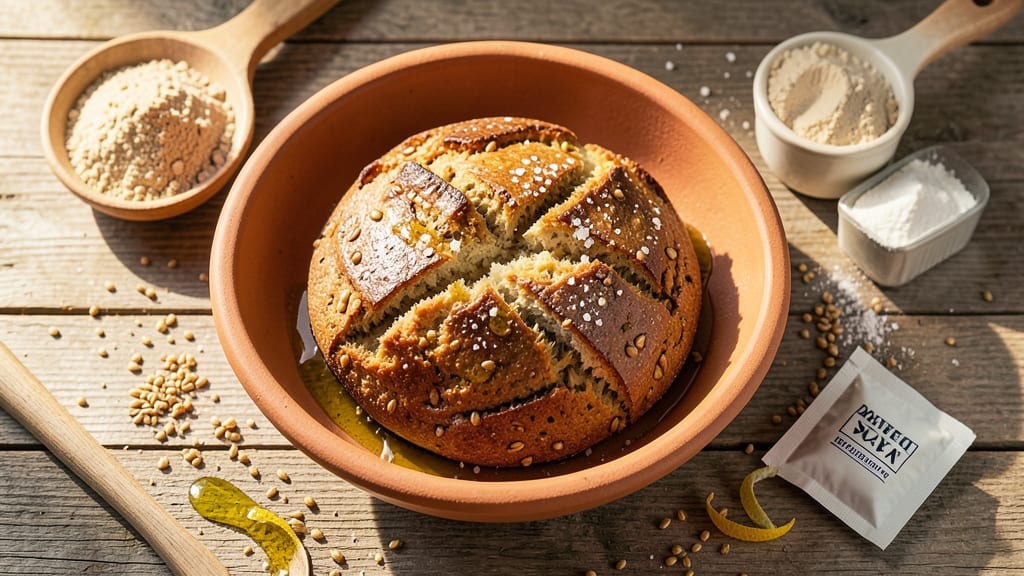
This Arabic barley bread recipe brings the warm, spiced aroma of Middle Eastern kitchens to your home baking. The secret lies in the combination of whole barley flour and traditional spices like anise and cumin, creating a loaf with a distinctive crumbly texture and nutty depth.
I developed this version after years of studying authentic techniques—from the precise dough hydration to the gentle shaping that prevents tearing.
The bread’s signature qualities come from careful preparation: a slow fermentation allows the gluten to relax, while rolling the dough by hand (or with a rolling pin) creates those signature thin, puffed layers.
Unlike commercial breads, this version stays fresh longer and absorbs flavors beautifully when used for dipping in olive oil or pairing with spiced stews. The aroma alone transforms any meal into something special.
What makes this recipe stand out is its balance of tradition and approachability. While it requires patience—particularly during the proofing stage—each step builds toward a loaf that’s both rustic and refined.
The final result is a bread with a crisp exterior, tender interior, and subtle spice notes that linger with every bite. Perfect for serving with mezze platters or as a centerpiece for family gatherings.
For those new to Middle Eastern baking, don’t be intimidated by the process. The key is attention to detail—from measuring ingredients precisely to monitoring the oven temperature closely. With practice, you’ll achieve that authentic, fragrant loaf that’s as much a part of the meal as the dishes it accompanies.
Let’s get started on creating this timeless staple.
Ingredients for arabic barley bread
Authentic Middle Eastern spices and whole barley flour create this fragrant, crumbly loaf with nutty depth.
| Ingredient | Amount | Notes |
|---|---|---|
| Whole Barley Flour 🌾 | 3 ½ cups | High-protein, stone-ground preferred |
| All-Purpose Flour 🌾 | 1 ½ cups | For structural balance |
| Active Dry Yeast 🍞 | ¼ oz | Fresh yeast preferred if available |
| Granulated Sugar 🍚 | ½ tbsp | Feeds yeast for activation |
| Warm Water 💧 | 1 ¼ cups | 110°F for optimal yeast activity |
| Extra-Virgin Olive Oil 🫒 | ½ cup | High-quality, fruity variety |
| Salt 🧂 | 1 ½ tsp | Diamond Crystal preferred |
| Ground Cumin 🌿 | 1 tsp | Toasted for deeper aroma |
| Ground Anise Seeds 🌶️ | ½ tsp | Licorice flavor profile |
| Ground Coriander 🌿 | ½ tsp | Freshly ground preferred |
| Sesame Seeds 🌰 | 1 tbsp | Toasted for garnish |
| Poppy Seeds 🌱 | 1 tbsp | Optional for texture |
Barley flour is the heart of this bread, so source it from specialty mills like Bob's Red Mill or King Arthur Flour for optimal texture. The whole grain adds a rustic crunch and absorbs moisture differently than refined flour—expect a denser, more substantial crumb. For yeast, fresh packets from the refrigerated section (not the dry baking aisle) yield better results, though active dry works fine. The spice blend requires precision: toast whole cumin seeds in a dry pan for 30 seconds before grinding to unlock their aromatic oils. Anise seeds can be tricky to find ground—buy whole seeds and crush lightly to avoid bitterness.
No whole barley flour? Substitute with whole wheat flour at 1:1 ratio, though the texture will be slightly denser. Running short on anise? Star anise powder at half the amount provides a similar licorice note. For sesame seeds, toasted poppy seeds at equal measure offer a comparable crunch. The olive oil matters here—avoid light or refined oils that lack fruity depth. If you must, avocado oil works in a pinch, but the flavor won't be as authentic. For proofing, use a warm oven with a bowl of hot water to create a humid environment if your kitchen is dry.
Store the loaf wrapped in a clean kitchen towel inside an airtight container for 3-4 days to maintain freshness. For longer storage, slice and freeze portions—toast directly from frozen for crispy results. The dough can be refrigerated overnight (up to 12 hours) for easier handling, though it requires additional proofing time. When serving, brush warm slices with olive oil and sprinkle with flaky salt for an authentic touch. The bread's flavor intensifies over 24 hours, making it perfect for preparing ahead of gatherings.
Why You'll Love This Recipe
- No-Knead Magic: Honestly, I mix the dough in 10 minutes flat—no stand mixer, no fancy tools. The barley flour does most of the work, keeping it tender without fuss.
- Earthy Crunch: That barley flour gives it a nutty bite, while the yeast keeps it light. Toast it, and it’s got this addictive crunch—like a cross between pita and a cracker.
- Meal Prep Hero: I bake a big batch on Sunday, slice it thin, and it lasts all week. Freezes like a dream too—just reheat for fresh bread anytime.
- Budget Stretch: Barley flour’s cheap, and this recipe makes enough to feed four. Leftovers? Wrap them in foil and toss in a lunchbox—no sad, stale bread here.
Step-by-step instructions for Arabic barley bread
Master this traditional technique for a bread with nutty depth, fragrant spices, and a signature crumbly texture.
Activate the Yeast for Maximum Rise
In a small bowl, combine the 1.25 cups warm water (should feel like bathwater, not hot to the touch) with the 0.5 tbsp granulated sugar and 0.25 oz active dry yeast. Let this sit for 10-15 minutes until you see frothy bubbles forming on the surface. This indicates the yeast is alive and ready to work.
The sugar feeds the yeast, while the warm water creates ideal conditions for activation. If no bubbles form after 15 minutes, your yeast may be dead—start fresh with a new packet. Once properly activated, the mixture should look like a light, bubbly beer. This active yeast mixture forms the foundation of your bread's airy structure.
Mix the Wet and Dry Ingredients
In a large mixing bowl, combine the 3.5 cups whole barley flour, 1.5 cups all-purpose flour, 1.5 tsp salt, 1 tsp ground cumin, 0.5 tsp ground anise seeds, and 0.5 tsp ground coriander. Create a well in the center and pour in the yeast mixture and 0.5 cup extra-virgin olive oil. Using a wooden spoon or dough whisk, gently mix until a shaggy dough forms.
I like to mix just until the ingredients come together—overworking at this stage develops gluten too early, which can make the final bread dense. The dough should be sticky but manageable. If it's too stiff, add 1-2 tablespoons of warm water; if too wet, add 1 tablespoon of flour. The barley flour will make this dough particularly dense initially, but that's normal.
Knead for Optimal Texture
Turn the dough onto a lightly floured surface and knead for 8-10 minutes by hand, or use a stand mixer with a dough hook on medium speed for 5-6 minutes. You're looking for smooth, elastic dough that springs back when poked. The barley flour will make this dough less elastic than traditional bread, so don't be surprised if it feels slightly resistant.
During kneading, the gluten develops just enough to give structure while maintaining that signature crumbly texture. If the dough feels too sticky, wet your hands slightly and continue kneading. Once properly kneaded, the dough should be soft but not tacky. Divide the dough into 4 equal pieces (about 8 ounces each) and cover with a damp towel to prevent drying while you shape them.
Shape and Proof the Dough
On a floured surface, shape each piece into a round loaf about 3 inches in diameter. Press your thumb into the center to create a slight indentation—this traditional technique helps the bread expand properly during baking. Place the shaped loaves on a parchment-lined baking sheet, cover with a damp towel, and let them proof in a warm place for 1-1.5 hours, or until they've doubled in size.
For best results, create a warm environment by placing the baking sheet in a slightly turned-off oven with a bowl of hot water on the bottom rack. The dough should puff up noticeably and feel springy to the touch when pressed gently. This proofing step develops the bread's airy texture while allowing the flavors to meld. The warm, spiced aroma will fill your kitchen—this is where the magic happens.
Bake for Crispy Exterior and Crumbly Interior
Preheat your oven to 375°F. Brush the tops of the loaves with a little water, then sprinkle with 1 tbsp sesame seeds and 1 tbsp poppy seeds. Bake for 25-30 minutes until the tops are deep golden brown and the internal temperature reaches 190°F. The bread should sound hollow when tapped on the bottom.
This baking time ensures a crispy exterior while maintaining the bread's characteristic crumbly interior. The seeds will toast beautifully, adding both texture and visual appeal. For extra crispiness, you can transfer the baked loaves to a wire rack and bake for an additional 5-10 minutes. Let the bread cool completely on a rack before slicing—this prevents a gummy texture and allows the flavors to fully develop.
Pro Tips For Making Arabic Barley Bread
- Mix the Barley First: Sift the whole barley flour separately and whisk it into the wet ingredients before adding the all-purpose flour—this prevents clumping and ensures the barley’s earthy flavor distributes evenly. I learned this the hard way after pulling apart a dense, gummy loaf.
- Proof the Yeast Slowly: Dissolve the sugar in the warm water first (90°F/32°C), then sprinkle the yeast on top and let it sit for exactly 10 minutes—no longer, or it’ll overproof and die. I used to rush this, and my dough never rose properly.
- Knead Just Until Smooth: Stop kneading when the dough pulls cleanly away from the bowl and springs back slightly—overworking it turns the barley flour into a gummy mess. About 8-10 minutes by hand is enough; don’t obsess over perfection.
- Shape Loaves Tightly: Roll the dough into a tight, round loaf (not oval) and tuck the seam underneath—this keeps the barley bread from spreading too much in the oven. My first attempts looked lopsided until I realized the shape matters more than the size.
Serving suggestions for arabic barley bread
Olive Oil Dipping
Brush warm slices with extra-virgin olive oil and sprinkle with flaky sea salt for the classic Arabic presentation. I love using California Gold olive oil with its fruity notes—it enhances the bread’s nutty barley flavor beautifully.
Serve with a small bowl of infused oil (add 1 crushed garlic clove and ½ tsp red pepper flakes to ½ cup oil) for dipping. 🫒
Mezze Pairings
This bread shines with traditional Middle Eastern spreads. Pair with hummus (use chickpeas from Trader Joe’s for creaminess), baba ganoush (roasted eggplant dip), or labneh (strained yogurt cheese). For a vegetarian option, add roasted red pepper and walnut salad with lemon dressing. The bread’s crumbly texture soaks up flavors perfectly.
Spiced Stew Companion
Serve alongside lentil stew or chicken shawarma—the bread’s subtle anise and cumin notes complement rich, savory dishes. I often make a quick spiced tomato sauce> by simmering 1 can San Marzano tomatoes, 1 tsp cumin, and ½ tsp smoked paprika for dipping.
The bread’s hearty texture holds up to hearty soups.
Breakfast Serving
Toast slices and top with scrambled eggs, crumbled feta, and sliced tomatoes>. The barley’s nuttiness balances the egg’s richness, while the seeds add crunch.
For a sweet twist, spread with whipped goat cheese and drizzle with honey>. This breakfast version becomes a family favorite within minutes. ✨
Garnish Like a Pro
Before serving, dust the warm bread with toasted sesame seeds and a pinch of ground sumac> for a restaurant-quality finish. For extra flair, sprinkle edible gold leaf> (available at specialty stores) over the center of each loaf.
The visual contrast makes it feel like a special occasion dish every time.
Make-Ahead Tips
Prepare the dough 12 hours ahead and refrigerate—it develops deeper flavor overnight. Reproof at room temperature for 1 extra hour before baking. For gatherings, bake extra loaves, cool completely, wrap in beeswax wrap, and freeze.
Reheat in a 350°F oven for 10 minutes> to restore crispiness. The bread tastes even better the next day! 💫
Nutrition facts
Frequently asked questions
Why does this barley bread have a crumbly texture?
The signature crumbly texture comes from using whole barley flour (not refined flour) and the traditional shaping technique. Barley's natural bran content creates a denser, more rustic crumb, while the gentle shaping (without over-kneading) preserves that characteristic crumble. This is different from most Western breads that rely on high gluten development for softness.
Can I substitute barley flour with whole wheat?
Yes, but expect a slightly denser result. Use a 1:1 substitution of whole wheat flour for barley, but reduce the water by 1-2 tablespoons since whole wheat absorbs less moisture. The flavor will be nuttier but less distinct—barley's unique earthy notes come from its specific protein structure. For best results, source stone-ground barley flour from specialty mills.
How do I know when the dough is properly kneaded?
The dough should be smooth, elastic, and spring back slowly when poked (about 1-2 seconds). With barley flour, it won't be as stretchy as wheat dough—think "soft but slightly resistant" rather than "bouncy." Test by dimpling your finger: if the indentation stays for 10 seconds before slowly filling, it's ready. Over-kneading develops too much gluten, which can make the bread tough.
What if my bread turns out too dense?
Density usually means either over-kneading or insufficient proofing. For next time: reduce kneading to 5-6 minutes (by hand) and ensure proofing in a warm (80°F) environment for 1.5 hours. Also check your yeast—if it didn't bubble properly in the activation step, it may not have risen enough. Try using fresh yeast or proofing the dough in a slightly turned-off oven with a bowl of hot water.
Can I make this bread without a rolling pin?
Traditional methods often use just hands. After shaping the rounds, gently press and stretch the dough between your palms to thin the edges slightly. For extra authenticity, use a wooden dough scraper to create thin, puffed layers by pressing down firmly and lifting. The key is patience—work in short sessions to avoid overheating the dough with your hands.