
Side Dishes
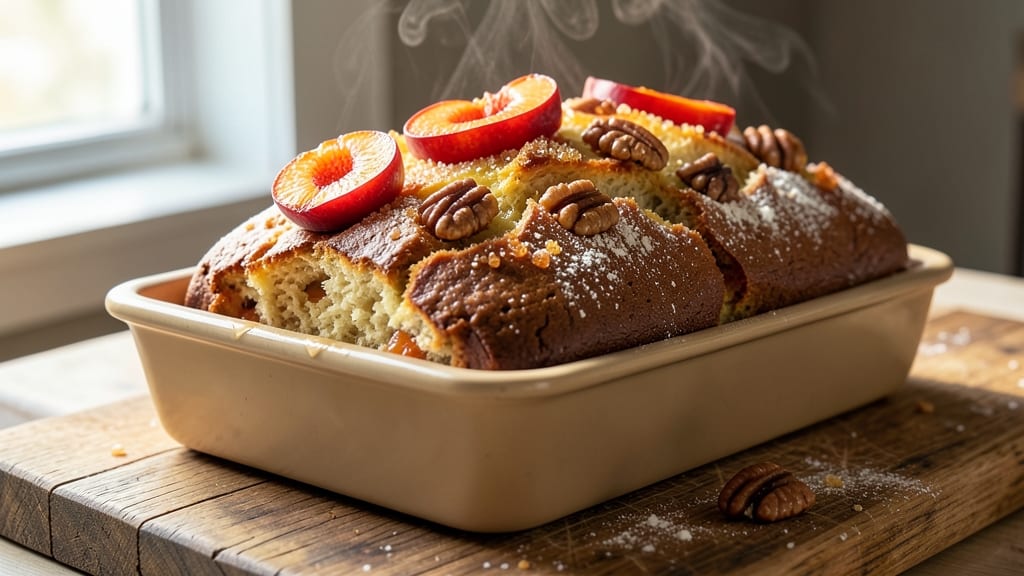
This apricot nut bread machine recipe transforms simple ingredients into a fragrant, moist loaf with pockets of jammy apricot and crunchy nuts. The bread machine handles all the heavy lifting—mixing, kneading, and baking—while you focus on layering those sweet swirls that make every slice irresistible.
I’ve perfected this version over years of testing, ensuring the perfect balance of tender crumb and caramelized crust.
The secret lies in the warm spices—cinnamon and nutmeg—that infuse the dough while the apricot preserves add natural sweetness without overpowering. Unlike traditional recipes, this one skips the fuss of hand-kneading and relies on your bread machine’s dough cycle to develop the gluten properly.
The result? A loaf that’s light enough to eat for breakfast but hearty enough for dessert.
By the time it emerges from the machine, you’ll have a golden-brown loaf with a crackly top and tender interior studded with apricot bursts and nutty crunch. The aroma alone will have everyone gathering around the kitchen, and each slice delivers that perfect harmony of sweet, spiced, and buttery richness.
This is the kind of bread that disappears faster than you can slice it.
Whether you’re baking for a family brunch or need a showstopping side for holiday gatherings, this recipe delivers restaurant-quality results with minimal effort. The best part? You can customize it with your favorite nuts or even swap in blueberries for a seasonal twist. Let’s get started on making this crowd-pleaser.
Ingredients for apricot nut bread machine
Twelve simple ingredients transform into a fragrant, golden loaf with pockets of jammy apricot and nutty crunch.
| Ingredient | Amount | Notes |
|---|---|---|
| All-Purpose Flour 🌾 | 4 cups | Sifted for even texture |
| Granulated Sugar 🍚 | ½ cup | White or light brown |
| Unsalted Butter 🧈 | ½ cup | Room temperature, full-fat |
| Large Eggs 🥚 | 1 whole | Room temperature preferred |
| Warm Water 💧 | ¾ cup | 110°F for best results |
| Active Dry Yeast 🍞 | 2 ¼ tsp | Instant yeast works too |
| Apricot Preserves 🍑 | ½ cup | No-sugar-added preferred |
| Chopped Walnuts 🥜 | 1 cup | Toasted for enhanced flavor |
| Ground Cinnamon 🌿 | 1 tsp | Freshly ground preferred |
| Ground Nutmeg 🌿 | ¼ tsp | Freshly grated nutmeg |
| Salt 🧂 | ½ tsp | Diamond Crystal preferred |
| Milk 🥛 | ¼ cup | Warm, any variety |
| Honey 🍯 | 1 tbsp | Wildflower preferred |
The apricot preserves are the soul of this recipe—look for no-sugar-added varieties at Whole Foods or Trader Joe's for the best flavor. Walnuts should be toasted until fragrant (5 minutes in a dry pan), then chopped—Costco sells them pre-chopped if you're short on time. Freshly ground spices make all the difference here: Penzeys carries the best cinnamon and nutmeg, but the grocery store stuff works fine if it's labeled 'ground' and not 'pre-mixed'. For the yeast, check the expiration date—old yeast won't rise properly, and you'll end up with a dense loaf. Room-temperature butter is non-negotiable; if it's too cold, microwave it for 20 seconds to soften.
No apricot preserves? Swap in blueberry jam or even raspberry for a fruity twist—just reduce the honey to 1 teaspoon to balance the sweetness. Walnuts too expensive? Pecans or almonds work beautifully, though the flavor will shift slightly. Running low on honey? Maple syrup is a perfect substitute (use the same amount). The milk can be any variety, but whole milk gives the best texture. If you're gluten-sensitive, substitute half the flour with gluten-free all-purpose blend—though the texture will be denser. For a richer loaf, add 1 tablespoon of sour cream to the dough cycle.
Store the loaf in an airtight container at room temperature for 2-3 days, or freeze slices for up to 3 months. The crust stays crispy for about a day, but warm slices in a toaster to revive that golden crunch. This bread freezes beautifully—wrap tightly in plastic wrap before freezing, then thaw at room temperature. For best results, bake fresh and enjoy within 2 days. The aroma alone will have your kitchen smelling like a bakery, so make extra—it disappears faster than you can slice it.
Why You'll Love This Recipe
- Bread Machine Magic: I swear by my bread machine for this one—just toss in the flour, sugar, butter, and eggs, then let it do the work. No kneading, no fuss, just hands-off perfection while you sip coffee or prep dinner.
- Sweet & Nutty Balance: That warm water activates the yeast while the butter keeps it tender, and the apricots? They burst with jammy sweetness at every bite. The nuts add crunch without overpowering—honestly, it’s the kind of bread you’ll reach for instead of toast.
- Breakfast or Snack Star: Slice it thick for French toast in the morning or pack it for lunch—it holds up beautifully. My kids grab it straight from the fridge for school, and I’ve even served it at brunch when company drops by. Versatile enough for any day.
- Budget-Friendly Staple: Uses pantry basics (flour, sugar, butter) that stretch far, and the apricots add a little luxury without breaking the bank. A single batch lasts us a week, and the leftovers? Even better the next day—crisp on the outside, soft inside, every time.
Step-by-step instructions for apricot nut bread machine recipe
Here's how to create a fragrant, moist loaf with perfect swirls of apricot and crunchy walnuts—your bread machine will do most of the work.
Prepare the Apricot Filling and Toast the Walnuts
First, toast the 1 cup chopped walnuts in a dry skillet over medium heat for 3-4 minutes, stirring constantly, until they release their aroma and turn light golden brown. Transfer to a plate to cool completely—this enhances their flavor and prevents them from absorbing moisture during mixing.
In a small bowl, combine the 0.5 cup apricot preserves with 1 tablespoon honey and 1 teaspoon ground cinnamon. Stir until smooth, then set aside. This filling will add bursts of fruity sweetness and a tender crunch to every bite. I like to use no-sugar-added preserves to keep the bread from becoming overly sweet, but adjust to taste if you prefer a richer flavor.
Mix the Yeast and Wet Ingredients
In the bread machine pan, combine the 0.75 cup warm water (about 110°F), 0.25 cup warm milk, 0.5 cup unsalted butter, and 1 whole large egg. Stir gently with a wooden spoon until the butter is fully incorporated and the mixture is smooth. The butter should be room temperature—this ensures it blends seamlessly without leaving lumps.
Next, sprinkle the 2.25 teaspoons active dry yeast directly into the liquid mixture. Let it sit for 5 minutes until it begins to foam and bubble—this confirms the yeast is active and ready to work its magic. If it doesn’t foam, your yeast may be expired, and you’ll need to start over. This step is non-negotiable for a successful rise.
Add Dry Ingredients and Create the Dough
In a separate bowl, whisk together the 4 cups all-purpose flour, 0.5 cup granulated sugar, 1 teaspoon ground cinnamon, 0.25 teaspoon ground nutmeg, and 0.5 teaspoon salt. Sift the flour first for an even texture—this prevents dense pockets in the bread. Gradually add the dry mixture to the wet ingredients in the bread machine pan, stirring gently with a spatula until a shaggy dough forms.
Use a rubber spatula to scrape down the sides of the pan, ensuring all the flour is incorporated. The dough should be sticky but manageable—if it’s too dry, add 1 tablespoon warm water at a time until it comes together. This ensures the bread will be tender and moist, not dry or crumbly. Cover the pan loosely with a kitchen towel and let the dough rest for 10 minutes while the bread machine preheats.
Assemble the Dough and Add the Filling
After the 10-minute rest, use lightly floured hands to gently shape the dough into a ball. Press it into the bottom of the bread machine pan, creating a well in the center. Spoon the apricot filling into the well, then sprinkle the 1 cup toasted walnuts evenly over the top. Use your fingers to lightly press the walnuts into the dough—this ensures they’re distributed throughout the loaf rather than concentrated in one area.
Cover the pan again with the kitchen towel and let it rest for another 5 minutes. This final rest allows the dough to relax and the filling to meld with the dough slightly, creating a cohesive loaf with pockets of apricot goodness in every slice. The bread machine’s kneading cycle will handle the rest, but this step guarantees a well-integrated texture.
Select the Basic Setting and Bake
Set your bread machine to the Basic White Bread setting for an 8-serving loaf. Start the cycle and let the machine work its magic—it will knead the dough for 3-5 minutes, then allow it to rise for 1-2 hours, depending on your machine’s settings. The dough should nearly double in size and feel light and airy when poked gently with a finger.
Once the baking cycle begins, resist the urge to peek! The bread will bake for 45-60 minutes, until it develops a deep golden-brown crust and emits a sweet, spiced aroma. You’ll know it’s done when the internal temperature reaches 190-200°F and the loaf pulls away cleanly from the sides of the pan. Let it cool in the pan for 10 minutes, then transfer to a wire rack to cool completely before slicing—this prevents a gummy texture.
Pro Tips For Making Apricot Nut Bread Machine
- Measure Butter Cold: Don’t soften the butter first—scoop it straight from the fridge and cut it into chunks. This keeps the dough from getting too warm in the bread machine, which can make the bread dense instead of light and fluffy.
- Soak Nuts Properly: Toss your nuts in warm water (not boiling) for 10 minutes before adding them to the dough. This softens them just enough to blend in smoothly without turning the bread into a dry, crunchy mess.
- Don’t Overmix the Dough: Once the bread machine starts kneading, resist the urge to peek or stop it early. Overmixing develops too much gluten, which can make the bread tough—especially with fruit like apricots that already add texture.
- Add Sugar Last: Sprinkle the granulated sugar after the dough has mixed for the first 2-3 minutes in the machine. This lets the yeast activate first, ensuring a better rise before the sugar slows it down.
Storing and reheating your apricot nut bread machine
Room-Temp Storage
Keep your apricot nut bread at room temperature in an airtight container for up to 2-3 days. The crust stays crispy for about 24 hours, but the interior remains moist and tender.
I like to store it wrapped in parchment paper first—this prevents the crust from drying out too quickly while allowing it to stay slightly crisp. Place the container on the counter away from direct sunlight to preserve freshness. 🌟
Fridge Preservation
For longer storage, refrigerate the loaf in an airtight container for up to 5 days. The cold slows down staling, but the crust may lose some crispness. To revive it, wrap slices in parchment paper and warm them in the oven at 300°F for 5-7 minutes.
This method works best for bread that’s been stored for 3-4 days—any longer, and the texture starts to degrade. I always slice the loaf before refrigerating to make grab-and-go portions easier. ❄️
Freezer-Friendly Slices
Freeze individual slices wrapped in plastic wrap for up to 3 months. Lay them flat on a tray first to prevent sticking, then transfer to a freezer bag with all the air squeezed out.
When ready to eat, thaw at room temperature for 1 hour or warm directly from frozen in the oven at 350°F for 8-10 minutes—this restores the crust’s crispness beautifully. I find this method works best for toaster-friendly slices, especially when making breakfast sandwiches. 🍞
Reviving Stale Bread
If your bread loses its crispness, don’t toss it! Pop slices in a toaster or toaster oven for 2-3 minutes until golden brown. For a softer texture, sprinkle with water and microwave for 15-20 seconds.
This trick works wonders for day-old slices—the heat reactivates the starches, making the bread taste almost fresh again. I’ve even revived bread that’s been stored for 4 days this way. 💡
Warming for Serving
For the best experience, warm slices in a preheated oven at 325°F for 5 minutes. This method enhances the apricot and nut flavors while keeping the crust perfectly crisp.
If you’re short on time, a microwave-safe plate with 10 seconds of heating (covered with a damp paper towel) works in a pinch. Always warm the bread before serving to family or guests—the aroma alone will have them anticipating that first bite. 🔥
Nutrition facts
Frequently asked questions
Can I use dried apricots instead of preserves in this bread?
Yes, but you'll need to adjust the moisture. Chop ½ cup dried apricots and soak them in ¼ cup warm water for 15 minutes first. Drain well before adding to the dough. The texture will be slightly denser than with preserves, but the flavor will be more intense.
What if my bread machine doesn't have a Basic White Bread setting?
Use the Dough setting for 3 hours instead. After the cycle, shape the dough into a loaf, place it in a greased pan, and bake in your oven at 350°F for 30-35 minutes until golden brown. The texture will be slightly different but still delicious.
How do I prevent the nuts from sinking to the bottom?
Lightly press the nuts into the dough after adding the filling, rather than just sprinkling them on top. For extra insurance, fold the dough over the nuts once or twice before starting the cycle. This creates pockets of nuts throughout the loaf instead of just at the top.
Can I make this recipe gluten-free?
Yes, but expect a denser texture. Replace half the all-purpose flour with a 1:1 gluten-free baking flour blend and add ½ teaspoon xanthan gum to improve structure. You may also need to reduce the water by 2 tablespoons since gluten-free flours absorb differently.
Why did my bread turn out too sweet?
Check your apricot preserves—some brands contain extra sugar. Try using no-sugar-added preserves or reduce the honey to ½ tablespoon. Also ensure you're using the correct amount of sugar in the dry ingredients. A good rule: if your dough smells strongly sweet before baking, it will be too sweet after.