
Desserts
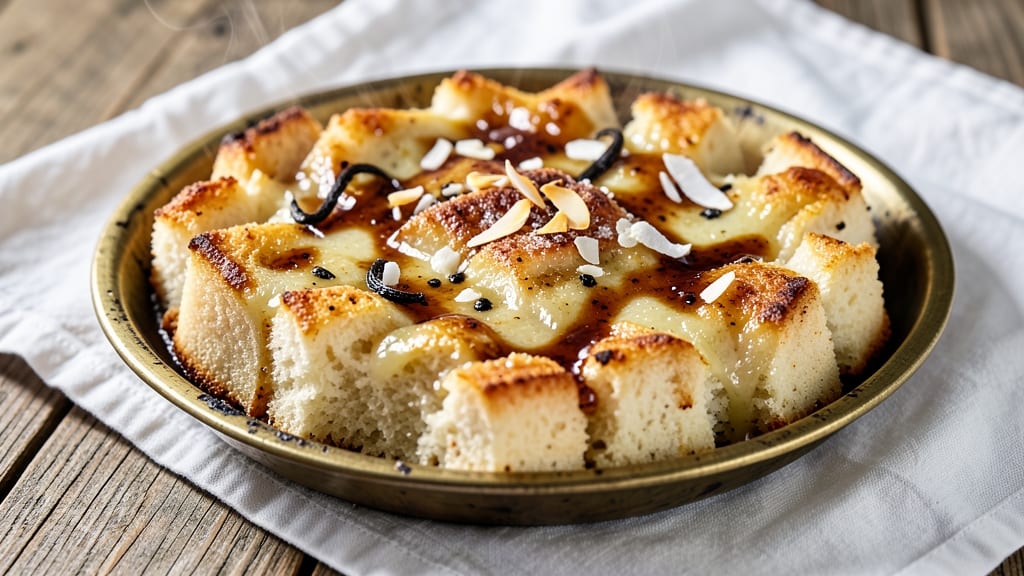
This Antigua bread pudding recipe transforms humble stale bread into a rum-infused, caramelized masterpiece that tastes like Caribbean comfort.
The secret lies in slow-soaking day-old bread cubes in a spiced custard mixture, then baking until golden and fragrant—where every bite delivers creamy custard, warm spices, and just enough rum to transport you to Antigua's shores.
I've perfected this version over years of testing, ensuring the perfect balance of richness and subtle boozy warmth that defines island-style desserts.
The magic begins with the custard base—vanilla, cinnamon, and nutmeg create aromatic depth while eggs bind everything together into a luscious, silky-smooth texture.
Unlike traditional bread puddings, this recipe incorporates a touch of dark rum not just for flavor but for that signature island character, though you can easily adjust or omit it.
The slow baking process allows the bread to absorb the custard completely, resulting in a dessert that's tender yet sturdy enough to slice neatly.
What you'll end up with is a dessert that's equal parts comforting and impressive—a caramelized crown with crisp edges and a custardy center that's dangerously addictive.
The aroma alone will have everyone gathering in the kitchen, and the first bite delivers that perfect harmony of warm spices, creamy texture, and just the right amount of rum warmth. This isn't just dessert; it's an experience that tastes like vacation.
Perfect for family gatherings, holiday feasts, or when you simply need a taste of the Caribbean. The recipe scales beautifully, and leftovers reheat wonderfully—though I guarantee they won't last that long. Here's how to make it, step by step.
Ingredients for antigua bread pudding
Transform stale bread into Caribbean-inspired comfort with these aromatic, rum-infused ingredients.
| Ingredient | Amount | Notes |
|---|---|---|
| Stale White Bread 🍞 | 12 cups | Day-old, crusts removed, cubed |
| Large Eggs 🥚 | 6 whole | Room temperature for best blending |
| Heavy Cream 🥛 | 2 cups | Full-fat for rich texture |
| Whole Milk 🥛 | 1 cup | Warmed slightly for custard |
| Dark Brown Sugar 🍬 | 1 ½ cups | Packed, for caramelized depth |
| Pure Vanilla Extract 🌿 | 2 tbsp | High-quality, Madagascar preferred |
| Ground Cinnamon 🌶️ | 2 tbsp | Freshly ground for aroma |
| Ground Nutmeg 🌿 | 1 tsp | Freshly grated for warmth |
| Dark Rum 🍹 | ½ cup | Optional, 40% ABV preferred |
| Unsalted Butter 🧈 | ½ cup | Melted, for richness |
| Granulated Sugar 🍬 | ¼ cup | For caramelized topping |
| Flaky Sea Salt 🧂 | 1 tsp | For finishing touch |
| Chopped Walnuts 🌰 | ½ cup | Toasted, for texture contrast |
The bread is the star—day-old loaves with sturdy crusts work best. French or sourdough adds depth, but any white bread will do. I always buy extra at Whole Foods or Trader Joe's because stale bread is perfect for this. Cube it yourself for even soaking—no sad pre-cubed packages here. For the rum, Appleton Estate or Diplomático elevate the flavor, but any dark rum works. The secret to the custard? Warm the milk and cream slightly—just enough to feel cozy in your hands. Nutmeg is non-negotiable; freshly grated from a block makes all the difference.
No rum? Substitute orange liqueur or extra vanilla—the boozy warmth is key but not mandatory. Short on brown sugar? Light and dark combined works, but packed brown sugar gives that signature molasses depth. The walnuts can be skipped, but toasting them first (5 minutes in a dry pan) adds a nutty crunch that balances the custard's richness. For the butter, Plugrá or Land O'Lakes are reliable, but any unsalted works—just don't use salted. The vanilla extract? Madagascar bourbon or Tahitian adds complexity, but pure vanilla is fine if that's what you've got. And if you're feeling fancy, a pinch of cardamom in the custard takes it to another level.
This dessert reheats like a dream—just 10 minutes at 350°F until warmed through. Store leftovers covered at room temp for 2 days, or refrigerate for 4 days. For make-ahead magic, assemble the pudding the night before and bake in the morning—the flavors meld beautifully overnight. The caramelized top? Best served fresh, but a quick broil revives it. Freezes for 3 months if you're planning ahead—thaw in the fridge overnight. And trust me, the aroma alone will have your whole house gathering in the kitchen.
Why You'll Love This Recipe
- Pantry Magic: I swear by this recipe—no grocery run needed. That stale bread in your cabinet? Yes, use it. Just tear it up, mix in the eggs and cream, and let the oven do the work. Zero waste, zero fuss.
- Caramel Hugs: The dark brown sugar melts into the bread, creating this insane, buttery-sweet crust at the edges. Honestly, it’s like dessert without the guilt—until you realize you’re eating dessert and breakfast at once.
- Weeknight Hero: Between us, this is my go-to when I’ve got a house full and no time. Bake it once, reheat it for days—it’s the ultimate lazy dinner that somehow feels special. (Yes, even on a Tuesday night.)
- Budget Buster: Eggs, milk, sugar, bread—it’s all stuff you already have. I’ve made this for under $5 per serving, and my kids still beg for seconds. That’s a win in my book.
Step-by-step instructions for Antigua bread pudding
Transform your stale bread into Caribbean-inspired decadence with this rum-infused masterpiece.
Prepare the Bread Base
First, line a 9x13-inch baking dish with parchment paper, leaving an overhang for easy removal. Arrange the 12 cups of cubed stale white bread evenly in the dish, ensuring the pieces are tightly packed—this creates a sturdy structure for soaking up the custard. For that authentic Antigua touch, I like to lightly toast the bread cubes in the oven at 350°F for 5-7 minutes until just golden. This step adds depth of flavor and prevents a gummy texture.
While the bread toasts, melt the 0.5 cup unsalted butter in a small saucepan over low heat, then whisk in the 1.5 cups packed dark brown sugar until fully combined. Let this caramel mixture cool slightly—this will become the soul of your bread pudding, infusing every bite with rich, molasses-like sweetness. The rum adds complexity, so if using, gently warm the 0.5 cup dark rum with the butter-sugar mixture (though it's optional, I highly recommend it for that Caribbean warmth).
Create the Custard Mixture
In a large mixing bowl, whisk together the 6 whole large eggs (room temperature is key for smooth blending), 2 cups heavy cream, 1 cup whole milk, 2 tbsp pure vanilla extract, 2 tbsp ground cinnamon, and 1 tsp ground nutmeg until the mixture is homogeneous and slightly thickened. I use a whisk for this step to incorporate air gently—overmixing can create a dense pudding. The warm milk helps create a luxurious custard texture, so if it's chilled, warm it slightly in the microwave or over a double boiler.
Gradually pour the cooled caramel-rum mixture over the egg mixture while whisking continuously. This gradual incorporation prevents scrambling the eggs and ensures an even distribution of flavor. Taste the mixture at this stage—it should be sweet, spiced, and just slightly boozy. The custard should coat the back of a spoon but still flow smoothly. If it's too thick, add 1-2 tablespoons of milk to reach the perfect pouring consistency.
Assemble and Bake the Bread Pudding
Pour the custard mixture evenly over the toasted bread cubes, pressing down gently to ensure every piece is saturated. Let it rest for 10-15 minutes—this allows the bread to absorb the custard fully without creating a watery mess in the oven. Sprinkle the 0.5 cup toasted chopped walnuts evenly over the top for that delightful crunch contrast. The walnuts should be toasted separately in a dry skillet over medium heat for 3-4 minutes until fragrant and golden.
Preheat your oven to 350°F and bake the bread pudding for 45-50 minutes until the top is golden brown and the center is just set (a knife inserted should come out clean, but with slight resistance). The edges should pull away slightly from the parchment paper, indicating it's ready. If the top browns too quickly, tent loosely with foil during the last 10 minutes of baking to prevent over-browning while allowing the center to cook through.
Finish with Caramelized Topping
While the pudding bakes, prepare the caramelized topping by melting the remaining 0.25 cup granulated sugar in a small saucepan over medium heat until it turns a deep amber color—about 3-4 minutes. Immediately pour this sugar over the hot pudding, spreading it evenly with a spoon. The sugar will bubble and caramelize quickly, creating a glossy, crackly crust. Sprinkle with 1 tsp flaky sea salt right away while the sugar is still hot—this enhances the caramel's sweetness and adds a sophisticated finish.
Let the bread pudding rest for 10 minutes before serving—this allows the custard to set slightly and makes slicing easier. The pudding should be rich, custardy, and warm throughout, with a perfect balance of rum-spiced sweetness and buttery richness. Serve warm with a dollop of whipped cream or a scoop of vanilla ice cream for the ultimate Antigua-inspired dessert experience.
Pro Tips For Making Antigua Bread Pudding
- SOAK THE BREAD RIGHT: Tear the stale bread into 1-inch chunks and toss them in the egg-milk-cream mixture for at least 30 minutes—preferably overnight. I learned this the hard way: dry bread soaks up liquid unevenly, leaving you with a gummy center and a dry crust. Let it sit long enough, and every bite will be perfectly tender.
- USE WHOLE EGGS, NO SUBSTITUTES: Antigua bread pudding relies on the richness of whole eggs—don’t skimp or use egg whites. The yolks add fat and moisture that make the texture silky, not rubbery. If you’re worried about cost, use fewer eggs but keep them whole; the difference in texture is noticeable.
- BAKE UNTIL THE CENTER JIGGLES: This isn’t a cake—it’s custardy, so pull it out when the edges are set but the middle still wobbles slightly. Stab it with a knife; if it comes out clean but slightly damp, it’s done. Overbaking turns it into a brick, and no one wants that.
- ADD A PINCH OF SALT: The dark brown sugar is sweet enough to make the pudding cloying without it. A half-teaspoon of salt balances the flavor and cuts through the richness—trust me, your taste buds will thank you. Skip this, and you’ll wonder why it tastes "off."
Make-ahead tips for leftovers
Overnight Prep Advantage
The best way to maximize flavor is to assemble this bread pudding the night before baking. After pouring the custard over the bread, cover it tightly with plastic wrap and refrigerate overnight.
The cold slows the custard's cooking process, allowing the bread to absorb the liquid more evenly and develop deeper flavors. When you bake it in the morning, you'll notice the texture is even more tender and the rum aroma more pronounced.
I've found that this overnight step is what transforms a good bread pudding into an exceptional one. 🌙
Freezer-Friendly Assembly
For ultimate convenience, assemble the bread pudding completely and freeze it unbaked. Place the assembled pudding (before adding the caramel topping) in an airtight container with parchment paper between layers if stacking. It keeps for up to 3 months in the freezer.
When ready to bake, thaw in the refrigerator overnight, then bake as directed (add 5-10 extra minutes to the baking time). The texture remains just as luscious as fresh-made, though the caramel topping should always be added fresh after baking. ❄️
Caramel Make-Ahead Hack
Prepare the caramel topping in advance and store it in a small, airtight container at room temperature. This amber sugar mixture keeps for up to 1 week and can be reheated gently in a saucepan before drizzling over the baked pudding.
I like to make a double batch because it's perfect for other desserts too—like drizzling over ice cream or pancakes. Just be sure to reheat it over low heat until it becomes liquid again before using. 🍯
Portion Control Tips
If you're serving this at a gathering, consider baking it in individual ramekins for easy portioning. Use 6-ounce ramekins and reduce the total baking time by about 10 minutes. The smaller size ensures each serving gets perfectly baked without overcooking.
I've also found that baking in ramekins allows for more even caramelization on top. For a festive touch, sprinkle the caramelized sugar while the pudding is still hot in the ramekins—it creates beautiful crackly patterns. 🍽️
Reheating Leftovers
Leftover bread pudding reheats beautifully, but the method matters. For the best results, cover the pudding with foil and warm it in a 350°F oven for 10-15 minutes until heated through. Avoid microwaving—it can make the bread gummy and the custard watery.
If you're short on time, a quick stovetop method works too: place the sliced pudding in a skillet over low heat with 2 tablespoons of cream and warm gently while stirring occasionally. The caramelized topping can be refreshed with a quick broil for 1-2 minutes after reheating. 🔥
Flavor Boosting Overnight
For an extra layer of flavor, add a splash of rum or vanilla to the custard mixture before refrigerating overnight. The alcohol will infuse deeper into the bread, creating a more complex flavor profile.
I like to add 1 tablespoon of rum or vanilla extract to the custard before covering it for the night. This step is optional but makes a noticeable difference in the final product.
The next morning, you'll taste the difference in every bite—like a more intense, aromatic version of the classic. 💛
Nutrition facts
Frequently asked questions
Can I use fresh bread instead of stale bread for this recipe?
Fresh bread works, but stale bread is ideal because it absorbs the custard better without getting soggy. If using fresh bread, spread the cubes on a baking sheet and dry them in a 200°F oven for 10-15 minutes first to mimic the texture of stale bread. This prevents a gummy final result.
How do I make this bread pudding without rum?
Simply omit the rum entirely, or substitute with 1 tablespoon of vanilla extract or orange liqueur for a similar aromatic depth. The warm spices (cinnamon and nutmeg) will still provide the comforting Caribbean flavor profile. For a non-alcoholic twist, try adding 1 teaspoon of orange zest to the custard mixture.
Why did my bread pudding come out dry? Dry bread pudding usually means the bread absorbed too much custard before baking. To fix this,
Can I make this in a smaller baking dish?
Yes! For a 9x9-inch dish, reduce the recipe by about 30% (use 8 cups bread, 4 eggs, 1.5 cups custard mixture, etc.). Bake at 350°F for 35-40 minutes instead. The smaller size ensures even baking without overcooking. Individual ramekins (6-ounce size) work too—reduce quantities by 50% and bake for 25-30 minutes.
What's the best way to store leftovers?
Store in an airtight container at room temperature for 2 days, or refrigerate for 4 days. For longer storage, freeze the baked pudding (without caramel topping) for up to 3 months. Reheat covered in a 350°F oven for 10-15 minutes—never microwave, as it creates a gummy texture. Refresh the caramel topping after reheating for best results.