
Main Courses
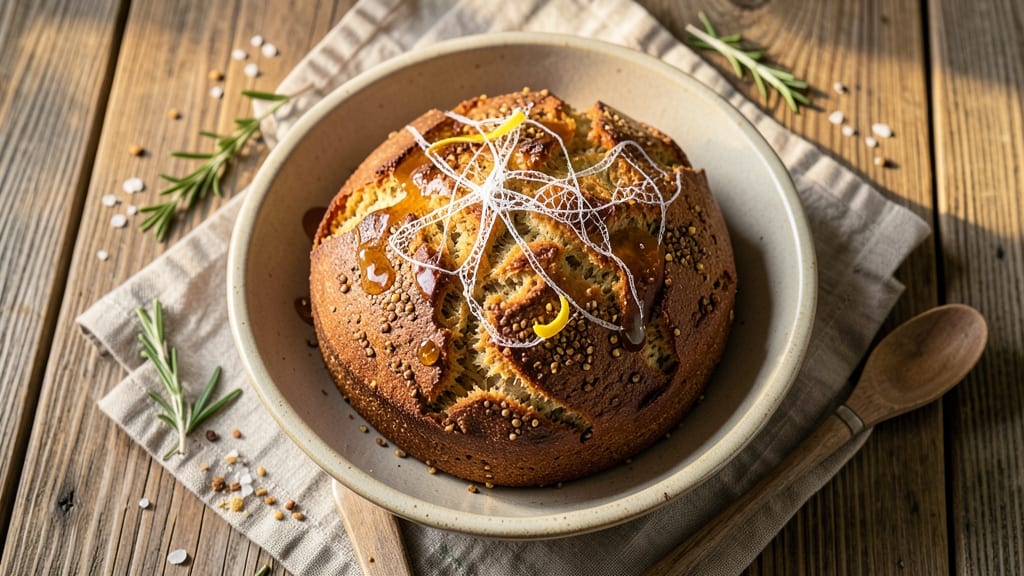
Transforming your bread machine into an ancient grain bakery is simpler than you think, delivering a loaf with a nutty, golden crust and an airy crumb that rivals artisanal bakeries.
This recipe reimagines traditional bread-making by blending whole grains like farro and spelt with modern convenience, creating a texture that's both rustic and refined. The secret lies in precise hydration and kneading cycles that develop gluten without overworking the dough—critical for achieving that signature open crumb structure.
What sets this ancient grain bread machine recipe apart is its ability to balance nutrition with approachability. You'll work with a blend of whole-grain flours that contribute complex flavors and chewy texture, while the bread machine handles the labor-intensive kneading and proofing.
Optional add-ins like flaxseeds or rosemary elevate the flavor profile, but even the basic version delivers impressive results with minimal effort. The crust develops a satisfying crispness while maintaining a tender interior, proving that homemade bread can be both wholesome and indulgent.
By the time your bread machine finishes its cycle, you'll have a loaf that smells like a European bakery—warm, fragrant, and impossible to resist. The nutty undertones from the ancient grains complement the bread's natural sweetness, creating a flavor profile that's far more interesting than standard white or wheat bread.
This recipe transforms a simple kitchen appliance into a tool for creating restaurant-quality bread at home, with none of the fuss.
Whether you're baking for a family gathering or simply craving fresh bread, this method delivers consistent results every time. The beauty of using a bread machine lies in its ability to handle the technical aspects while you focus on perfecting the flavor—through thoughtful ingredient combinations and optional customizations.
Let's get started on creating your perfect loaf.
Ingredients for ancient grain bread recipe for bread machine
Whole grains, yeast, and a touch of honey transform your bread machine into an artisanal bakery.
| Ingredient | Amount | Notes |
|---|---|---|
| Whole Wheat Flour 🌾 | 2 cups | Lightly sifted for even texture |
| Spelt Flour 🌾 | 1 cup | Adds nutty depth to flavor |
| Farro Flour 🌾 | ½ cup | For chewy texture and rustic taste |
| Active Dry Yeast 🍞 | 0.03 oz | 1 packet (2.25g) or 2 1/4 tsp |
| Honey 🍯 | 1 tbsp | Feeds yeast and adds subtle sweetness |
| Warm Water 💧 | 1 ¼ cups | 110°F (43°C) for optimal yeast activation |
| Olive Oil 🫒 | 1 tbsp | Extra-virgin for richness |
| Sea Salt 🧂 | 1 ½ tsp | Diamond Crystal preferred |
| Flaxseeds 🌰 | 2 tbsp | Optional for extra nutrition |
| Dried Rosemary 🌿 | 1 tsp | Crushed for aromatic depth |
| Milk 🥛 | ½ cup | Warmed for tender crumb |
| Cornmeal 🌽 | 1 tbsp | For dusting bread machine pan |
The flours are where the magic happens. Bob's Red Mill is my go-to for spelt and farro—consistent quality every time. If you can't find farro flour, whole farro grains work too (just grind them yourself or buy pre-ground). For the yeast, FreshPaks are ideal but regular dry yeast packets work fine. Look for flours labeled '100% whole grain' to avoid fillers. The honey should be raw and unfiltered—Manuka or clover both add subtle flavor notes. If you're avoiding honey, maple syrup works at the same amount, though it's slightly more liquid.
No spelt flour? Whole wheat berries ground into flour is a decent swap, though the texture will differ slightly. Short on farro? Buckwheat flour at half the amount adds earthiness but lacks the same chew. The flaxseeds are optional but worth it—they add a nice nutty crunch and boost fiber. Golden flaxseeds are milder if you prefer. Rosemary can be swapped for thyme or oregano if you're out, but it's the herb that gives this bread that rustic European feel. The milk adds tenderness—any milk works, even dairy-free options like oat milk, though the crust may be slightly less crisp.
Store your flours in airtight containers in a cool, dark place for up to 3 months. Flaxseeds keep for 6 months in the fridge. The yeast packet should be used within 3 months of opening. For best results, mix the dry ingredients the night before and store in a sealed container—this lets the yeast and honey start activating early. The dough can be shaped and refrigerated overnight for a more flavorful loaf. If you're making this ahead, the crust freezes beautifully—just wrap the cooled loaf in foil and thaw at room temperature.
Why You'll Love This Recipe
- No-Knead Magic: I swear by this—just toss the flours (whole wheat, spelt, farro) and honey into the bread machine, hit start, and walk away. The machine does all the heavy lifting while I sip coffee. (Yes, even on a Tuesday night.)
- Honey-Sweet Nostalgia: That touch of honey? It’s the secret weapon—caramelizing just enough to give each slice a subtle, golden warmth. Honestly, the first time I bit into it, I thought, "This is how bread should taste every day."
- Meal Prep MVP: Slices beautifully for toast, sandwiches, or even croutons—no one will guess it’s packed with nutty farro and chewy spelt. I make two loaves on Sunday and they’re gone by Wednesday. (My kids "accidentally" eat them faster than I can say "leftovers.")
- Budget-Friendly Powerhouse: Ancient grains might sound fancy, but this recipe uses affordable flours you can find at any store. A single batch costs me less than store-bought sourdough, and it keeps for days without getting stale. (Between us, I’ve stretched one loaf into a full week.)
Step-by-step instructions for ancient grain bread machine recipe
Here's how to transform these ancient grains into a loaf with a nutty crust and light interior.
Prepare the Yeast and Wet Ingredients
In a small bowl, combine the 0.03 oz active dry yeast, 1 tbsp honey, and 1.25 cups warm water (around 110°F). Let this sit for 5-10 minutes until the mixture becomes foamy—this confirms your yeast is active. If it doesn't bubble, your yeast may be dead, and you'll need to start over.
In a separate bowl, whisk together the 0.5 cup milk, 1 tbsp olive oil, and 1.5 tsp sea salt until fully combined. This mixture will add richness and help balance the earthy flavors of the ancient grains. The warm milk also creates a tender crumb that's lighter than using just water.
Mix the Dry Ingredients Thoroughly
In the bread machine pan, combine the 2 cups whole wheat flour, 1 cup spelt flour, and 0.5 cup farro flour. Lightly sift each flour separately before adding to ensure even distribution and prevent dense pockets in your bread. The whole wheat and spelt flours add nutty depth, while the farro flour contributes a chewy texture that's characteristic of rustic breads.
Add the 2 tbsp flaxseeds and 1 tsp crushed dried rosemary to the dry mixture. The flaxseeds provide extra fiber and omega-3s, while the rosemary infuses an aromatic depth that pairs beautifully with the ancient grains. Mix these dry ingredients together until evenly distributed throughout the flour.
Combine Wet and Dry Ingredients
Pour the yeast mixture and the milk-olive oil-salt mixture into the bread machine pan with the dry ingredients. Add the 1 tbsp cornmeal as well—this will create a barrier between the dough and the pan, preventing the bread from sticking and promoting even browning. Use a wooden spoon or the bread machine's paddle attachment to mix everything together until no dry spots remain and the dough forms a shaggy mass.
Here's the thing—don't overmix. The bread machine will do most of the work during the kneading cycle, but you want to ensure all ingredients are incorporated now. The dough should be sticky but manageable, with the flours absorbing the moisture completely. If it feels too dry, add 1 teaspoon of warm water at a time until it reaches the right consistency.
Set Up the Bread Machine
Transfer the dough to your bread machine pan, making sure it's centered and not touching the sides. Sprinkle a thin layer of cornmeal over the top of the dough to prevent it from sticking to the pan lid during baking. Select the "Basic White Bread" setting on your bread machine, as this cycle typically includes a proper kneading, rising, and baking sequence.
Start the cycle and let the bread machine do its magic. The machine will automatically knead the dough for about 10 minutes, then allow it to rise until it doubles in size. This process usually takes about 1.5 to 2 hours, depending on your machine and ambient temperature. The dough should be soft and springy when you perform the "poke test"—press your finger gently into the dough; if it springs back slowly, it's ready.
Bake and Finish
Once the bread machine completes its cycle, your loaf will be golden brown with a nutty aroma wafting from the pan. The crust should be crisp and slightly crackled, while the interior should have an open crumb with visible pockets of air. Let the bread cool in the pan for 10 minutes before removing it completely to cool on a wire rack.
This cooling period is crucial—it allows the steam inside the bread to escape gradually, preventing a gummy texture. The ancient grains will continue to release their nutty flavors as the bread cools, making each slice even more delicious. Once fully cooled, slice and serve with your favorite toppings or enjoy it plain to appreciate the full complexity of the ancient grain blend.
Pro Tips For Making Ancient Grain Bread Recipe For Bread Machine
- Measure Flours by Weight: Ancient grains like farro and spelt are dense—scooping them by volume leads to dry, dense loaves. Use a kitchen scale for accuracy: 1 cup of farro flour weighs about 120g, while spelt is lighter at 110g. I learned this the hard way when my first batch turned into a brick.
- Bloom Yeast in Warm Honey: Mix the yeast with the honey and warm water (105°F) first—let it sit for 5 minutes until foamy. This activates it faster and ensures it’s ready to work with the heavy whole wheat and spelt flours. Skipping this step means struggling with a sluggish dough.
- Hydrate the Dough Properly: Ancient grain flours absorb more water than all-purpose. If your dough looks shaggy, add 1-2 tablespoons at a time until it clings to the sides of the bowl but isn’t sticky. Overmixing now = tough bread later.
- Use a Damp Towel for Crust: After the first 10 minutes of baking, cover the loaf with a damp towel. This keeps the crust from drying out too fast, especially with the high fiber content of whole wheat and farro. I was skeptical until I tried it—now it’s non-negotiable.
Essential equipment for this dish
Bread Machine Basics
Your bread machine is the star of this recipe, handling kneading, rising, and baking automatically—but not all machines are created equal. I recommend a Panasonic SD-YD250 or KitchenAid Home Baker for consistent results with whole grains. These models handle dense doughs better than basic models.
If you're using a basic 1.5-pound capacity machine, reduce the farro flour to ¼ cup to prevent overfilling, which can cause uneven baking. Always use the basic white bread setting—it provides the most control over kneading time and temperature. 🌾
Must-Have Tools
Beyond your bread machine, gather these essential tools: a digital kitchen scale (for precise flour measurements—Bob's Red Mill flours can vary in density), a wooden spoon (for mixing without adding extra moisture), and a wire cooling rack (critical for preventing soggy bottoms).
A small mixing bowl and measuring cups are obvious, but I also keep a fine-mesh sieve on hand to sift flours—this prevents lumps that can create dense pockets in your bread. For the crust, a pastry brush lets you apply olive oil or egg wash if you want extra shine.
Flour Prep Station
Ancient grains require special prep to avoid grittiness. I always sift my flours before mixing—this ensures even distribution and prevents dense spots. For farro flour, pulse it briefly in a food processor (about 10-15 seconds) if you notice any coarse bits.
Store your flours in airtight containers (I use OXO Good Grips) to maintain freshness. Pre-measure everything before starting—this keeps your workflow smooth and prevents overmixing. The honey and yeast should be mixed first in a separate bowl to activate the yeast properly before combining with other ingredients. ✨
Pan Prep Secrets
Cornmeal isn't just for dusting—it's your secret weapon against sticking. Lightly coat your bread machine pan before adding ingredients with 1 tbsp cornmeal, then give it a gentle shake to distribute evenly. After the dough rises, sprinkle another ½ tsp cornmeal on top before the final bake.
For an even crisper crust, I brush the risen dough with melted butter (about ½ tsp) right before baking. This adds flavor and promotes browning. Always use the loaf pan that came with your machine—aftermarket pans can conduct heat differently, leading to uneven baking.
Temperature Control
Bread machines typically bake at 350-375°F, but ancient grains need extra care. If your kitchen is above 75°F, reduce the farro flour by 2 tbsp to prevent overproofing. For colder climates, add 1 extra minute to the kneading time (most machines let you adjust this).
I keep a thermometer nearby to check water temperature—110°F is ideal for yeast activation. If your dough feels too sticky after kneading, let it rest in the machine for 5 minutes before baking to help it hold its shape better. 🌡️
Nutrition facts
Frequently asked questions
Can I substitute any of the ancient grains with regular flour?
You can replace up to ½ cup of the spelt or farro flour with all-purpose flour, but this will reduce the nutty flavor and chewy texture. For best results, keep at least 1 cup of the ancient grain blend—this maintains the signature rustic character. If you're avoiding gluten, use a 1:1 gluten-free flour blend, but expect a denser crumb.
Why does my dough feel too sticky after mixing?
Ancient grains absorb more moisture than regular flour, so sticky dough is normal. If it's unmanageable, add 1-2 tbsp more flour (preferably whole wheat) and mix gently. Avoid overworking the dough—the bread machine will handle kneading. For extra insurance, let the dough rest in the machine for 5 minutes before starting the cycle to help it firm up slightly.
Can I make this bread without a bread machine?
Yes! Mix the ingredients as directed, then let the dough rise for 1-2 hours until doubled. Punch it down, shape into a loaf, and bake at 375°F for 35-40 minutes in a greased loaf pan. For a crispier crust, bake on a preheated stone for the last 10 minutes. The texture will be slightly denser than machine-made bread but still delicious.
How do I store or reheat ancient grain bread?
Wrap cooled bread in a clean kitchen towel and store at room temperature for 2-3 days to maintain freshness. For longer storage, freeze slices wrapped in plastic for up to 3 months. To reheat, wrap the bread in foil and warm in a 350°F oven for 5-8 minutes, or use the toaster oven setting for 2-3 minutes. Avoid the microwave—it makes bread gummy.
What if my bread turns out dense instead of light?
Dense bread usually means overproofing or underkneading. Check your yeast (it should be fresh) and water temperature (110°F is ideal). If using a basic bread machine, extend kneading by 2-3 minutes in the machine settings. Also, ensure your flours are sifted and mixed thoroughly—uneven distribution can create dense pockets. For next time, try reducing farro flour by 2 tbsp if your kitchen is warm.