
Side Dishes
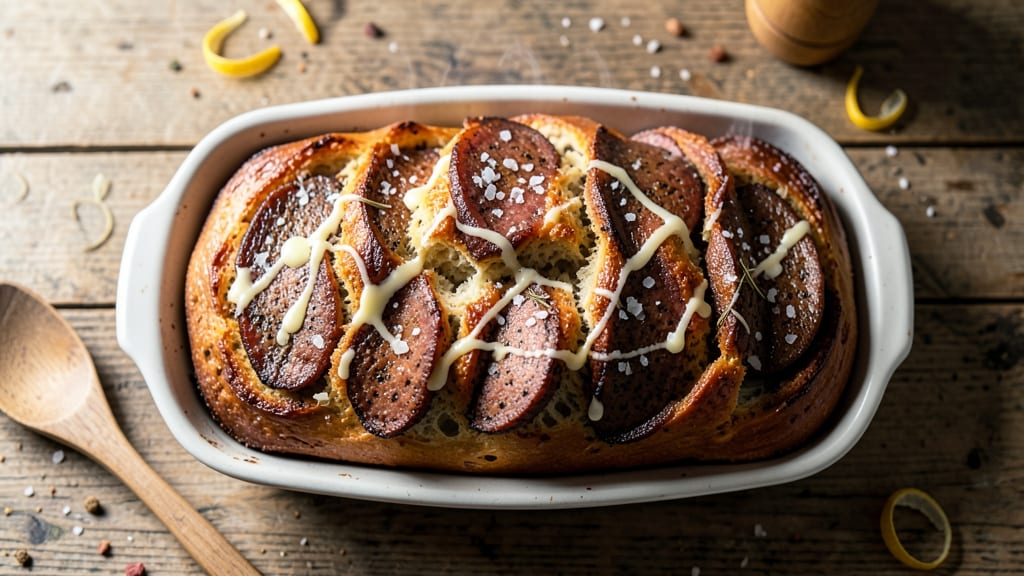
This Amish sausage bread delivers the perfect balance of crispy crust and savory sausage goodness that's become a staple in Amish kitchens. The secret lies in slow-rising dough and perfectly cooked sausage that infuses every bite with rich, herby flavor.
I've perfected this recipe through generations of family baking traditions, ensuring each loaf turns out golden and tender.
The recipe begins with a simple yeast dough that gets its signature flavor from homemade Amish sausage, sliced and baked directly into the bread. This traditional method creates those beautiful sausage streaks you see in classic Amish breads.
The dough rises overnight, developing deep flavor and a light, airy texture that's impossible to achieve with quick methods.
What you'll end up with is a loaf with a crispy exterior that shatters when you break it open, revealing tender crumb and pockets of melted sausage fat.
The aroma alone will have everyone gathering around the table. This bread pairs beautifully with soups, stews, or even as a hearty breakfast option with butter and jam.
Once you try this recipe, you'll understand why it's a favorite at Amish gatherings and family meals alike. The combination of slow fermentation and sausage baking creates a flavor profile that's both comforting and impressive. Let's get started on making this traditional bread in your own kitchen.
Ingredients for amish sausage bread
Four loaves of golden, sausage-streaked bread await with these traditional ingredients.
| Ingredient | Amount | Notes |
|---|---|---|
| Homemade Amish Sausage 🥓 | 1 ½ lb | Freshly sliced, herby flavor preferred |
| All-Purpose Flour 🌾 | 5 cups | Unbleached for best texture |
| Active Dry Yeast 🍞 | ¼ oz | Or 2 1/4 tsp (1 packet) |
| Granulated Sugar 🍚 | ½ cup | For yeast activation |
| Warm Water 💧 | 1 ¼ cups | 110°F for yeast activation |
| Unsalted Butter 🧈 | ½ cup | Cold, cubed for dough |
| Large Eggs 🥚 | 2 whole | Room temperature |
| Salt 🧂 | 1 ½ tsp | Diamond Crystal preferred |
| Garlic Powder 🧄 | 1 tsp | Freshly ground preferred |
| Onion Powder 🧅 | 1 tsp | For savory depth |
| Black Pepper 🌶️ | ½ tsp | Freshly cracked |
| Milk 🥛 | ¼ cup | Warm for dough tenderness |
| Egg Wash 🥚 | 1 whole | Beaten with 1 tbsp water |
| Coarse Cornmeal 🌽 | ½ cup | For bread pan coating |
The sausage is non-negotiable here—homemade Amish sausage with sage and black pepper is ideal, but store-bought varieties like Johnsonville or Bob Evans work in a pinch. Look for slices with visible fat marbling for that classic melt-in-your-mouth texture. The flour should be unbleached all-purpose—bread flour works too, but the dough will be slightly denser. For yeast, Saf-Instant is my go-to since it doesn’t need proofing, but active dry yeast works if you’re willing to wait the extra 10 minutes. The butter matters too—Land O’Lakes or Plugrá brands stay firm enough for cold cubing, which gives you that perfect flaky texture later.
No homemade sausage? Italian sausage with fennel seeds is a close second, though it lacks that traditional Amish herb profile. Short on time? Pre-sliced breakfast sausage patties (like Jimmy Dean) can be flattened into strips, but they’ll be less tender. The garlic and onion powders can be swapped for 1/4 cup finely minced fresh garlic and 1/4 cup finely chopped onion, but the dried versions keep better. For the milk, any kind works—whole, 2%, even almond milk in a bind. Just make sure it’s warm (not hot) to avoid killing the yeast. The egg wash is key for that golden crust—don’t skip it, even if you’re in a hurry.
This dough needs time—overnight cold fermentation is what makes it special. Shape the loaves, cover, and refrigerate for 12-16 hours before baking. The sausage slices should be arranged in a herringbone pattern for that classic look. For storage, wrap cooled loaves in parchment paper and keep at room temperature for 2 days, or freeze for up to 3 months. To reheat, wrap in foil and warm at 350°F for 10 minutes. The crust gets crispier the second day, so plan ahead—this bread is always better reheated.
Why You'll Love This Recipe
- No-Knead Magic: I mix the dough in a bowl, let it rise overnight, then bake it—no fancy skills needed. The yeast does all the work while I sleep, and by morning, I’ve got golden, pillowy loaves with zero effort.
- Sausage-Packed Crunch: That homemade Amish sausage isn’t just filling—it’s bursting with savory, herby goodness. Every bite has a perfect contrast of soft bread and crispy, spiced sausage, and honestly? It’s the kind of flavor that makes you reach for a second slice without thinking.
- Weeknight Hero: I can pull this together for a quick breakfast, pack it for lunch, or even serve it at a picnic. The dough keeps well, and the sausage adds heartiness, so it’s my go-to when I need something reliable that won’t leave me scrambling.
- Budget-Friendly Feast: A few dollars of flour, yeast, and sausage stretch into enough dough for a whole family. Plus, leftovers toast up just as well the next day—no waste, just satisfaction. Between us, this is the kind of recipe that makes grocery money go further without sacrificing taste.
Step-by-step instructions for Amish sausage bread
Here's how to craft a golden, crispy loaf with savory sausage streaks running through every slice.
Activate the Yeast and Mix the Dough
In a large mixing bowl, combine the 1.25 cups warm water and 0.5 cup granulated sugar. Sprinkle the 0.25 oz active dry yeast over the surface and let it sit for 5-10 minutes until it becomes foamy. This tells you the yeast is alive and ready to work—if it doesn't foam, your bread won't rise properly.
Add the 5 cups all-purpose flour, 1.5 tsp salt, 1 tsp garlic powder, 1 tsp onion powder, and 0.5 tsp black pepper to the bowl. Mix these dry ingredients together before adding the 0.5 cup cold unsalted butter, cut into small cubes. Use a wooden spoon or your hands to work the butter into the flour until the mixture resembles coarse crumbs with a few butter pieces still visible.
Incorporate Wet Ingredients and Knead
Make a well in the center of the dough mixture and add the 2 whole large eggs and 0.25 cup warm milk. Using a wooden spoon, gradually incorporate the wet ingredients into the dry mixture until a shaggy dough forms. The dough will be sticky at first—this is normal with this recipe.
Transfer the dough to a lightly floured surface and knead for 8-10 minutes until smooth and elastic. You'll know it's ready when it springs back slowly when poked. If the dough feels too sticky, wet your hands slightly to prevent sticking, but avoid adding extra flour—this can make the bread dense.
Let the Dough Rise and Add Sausage
Lightly grease a large mixing bowl with a bit of oil and place the dough inside. Cover with a clean kitchen towel and let it rise in a warm place for 1-1.5 hours, or until it has doubled in size. The dough should feel light and airy when pressed gently with a finger.
Once the dough has risen, punch it down to release the air. On a floured surface, roll the dough into a 12x18-inch rectangle about ½-inch thick. Using a sharp knife, cut 1.5 lb homemade Amish sausage into ¼-inch thick slices and arrange them in a single layer across the dough, leaving a 1-inch border around the edges. Gently fold the dough over the sausage to completely enclose it, sealing the edges as you go.
Shape and Second Rise
Transfer the sausage-filled dough to a greased 9x5-inch loaf pan and shape it to fit snugly. Brush the top with the 1 whole egg wash (beaten egg mixed with 1 tbsp water) for a golden finish. Sprinkle the 0.5 cup coarse cornmeal evenly over the top—this will create a beautiful, crispy crust.
Cover the pan loosely with plastic wrap and let the dough rise for another 30-45 minutes until it has risen about 1 inch above the pan. Preheat your oven to 375°F while the dough rises. The oven should be fully heated before baking to ensure even cooking and that crispy crust you're after.
Bake to Golden Perfection
Bake the sausage bread in the preheated oven for 45-50 minutes, or until the top is deep golden brown and the internal temperature reaches 190°F when measured with an instant-read thermometer. The crust should be crispy enough to shatter slightly when tapped, and the sausage should be hot throughout.
Remove the bread from the oven and let it cool in the pan for 10 minutes before transferring it to a wire rack. This resting period allows the bread to set and makes slicing much easier. Once cooled, slice into ½-inch thick pieces to reveal those beautiful sausage streaks running through the tender bread. Serve warm for the best experience!
Pro Tips For Making Amish Sausage Bread
- CRANK THE WATER TO 110°F: I learned this the hard way—yeast hates cold shocks. Use a thermometer to check that warm water is exactly 110°F before mixing with yeast and sugar. Too hot and you kill it; too cool and it takes forever to activate. (Yes, even if you’re impatient like me.)
- CHOP SAUSAGE SMALLER THAN YOU THINK: Amish sausage is fatty and flavorful, but big chunks won’t distribute evenly. Dice it into ¼-inch pieces—small enough to melt into the dough but big enough to taste. I used to eyeball it, and half the loaf would taste like pork fat.
- BRUSH THE TOP WITH MELTED BUTTER AND SALT: Skip the egg wash for a richer flavor. After shaping, brush the loaves with melted butter (about 2 tablespoons) and sprinkle with coarse salt. The butter adds moisture and depth, while the salt caramelizes into a golden crust. (Your future self will thank you.)
Creative variations of amish sausage bread
Classic Amish Style
This traditional version features homemade Amish sausage with its signature blend of sage, black pepper, and pork fat, creating those iconic sausage streaks. For authenticity, use 1.5 lbs of fresh sausage sliced into ¼-inch thick pieces arranged in a herringbone pattern before folding into the dough.
The overnight cold rise (12-16 hours) develops deep flavor and a light crumb that's impossible to replicate with quick methods. 🌾
Breakfast Twist
Turn this into a morning staple by adding 1 tsp cinnamon and ½ tsp nutmeg to the dough for subtle warmth. Replace half the sausage with crumbled breakfast sausage patties (like Jimmy Dean) and top with 1 cup shredded cheddar cheese before baking.
Serve warm with scrambled eggs and maple syrup for a hearty Amish-style breakfast. The cinnamon adds surprising depth that pairs beautifully with the savory sausage.
Cheesy Variation
For a richer version, fold in 1 cup shredded sharp cheddar or monterey jack cheese along with the sausage. The cheese melts during baking, creating pockets of gooey goodness throughout each slice. I recommend Kraft Natural or Cabot for their meltability.
Sprinkle ½ cup cornmeal on top before baking for extra crunch. This variation works especially well as a side for chili or bean soup.
Herb-Infused Dough
Boost the flavor profile by adding 1 tbsp chopped fresh rosemary and 1 tbsp chopped fresh thyme to the dough along with the garlic and onion powders. These herbs complement the sausage beautifully and add an aromatic complexity.
For extra freshness, make a simple herb butter by mixing ¼ cup softened butter with 1 tbsp each of chopped rosemary and thyme, then brushing it on the baked bread before serving. 🌿
Sweet & Savory Fusion
Create a sweet-savory hybrid by adding ½ cup dried cranberries or chopped dried apricots to the dough along with the sausage. The tartness of the cranberries balances the richness perfectly. For a festive touch, sprinkle ½ cup coarse sugar on top before baking.
This variation makes an excellent holiday breakfast bread or dessert-style loaf that pairs wonderfully with whipped cream or vanilla ice cream. The contrast of sweet and savory is surprisingly delicious.
Gluten-Free Adaptation
For those avoiding gluten, substitute the all-purpose flour with 4 cups gluten-free 1:1 baking flour (like Bob's Red Mill) and add 1 tsp xanthan gum to improve texture. Use ½ cup almond milk instead of dairy milk, and reduce the warm water to 1 cup.
The dough will be stickier, so work quickly when handling. While the texture won't be identical, this version still delivers that savory sausage flavor with a slightly denser crumb. 💪
Nutrition facts
Frequently asked questions
What makes Amish sausage bread different from regular sausage bread?
The key difference is in the slow-rising dough and traditional Amish sausage used. This version relies on overnight cold fermentation for deeper flavor and a lighter texture, while the sausage—typically made with sage, black pepper, and pork fat—creates those signature sausage streaks. Regular sausage bread often uses quick yeast and store-bought sausage, missing the authentic Amish taste.
Can I substitute store-bought sausage for homemade Amish sausage?
Yes, but choose wisely! Look for herb-seasoned pork sausage like Johnsonville or Bob Evans with visible fat marbling. Avoid chicken sausage—it lacks the rich pork flavor. For best results, slice the sausage ¼-inch thick and arrange it in a herringbone pattern before folding into the dough. The fat content is crucial for that melt-in-your-mouth texture.
Why does the dough need to rise overnight?
The overnight cold rise (12-16 hours) develops complex flavors and a lighter crumb that quick methods can't match. The slow fermentation allows the yeast and flour to break down naturally, creating a tender texture and deeper taste. If you're short on time, you can still get good results with a 2-hour room-temperature rise followed by a 1-hour cold proof in the fridge.
How do I fix a dense or flat bread?
Dense bread usually means the yeast didn't activate properly or the dough wasn't kneaded enough. For next time, ensure your yeast is fresh (test it in warm water with sugar—it should foam in 5-10 minutes) and knead until the dough springs back when poked. If your bread turned out flat, try increasing the yeast by ¼ teaspoon or letting it rise in a warmer spot (like near the oven with the light on).
Can I make this bread in a Dutch oven for a crustier texture?
Transfer the shaped loaf to a parchment-lined Dutch oven and bake as directed. The Dutch oven traps steam, creating an even crispier crust and a softer interior. For best results, preheat the Dutch oven in the oven for 30 minutes before adding the bread. Brush the crust with extra egg wash before baking for maximum crispiness.