
Side Dishes
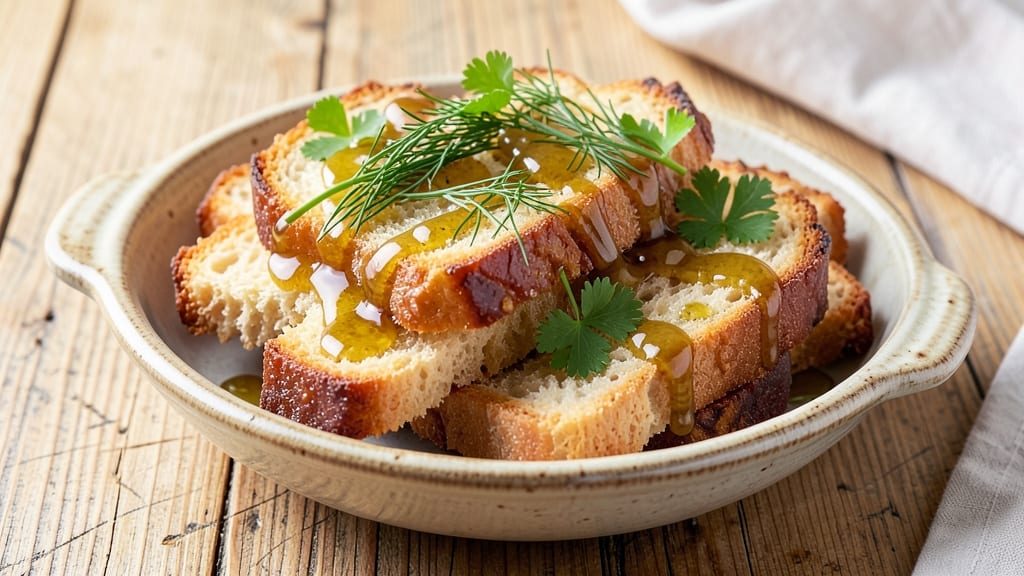
This Amish bread dressing recipe brings the heart of Pennsylvania farmhouse kitchens to your table with its rich, buttery depth and simple pantry ingredients. 💛 The secret lies in balancing tangy vinegar with sweet honey, creating a dressing that enhances everything from warm bread to hearty soups—just like my grandmother used to make.
Every spoonful carries that comforting, homemade warmth that makes ordinary meals feel special.
The beauty of this dressing is its versatility and ease. With just five basic ingredients—vinegar, oil, honey, mustard, and herbs—you can transform simple bread into something extraordinary. The recipe requires minimal effort but delivers maximum flavor, perfect for those who appreciate the charm of traditional Amish cooking without complicated techniques.
It’s the kind of dressing that makes every bite feel like a hug from the kitchen.
What sets this dressing apart is its ability to elevate any dish it touches. Drizzled over freshly baked bread, it adds a velvety richness that pairs perfectly with butter.
Tossed with salads, it brings a bright tang that cuts through rich ingredients, while a spoonful stirred into soups adds depth and warmth. The best part? It keeps beautifully in the refrigerator for up to two weeks, so you can enjoy this taste of home anytime.
Whether you're serving it at a family gathering or simply enjoying a quiet meal at home, this Amish bread dressing is a testament to the power of simple ingredients.
It’s the kind of recipe that reminds us why homemade always tastes better—no matter how many times we make it. Let’s get started on creating this comforting classic.
Ingredients for amish bread dressing
Five simple ingredients transform ordinary bread into a warm, buttery masterpiece straight from Amish kitchens.
| Ingredient | Amount | Notes |
|---|---|---|
| White Vinegar 🍶 | ½ cup | Distilled white preferred |
| Extra-Virgin Olive Oil 🫒 | ½ cup | High-quality, fruity variety |
| Raw Honey 🍯 | ¼ cup | Local preferred for flavor |
| Dijon Mustard 🌶️ | 1 tbsp | Mellow, not spicy |
| Fresh Dill 🌿 | ¼ cup | Chopped, stems removed |
| Fresh Parsley 🌿 | ¼ cup | Chopped, flat-leaf preferred |
| Salt 🧂 | 1 tsp | Kosher or sea salt |
| Black Pepper 🌶️ | ½ tsp | Freshly ground preferred |
| Unsalted Butter 🧈 | 2 tbsp | Cold, cubed for richness |
The vinegar and honey are the heart of this dressing—local honey adds depth, while distilled white vinegar ensures tang without overpowering. For honey, Trader Joe's or local farmers markets offer the best flavor profiles. If you can't find Dijon mustard, yellow mustard at half the amount works, but the mellow flavor is key. Fresh herbs make all the difference here—Wegmans or Whole Foods carry the best quality. Avoid dried herbs; their flavor fades fast. The olive oil should be fruity and robust—California-grown brands like Bertolli or Filippo Berio are reliable choices.
No fresh dill? Tarragon or chives add a similar brightness, though the flavor will differ slightly. Short on butter? Olive oil at double the amount keeps the richness, though texture will change. The dressing relies on emulsification, so whisking vigorously is essential—don’t skip this step. For a smoother texture, strain the herbs after chopping. If you prefer a sweeter dressing, increase the honey to 3 tbsp and adjust vinegar to taste. The butter adds that signature Amish richness—use full-fat for best results.
This dressing keeps beautifully in the fridge for up to 2 weeks when stored in an airtight jar. The flavors meld over time, making it even more delicious. For best results, whisk before each use. Freezes well for up to 3 months—portion into ice cube trays for easy single-serving use. The butter may separate; just whisk again before serving. A little goes a long way—start with 1 tbsp per slice of bread and adjust to taste.
Why You'll Love This Recipe
- Fewer Ingredients, Bigger Impact: I swear by this—just five pantry staples (vinegar, olive oil, honey, mustard, dill) and you’ve got a dressing that tastes like it came from a farmstand, not a jar. No weird blends, no measuring spoons for 17 herbs—just honest, bright flavors that work every time.
- Tangy-Sweet Magic: That honey-vinegar balance? It’s the kind of thing you’ll taste and immediately think, "Why didn’t I do this sooner?" The Dijon mustard adds a little kick, and the fresh dill? It’s the secret—bright, herby, and impossible to overdo. Drizzle it on roasted veggies or toss it with greens, and you’ll wonder why you ever bought store-bought.
- Meal Prep MVP: Make a big batch on Sunday, and you’ve got dressing for salads, sandwiches, or even grilled chicken all week. It keeps well in the fridge, and honestly? The longer it sits, the better it tastes—like flavors get cozier together. My lunchbox never looks the same twice.
- Budget-Friendly Flex: This recipe costs pennies per serving, and it’s the kind of thing that makes you feel fancy without breaking the bank. Extra-virgin olive oil might sound fancy, but a little goes a long way, and the rest are basics. Plus, you’ll use it up fast—no sad, half-empty bottles of dressing gathering dust.
Step-by-step instructions for warm, buttery Amish bread dressing
Here's how to create a dressing so rich and comforting it'll feel like home.
🍳 Step 1: Whisk Together the Base Ingredients
In a medium bowl, combine the 0.5 cup white vinegar and 0.5 cup extra-virgin olive oil. I like to use a whisk for this step—it creates a smooth emulsion right away. Add the 0.25 cup raw honey and 1 tablespoon Dijon mustard, whisking constantly until everything is fully incorporated and the mixture looks silky.
This base forms the foundation of your dressing, balancing acidity with richness. The honey adds natural sweetness that complements the tangy vinegar perfectly. If you notice any separation, just whisk vigorously for another 30 seconds—this dressing should hold together beautifully.
👨🍳 Step 2: Add Herbs and Seasonings
Stir in the 0.25 cup chopped fresh dill and 0.25 cup chopped fresh parsley using a wooden spoon. The herbs should be fully distributed but still visible—you want that fresh garden flavor in every bite. Add the 1 teaspoon salt and 0.5 teaspoon black pepper, mixing well to combine.
Here's where the dressing starts to come together. The herbs add brightness that cuts through the richness of the olive oil and butter. I always use freshly chopped herbs—they make a noticeable difference in flavor compared to dried. Give everything a final stir to ensure the seasoning is evenly distributed.
🔥 Step 3: Incorporate the Butter
Place the bowl over a saucepan of simmering water (double boiler method) and gently heat the mixture, stirring constantly with a wooden spoon. Once the dressing reaches 160°F (about 5-7 minutes), remove from heat and immediately whisk in the 2 tablespoons cold cubed butter.
The butter should melt smoothly into the warm dressing, creating that signature Amish richness. If you add it too early, the butter will separate. Work quickly but carefully—you want the butter to melt completely but not cook. The dressing should now have a velvety consistency with a beautiful sheen.
⏰ Step 4: Rest and Adjust
Let the dressing rest for 10 minutes at room temperature. This allows all the flavors to meld together perfectly. Taste and adjust seasoning if needed—you might want to add a pinch more salt or a drizzle of honey to suit your preference.
This resting period is crucial. It lets the dressing develop its full flavor profile and reach the ideal texture. The dressing should be thick enough to cling to bread but still have a silky mouthfeel. If it's too thick, whisk in 1 teaspoon water at a time until you reach your desired consistency.
🍞 Step 5: Serve Warm Over Fresh Bread
Serve the dressing immediately over warm, crusty bread that's been lightly toasted. The contrast of the warm bread with the rich, slightly tangy dressing creates the perfect Amish comfort food experience. For extra indulgence, top with a sprinkle of fresh herbs or a dollop of whipped butter.
This dressing is best enjoyed fresh from the oven, but it keeps well in the refrigerator for up to 5 days if stored in an airtight container. To reheat, simply warm in a saucepan over low heat, stirring constantly until heated through. The dressing should maintain its rich, velvety texture when properly stored and reheated.
Pro Tips For Making Amish Bread Dressing
- Whisk in stages: Start by mixing the vinegar, honey, and mustard—this keeps the honey from clumping when you add the oil later. Then drizzle in the olive oil slowly while whisking constantly, or you’ll end up with a greasy, uneven emulsion instead of a silky dressing.
- Salt the dill first: Toss your chopped fresh dill with a pinch of salt right after cutting—it softens the leaves and draws out moisture, so they stay vibrant and release more flavor into the dressing. (Yes, even if you’re impatient like me.)
- Don’t rush the emulsion: After combining everything, let the dressing sit for 10 minutes before tasting. The flavors meld and the oil fully incorporates—skipping this step means a dressing that’s either too sharp or greasy. (I learned this the hard way after serving a dressing that tasted like vinegar and regret.)
- Use warm honey: Gently warm the raw honey in a small bowl with a splash of hot water (just enough to soften it) before adding it to the mix. This makes it blend smoother and prevents graininess in the final dressing. (Sounds weird, but it works—trust me.)
Pro cooking tips for this recipe
Emulsification Mastery
The key to a silky, clingy dressing lies in proper emulsification. Whisk the vinegar, olive oil, honey, and mustard together vigorously for at least 2 minutes—this breaks the oil into tiny droplets that suspend in the liquid.
I use a balloon whisk for this step because it creates more air and helps distribute the ingredients evenly. If you notice separation, simply whisk again or add 1 teaspoon water to help re-emulsify. 💫
Butter Integration
Adding butter at the right temperature is crucial for that signature Amish richness. Warm the dressing to 160°F over a double boiler before whisking in the 2 tablespoons cold cubed butter. The heat melts the butter smoothly while preventing separation.
Work quickly—if the butter sits too long in the warm dressing, it can turn grainy. For extra richness, I sometimes add 1 extra tablespoon of butter if I'm feeling indulgent.
Herb Freshness Matters
Fresh herbs make all the difference in this dressing. Use 0.25 cup chopped fresh dill and parsley—dried herbs won't provide the same bright, vibrant flavor. I like to chop the herbs just before adding them to preserve their aroma.
If you're short on time, you can pulse them in a food processor for 5 seconds, but hand-chopping gives the best texture. For a different twist, try substituting 0.25 cup fresh chives for half the parsley.
Temperature Control
Never let the dressing boil—keep it at a gentle simmer (160°F) to prevent the butter from separating or the herbs from losing their flavor. Use a candy or instant-read thermometer to monitor the temperature accurately.
If you don’t have one, watch for small bubbles forming around the edges of the bowl. Once the butter is fully incorporated, remove from heat immediately to preserve the texture. 🌡️
Adjusting Thickness
This dressing should be thick enough to cling to bread but still have a silky mouthfeel. If it’s too thick after resting, whisk in 1 teaspoon water at a time until you reach the desired consistency.
For a thinner dressing, like one you’d drizzle over salads, add 1-2 teaspoons more vinegar. The resting period is key—let it sit for 10 minutes before adjusting, as flavors and textures continue to develop during this time.
Storage Secrets
Store the dressing in an airtight glass jar in the refrigerator for up to 2 weeks. The flavors actually improve over time as the ingredients meld together. To reheat, warm in a saucepan over low heat, stirring constantly until just heated through—never let it boil.
If the butter separates upon reheating, simply whisk vigorously to re-emulsify. For convenience, portion into ice cube trays and freeze for up to 3 months. 🧊
Nutrition facts
Frequently asked questions
Can I make this dressing without butter?
The butter creates that signature Amish richness, but you can substitute it with 2 extra tablespoons of olive oil for a dairy-free version. The texture will be slightly lighter, but the tangy-sweet flavor will still shine. For extra depth, add 1 teaspoon of lemon juice to balance the oil's richness.
How do I know when the dressing is ready?
Your dressing is perfect when it reaches 160°F and has a velvety sheen. The butter should be fully melted and incorporated, creating a thick but pourable consistency. Taste it—it should balance sweet, tangy, and herby notes with a rich finish. If it's too thin, let it rest longer or whisk in 1 teaspoon of honey.
What are the best breads to serve with this dressing?
This dressing pairs beautifully with crusty sourdough, warm rye, or homemade cornbread. The thick texture clings perfectly to toasted bread, while softer varieties like brioche soak up the richness. For a traditional Amish touch, try it with homemade whole wheat bread or fresh-baked dinner rolls.
Can I make this dressing ahead of time?
Store it in an airtight glass jar in the fridge for up to 2 weeks. The flavors actually improve as they meld together. To reheat, warm gently in a saucepan over low heat until just melted—never boil. If the butter separates, whisk vigorously to re-emulsify before serving.
What if my dressing separates?
Don't worry—this happens sometimes! Simply whisk in 1 teaspoon of water or 1 tablespoon of vinegar and whisk vigorously for 1 minute. For stubborn separation, place the bowl over simmering water (double boiler) and whisk until smooth. The key is patience—keep whisking until it returns to a silky consistency.