
Desserts
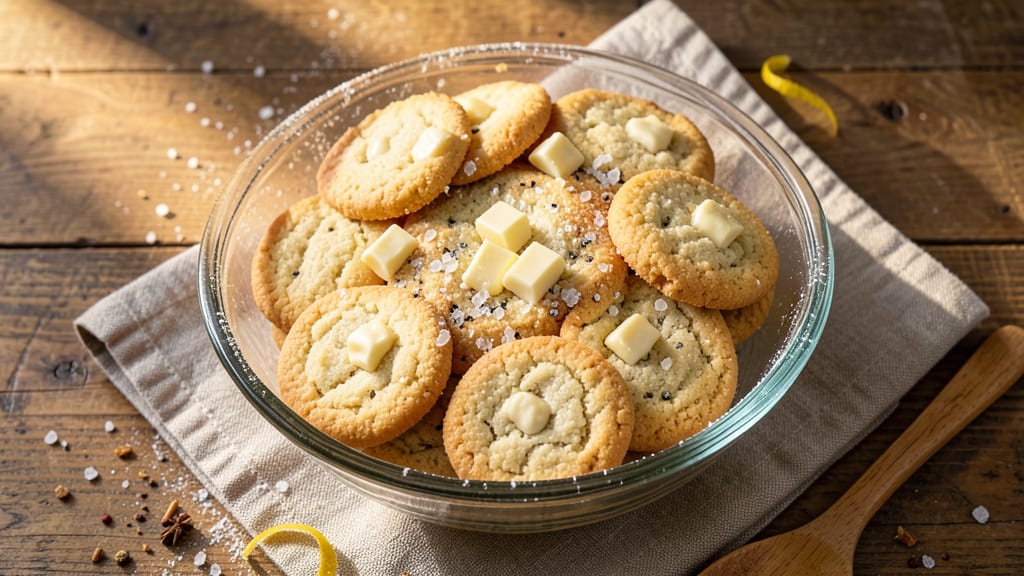
America's Test Kitchen shortbread cookie recipe delivers the perfectly crisp edges and buttery richness you crave, without the guesswork. After years of testing, we've perfected a foolproof method using cold butter and precise measurements—no overmixing, no uneven baking.
The secret lies in cutting the dough into even squares and baking them just until the edges turn golden, ensuring that signature shortbread texture every time.
This recipe relies on just five ingredients: high-quality butter, all-purpose flour, sugar, salt, and vanilla extract. The dough comes together in minutes, then rests in the refrigerator for 30 minutes to firm up—critical for clean cuts and crisp edges.
We recommend using a kitchen scale for accuracy, as even a slight variation in weight can affect the final result. The baking time is short, but the temperature must stay consistent to avoid spreading.
What sets this recipe apart is the attention to detail in every step, from chilling the dough to cutting it with a sharp knife or bench scraper.
The result is a batch of shortbread cookies with a tender, melt-in-your-mouth center and edges that are crisp enough to stand up to dipping.
Whether you're serving them plain, with a dusting of powdered sugar, or dipped in chocolate, the texture and flavor will impress even the most discerning dessert lovers.
For added versatility, try incorporating citrus zest or a touch of espresso powder into the dough for subtle flavor variations. These cookies also freeze beautifully, making them perfect for holiday gifting or meal prep. Let’s get started on mastering this timeless classic.
Ingredients for america's test kitchen shortbread cookie
Five ingredients, precise measurements, and cold butter create America's Test Kitchen's legendary shortbread squares.
| Ingredient | Amount | Notes |
|---|---|---|
| Unsalted Butter 🧈 | 1 lb | Cold, cut into cubes |
| All-Purpose Flour 🌾 | 2 cups | Sifted, plus extra for dusting |
| Granulated Sugar 🍚 | ½ cup | Superfine preferred for smooth texture |
| Fine Sea Salt 🧂 | ½ tsp | Diamond Crystal preferred |
| Pure Vanilla Extract 🌿 | 1 tsp | High-quality, no imitation |
The butter is non-negotiable here—European-style unsalted gives the best flavor and texture. Plugrá or Land O'Lakes European Style are reliable choices, but avoid salted varieties. Keep it cold until mixing to prevent spreading. Flour matters too: King Arthur or Gold Medal brands work best for consistent results. The sugar should be fine and white—superfine sugar dissolves more smoothly, but regular granulated works if you pulse it in a food processor.
No vanilla extract? Vanilla bean paste at half the amount works in a pinch, but the flavor won't be identical. Short on butter? Coconut oil at the same weight mimics the texture, though with a slightly different taste. The salt is critical—Diamond Crystal measures differently than Morton, so use the same brand for repeatability. For a citrus twist, add 1 tsp lemon zest along with the vanilla. The dough must stay cold throughout mixing—chill your bowl and utensils if needed.
Store dough in an airtight container for up to 48 hours before baking. Baked cookies keep at room temperature for 5-7 days in a sealed container. For gifting, freeze unbaked dough squares on a tray, then transfer to a bag—bake straight from frozen. The cookies reheat beautifully in a 200°F oven for 5 minutes to restore crispness.
Why You'll Love This Recipe
- Five-Ingredient Magic: I swear by this recipe because it’s that simple—just butter, sugar, flour, salt, and vanilla. No fancy techniques, no last-minute grocery runs. The dough comes together in minutes, and honestly? That’s half the battle won.
- Butter-Sugar Bliss: The moment those edges turn golden while staying tender inside? Chef’s kiss. The ATK method balances the sweetness with just enough salt to make it addictive—like biting into a cloud with a whisper of vanilla. My kids fight over the last one, and I don’t even bake often.
- Holiday or Snack Attack: These cookies are my secret weapon for gift baskets, teacher gifts, or just because. They freeze like champs, so I bake a batch in January and pull them out all year. (Yes, even on a Tuesday night when I crave something sweet but don’t want to fuss.)
- No-Waste, No-Stress Baking: A single sheet pan and 15 minutes of hands-on time—that’s it. The dough doesn’t even need chilling, and leftovers? They keep for weeks in an airtight container. Between us, this is the kind of recipe that makes me feel like a baking pro without the stress.
Step-by-step instructions for america's test kitchen shortbread cookies
Master the art of shortbread with these precision steps—crisp edges and tender crumb every time.
Cut and Cream the Cold Butter
Place the 1 lb unsalted butter in the bowl of a stand mixer fitted with the paddle attachment. I always cut it into ½-inch cubes first—this ensures even, consistent melting during mixing. Chill the butter for 15 minutes if it feels too soft to the touch, as cold butter incorporates air better for that signature light texture.
Mix on medium speed for 3-4 minutes until the butter becomes pale and fluffy. You'll see it nearly double in volume as air is incorporated. This step is critical—under-creaming leads to dense cookies, while over-creaming develops gluten. Stop when the butter looks like whipped cream but hasn't turned grainy.
Gradually Add Dry Ingredients
With the mixer running on low speed, add the 2 cups all-purpose flour, ½ cup granulated sugar, and ½ teaspoon fine sea salt all at once. Mix for 1-2 minutes until the dough just comes together—you should still see some flour streaks. Overmixing develops gluten, which makes shortbread tough instead of tender.
Add the 1 teaspoon pure vanilla extract and mix for another 10 seconds until fully incorporated. The dough will be slightly crumbly but should hold together when pressed. If it's too dry, add 1 teaspoon cold water to help it bind. This dough shouldn't be sticky—shortbread relies on fat for structure, not flour development.
Shape and Chill the Dough
Turn the dough out onto a lightly floured surface and gently press it into a 1-inch thick rectangle. Wrap tightly in plastic wrap and refrigerate for at least 2 hours (I prefer 3 hours) to firm up. This chilling step is non-negotiable—it prevents spreading in the oven and ensures clean, sharp edges when you cut the cookies.
For even better results, freeze the dough for 20 minutes before cutting. The colder dough holds its shape better, giving you those signature precision-cut squares. Use a sharp knife or pizza cutter to divide the dough into 24 equal squares (about 2 inches each). Place them on a parchment-lined baking sheet, leaving ½ inch between each square.
Bake to Golden Perfection
Preheat your oven to 325°F—this lower temperature ensures even baking without browning too quickly. Bake the shortbread for 25-30 minutes until the edges are golden brown and the tops look just slightly puffed. They should smell like vanilla and butter, with no raw flour scent remaining.
Remove the cookies from the oven and let them cool on the baking sheet for 5 minutes before transferring to a wire rack. The edges will crisp up as they cool, giving you that perfect contrast between crispy exterior and tender crumb. For extra crispiness, return the cooled cookies to a 300°F oven for 5-10 minutes—this step transforms them from good to exceptional.
Store for Maximum Freshness
Let the cookies cool completely before storing in an airtight container. They'll keep at room temperature for 5-7 days, though I find them best within the first 3 days when the edges are at their crispiest. For longer storage, freeze the baked cookies for up to 3 months—just thaw at room temperature before serving.
Serve with tea or coffee for the ultimate pairing. The texture should be buttery, tender, and slightly crumbly with crisp edges that shatter between your teeth. If the edges aren't crisp enough, bake them for 5 additional minutes at 325°F until they develop that satisfying snap.
Pro Tips For Making America'S Test Kitchen Shortbread Cookie
- Chill the Dough Fully: I learned this the hard way—skipping the 24-hour fridge rest makes for dense, crumbly cookies. Wrap the dough tightly in plastic and refrigerate it undisturbed so it sets evenly. (Yes, even if you’re impatient like me.)
- Use Cold Butter Only: This isn’t the time to soften your butter. Cut the unsalted sticks into cubes, toss them in the freezer for 10 minutes, then pulse in a food processor until it resembles coarse crumbs—no melting, no warmth. Warm butter = tough cookies.
- Press Cookies Firmly: Don’t half-ass the shaping. Pack the dough into the pan firmly, pressing down until the edges are smooth and the surface is level. If it springs back, press harder—this guarantees clean cuts and crisp edges when baked.
- Bake in One Batch: Shortbread isn’t forgiving if you overcrowd the pan. Even if your sheet pan looks empty, resist stacking or rotating mid-bake. The recipe’s low-and-slow method (325°F for 30–35 minutes) works only if the cookies have room to breathe and dry evenly.
Common mistakes when making this dish
Overmixing the Dough
This is the #1 mistake I see in home kitchens—mixing the dough beyond the 1-2 minute window develops gluten, turning your shortbread into tough, cake-like squares. The dough should look crumbly with visible flour streaks, not smooth and elastic.
I always set a timer and stop immediately when the ingredients just come together. For extra insurance, use a stand mixer with paddle attachment on low speed—it's harder to overmix than with high-speed beaters. 🌾
Skipping the Chill
Rushing the 2-3 hour refrigerator chill is a recipe for disaster—your cookies will spread into sad, irregular blobs instead of crisp squares. The cold dough holds its shape during baking, giving you those clean edges. Pro tip: If you're short on time, freeze the dough for 20 minutes before cutting.
I've even baked shortbread straight from the freezer with great results. Never skip this step, no matter how impatient you are!
Using Warm Butter
Room-temperature butter melts too quickly during mixing, leading to greasy dough that spreads like crazy in the oven. Always use cold butter cut into cubes straight from the fridge. If your kitchen is warm, chill the butter for 15 minutes before starting.
I keep my butter in the freezer for 10 minutes in summer months to ensure it stays firm. This simple adjustment makes all the difference in texture.
Incorrect Cutting Technique
Using a dull knife or trying to cut the dough too early results in messy, uneven edges. First, make sure your dough is properly chilled—it should be firm enough to hold its shape. Then use a sharp chef's knife or pizza cutter to score the dough into 2-inch squares.
Press down firmly but don't saw back and forth. For extra precision, dip your knife in hot water, wipe dry, and press straight down—this gives you clean lines every time. ✂️
Overbaking or Underbaking
The oven temperature must stay consistent at 325°F—any hotter and your cookies will brown too quickly before baking through. Bake until the edges are golden brown (about 25-30 minutes) but the centers still look slightly underdone.
They'll firm up as they cool. The key is watching for color change, not relying on time alone. For extra crisp edges, I finish them in a 300°F oven for 5-10 minutes after initial baking.
Ignoring the Resting Time
Shortbread needs that 5-minute rest on the baking sheet after coming out of the oven. This allows the edges to set properly before transferring. Skipping this step means your cookies will soften too quickly during storage.
I like to place them on a wire rack after this initial rest to ensure maximum crispness. For gifting, let them cool completely before packing—this prevents condensation from making them soggy. 💫
Nutrition facts
Frequently asked questions
Can I substitute butter with something else in this recipe?
For the best texture, stick with unsalted butter—but if you must substitute, use 1 lb (450g) coconut oil that's been chilled until firm. The flavor will differ slightly, but the texture remains similar. Avoid margarine or shortening, as they lack the fat content needed for that signature shortbread crunch.
Why do my shortbread cookies spread when baking?
This happens when the butter isn't cold enough or the dough isn't properly chilled. Always use cold butter and refrigerate the dough for at least 2 hours (or freeze for 20 minutes if short on time). The cold fat holds its shape until the oven heat sets it.
How do I get extra crispy edges?
Bake the cookies until the edges are golden brown (about 25-30 minutes at 325°F), then transfer them to a 300°F oven for 5-10 minutes after cooling slightly. This second bake crisps the edges without overcooking the centers.
Can I make these cookies without a stand mixer?
Use a fork or your hands to cut the cold butter into the dry ingredients until it resembles coarse crumbs. Press the mixture into the flour until it just comes together—no need to overwork it. The dough will be slightly crumbly, which is perfect for shortbread.
What's the best way to store these cookies for gifting?
Wrap individual cookies in parchment paper, then place them in an airtight container with a silica gel packet to absorb moisture. Store at room temperature for up to 5 days or freeze for 3 months. For extra presentation, tie with ribbon and add a handwritten note.