
Side Dishes
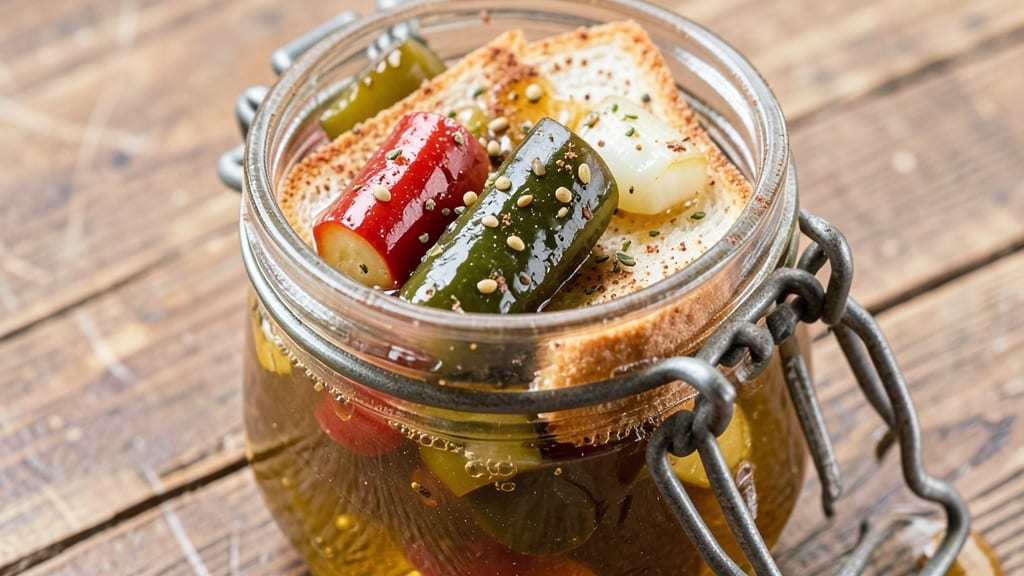
America's Test Kitchen bread and butter pickle recipe delivers the perfect balance of crunchy texture and sweet-spiced flavor in every jar. 🌟 The secret lies in using day-old bread cubes that soak up the tangy vinegar and sugar mixture, creating tender yet crisp edges.
This method transforms simple ingredients into a relish so delicious, it becomes the star of any meal—whether paired with sandwiches, burgers, or enjoyed straight from the jar.
The process is straightforward but requires attention to detail, especially when it comes to sterilizing jars and maintaining the right vinegar-to-sugar ratio. You'll start with white bread cubes (no crusts) that absorb the flavorful brine, then cook them just until tender.
The sweet-spice blend—cinnamon, mustard seeds, and celery seeds—adds depth that makes these pickles unforgettable. This recipe is designed to work for both canning and refrigeration, giving you flexibility for long-term storage or quick prep.
What sets these pickles apart is their versatility—they elevate any dish they touch. The sweet-tangy flavor pairs beautifully with rich meats like pulled pork or smoked sausage, while the texture adds a satisfying crunch to sandwiches.
Even on their own, they make a delightful snack. The recipe yields enough for multiple servings, so you'll have jars ready for weeks of meals ahead.
Ready to make these pickles? The key is patience—letting the bread soak and the flavors meld ensures every bite is perfectly balanced. Whether you're a seasoned canner or new to preserving, this method delivers restaurant-quality results at home. Let's get started on creating your own batch of this beloved relish.
Ingredients for america's test kitchen bread and butter pickle
Six cups of bread cubes transform into restaurant-quality pickles with these precise ingredients.
| Ingredient | Amount | Notes |
|---|---|---|
| White Sandwich Bread 🍞 | 6 cups | Day-old cubes, crusts removed |
| White Vinegar 💧 | 2 cups | Distilled preferred for clarity |
| Granulated Sugar 🍚 | 1 ½ cups | White or light brown |
| Ground Cinnamon 🌿 | 1 tbsp | Freshly ground for aroma |
| Mustard Seeds 🌶️ | 1 tsp | Yellow or brown preferred |
| Celery Seeds 🌿 | 1 tsp | Toasted for enhanced flavor |
| Salt 🧂 | 1 tsp | Diamond Crystal kosher |
| Water 💧 | 1 cup | Filtered or distilled |
| Lemon Juice 🍋 | 1 tbsp | Freshly squeezed |
| Pint-Sized Mason Jars 🥫 | 6 whole | With lids, sterilized |
| Unsalted Butter 🧈 | 2 tbsp | For garnish, softened |
The bread is non-negotiable—day-old white sandwich bread with crusts removed ensures perfect texture. Store-brand loaves work just as well as artisanal, but avoid whole wheat or rye. For sterilization, run jars and lids through a 200°F oven for 10 minutes or boil for 10 minutes. The vinegar-to-sugar ratio of 2:1.5 creates that signature tang-sweet balance. White vinegar provides clarity, while distilled ensures no sediment. For the spices, Penzeys Spices offers premium quality, but regular grocery store brands suffice if fresh.
No mustard seeds? Dijon mustard at half the amount mimics the flavor profile. Substitute celery seeds with 1 tsp dried dill for a different herbal note. Running low on butter? Vegan butter works identically for garnish. The lemon juice can be swapped for 1 tbsp apple cider vinegar if needed. For a smoky variation, add ½ tsp smoked paprika to the brine. Trader Joe's carries pre-sterilized jars if you prefer convenience over DIY sterilization.
Pickles maintain peak texture for 3 months refrigerated or 1 year canned in a water bath. For refrigerated storage, keep jars fully submerged in brine. Canned versions require processing for 10 minutes in a boiling water bath. Label jars with date and contents—mason jar labels from Amazon work perfectly. The butter garnish adds richness but can be omitted for a vegan version. Always cool pickles completely before sealing to prevent condensation buildup.
Why You'll Love This Recipe
- No Chopping Needed: I swear, the bread just gets sliced and soaked—no knife skills required. America’s Test Kitchen even simplifies the bread prep with their foolproof method, so you’re not left with soggy edges or uneven slices.
- Sweet-Tangy Magic: That perfect balance of white vinegar’s sharp bite and sugar’s warmth? It’s what makes these pickles irresistible. The cinnamon and mustard seeds add just enough warmth to turn a simple jar into something you’ll reach for again and again.
- Party in a Jar: Honestly, these pickles are my go-to for potlucks, BBQs, or even a last-minute snack tray. They keep for weeks in the fridge, so you can make one batch and use it all summer—no stress, just flavor.
- Budget Stretch: Between us, this recipe costs pennies per serving. You’re using basic pantry staples, and a single jar lasts forever. It’s the kind of thing I make when I’m trying to feed the family without breaking the bank.
Step-by-step instructions for america's Test Kitchen bread and butter pickles
Perfectly balanced sweetness and tang—this method delivers crisp, flavorful pickles every time.
👨🍳 Step 1: Cube and Prepare the Bread
Cut the 6 cups of white sandwich bread into ½-inch cubes, removing crusts completely. I use a serrated knife for clean cuts and a ruler to ensure uniform size—this guarantees even cooking and consistent texture throughout the jars. Place the cubes in a large bowl and toss gently to prevent clumping.
Here's the thing—using day-old bread is non-negotiable. Fresh bread absorbs too much liquid and becomes mushy. If you must use fresh bread, toast it lightly at 350°F for 10 minutes first to remove excess moisture. Spread the cubes evenly on a baking sheet and set aside while you prepare the pickling liquid.
🍳 Step 2: Create the Pickling Syrup
In a medium saucepan, combine the 2 cups white vinegar, 1.5 cups granulated sugar, 1 cup water, 1 tbsp lemon juice, 1 tsp salt, 1 tbsp ground cinnamon, 1 tsp mustard seeds, and 1 tsp celery seeds. Bring to a boil over medium-high heat, stirring until the sugar dissolves completely—this should take about 3-4 minutes.
Watch for the syrup to turn clear and slightly syrupy in consistency. You'll know it's ready when a spoonful leaves a noticeable trail when drawn through the liquid. Reduce heat to medium-low and let it simmer for 5 minutes, allowing the spices to infuse fully. This step develops the complex flavor profile that makes these pickles special.
🥘 Step 3: Sterilize Jars and Pack the Bread
While the syrup simmers, prepare the 6 pint-sized Mason jars by running them through a hot water bath for 10 minutes to sterilize. Place lids in a separate pot of simmering water to keep them warm. Using tongs, carefully pack the bread cubes tightly into each jar, leaving about ½-inch headspace at the top.
I always tap the jars gently on the counter to settle the cubes—this prevents air pockets that could cause mold. The tight packing ensures maximum contact with the syrup, which is crucial for even flavor absorption. Keep the jars warm while you prepare the syrup to maintain temperature consistency.
🔥 Step 4: Pour and Process the Pickles
Using a funnel, carefully ladle the hot pickling syrup over the bread cubes in each jar, filling to within ½-inch of the rim. Wipe the jar rims with a clean, damp cloth to ensure a proper seal. Place the lids on the jars and screw on the bands until fingertip-tight—don't overtighten or the seals won't work properly.
Process the jars in a boiling water bath for 20 minutes (adjust for high altitudes). This sterilization step is critical for safe preservation. Start timing as soon as the water returns to a full boil. Remove the jars carefully with tongs and let them cool completely on a towel-lined counter. You'll hear the satisfying "ping" of the lids sealing as they cool.
⏰ Step 5: Rest and Serve with Butter
Let the sealed jars cool at room temperature for 12-24 hours before refrigerating. This resting period allows the flavors to meld and the bread to absorb the syrup completely. The texture should be crisp with a tender center, and the syrup should be fully absorbed by the cubes.
To serve, remove one jar from the refrigerator and let it sit at room temperature for 5 minutes. Spoon the pickles onto a plate and garnish with 2 tablespoons softened unsalted butter dolloped on top. The contrast of cool, tangy pickles with rich butter creates the perfect balance of flavors. Store any unused pickles in the refrigerator for up to 2 weeks or preserve them in the pantry for 3 months.
Pro Tips For Making America'S Test Kitchen Bread And Butter Pickle
- CHOP BREAD SMALLER THAN YOU THINK: I learned this the hard way—oversized cubes stay tough and underpickle. Aim for ½-inch pieces, even if it takes a few extra minutes. The vinegar needs room to work its magic, and you want that tender texture, not a chewy mouthful.
- SIMMER VINEGAR UNTIL IT STEAMS: Bring that vinegar to a full rolling boil first, then add sugar and cinnamon. I used to just toss everything in cold, and the bread would absorb liquid unevenly, leaving some pieces soggy while others stayed dry. A quick boil ensures even distribution and a smoother flavor infusion.
- SKIP THE MUSTARD SEEDS IF THEY SPLIT: Whole mustard seeds are non-negotiable for texture, but if they crack open during cooking, they’ll turn bitter. Toast them dry in a separate pan for 30 seconds before adding to the vinegar—just enough to warm them up without burning. This keeps their sharp bite intact.
- USE DAY-OLD BREAD ONLY: Fresh bread? Bad idea. It’ll turn to mush in the vinegar like a sad, overcooked dumpling. Let your sandwich bread sit out overnight or toast it lightly to dry it out first. The ATK recipe relies on that slight firmness to hold its shape while soaking up all that tangy goodness.
Flavor customization for america's test kitchen bread and butter pickle
Sweet Heat Variations
Crank up the heat with ½ tsp cayenne pepper or 1 tsp chipotle powder in the syrup for a smoky kick. I love adding 1 tbsp honey to balance the heat—it caramelizes slightly during processing.
For a sweeter heat profile, try 1 tsp ground ginger alongside the cinnamon. These variations work especially well when serving with spicy dishes like BBQ chicken or tacos. 🌶️
Herbal Infusions
Swap out the celery seeds for 1 tsp dried thyme or 1 tbsp fresh rosemary for an earthy twist. I've also had success with ½ tsp dried tarragon, which adds a subtle anise note.
For a citrusy herbal profile, add 1 tbsp grated lemon zest to the syrup. These variations pair beautifully with roasted meats or Mediterranean-inspired dishes.
Smoky Depth Addition
Add ½ tsp smoked paprika or ¼ tsp liquid smoke to the syrup for a campfire-inspired flavor. I recommend Morton smoked paprika for consistent results. For an extra smoky depth, toast 1 tsp coriander seeds in a dry pan until fragrant, then grind and add to the syrup.
These variations elevate the pickles to become a perfect side for smoked brisket or pulled pork. 🔥
Citrus Zest Boost
Brighten the flavor profile with 1 tbsp orange zest or 1 tbsp lime zest added to the syrup. I prefer using organic citrus to avoid wax. For an extra zesty kick, add 1 tbsp fresh orange juice alongside the lemon juice.
These variations work exceptionally well when serving with seafood dishes or tropical-inspired meals.
Spiced Rum Infusion
For a sophisticated twist, add 1 tbsp dark spiced rum to the syrup. I recommend Kahlúa for its rich vanilla and spice notes. Simmer the rum with the other ingredients until the alcohol cooks off completely.
This variation adds depth that pairs beautifully with holiday meals or dessert pairings like cheese boards. 🍷
Cheesy Twist
Add ½ cup shredded cheddar cheese to each jar before processing. The cheese melts slightly during the water bath, creating a creamy, tangy filling. I like using sharp cheddar for maximum flavor impact. This variation transforms the pickles into a perfect snack or appetizer that's sure to impress guests. 🧀
Nutrition facts
Frequently asked questions
Why does the recipe specify day-old bread instead of fresh?
Fresh bread contains too much moisture, which makes the cubes soggy and prevents proper flavor absorption. Day-old bread has just enough dryness to maintain a satisfying crunch while soaking up the sweet-spiced syrup. If you must use fresh bread, toast it lightly at 350°F for 10 minutes first to remove excess moisture.
Can I make these pickles without canning?
For refrigerated storage, follow the same steps but skip the water bath processing. Store the sealed jars in the fridge for up to 2 weeks. The texture will be slightly softer than canned versions, but the flavor remains delicious. Just ensure the jars are completely submerged in brine to prevent mold.
What's the best way to store leftover pickles?
Canned pickles last 1 year in a cool, dark pantry, while refrigerated versions keep for 2 weeks. Always check for proper seals—if a jar doesn't ping when cooled or the lid pops up, discard the contents. For long-term storage, freeze pickles in airtight containers for up to 3 months, though texture may change slightly.
How can I adjust the sweetness level?
Start with the 1.5 cups sugar as written, but taste the syrup before pouring into jars. For less sweetness, reduce sugar by ¼ cup and add ¼ cup extra vinegar to maintain balance. If you prefer sweeter pickles, increase sugar by ¼ cup and reduce vinegar by the same amount. The key is maintaining the 2:1.5 vinegar-to-sugar ratio for proper preservation.
What's the best way to use these pickles?
These pickles shine as a sandwich spread, burger topping, or snack with softened butter. They also pair beautifully with grilled meats like pulled pork or chicken. For a sweet-savory combo, try them with cheddar cheese or in BLT sandwiches. The sweet-spiced flavor makes them a versatile side for any meal!