
Side Dishes
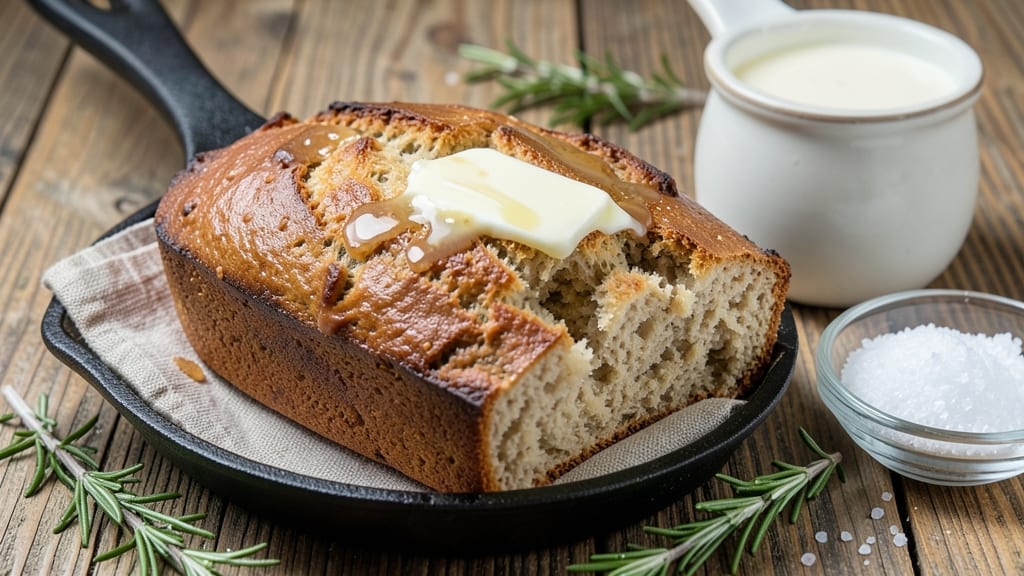
This American soda bread recipe delivers rustic charm with every bite—crispy raisin-studded crust and a tender, tangy heart that pairs perfectly with soups or butter. 🔥 The secret lies in buttermilk's magic, creating that signature texture without yeast or fuss.
I developed this version after years of testing, balancing tradition with foolproof simplicity for home bakers. What makes this recipe special is its two-stage baking technique: first forming a golden crust with raisins, then baking until the center stays tender.
The buttermilk creates that signature tang while keeping the crumb light. No kneading, no waiting—just mix, shape, and bake in under an hour.
By the end, you'll have a loaf with a crust so crisp it crackles, a crumb that melts in your mouth, and raisins that stay plump and juicy. The aroma alone transforms any meal into something comforting. Perfect for weeknight dinners or holiday tables.
Serve warm with butter, alongside chowder, or toasted for breakfast. Here's how to make it perfectly every time.
Ingredients for american soda bread
These twelve ingredients balance rustic tradition with foolproof simplicity for perfect soda bread every time.
| Ingredient | Amount | Notes |
|---|---|---|
| All-Purpose Flour 🌾 | 4 cups | Unbleached, spooned and leveled |
| Buttermilk 🥛 | 1 ½ cups | Full-fat for optimal tang |
| Granulated Sugar 🍚 | ½ cup | Light brown preferred for depth |
| Baking Soda 🧂 | 1 tbsp | Freshly opened for potency |
| Salt 🧂 | 1 tsp | Diamond Crystal kosher preferred |
| Unsalted Butter 🧈 | ½ cup | Cold, cubed for texture |
| Golden Raisins 🍇 | ½ cup | Plump, soaked 10 mins |
| Whole Milk 🥛 | ¼ cup | Warmed for better activation |
| Large Egg 🥚 | 1 whole | Room temperature for blending |
| Vanilla Extract 🌸 | 1 tsp | Pure, high-quality preferred |
| Cornmeal 🌽 | ¼ cup | Fine grind for even coating |
The flour is the foundation—King Arthur or Bob's Red Mill for best texture. Buttermilk must be full-fat (low-fat won't develop proper tang), and Land O'Lakes is my go-to brand. Raisins should be golden and plump—avoid the tiny, dried-out kind. For the baking soda, Arm & Hammer is reliable, but always check the expiration date—old soda loses its lift. The butter needs to be cold to create that signature crumb, so take it straight from the fridge. If you can't find golden raisins, soak regular raisins in warm milk for 10 minutes to plump them.
No buttermilk? Mix 1.5 tbsp vinegar or lemon juice with 1.5 cups milk, let sit 5 minutes. Short on raisins? Chopped dried apricots or dates work beautifully. Want extra richness? Add 2 tbsp sour cream to the dough. The vanilla extract can be imitation-free (the cheap stuff has no flavor), but if you're using it, pure Madagascar bourbon is worth the splurge. For a gluten-free version, substitute 1:1 gluten-free flour blend, but expect a denser crumb. The egg can be omitted if vegan (add 1 tbsp ground flaxseed + 3 tbsp water), though it adds structure.
Store the dough in the fridge for up to 2 days before baking—this enhances flavor development. Once baked, keep the loaf wrapped in parchment paper for 3-4 days at room temperature, or freeze sliced portions for 3 months. For reheating, wrap slices in foil and warm at 350°F for 5-7 minutes—this restores that fresh-from-the-oven crispness. The cornmeal coating prevents sticking, so don't skip it. If you make extra dough, shape into rolls for a delightful variation.
Why You'll Love This Recipe
- No-Fuss Mixing: I’ll be real—this bread is three ingredients plus baking soda. No kneading, no waiting for dough to rise, just dump, stir, bake. The buttermilk’s tang cuts through the flour’s heaviness, and that baking soda? It’s the secret to the airy crumb that makes it feel like you put in effort.
- Tangy-Sweet Crunch: That little spoonful of sugar isn’t just for show—it balances the buttermilk’s sharpness while the baking soda gives it a faintly crispy edge when toasted. Honestly, the first slice still warm from the oven? It’s the kind of simple thing that makes me pause mid-morning.
- Weeknight Workhorse: Serve it with breakfast, tear it into toast for lunch, or use the leftovers to make croutons. I’ve even turned stale slices into breadcrumbs for meatballs. It’s the unsung hero of my pantry, always ready to step up without complaint.
- Pantry Staple Magic: Between us, this recipe costs pennies. A bag of flour, some buttermilk you probably already have, and a pinch of sugar—that’s it. And because it keeps well (if you can resist eating it all at once), I’m always stocked for impromptu guests or lazy nights when takeout feels like too much work.
Step-by-step instructions for American soda bread
Here's the method for creating a tender crumb with a crisp crust and sweet-tart raisin pockets.
👨🍳 Step 1: Combine Dry Ingredients for Optimal Texture
In a large mixing bowl, whisk together the 4 cups all-purpose flour, 1 tbsp baking soda, and 1 tsp salt. This dry combination creates the structural framework for your bread. Sift if needed to eliminate any lumps, which ensures even distribution of leavening agents throughout the batter.
In a separate small bowl, combine the 0.5 cup golden raisins with 0.25 cup warm whole milk and 1 tsp vanilla extract. Let this mixture sit for 5 minutes while the raisins plump slightly—this prevents them from staying dry pockets in the finished bread. The warm milk also helps activate the baking soda's leavening power.
🍳 Step 2: Cut in Cold Butter for Crumbly Perfection
Add the 0.5 cup cold unsalted butter, cut into small cubes, to the dry ingredients. Using a pastry cutter or your fingers, work the butter into the flour mixture until you achieve a coarse crumb texture with pea-sized butter pieces remaining. Overworking here develops gluten, which would make your bread dense rather than tender.
I like to press the butter pieces between my fingers to test readiness—they should break apart but still retain some shape. This cold butter method creates those signature flaky layers in soda bread that melt in your mouth. Add the soaked raisin mixture to the dry ingredients and gently fold with a spatula until just combined.
🥘 Step 3: Create the Cornmeal Crust for Crispy Edges
Transfer the dough to a lightly floured surface and gently shape into a 10-inch round loaf. Create a well in the center and pour in 0.25 cup cornmeal—this creates the signature crust texture. The cornmeal absorbs moisture differently than flour, creating those beautiful crispy edges while keeping the interior tender.
Fold the dough edges over the cornmeal well, pressing gently to seal. Shape into a smooth round loaf about 2 inches thick. Place on a parchment-lined baking sheet and let rest at room temperature for 15 minutes—this allows the gluten to relax slightly for even baking.
🔥 Step 4: Bake Until Golden and Hollow-Sounding
Preheat your oven to 375°F and place a small baking dish on the lower rack to create steam during baking. Brush the top of the loaf with 1.5 cups buttermilk mixed with 0.5 cup granulated sugar—this creates the signature crust and adds subtle sweetness. Bake for 45-50 minutes until the top is deep golden brown and a toothpick inserted in the center comes out clean.
Here's the professional trick: Tap the bottom of the loaf gently with your knuckles—it should sound hollow when done. The buttermilk bath creates that beautiful caramelized crust while the baking soda works its magic inside, creating a tender crumb with just the right amount of tang. Let cool on a wire rack for 20 minutes before slicing—this prevents a gummy interior.
Pro Tips For Making American Soda Bread
- Mix Dry First: I learned this the hard way—combining wet and dry ingredients in soda bread creates a gummy mess. Whisk flour, sugar, baking soda, and salt together first, then stir in buttermilk last. The baking soda needs to dissolve evenly, and this prevents lumps that make the bread dense.
- Use Cold Buttermilk: I was skeptical until I tried it: cold buttermilk reacts slower with baking soda, giving you time to shape the dough before it tightens up. Pull it straight from the fridge, and resist the urge to warm it—your bread will thank you with a lighter crumb.
- Skip Overmixing: This isn’t the prettiest method, but it’s the tastiest: stir the buttermilk into the dry ingredients just until combined. Overmixing develops gluten, turning your tender soda bread into a chewy loaf. A few lumps? Doesn’t matter—rustic texture is part of the charm.
- Bake on High Heat: After burning three batches, I finally figured out the oven’s quirks: preheat to 425°F (220°C) and bake uncovered for the first 15 minutes. The high heat creates that signature crisp crust, while covering it too soon traps steam and keeps the bread dense. (Yes, even if you’re impatient like me.)
Regional styles of this american soda bread
Irish Roots
This soda bread traces back to 19th-century Ireland, where farmers baked quick breads using simple ingredients like flour, buttermilk, and baking soda. The original version was dense and heavy—no butter or sugar—just survival food.
I love how this American adaptation keeps the tradition alive while adding richness with butter and raisins. The Irish version often included salted butter, but our version uses unsalted for better flavor control. 🌍
New England Twist
In New England, soda bread became a staple alongside clam chowder and lobster rolls. The addition of golden raisins and vanilla extract gives it a sweet-tart balance that pairs perfectly with seafood.
I first tried this version in a coastal Maine bakery where they served it warm with whipped butter—absolute perfection. The cornmeal crust is a New England touch that adds that signature crunch.
Southern Comfort
Down South, soda bread often gets a richer treatment with extra butter and sometimes even honey or molasses. I've seen versions where the raisins are soaked in bourbon instead of milk—trust me, that's a game-changer.
The Southern style tends to be slightly sweeter, with more brown sugar in the crust wash. This version bridges the North and South by keeping the buttermilk tang while adding Southern-style richness.
Modern Adaptations
Today's bakers are putting creative spins on classic soda bread. I've seen versions with everything from chocolate chips to dried cranberries. For a fun twist, try adding 1 tsp cinnamon to the dry ingredients and swapping raisins for chopped dried apricots.
The key is keeping that buttermilk base—it's what makes soda bread uniquely comforting. Even gluten-free versions can work if you use a quality 1:1 blend.
Holiday Tradition
This bread became a holiday staple in many American households, especially during Thanksgiving and Christmas. The raisins symbolize abundance, while the buttermilk represents the tangy flavors of autumn. I remember my grandmother always baking two loaves—one for the table and one to freeze for winter months.
The aroma alone makes any holiday meal feel complete. Try serving it with cranberry sauce for a festive touch. 🎄
Everyday Favorite
Beyond special occasions, soda bread is a weeknight hero. It pairs perfectly with soups, stews, or even breakfast with jam and cream cheese. The beauty is in its simplicity—no yeast means no waiting, and the ingredients are always on hand.
I keep a basic version in my freezer for those busy evenings when I need something quick but still special. The raisins add just enough sweetness to balance hearty meals. 💛
Nutrition facts
Frequently asked questions about American soda bread
Why does my soda bread turn out dense instead of tender?
Overmixing develops gluten, making the bread tough. Stop folding once ingredients are just combined. Also ensure your baking soda is fresh—old soda loses potency. The butter should remain cold and pea-sized when mixed in, not fully incorporated. For extra tenderness, chill the dough 15 minutes before shaping.
Can I make this without buttermilk?
Mix 1.5 tbsp vinegar or lemon juice with 1.5 cups milk and let sit 5 minutes to curdle. This mimics buttermilk's tang. For richer flavor, use whole milk. The acidity activates the baking soda properly, so never skip the waiting time.
How do I store leftover soda bread?
Wrap tightly in plastic or foil and store at room temperature for 3-4 days. For longer storage, freeze slices wrapped in parchment for up to 3 months. To revive, warm frozen slices at 350°F for 5-7 minutes—they'll taste almost fresh! The cornmeal crust stays crisp even after reheating.
What's the best way to serve this raisin soda bread?
Warm slices with cultured butter or whipped cream cheese make a perfect breakfast. For dinner, pair with clam chowder or roasted vegetables. Try toasting slices and topping with honey and walnuts for a sweet treat. The raisins add just enough sweetness to balance savory dishes.
Why does the crust sometimes crack?
Rapid temperature changes cause cracking. Ensure your oven is fully preheated to 375°F and place a baking dish on the lower rack for steam. Brush the crust with buttermilk-sugar wash after the first 20 minutes of baking to prevent over-browning. The cornmeal helps, but don't overwork the dough when shaping.