
Side Dishes
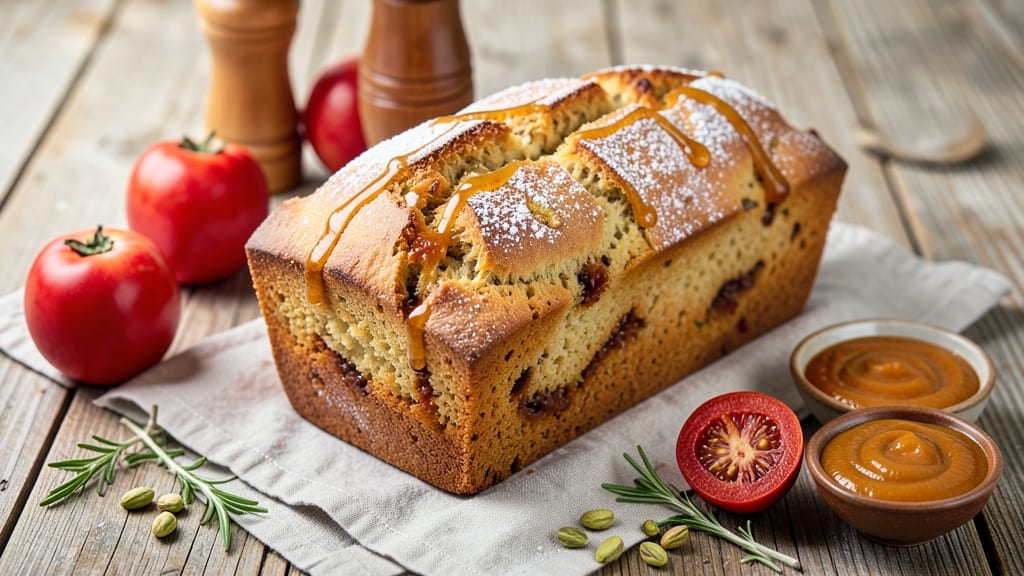
This American persimmon bread recipe delivers a warmly spiced loaf with a buttery crust that captures autumn's essence in every slice. The secret lies in ripe persimmons—sweet, jammy, and perfectly balanced with cinnamon and nutmeg.
I developed this recipe after years of baking with seasonal fruits, and it's become a staple in my kitchen during harvest months.
The bread's magic comes from a simple technique: blending persimmons with warm spices while keeping the dough tender. Unlike dense fruit breads, this loaf stays moist with a crisp exterior that's perfect for slicing.
The persimmons add natural sweetness without overpowering the buttery richness, making each bite a comforting balance of flavors.
Perfect for breakfast with butter or as an after-dinner treat, this bread pairs beautifully with coffee or tea. The recipe yields a loaf that's easy to adapt—swap persimmons for other seasonal fruits if needed.
Baking at 375°F for 50 minutes ensures a golden crust and tender crumb that's worth every minute of waiting.
Whether you're a seasoned baker or trying this for the first time, this persimmon bread delivers restaurant-quality results with minimal effort. The warm spices and tender texture make it a crowd-pleaser, and the buttery crust adds that final touch of indulgence. Let's get baking!
Ingredients for american persimmon bread
Warm spices, ripe persimmons, and buttery richness create this autumnal loaf's signature flavor.
| Ingredient | Amount | Notes |
|---|---|---|
| Ripe American Persimmons 🍠 | 1 ½ cups | Peeled, pureed, and strained |
| All-Purpose Flour 🌾 | 4 cups | Sifted for light texture |
| Granulated Sugar 🍚 | 1 cup | Light brown preferred |
| Unsalted Butter 🧈 | 1 cup | Cold, cubed for cutting |
| Large Eggs 🥚 | 2 whole | Room temperature |
| Milk 🥛 | 1 cup | Whole milk preferred |
| Ground Cinnamon 🌿 | 2 tsp | Freshly ground preferred |
| Ground Nutmeg 🌶️ | 1 tsp | Freshly grated nutmeg |
| Salt 🧂 | ½ tsp | Diamond Crystal preferred |
| Baking Soda 🧪 | 1 tsp | Freshly opened |
| Vanilla Extract 🌸 | 1 tbsp | Pure vanilla preferred |
| Toasted Walnuts 🥜 | 1 cup | Chopped, optional topping |
| Honey 🍯 | 2 tbsp | For brushing crust |
Persimmons are the heart of this recipe—look for fully ripe, soft-skinned fruits that yield to gentle pressure. Whole Foods or local farmers markets often carry the best selection during harvest season. If using frozen persimmons, thaw and drain excess liquid before pureeing. For optimal flavor, balance sweetness with 1.5 cups of ripe fruit—overripe persimmons can make the bread too dense. The walnuts? Costco or Trader Joe's sell pre-toasted walnuts in bulk, saving time and adding that satisfying crunch.
No ripe persimmons? Substitute 1.5 cups of pureed apple or pear for a similar texture, though the flavor will differ slightly. Running low on milk? Almond or oat milk work in a pinch, though the bread may be slightly less tender. For a deeper spice profile, add 0.5 tsp of cardamom alongside the cinnamon and nutmeg. The butter must be cold—cut it into cubes and refrigerate for 30 minutes before mixing to ensure proper dough texture. Prefer a sweeter loaf? Increase the sugar to 1.25 cups, but reduce the persimmon puree by 0.25 cups to maintain balance.
Store the baked loaf wrapped in a clean kitchen towel at room temperature for up to 3 days to maintain freshness. For longer storage, slice and freeze individual portions on a tray before transferring to a sealed bag—thaws beautifully in 10 minutes. The crust stays crisp when reheated for 5 minutes at 350°F. I always bake an extra loaf—it freezes perfectly for up to 3 months and makes quick toast on busy mornings. The persimmon puree can be prepped ahead and stored in the fridge for 3 days or frozen for 1 month
Why You'll Love This Recipe
- No Peel, No Hassle: I swear by this trick—just mash the ripe persimmons right into the batter. No peeling, no pitting, no mess. That sweet, honeyed fruit blends in like butter (literally, since we’re using butter here), and the dough comes together faster than you can say "fall harvest."
- Sweet-Spiced Magic: The persimmons bring this bread a caramel depth that’s ridiculously good—like a cross between pumpkin and apple pie, but in a loaf. Honestly, the cinnamon and nutmeg make it taste like autumn wrapped in a hug, and the butter keeps it moist for days.
- Breakfast or Snack Hero: Slice it warm with butter for a quick breakfast, or pack it in lunchboxes—it’s sturdy enough to handle kids’ backpacks. I’ve even used it as a base for French toast (yes, really), and it’s my go-to when I need something fast but still feels special.
- Leftovers That Last: This bread stays fresh for weeks if you wrap it tightly, and it’s cheap to make—persimmons are often underpriced in season. Between us, I’ve had a loaf last me through three workdays, and the flavor only gets better as it sits. Budget win, flavor win.
Step-by-step instructions for American persimmon bread
Master this technique, and you'll achieve a moist, fragrant loaf with a golden crust and perfect rise every time.
Prepare the Persimmon Puree
Begin by peeling the 1.5 cups ripe American persimmons and transferring them to a food processor. Process until completely smooth, then strain through a fine-mesh sieve to remove any remaining fibers. This step is crucial—fibers can make the bread dense. The puree should be thick but pourable, with a vibrant orange hue and a naturally sweet, slightly floral aroma.
Transfer the puree to a mixing bowl and set aside. I like to taste it at this stage to verify ripeness—ripe persimmons should be sweet with just a hint of tang. If it's too acidic, the bread may develop an off flavor. This puree will serve as the bread's natural sweetener and moisture source, replacing some of the sugar and fat.
Cream Butter and Sugar
In a stand mixer fitted with the paddle attachment, beat the 1 cup unsalted butter (cold and cubed) with the 1 cup granulated sugar on medium speed for 3-4 minutes. The mixture should lighten in color and become fluffy, nearly doubling in volume. This aeration creates pockets for the leavening agents to work their magic later.
Scrape down the sides of the bowl with a rubber spatula to ensure even mixing. Here's where precision matters: the butter should be fully incorporated but still hold its shape when pressed. If it's too soft, chill the bowl for 10 minutes before proceeding. This step builds the bread's structure and ensures a tender crumb.
Combine Wet Ingredients
Add the 2 whole large eggs (room temperature) one at a time, mixing on low speed after each addition until fully incorporated. Then add the 1 tbsp vanilla extract and the persimmon puree. Mix on low speed for 1 minute until smooth. The batter should be thick but pourable, with a vibrant orange tint from the persimmons.
In a separate bowl, whisk together the 1 cup milk, 2 tsp ground cinnamon, 1 tsp ground nutmeg, 0.5 tsp salt, and 1 tsp baking soda. Pour this mixture into the wet ingredients and mix on low speed for 30 seconds until just combined. Overmixing develops gluten, which can make the bread tough. The batter should be smooth with no visible streaks of flour.
Fold in Flour and Walnuts
Gradually add the 4 cups all-purpose flour to the batter, mixing on low speed until the dough comes together. Avoid overmixing—just until the flour is fully incorporated. Remove the bowl from the mixer and fold in the 1 cup toasted walnuts by hand with a rubber spatula. This ensures even distribution and prevents the walnuts from sinking to the bottom.
The dough will be thick and sticky, resembling a dense cake batter. This is normal—persimmon bread relies on moisture for its tender texture. If the dough feels too stiff, add 1-2 tablespoons of milk to loosen it. Transfer the dough to a greased 9x5-inch loaf pan and smooth the top with a spatula.
Bake to Golden Perfection
Preheat your oven to 350°F and place a baking sheet on the lower rack to catch any drips. Brush the top of the dough with 2 tbsp honey using the back of a spoon, then sprinkle with an additional ½ tsp cinnamon for extra flavor. Bake for 50-60 minutes, or until a toothpick inserted into the center comes out clean and the top is golden brown.
Here's the key: the bread is done when the internal temperature reaches 205-210°F. If the top browns too quickly, tent the pan with foil. The bread should rise slightly in the pan but not overflow. Let it cool in the pan for 10 minutes, then transfer to a wire rack to cool completely. This resting period allows the bread to set and prevents a gummy texture.
Pro Tips For Making American Persimmon Bread
- Mash Persimmons Cold: American persimmons get gummy when overworked—chill the fruit for 30 minutes first, then mash it with a fork (not a blender) while still slightly firm. This keeps the texture tight and avoids that sad, gluey bread center that makes you want to throw the whole loaf out.
- Use Room-Temp Butter: Cold butter makes for a dry, crumbly bread, and nobody wants that. Let your butter sit out for 15–20 minutes before creaming it with the sugar—just soft enough to press a thumbprint into it. This ensures a tender crumb that actually holds up to the persimmon’s natural moisture.
- Don’t Overmix the Dough: Once you fold in the persimmon purée, stop mixing the second the flour is just combined. Overworking it develops gluten, and suddenly you’ve got a dense, chewy loaf instead of the light, cake-like texture this bread should have. Two turns of a spatula is all it takes.
- Bake at 325°F, Not Higher: I learned this the hard way—350°F makes the top brown too fast while the middle stays doughy. Stick to 325°F and bake until a toothpick comes out clean (about 50–60 minutes), or you’ll end up with a crusty shell hiding raw batter inside. Yes, it’s slower, but it’s worth it.
Creative variations of american persimmon bread
Spiced Rum Twist
Add 1 tbsp dark rum to the persimmon puree before mixing it with wet ingredients for a boozy depth. I like Kraken Black Spiced Rum—its molasses notes complement the warm spices beautifully.
For a subtle kick, add ¼ tsp cinnamon stick syrup (simmer 1 cinnamon stick in ¼ cup water for 10 minutes) to the honey glaze before brushing. 🍷
Apple-Cranberry Fusion
Swap 0.5 cups of persimmon puree for finely chopped apples and cranberries (tossed with 1 tsp lemon juice) for a tart-sweet contrast. Use ½ cup diced Granny Smith apples and ½ cup dried cranberries (soaked in 2 tbsp orange juice for 15 minutes).
Fold these into the dough after adding flour—this keeps their texture intact. 🍎
Pumpkin-Spice Swap
Replace 0.75 cups of persimmon puree with 1 cup pumpkin puree (not pumpkin pie filling) for a fall classic. Boost the spices to 3 tsp cinnamon and 1.5 tsp nutmeg, then add ½ tsp ginger for warmth.
The texture stays moist, but the flavor shifts to cozy pumpkin bread territory. 🎃
Chocolate-Dipped Luxury
After baking, let the loaf cool completely, then dip the bottom half in melted dark chocolate (use 60% cocoa like Ghirardelli). Sprinkle with toasted pecans before the chocolate sets. This adds a decadent twist—perfect for gifting or special occasions. 🍫
Savory Herb Variation
For a breakfast loaf, reduce sugar to ½ cup and add 1 tbsp fresh rosemary and 1 tbsp fresh thyme (finely chopped) to the dough. Top with 1 cup shredded Gruyère cheese before baking. The herbs cut through the fruit's sweetness, making it ideal with scrambled eggs. 🧀
Gluten-Free Adaptation
Replace 2 cups all-purpose flour with 2 cups gluten-free 1:1 baking flour (like Bob's Red Mill) and add 1 tbsp xanthan gum. Use ½ cup almond flour for extra moisture. The texture stays tender, though the crumb will be slightly denser. 🌾✨
Nutrition facts
Frequently asked questions
Why does my persimmon bread turn out dense instead of tender?
Overmixing the dough or using unripe persimmons are the most common culprits. Always strain the puree thoroughly to remove fibers, and mix just until the flour is incorporated. For extra moisture, add 1-2 tbsp milk if the dough feels too stiff. Ripe persimmons should be soft and sweet—test by pressing gently.
Can I substitute dried persimmons for fresh ones?
Yes, but with adjustments! Soak ½ cup dried persimmons in warm water for 30 minutes, then blend until smooth. Use 1 cup of this puree (it's more concentrated) and reduce the sugar by 2 tbsp to balance the sweetness. The texture will be slightly denser but still delicious.
How do I know when the bread is fully baked?
The bread is done when a toothpick comes out clean AND the internal temperature reaches 205-210°F. Look for a golden-brown crust and slight pull from the pan edges. If the top browns too quickly, tent with foil for the last 15 minutes to prevent over-browning while cooking through.
What's the best way to store persimmon bread?
Wrap the cooled loaf tightly in plastic wrap or foil to preserve moisture. Store at room temperature for 3 days or freeze for up to 3 months. For reheating, wrap a slice in foil and warm in a 350°F oven for 5 minutes to restore freshness. The crust stays crisp best when reheated!
Can I make this bread without a mixer?
Use a sturdy bowl and wooden spoon to cream the butter and sugar—just mix vigorously for 5-6 minutes until light and fluffy. For the wet ingredients, whisk by hand until combined. The dough will be thicker, but the texture remains tender. A rubber spatula helps fold in the walnuts without overmixing.