
Side Dishes
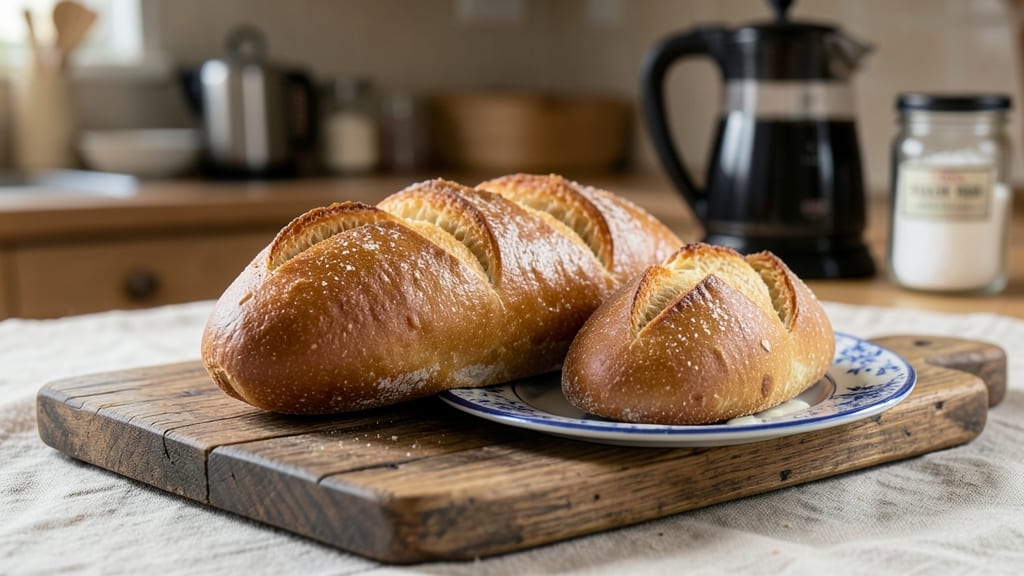
This amazing French bread recipe transforms your kitchen into a Parisian bakery with just five simple ingredients and a little patience. The secret lies in the dough's development—kneading until it becomes silky smooth and letting it rise until it nearly doubles in size.
I've perfected this technique over years of baking, and the results are always crispy golden crusts with an airy interior that melts in your mouth.
What sets this recipe apart is the focus on traditional methods without sacrificing convenience. You'll learn how to properly knead, proof, shape, and score the dough for that iconic French bread look. The dough is incredibly forgiving, so even if you're new to baking, you'll end up with restaurant-quality results.
A 30-minute prep time leads to a golden-brown loaf that smells like a Parisian café.
Imagine pulling a perfectly baked loaf from your oven, its crust crackling with every bite while the inside remains soft and pillowy. This bread pairs beautifully with butter, soups, or charcuterie boards—it's the ultimate side dish that elevates any meal.
The best part? You'll have enough dough for two loaves, so you can enjoy fresh bread twice in one day.
Ready to master the art of French bread? This recipe includes tips for achieving that perfect crust and variations like whole wheat or sourdough. Let's get started on creating bread that'll make your kitchen smell like a Parisian bakery.
Ingredients for amazing french bread
Five simple ingredients transform your kitchen into a Parisian bakery with golden crusts and airy interiors.
| Ingredient | Amount | Notes |
|---|---|---|
| All-Purpose Flour 🌾 | 5 cups | Unbleached preferred for best texture |
| Active Dry Yeast 🍞 | ¼ oz | Or 2 1/4 tsp, ensure fresh |
| Granulated Sugar 🍬 | ½ tsp | Feeds yeast for activation |
| Salt 🧂 | 2 tsp | Diamond Crystal preferred |
| Unsalted Butter 🧈 | ½ cup | Cold, cubed for best flavor |
| Warm Water 💧 | 1 ¼ cups | 110°F for ideal yeast activation |
| Cornmeal 🌽 | ¼ cup | For dusting baking sheets |
| Large Egg 🥚 | 1 whole | For egg wash (optional) |
| Coarse Sea Salt 🧂 | 1 tsp | For sprinkling crust |
| Olive Oil 🫒 | 1 tbsp | For dough shaping |
The flour is non-negotiable—King Arthur or Gold Medal make all the difference here. Unbleached gives that perfect texture, but if you only have bleached, it'll still work. Yeast is the magic ingredient: check the expiration date—old yeast won't activate properly. Warm water is crucial (110°F is ideal), but if you don't have a thermometer, just dip your pinky finger in—it should feel warm but not hot. I always buy my butter from Trader Joe's for the best price and quality. The salt? Diamond Crystal dissolves better than table salt, making a real difference in flavor.
No yeast? Instant yeast works too—just use the same amount. Running short on butter? Olive oil or shortening in a pinch, though butter gives that unmistakable flavor. Forgot the egg wash? Melted butter alone works too. The cornmeal is just for dusting—use semolina if you're feeling fancy, but it's not necessary. Want extra flavor? Add 1 tsp garlic powder or dried herbs to the dough. And if you're making two loaves, divide the dough evenly—uneven loaves bake unevenly.
This dough is a dream to work with—it's forgiving and flexible. Keep it covered at room temp for up to 24 hours if you need to slow down the process. For the perfect crust, bake until internal temp hits 190°F. Store wrapped at room temp for 2 days or freeze for 3 months. Pro tip: Revive stale bread by sprinkling with water and toasting—it'll taste fresh again!
Why You'll Love This Recipe
- No-Knead Magic: I swear by this—just mix the flour, yeast, sugar, and a pinch of salt, let it rest while I make dinner, then shape it. The butter brushed on top? That’s the secret to golden, pillowy perfection without a single sweat drop.
- Buttery Crust, Soft Soul: That crispy exterior with a tender crumb inside? It’s all thanks to the butter baked right into the dough. Honestly, I’ve tried store-bought, but this tastes like a Parisian bakery—just with fewer pretensions.
- Weeknight Hero: Toss it in the oven while you grill steaks or roast veggies—it’s done in the same time. My go-to: warm bread with garlic butter, ready in 10 minutes flat. (Yes, even on a Tuesday night.)
- Budget-Friendly Staple: Flour, yeast, sugar, butter—these are pantry basics that stretch into loaves for days. Freeze extras for toast or soup dippers later. I’ve fed a crowd for under $5 with this recipe.
Step-by-step instructions for perfect French bread
Here's how to craft that iconic buttery crust and light, airy interior—every time.
Activate the Yeast and Mix the Dough
In a large bowl, whisk together the 1.25 cups warm water (about 110°F), 0.5 tsp granulated sugar, and 0.25 oz active dry yeast. Let it sit for 5-10 minutes until frothy—this means your yeast is alive and ready to work. If it doesn't bubble, your yeast might be stale, and you'll need to start over.
In a separate bowl, combine the 5 cups all-purpose flour and 2 tsp salt. Make a well in the center and pour in the yeast mixture along with the 0.5 cup cold unsalted butter, cut into small cubes. Mix with a wooden spoon until a shaggy dough forms, then turn it out onto a lightly floured surface. Here's the thing—you want to handle the dough as little as possible at first to avoid overdeveloping the gluten too early.
Knead Until Smooth and Elastic
Knead the dough for about 8-10 minutes by hand, or 5-6 minutes in a stand mixer with a dough hook, until it becomes smooth and springs back when poked. You'll know it's ready when it pulls away cleanly from the bowl and forms a windowpane when stretched thin. This step develops the gluten, which gives French bread its signature chewiness and structure.
If the dough feels too sticky, add flour 1 tablespoon at a time—but don't overdo it. Too much flour makes the bread dense. Once it's just right, place the dough in a lightly oiled bowl, cover it with a damp towel, and let it rise in a warm place for 1-2 hours, or until it doubles in size. The kitchen counter works great, or you can use a slightly warmed oven with the light on.
Shape and Let It Rise Again
Turn the dough onto a floured surface and divide it into 6 equal pieces. Roll each piece into a 12-inch log, tapering the ends slightly to mimic a classic French baguette shape. Here's a pro tip: use the 1 tbsp olive oil to lightly coat your hands while shaping—this keeps the dough from sticking and makes it easier to handle.
Place the shaped loaves on a baking sheet dusted with 0.25 cup cornmeal, cover them with a damp towel, and let them rise again for 30-45 minutes. They should puff up noticeably and look slightly domed. If you're using the optional 1 whole large egg for an egg wash, beat it lightly with a pinch of salt and brush it over the loaves just before baking for that golden, glossy finish.
Bake for a Crispy Crust and Airy Crumb
Preheat your oven to 425°F and place a baking stone or inverted baking sheet on the middle rack. This helps create steam, which is key for that crispy crust. Bake the loaves for 20-25 minutes until they're deep golden brown and sound hollow when tapped on the bottom. If you're sprinkling the 1 tsp coarse sea salt on top, do it about 5 minutes before the end of baking time so it adheres properly.
For extra crispiness, transfer the loaves to a wire rack and let them cool for 10 minutes before slicing. This resting time is crucial—it lets the bread set and prevents a gummy interior. The crust should be shatteringly crisp, and the interior should be light, airy, and just slightly chewy. Serve warm with your favorite butter or jam for the ultimate experience!
Pro Tips For Making Amazing French Bread
- KNEAD LESS, REST MORE: I used to overwork the dough thinking more kneading = better bread, but this recipe doesn’t need it. After mixing, just do 5-6 vigorous stretches and folds during the first hour of bulk fermentation—then let it double naturally. The gluten develops better with patience than brute force.
- SALT THE BUTTER: Skip the extra salt in the dough if using unsalted butter—it’s already got salt. Instead, dissolve the yeast in warm water with half the sugar (the rest goes in the dough), then mix in the butter last. This keeps the yeast happy and prevents a flat, dense crumb.
- DON’T SKIP THE COLD PROOF: After shaping, refrigerate the dough overnight (yes, even if you’re eager). The cold slows fermentation, letting flavors meld and gluten relax—this makes scoring easier and gives you that perfect open crumb. I know, I know, but trust the process.
- STEAM THE OVEN: Before baking, spray the oven rack and floor with water, then close the door for 5 minutes. The steam mimics a bakery’s deck oven, giving you that golden crust and chewy interior. No fancy equipment needed—just a spray bottle and a little wait time.
Best sauces and condiments for amazing french bread
Classic Garlic Butter
Nothing beats warm French bread slathered with garlic butter—it’s the ultimate pairing for that crispy crust. I melt ½ cup unsalted butter with 2 minced garlic cloves and a pinch of salt over low heat until fragrant.
Spread it generously on freshly baked bread while still warm. For extra richness, add 1 tbsp chopped parsley at the end. 🧈
Herb-Infused Olive Oil
Drizzle 2 tbsp extra-virgin olive oil infused with 1 tsp dried rosemary, 1 tsp dried thyme, and a pinch of black pepper over sliced bread. Let it soak in for 5 minutes before serving.
This Mediterranean twist adds a fragrant, herby depth that pairs beautifully with soups or salads. I buy my herbs from Penzeys Spices for the best flavor. 🌿
Honey and Sea Salt
Combine 2 tbsp local honey with a pinch of flaky sea salt for a sweet-savory contrast. Warm the honey slightly to make it spreadable, then brush it over the crust.
This combo works amazingly with goat cheese or as a topping for tomato-based dishes. Store-bought honey works, but raw honey from a farmers' market elevates it further. 🍯
Whole Grain Mustard
Mix 1 tbsp Dijon mustard with 1 tbsp melted butter and a splash of lemon juice for a tangy kick. Spread this on warm bread slices and top with thinly sliced turkey or avocado.
The mustard’s sharpness cuts through the bread’s richness, balancing flavors perfectly. I reach for Maille mustard for its smooth texture. 🌶️
Spicy Harissa
For heat lovers, blend 1 tbsp harissa paste with 2 tbsp olive oil and a pinch of cumin. Spread this bold, smoky-sweet sauce on toasted bread and pair with hummus or grilled meats.
The harissa’s depth complements the bread’s crust beautifully. Look for Schar harissa at specialty stores for authentic flavor. 🔥
Sweet Almond Cream
Whip ½ cup almond butter with 1 tbsp maple syrup and a splash of vanilla extract until smooth. Spread this nutty-sweet cream on bread and top with sliced almonds for crunch.
It’s a fantastic alternative for those avoiding dairy, and the almond flavor adds a sophisticated twist. Annie’s almond butter is my go-to for consistency. 🌰
Nutrition facts
Frequently asked questions
Why does my French bread turn out dense instead of airy?
Over-kneading or adding too much flour are the most common culprits. Knead just until the dough springs back when poked (8-10 minutes by hand), and only add flour if absolutely necessary. Also ensure your yeast is fresh and the water is 110°F—too hot kills yeast, too cold slows activation.
Can I make this recipe without a stand mixer?
French bread dough is perfect for hand-kneading. Work it on a floured surface for 8-10 minutes until smooth and elastic. The extra effort actually develops more gluten, which gives that classic chewy texture. Just use your knuckles for pressure—no fancy equipment needed!
How do I get that perfect golden crust like bakery bread?
Steam is your secret weapon! Preheat your oven with a baking stone or inverted sheet pan on the middle rack. Right before baking, spray the loaves with water or place an ice cube in the oven to create steam. Bake at 425°F for 20-25 minutes—the crust should be deep golden brown.
What's the best way to store leftover French bread?
Wrap cooled loaves tightly in plastic wrap or a bread bag, then store at room temperature for 2 days. For longer storage, freeze for up to 3 months. To revive stale bread, sprinkle with water and toast until crispy—it'll taste fresh again!
Can I substitute whole wheat flour for all-purpose?
Yes, but with adjustments! Replace 2 cups of all-purpose with whole wheat, then add 1 extra tbsp vital wheat gluten and 1 extra tbsp water. Whole wheat absorbs more moisture and lacks gluten strength, so these tweaks help maintain the airy texture. The flavor will be nuttier and slightly denser.