
Side Dishes
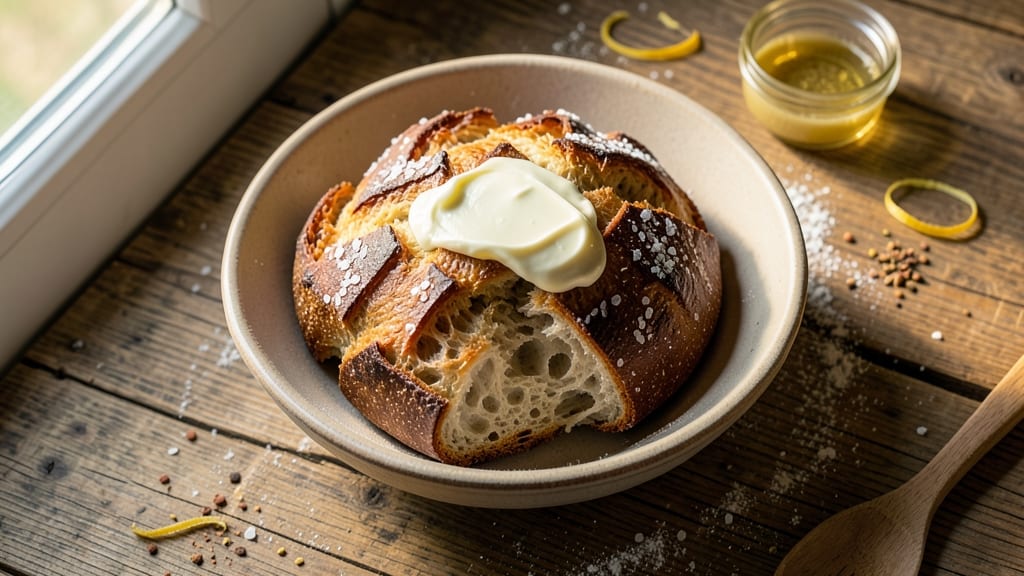
Alvin Ord's bread recipe delivers that perfect balance of crispy crust and soft, airy interior that makes every slice worth savoring. This artisan-style loaf transforms simple ingredients into a rustic masterpiece with a method that's been refined over generations. The secret lies in precise kneading, patient proofing, and high-heat baking—techniques that ensure that signature texture you crave.
The dough begins with a straightforward mix of flour, water, yeast, and salt, but it's the hands-on kneading that develops the gluten for that satisfying chew. Letting the dough rise twice—first at room temperature, then in the refrigerator—builds flavor and creates those delicate air pockets.
When baked, the crust achieves a golden, crackly perfection while the interior remains tender and inviting.
What sets this bread apart is its versatility—perfect for toast, sandwiches, or simply enjoyed with butter straight from the oven. The aroma alone will fill your kitchen with warmth, making it a centerpiece for any meal.
Whether you're baking for a crowd or treating yourself to homemade goodness, this recipe delivers professional-quality results every time.
Ready to master the art of bread baking? The process is methodical but rewarding, with each step playing a crucial role in achieving that ideal balance of texture and flavor. Let's get started on creating your own loaf of Alvin Ord's bread.
Ingredients for alvin ord's bread
Classic artisan bread ingredients transformed into a loaf with restaurant-quality texture.
| Ingredient | Amount | Notes |
|---|---|---|
| All-Purpose Flour 🌾 | 4 cups | High-protein preferred for chewiness |
| Active Dry Yeast 🍞 | ¼ oz | Or 2 1/4 tsp (1 packet) |
| Granulated Sugar 🍚 | ½ tbsp | Feeds yeast for activation |
| Salt 🧂 | 1 ½ tsp | Kosher or sea salt preferred |
| Warm Water 💧 | 1 ¼ cups | 110°F (43°C) ideal temperature |
| Unsalted Butter 🧈 | ¼ cup | Cold, cubed for dough enrichment |
| Cornmeal 🌽 | ¼ cup | For dusting bread pan |
| Egg Wash 🥚 | 1 whole | 1 egg beaten with 1 tbsp water |
| Coarse Sea Salt 🧂 | 1 tsp | For crust sprinkling |
| Sesame Seeds 🌿 | 1 tbsp | Optional for decorative crust |
The flour is the foundation—King Arthur or Caputo Tipo 00 elevate texture, but all-purpose works for a reliable home loaf. Yeast quality matters: Saf-Instant or Red Star brands activate predictably. The water temperature is critical—too hot kills yeast, too cold slows fermentation. I use a kitchen thermometer to confirm 110°F. For butter, Plugrá or Land O'Lakes work well, but any unsalted brand keeps the dough tender without overpowering flavor. Store flour in a cool, dark place to preserve freshness—it loses potency after 3 months.
No yeast? Sourdough starter at 1/4 cup replaces it, but proofing time doubles. Short on butter? Olive oil at half the amount maintains moisture. The cornmeal can be swapped for semolina for extra crust crunch. For a lighter loaf, add 1 tbsp vital wheat gluten to the flour. The egg wash adds shine—vegetable oil spray works in a pinch, though it lacks the golden finish. Sesame seeds? Poppy seeds or everything bagel seasoning add visual appeal without altering texture.
Mix the dough and let it rest in the fridge overnight for 12-18 hours—this slow fermentation builds depth. The dough doubles in size during proofing, so don't overcrowd the pan. For storage, wrap cooled bread in a clean kitchen towel and keep at room temperature for 3 days. To revive stale bread, sprinkle with water and toast until crisp. Freeze slices for up to 3 months—wrap individually to prevent freezer burn. The crust stays crisp for 24 hours if stored in an airtight container.
Why You'll Love This Recipe
- Five-Ingredient Magic: I swear, this bread only needs flour, yeast, sugar, salt, and warm water—no fancy add-ins, no stress. The simplicity is what makes it actually foolproof, even when I’m too tired to measure properly.
- Golden Crust, Soft Core: That first bite? Crispy exterior with a pillowy inside—like a hug from a bakery. The sugar caramelizes just enough to give it a subtle sweetness that pairs with everything (jam, butter, soup—you name it).
- Weeknight Wonder: Toss together the dough, let it rise while you fold laundry, and bake it while dinner simmers. Honestly, I’ve made this while watching a movie—it’s that unfussy. Perfect for when you need bread but don’t want to plan.
- Budget-Friendly Staple: A single batch costs pennies and stretches into toast, sandwiches, or even breadcrumbs for days. Between us, this is the bread that actually gets eaten, not forgotten in the back of the pantry.
Step-by-step instructions for Alvin Ord's bread recipe
Mastering this artisan-style bread delivers a satisfyingly crisp exterior with a tender, airy interior—here's how to nail it every time.
Activate the Yeast for Maximum Rise
In a small bowl, combine the 1.25 cups warm water (about 110°F) with the 0.5 tbsp granulated sugar and 0.25 oz active dry yeast. Let it sit for 5-10 minutes until you see vigorous bubbling—this confirms your yeast is alive and ready to work. If it doesn't bubble after 10 minutes, your yeast may be dead, and you'll need to start over.
I like to test the water temperature with my wrist—it should feel pleasantly warm, like a hot bath, not scalding. Too hot water kills yeast instantly, while too cold water prevents activation. The sugar jumpstarts fermentation, so don't skip this step even if your water is perfectly warm.
Mix the Dough Until Windowpane Stage
In the bowl of a stand mixer fitted with the dough hook, combine the 4 cups all-purpose flour and 1.5 tsp salt. Add the yeast mixture and mix on low speed for 2 minutes until combined. Then add the 0.25 cup cold cubed butter and continue mixing on medium speed for 5-7 minutes.
You'll know the dough is ready when it forms a smooth, elastic ball that cleans the sides of the bowl and creates a windowpane when you stretch a small piece—this means the gluten has developed properly for that perfect artisan texture. The dough should be slightly tacky but not sticky; if it sticks to your fingers, add 1 tablespoon flour at a time until it reaches the right consistency.
Knead and Let the Dough Rest
Transfer the dough to a lightly floured surface and knead gently for 2-3 minutes to strengthen the gluten further. Then place it back in the bowl, cover with a damp towel, and let it rise in a warm place for 1-2 hours or until it has doubled in size. The dough should feel light and airy when pressed gently—this indicates proper fermentation.
I always place my dough bowl in a slightly warm oven (with the light on) for consistent rising. If your kitchen is cold, this helps create the ideal environment. The first rise is crucial—it develops flavor and structure. Don't rush this step, even if you're eager to bake.
Shape and Second Rise for Crispy Crust
Punch down the risen dough to release air, then shape it into a round loaf. Place it seam-side up in a greased 9x5-inch loaf pan dusted with 0.25 cup cornmeal. Cover and let it rise again for 30-45 minutes until it domes slightly above the pan.
The cornmeal creates a barrier that prevents sticking and helps develop that beautiful crust. For extra flavor, brush the top with the egg wash (1 egg beaten with 1 tbsp water) and sprinkle with 1 tsp coarse sea salt and 1 tbsp sesame seeds before baking. This gives the bread its signature decorative finish and crispy texture.
Bake for Perfect Crust and Interior
Preheat your oven to 375°F and bake the bread for 35-40 minutes until the top is golden brown and a toothpick inserted into the center comes out clean. The internal temperature should reach 190-200°F—this ensures a soft, fully baked interior.
For that artisan-style crust, I like to bake the bread on the middle rack where heat circulates evenly. If the top browns too quickly, tent it loosely with foil. Let the bread cool in the pan for 10 minutes before transferring to a wire rack. This resting period prevents a gummy interior and allows the crust to set properly.
Pro Tips For Making Alvin Ord'S Bread
- TEST YEAST FIRST: Alvin Ord’s recipe relies on yeast, and nothing’s worse than waiting to find out it’s dead. Mix a pinch of yeast with a spoon of warm water and 1 teaspoon sugar—if it bubbles in 5 minutes, you’re good. No bubbles? Hit the store for fresh yeast. (I learned this the hard way after a sad, flat loaf.)
- WEIGH YOUR FLOUR: Scooping flour from the bag adds air and ruins consistency. Use a kitchen scale for the all-purpose flour—Alvin Ord’s recipe counts on precision. Two cups isn’t always 250 grams, and that tiny difference matters when the dough feels off. (Yes, even if you’re impatient like me.)
- KNEAD LESS, FOLD MORE: This isn’t your grandma’s bread—over-kneading makes the dough tough. After the initial mix, do 3-4 sets of stretch-and-folds (pull one side, fold over) instead of punching it like a stress ball. The gluten develops just enough for a tender crumb without gummy texture. (Sounds weird, but it works.)
- PROOF IN A COOLER: If your kitchen’s too warm, the dough will rise too fast and collapse. Pop the shaped loaf in the fridge for 30 minutes before the final proof—slows fermentation and gives you time to preheat the oven. (Your future self will thank you when the crust isn’t cracked.)
Serving suggestions for alvin ord's bread
Classic Butter Toast
Warm slices of this bread with European-style cultured butter—like Plugrá or Kerrygold—creates the ultimate breakfast or snack. I melt about 1 tbsp butter per slice in a skillet over low heat until golden and fragrant, then toast the bread until crisp.
For extra richness, sprinkle with flaky sea salt and a pinch of ground black pepper. 🧈
Gourmet Sandwiches
This bread's crisp crust and soft interior make it perfect for hearty sandwiches. Try a grilled chicken panini with provolone cheese, avocado, and honey mustard—the crust holds up beautifully when toasted in a panini press at 375°F for 3-4 minutes.
For a lighter option, layer turkey, Swiss cheese, and creamy herb spread on fresh slices.
Cheese and Charcuterie
Slice the bread into ½-inch thick pieces and arrange on a board with aged cheddar, brie, and sharp gouda. Pair with prosciutto, salami, and cornichons for a rustic spread.
The bread's crust adds satisfying texture while absorbing flavors beautifully. For a sweet-savory twist, add fig jam or honeycomb alongside the cheese.
Soup Companion
This bread pairs wonderfully with creamy soups like tomato basil or butternut squash. Tear into irregular chunks and drop into the soup to soak up flavors.
For extra indulgence, toast the bread with garlic butter before serving. The crust stays crisp while the interior softens perfectly in 10-15 minutes of simmering.
Dessert Twist
Drizzle warm bread with melted dark chocolate (I use 70% Valrhona) and sprinkle with flaky salt for a decadent treat.
Alternatively, make French toast by dipping slices in a mix of 2 eggs, ¼ cup milk, 1 tsp vanilla, and 1 tbsp cinnamon, then pan-fry in butter until golden. The crust adds a delightful crunch to every bite. 🍫
Meal Prep Storage
Store leftover bread in a canvas-lined basket at room temperature for up to 3 days to maintain freshness. For longer storage, wrap slices in parchment paper and freeze for up to 3 months.
Reheat in a toaster oven at 350°F for 5 minutes or toaster for 2-3 minutes to restore crispness. The crust stays satisfyingly crunchy when properly stored! ⏰
Nutrition facts
Frequently asked questions
Why does Alvin Ord's bread have a crispy crust but soft interior?
The secret lies in the two-stage proofing and high-heat baking. The first rise at room temperature develops gluten structure, while the cold proof in the fridge enhances flavor. When baked at 375°F, the exterior sets quickly while the steam inside keeps the center tender. The butter and egg wash also contribute to that perfect contrast.
Can I make this bread without a stand mixer?
Mix the dough by hand in a large bowl, then knead on a floured surface for 10-12 minutes until smooth and elastic. The windowpane test (stretching dough thin enough to see light) confirms proper gluten development. Just be prepared for more arm work—this bread rewards patience!
What if my dough doesn't rise properly?
Check three things: yeast freshness (test in warm water first), water temperature (110°F is ideal), and warm environment. If your kitchen is cold, place the dough bowl in a turned-off oven with the light on. For extra help, add ½ tsp sugar to feed the yeast. If all else fails, try fresh yeast—old packets lose potency.
How do I store Alvin Ord's bread to keep it fresh longer?
Wrap cooled bread in a clean kitchen towel and store at room temperature for 3 days in a canvas basket. For longer storage, freeze slices wrapped in parchment paper for up to 3 months. To revive, toast in a toaster oven at 350°F for 5 minutes—this restores that satisfying crust!
Can I add herbs or seeds to this recipe?
Yes! Mix in 1 tbsp dried herbs (like rosemary or thyme) or 2 tbsp seeds (sesame, poppy, or flax) with the flour. For maximum flavor, toast seeds in a dry pan for 2 minutes before adding. Just reduce water slightly if the dough becomes too sticky. The crust will have beautiful speckles!