
Side Dishes
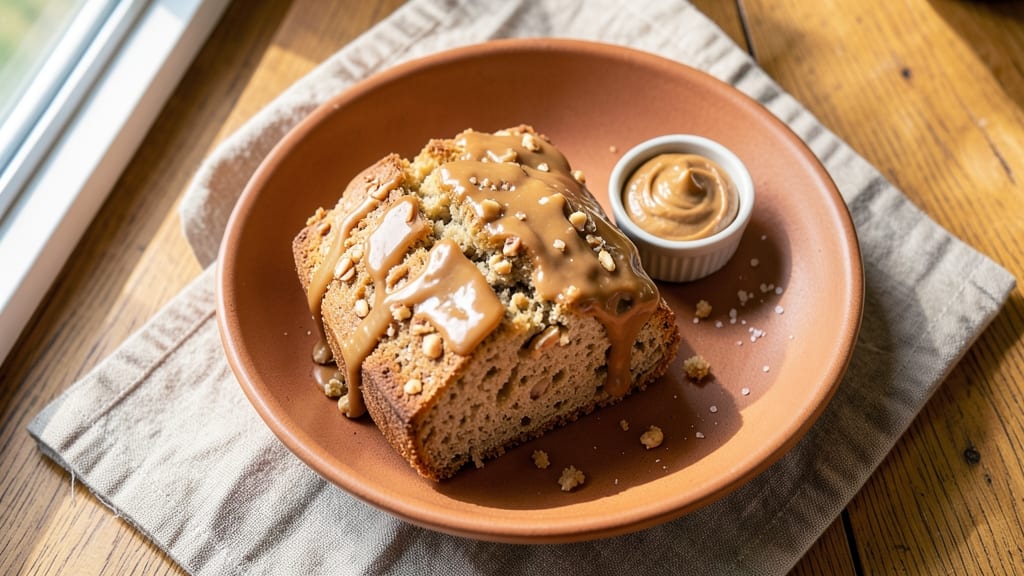
This almond pulp bread recipe transforms humble almond byproducts into a surprisingly tender, nut-filled loaf with no added fat—just pure plant-powered goodness. The secret lies in almond pulp, a fiber-rich byproduct from almond milk production, which replaces traditional fats while delivering a moist, slightly sweet crumb.
I developed this recipe after discovering how versatile almond pulp could be in baking, and it's become a staple in my kitchen for its impressive texture and nutritional profile.
The beauty of this recipe is its simplicity: no kneading required, just a few pantry staples and about 45 minutes of active time (plus proofing).
The dough comes together effortlessly when you combine almond pulp with basic bread ingredients, creating a loaf that's naturally moist thanks to the pulp's high water content. What makes it special is how the almond pulp infuses every bite with a subtle, nutty depth without overpowering the bread's natural flavor.
When baked to a perfect golden brown, this bread yields a tender crumb with pockets of almond flecks throughout—no added oil needed. The result is a loaf that's ideal for toast, sandwiches, or simply enjoyed with butter (or almond butter, for a vegan twist).
The best part? It's packed with plant-based protein and fiber, making it a nourishing choice that still satisfies like traditional bread.
Perfect for those following plant-based diets or simply looking to reduce fat content, this recipe delivers restaurant-quality results with minimal effort. Let's get started—your oven is about to become the center of a nutritious, flavorful transformation.
Ingredients for almond pulp bread
Transform humble almond byproducts into a nut-filled loaf with zero added fat—just plant-powered magic.
| Ingredient | Amount | Notes |
|---|---|---|
| Almond Pulp 🌰 | 1 ½ cups | Fresh or dried, from almond milk production |
| All-Purpose Flour 🌾 | 2 cups | Unbleached, for tender crumb |
| Quick-Rise Yeast 🍞 | 1 tbsp | Active dry or instant |
| Granulated Sugar 🍚 | ¼ cup | For yeast activation |
| Almond Butter 🥜 | ½ cup | Natural, unsweetened preferred |
| Warm Water 💧 | 1 cup | 110°F for yeast activation |
| Apple Cider Vinegar 🍏 | 1 tbsp | For tangy depth |
| Salt 🧂 | 1 ½ tsp | Fine sea salt preferred |
| Ground Flaxseed 🌾 | 1 tbsp | Mixed with 3 tbsp water for egg replacer |
| Chopped Almonds 🌰 | ½ cup | For texture and flavor |
| Olive Oil 🫒 | 2 tsp | For greasing the pan |
The almond pulp is the star here—look for it at health food stores or online specialty shops like Bob's Red Mill or Nuts.com. Fresh pulp has a vibrant color and moist texture; if dried, it should be plump and fragrant. Almond butter matters too—natural, unsweetened versions like Justin's or Almond Dream keep the flavor pure. For yeast, Fresh & Easy or Trader Joe's often have quick-rise options that work perfectly. The flaxseed egg substitute is a game-changer, but if you're in a rush, a chia seed gel works just as well. Don't skip the almond butter—it binds the dough beautifully while adding that nutty richness.
No almond pulp? Substitute with extra almond flour (use 1 cup) or even finely ground walnuts, though texture will differ slightly. Out of almond butter? Cashew butter or tahini work in a pinch, though flavor shifts toward earthier tones. The apple cider vinegar adds that subtle tang—lemon juice works too—but don't skip it entirely. For the flax egg, if you've got silken tofu, blend 0.25 cup with 0.5 cup water for a similar effect. The chopped almonds can be swapped for pecans or walnuts if you're feeling adventurous, but almonds keep the theme true. And yes, you can use store-bought almond flour if you're short on time, though fresh pulp gives the best texture.
This dough is best made fresh, but you can prep it 24 hours ahead and let it rise in the fridge—just bring it to room temp before shaping. The baked loaf keeps 3-4 days wrapped at room temperature or 1 week in the fridge. For longer storage, slice and freeze—3 months is easy. Reheat slices in a toaster or oven for that fresh-from-the-oven crunch. Pro tip: Brush warm slices with almond milk for a restaurant-quality finish. And yes, it freezes beautifully—just thaw overnight in the fridge before toasting.
Why You'll Love This Recipe
- No-Fuss Dough: Mixing this bread is like assembling a puzzle you already know fits—just toss in the almond pulp and flour, let the quick-rise yeast do its magic, and you’re done. No kneading, no waiting hours, just 10 minutes of hands-on time before you walk away.
- Nutty Depth: That almond pulp isn’t just filler—it’s the star. The natural sweetness from the almond butter and sugar balances the yeasty richness, giving you a loaf that’s actually moist without being cloying. (Yes, even my picky husband asks for seconds.)
- Meal-Prep Hero: Slice it fresh, toast it later—this bread holds up for days without drying out. Stash it in the fridge for quick breakfasts or pack it for lunches. Honestly, I’ve had it cold, warmed, and even toasted with jam—it’s that reliable.
- Budget Bright Spot: Almond pulp is often a byproduct of almond milk production, so it’s cheaper than buying pre-ground nuts. A little goes a long way, and the almond butter adds richness without breaking the bank. My wallet and my taste buds thank me.
Step-by-step instructions for almond pulp bread
Here's how to transform almond pulp into a rich, nutty loaf with a tender crumb—no butter needed!
Activate the Yeast and Prepare the Flax Egg
In a small bowl, whisk together the 1 cup warm water (about 110°F), 1 tbsp quick-rise yeast, and 0.25 cup granulated sugar. Let it sit for 5-7 minutes until frothy—this confirms the yeast is alive and ready to work. Meanwhile, mix 1 tbsp ground flaxseed with 3 tbsp water in a separate bowl and let it thicken for 5 minutes into a gel-like "egg" substitute.
This flax mixture replaces traditional eggs while adding fiber and moisture. The yeast activation is critical—if it doesn't foam, your bread won't rise properly. I always double-check the water temperature with my finger (should feel warm, not hot) to avoid killing the yeast.
Mix the Wet and Dry Ingredients
In a large mixing bowl, combine the 1.5 cups almond pulp, 0.5 cup almond butter, and the flax egg mixture. Stir until smooth, then add the 2 cups all-purpose flour, 1.5 tsp salt, and 1 tbsp apple cider vinegar. Mix with a wooden spoon until just combined—you want to avoid overworking the dough, which can make it tough.
The almond butter and pulp create natural richness, while the vinegar adds subtle tang. If the dough seems too sticky, gradually add 1-2 tablespoons more flour, but don't overdo it—this bread relies on moisture for its tender texture. The dough should be soft but manageable, not gluey.
Knead and Incorporate the Chopped Almonds
Turn the dough onto a lightly floured surface and knead for 5-7 minutes until smooth and elastic. Add the 0.5 cup chopped almonds and knead them in evenly. The dough should feel slightly tacky but cohesive—this is normal given the high moisture content from the almond pulp.
Kneading develops gluten, which gives the bread structure. I press down firmly with my knuckles to test doneness—if it springs back slowly, it's ready. The chopped almonds add texture and prevent the loaf from becoming too dense. Fold them in gently to avoid breaking them into powder.
First Rise and Shape the Loaf
Lightly grease a 9x5-inch loaf pan with 2 tsp olive oil and place the dough inside. Cover with a damp towel and let it rise in a warm place for 1-1.5 hours, or until it's puffed and reaches about 50% over its original size. Gently press two fingers into the dough—if the indentation stays, it's ready.
This rise is crucial for developing flavor and texture. I place my oven light on during this time to create a warm, consistent environment. Avoid over-rising, which can cause a dense loaf. Once risen, shape the dough into a neat rectangle by pressing the edges gently to fit the pan snugly.
Bake to a Golden, Nutty Perfection
Preheat your oven to 350°F. Bake the loaf for 45-50 minutes, until the top is golden brown and an instant-read thermometer inserted into the center reads 190-195°F. Tent the loaf with foil if the top browns too quickly before the internal temperature is reached.
The bread is done when it sounds hollow when tapped on the bottom. Let it cool in the pan for 10 minutes, then transfer to a wire rack. The almond pulp and butter create a moist, slightly sweet crumb with a subtle nutty aroma. Slice it warm for the best texture—each bite should be tender with pockets of almond flavor.
Pro Tips For Making Almond Pulp Bread
- Mix Almond Pulp Wet: DESCRIPTION:
- Proof at Room Temp: DESCRIPTION:
- Don’t Over-Knead: DESCRIPTION:
- Brush with Almond Butter: DESCRIPTION:
Regional styles of these flavors
Mediterranean Almond Bread
Inspired by traditional Mediterranean baking, this variation swaps almond butter for 2 tbsp tahini and adds 1 tsp ground cinnamon to the dough. Fold in ¼ cup chopped pistachios with the almonds for a nutty, Middle Eastern twist.
Brush the baked loaf with 1 tbsp orange blossom water mixed with 1 tsp maple syrup for an aromatic finish. This version pairs beautifully with hummus or labneh for breakfast. 🌿
Southern U.S. Sweet Loaf
For a Southern-inspired take, reduce the almond butter to ¼ cup and add ½ cup mashed banana and 1 tsp vanilla extract to the wet ingredients. Fold in ¼ cup pecans instead of almonds.
After baking, drizzle with 2 tbsp melted coconut oil and sprinkle with 1 tbsp turbinado sugar for a caramelized crust. This version tastes like a cross between cornbread and banana bread—perfect for brunch. 🍯
Japanese-Inspired Almond Mochi Bread
Create a mochi-like texture by replacing ½ cup all-purpose flour with ½ cup glutinous rice flour and adding 1 tbsp matcha powder to the dry ingredients. Use ½ cup white miso paste instead of almond butter for umami depth.
After baking, dust with 1 tsp kinako (roasted soybean flour) for a Japanese-inspired finish. This dense, slightly chewy loaf pairs wonderfully with green tea. 🍵
European Seed Bread Adaptation
For a rustic European style, reduce the almond butter to ¼ cup and add 2 tbsp sunflower seeds and 2 tbsp pumpkin seeds to the dough. Replace ½ cup chopped almonds with ½ cup whole flaxseeds for texture.
After baking, brush with 1 tbsp melted butter (or olive oil) and sprinkle with 1 tsp sesame seeds. This version has a hearty, seed-rich crumb perfect for open-faced sandwiches. 🌾
Mexican Cinnamon-Spiced Version
Infuse the dough with Mexican flavors by adding 1 tsp ground cinnamon, ½ tsp ground cumin, and ¼ tsp cayenne pepper to the dry ingredients. Replace ½ cup chopped almonds with ½ cup chopped pecans and fold in 2 tbsp dried cranberries for sweet-tangy contrast.
After baking, brush with 1 tbsp orange juice and sprinkle with 1 tsp cinnamon sugar. This loaf tastes like a cross between pan dulce and zucchini bread. 🌶️
Nutrition facts
Frequently asked questions
What exactly is almond pulp, and where can I find it?
Almond pulp is the fibrous byproduct left after almond milk is strained—think of it as the "almond pulp" that remains after extracting the liquid. You'll find it in health food stores, online (try Bob's Red Mill or Nuts.com), or sometimes at specialty grocers. Fresh pulp has a moist, vibrant texture, while dried pulp is more compact but works just as well.
Can I make this bread without almond butter?
Substitute with ½ cup tahini for a nutty depth or ½ cup cashew butter for creaminess. For a neutral flavor, use ½ cup unsweetened applesauce (though texture will be slightly softer). The key is maintaining the same fat content—about ¼ cup total—to keep the bread moist.
Why did my bread turn out dense instead of light and airy?
Dense bread usually means the yeast didn't activate properly or the dough over-proofed. First, check your yeast: it should foam within 5-7 minutes when mixed with warm water. If not, try fresh yeast. Also, ensure your dough rises in a warm spot (75-80°F)—a cold kitchen slows fermentation. For extra lift, try adding ½ tsp baking powder to the dry ingredients.
How can I store or reheat this bread to keep it fresh?
Wrap cooled slices in parchment paper and store at room temperature for 3-4 days, or refrigerate for 1 week. For longer storage, freeze slices for up to 3 months. To reheat, toast in a toaster or warm in a 300°F oven for 5-7 minutes until crisp. Pro tip: Brush warm slices with almond milk for a fresh-from-the-oven feel!
Is this bread suitable for gluten-free diets?
Not as written, but you can adapt it! Replace the 2 cups all-purpose flour with a 1:1 gluten-free blend (like Bob's Red Mill) and add ½ tsp xanthan gum for structure. Expect a slightly denser texture—gluten-free baking requires more moisture. For best results, reduce the almond butter to ¼ cup and increase almond pulp to 1.75 cups to compensate.